
Please note: a valid prescription is required for all prescription medication.
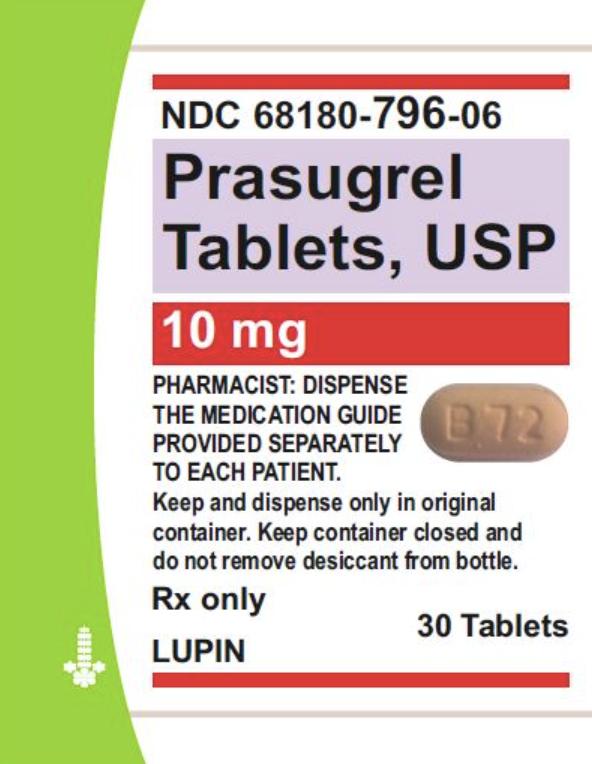
Prasugrel
Prasugrel tablets: uses, safety, and handling
Price:
$230.99
You save


Prasugrel is a prescription antiplatelet (blood thinner) used to help prevent clot-related events in certain people with acute coronary syndrome who undergo PCI (stent placement). This page reviews prasugrel 10 mg and related tablet strengths, with a focus on how it works, safety risks, interactions, and practical handling. It is written to support informed discussions with a clinician and to help patients recognize when follow-up is needed.
What Prasugrel Is and How It Works
Prasugrel belongs to a group of medicines called P2Y12 inhibitors, which reduce platelet activation and aggregation (clumping). By making platelets less “sticky,” it can lower the chance of a clot forming inside a coronary stent or a narrowed artery after an acute coronary event. CanadianInsulin supports prescription referral and may confirm details with the prescriber as needed.
Some patients explore US shipping from Canada when cross-border fulfilment is allowed for them, but medication choice and monitoring should remain clinician-led. Prasugrel is a prodrug, meaning it must be converted in the body to an active form. It is also a thienopyridine (a type of platelet blocker) that binds irreversibly to platelet receptors, so its effects can last for several days after the last dose. The prasugrel 10 mg tablet is often used as a maintenance strength for eligible adults, typically alongside low-dose aspirin as part of dual antiplatelet therapy.
- Core action: reduces platelet clumping
- Common setting: post-PCI for ACS
- Key tradeoff: higher bleeding risk
Who It’s For
Prasugrel is generally used in adults with acute coronary syndrome (such as unstable angina or myocardial infarction) who are managed with PCI. It is prescribed to reduce thrombotic cardiovascular events such as stent thrombosis (a clot in the stent) or recurrent heart attack. For condition context and related options, some people browse the Heart Attack Hub or the Unstable Angina Hub.
This medicine is not appropriate for everyone because of bleeding risk. It is contraindicated in people with active pathological bleeding and in those with a history of transient ischemic attack (TIA) or stroke. Prescribers also weigh extra cautions in older adults (often age 75 and above) and in people with lower body weight, because bleeding complications may be more likely. Why it matters: With antiplatelet therapy, risk assessment is as important as benefit.
People with multiple cardiovascular risk factors may be taking other long-term therapies (for example, blood pressure or cholesterol medicines) that also need coordination. If you are comparing medication classes commonly used in cardiology, the Cardiovascular Products hub can be a practical starting point for navigation.
Dosage and Usage
Prasugrel dosing is determined by the prescriber based on the clinical scenario and patient characteristics. In ACS managed with PCI, the labeled approach commonly includes an initial loading dose followed by a once-daily maintenance dose. For many adults, the maintenance plan uses a 10 mg daily tablet, while some patients (such as those under a certain body weight) may be prescribed a lower daily strength. Do not change between tablet strengths without explicit clinician direction, even if you see references to prasugrel 10 mg in educational material.
Tablets are taken by mouth and can be taken with or without food. Consistent daily timing can help adherence, which matters because platelet inhibition fades after stopping. If a dose is missed, instructions depend on timing and clinical context; patients should follow the prescriber’s guidance rather than “doubling up.” If you are managing several chronic conditions, it may help to keep one updated medication list to share at visits; the Manage Heart Health guide discusses practical coordination strategies for cardiometabolic care.
- How taken: oral tablet, once daily
- Often paired with: low-dose aspirin
- Before procedures: clinician planning needed
Strengths and Forms
Prasugrel is supplied as oral tablets. In many markets it is available in 5 mg and 10 mg strengths, and it may be labeled as prasugrel hydrochloride (prasugrel HCl), which describes the salt form of the active ingredient. You may also see the brand name Effient for prasugrel, along with various generics; availability can vary by pharmacy and jurisdiction.
In practice, the prasugrel 10 mg tablet is typically used as a maintenance option for eligible adults, while lower strengths may be chosen for specific risk profiles. Packaging and appearance can differ across manufacturers, so patients should rely on the pharmacy label and imprint information rather than tablet color alone.
| Form | Common strengths | Notes |
|---|---|---|
| Oral tablet | 5 mg, 10 mg | Generic or brand may vary |
Storage and Travel Basics
Store prasugrel tablets at room temperature in their original container unless the dispensing label states otherwise. Protect the medicine from moisture and excess heat, and keep the cap tightly closed. Bathrooms and kitchens can have high humidity, which may shorten the shelf life of many tablets. Keep all medicines out of reach of children and pets.
For travel, carrying tablets in the original labeled bottle can reduce confusion and supports accurate identification in clinical settings. If you use a pill organizer, refill it in a dry area and avoid mixing look-alike tablets. Quick tip: Take a clear photo of the bottle label for reference if the container is lost.
Broader heart-health education can also help patients understand why medication routines matter after a cardiac event. The Cardiovascular Article Library collects condition and prevention topics that many patients review during recovery.
Side Effects and Safety
The most important safety issue with prasugrel is bleeding. Commonly reported effects include easy bruising, nosebleeds, bleeding gums, or longer bleeding after cuts. Some people also report headache, dizziness, or gastrointestinal discomfort. Because platelet inhibition is strong and lasts beyond the last dose, bleeding can be harder to control during injuries or procedures. This is a key reason clinicians carefully consider whether prasugrel 10 mg is appropriate for an individual’s risk profile.
Serious bleeding can occur and may be life-threatening. Seek urgent care for signs such as coughing or vomiting blood, black or tarry stools, severe headache with sudden weakness or confusion, fainting, or any bleeding that will not stop. Rarely, a condition called thrombotic thrombocytopenic purpura (TTP, a clotting disorder with low platelets) has been reported with antiplatelet medicines; symptoms can include fever, unusual bruising, neurologic changes, or dark urine and should be treated as an emergency. Allergic reactions are also possible, including swelling of the face or throat and trouble breathing.
Routine lab monitoring is not typically used to “titrate” prasugrel effects, but clinicians may order blood counts if symptoms suggest anemia or bleeding. Risk is also influenced by other conditions such as kidney disease, prior ulcers, or recent surgery. If you also manage diabetes or metabolic risk factors, the Diabetes Cardiovascular Disease resource summarizes how overlapping conditions can raise baseline cardiovascular risk and complicate medication choices.
Drug Interactions and Cautions
Many clinically relevant interactions with prasugrel relate to additive bleeding risk rather than changes in drug levels. Combining antiplatelet therapy with anticoagulants (for example, warfarin or direct oral anticoagulants), NSAIDs (such as ibuprofen or naproxen), corticosteroids, or other antiplatelet agents can increase the chance of bleeding. Some antidepressants (SSRIs and SNRIs) may also increase bleeding tendency in certain patients. Because these combinations are sometimes necessary, the goal is usually careful planning, symptom education, and periodic reassessment.
Before dental work, surgery, or invasive tests, patients should tell the care team they take antiplatelet therapy. Stopping and restarting should be directed by the prescriber, since interruption can increase clot risk in the wrong setting. Use caution with supplements that can affect platelets, such as ginkgo, garlic, high-dose omega-3s, or turmeric, and disclose them during medication reconciliation. If you are also treating hypertension, the Diabetes High Blood Pressure guide discusses why coordinated medication review matters in chronic cardiovascular care.
Alcohol can irritate the stomach lining and may contribute to bleeding in some people, especially when combined with aspirin. Patients should also avoid starting new over-the-counter pain relievers without checking which options are preferred in their specific cardiac plan.
Compare With Alternatives
Prasugrel is one option within the P2Y12 inhibitor class. Other commonly used alternatives include clopidogrel and ticagrelor. Each has distinct labeled indications, contraindications, and procedural considerations, so “stronger” or “weaker” comparisons are not a safe shortcut. The best choice depends on bleeding risk, prior stroke history, adherence considerations, and the specific type of ACS and PCI performed.
For reference, CanadianInsulin lists related products such as Clopidogrel Tablets and Ticagrelor Tablets. Clinicians may also consider how quickly platelet function recovers after stopping therapy and whether the drug binds reversibly or irreversibly. In many treatment plans, lifestyle and long-term risk management run in parallel with antiplatelet therapy; articles like Bad Cholesterol Diabetes and Statin Drugs Diabetes provide context on lipid management that often accompanies post-ACS care.
Pricing and Access
Prasugrel requires a prescription. For safety, pharmacies and referral services may need to verify key details such as the prescriber information, strength, and directions, particularly when there are changes after hospitalization. Dispensing is handled by licensed third-party pharmacies where permitted. Patients should expect that documentation standards can vary based on jurisdiction and the clinical scenario (for example, recent PCI or discharge medication lists).
Coverage and out-of-pocket expenses differ widely. Factors that can affect the prasugrel 10 mg price include whether a plan prefers a specific manufacturer, whether prior authorization is required, and how the medicine is tiered on the formulary. Generic prasugrel may be listed as a generic for Effient 10 mg, and a switch from brand to generic can change what a patient pays without changing the active ingredient. When discussing cost without insurance, it helps to confirm the exact strength and tablet count, because these are common sources of mismatched quotes.
Some patients also compare cash-pay options, especially after a new cardiac event or an insurance change. Cross-border fulfilment depends on jurisdiction and patient eligibility. When CanadianInsulin coordinates next steps, it focuses on prescription referral and verification rather than clinical decision-making. For general information about site-wide programs, the Promotions Page provides updates that may apply to some medications, subject to terms and legal requirements.
Authoritative Sources
For prescribing indications, contraindications, and boxed warnings, the most reliable references are official drug labels and monographs. A clinician or pharmacist can also help interpret how label language applies to a person’s situation, including procedure timing and additive bleeding risks.
Neutral prescribing information is available from: DailyMed listing for prasugrel products and labeling. Patient-friendly medication summaries are available from: MedlinePlus overview of prasugrel uses and warnings.
When medications are mailed, prompt, express, cold-chain shipping may be used when clinically required.
This content is for informational purposes only and is not a substitute for professional medical advice.
Express Shipping - from $25.00
Shipping with this method takes 3-5 days
Prices:
- Dry-Packed Products $25.00
- Cold-Packed Products $35.00
Standard Shipping - $15.00
Shipping with this method takes 5-10 days
Prices:
- Dry-Packed Products $15.00
- Not available for Cold-Packed products
Is prasugrel the same as Effient?
Effient is a brand name for prasugrel. Many pharmacies also dispense generic versions that contain the same active ingredient (prasugrel), sometimes listed as prasugrel HCl (hydrochloride), which describes the salt form. Brand and generic tablets can look different because manufacturers use different shapes, colors, and imprints, but they are intended to work the same when used as prescribed. If a refill looks unfamiliar, compare the label details and ask a pharmacist to confirm the strength and directions.
What symptoms of bleeding should I watch for while taking prasugrel?
Bleeding risk is the main safety concern with prasugrel. Contact urgent care right away for signs of serious bleeding, such as black or tarry stools, vomiting blood, coughing up blood, severe or unusual headache, sudden weakness or confusion, or bleeding that will not stop. Less urgent but important symptoms include frequent nosebleeds, increased bruising, or prolonged bleeding from small cuts. Keep a current medication list because combinations with other blood thinners or NSAIDs can raise bleeding risk.
Do I need blood tests to monitor prasugrel?
There is no routine lab test used to adjust prasugrel dose in typical outpatient care. However, clinicians may order blood work if there are symptoms suggesting bleeding or anemia, such as unusual fatigue, shortness of breath, dizziness, or pale skin. A complete blood count (CBC) may be used to check hemoglobin and platelets. Monitoring also includes clinical follow-up after PCI, review of other medicines that increase bleeding risk, and planning before surgeries or dental procedures.
Can I take prasugrel with aspirin or other pain relievers?
Prasugrel is often prescribed together with low-dose aspirin as part of dual antiplatelet therapy after certain coronary events and PCI. Other pain relievers are different: NSAIDs like ibuprofen or naproxen can increase bleeding risk when combined with antiplatelet therapy. Acetaminophen (paracetamol) is sometimes preferred for occasional pain, but suitability depends on your overall health and other medicines. Patients should confirm which over-the-counter options are appropriate for their specific cardiac plan.
What should I ask my clinician before starting prasugrel?
Bring a complete list of prescription drugs, over-the-counter products, and supplements. Ask whether you have any contraindications such as a prior TIA or stroke, and how your age, weight, or history of ulcers affects bleeding risk. If you have upcoming dental work or surgery, ask how the care team will coordinate timing. It is also reasonable to ask how long dual antiplatelet therapy is typically planned after PCI and what symptoms should trigger urgent evaluation.
What happens if I miss a dose of prasugrel?
If you miss a dose, the safest next step depends on when you remember and why you take prasugrel (for example, after a recent stent). In general, patients should follow the prescriber’s instructions and avoid taking extra tablets to “catch up” unless specifically directed. Because prasugrel helps prevent clotting events, repeated missed doses can increase risk, while taking too much can increase bleeding risk. If missed doses are frequent, discuss adherence supports with a pharmacist or clinician.
Rewards Program
Earn points on birthdays, product orders, reviews, friend referrals, and more! Enjoy your medication at unparalleled discounts while reaping rewards for every step you take with us.
You can read more about rewards here.
POINT VALUE
How to earn points
- 1Create an account and start earning.
- 2Earn points every time you shop or perform certain actions.
- 3Redeem points for exclusive discounts.
You Might Also Like
Select options
This product has multiple variants. The options may be chosen on the product page
Select options
This product has multiple variants. The options may be chosen on the product page
Select options
This product has multiple variants. The options may be chosen on the product page
Select options
This product has multiple variants. The options may be chosen on the product page
Related Articles
Type 2 Diabetes,
Oral Wegovy Explained: Facts, Risks, and Access Options
The phrase oral wegovy is best understood as a search term, not a settled product name. Most people use it to mean a pill version of semaglutide for weight management,…
Diabetes, General Health,
Glp-1 Drugs Over The Counter: What’s Real And What’s Not
Key Takeaways Prescription GLP-1 medicines are not sold as true OTC drugs. Many “GLP-1” supplements aim to support fullness, not mimic prescriptions. Online “no prescription” offers raise counterfeit and quality…
Diabetes, Type 2
GLP-1 Cost Without Insurance: Compare Cash-Pay Options
Key Takeaways Many people searching for glp-1 cost without insurance are trying to plan for a long-term expense. The total can change based on the drug, the pharmacy, and how…
Cardiovascular, Diabetes, Nephrology,
SGLT2 Inhibitors Drugs: Names, Uses, And Safety Notes
Key Takeaways They lower glucose by increasing urinary sugar loss. Common options include dapagliflozin, empagliflozin, canagliflozin, and ertugliflozin. Some products combine an SGLT2 inhibitor with metformin. Risks include dehydration and…