
Please note: a valid prescription is required for all prescription medication.
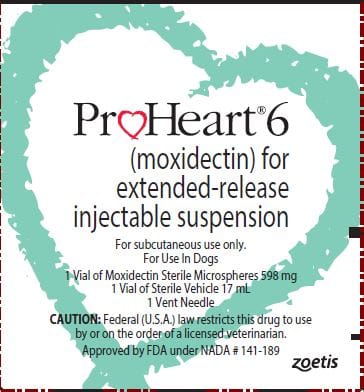
ProHeart 6
ProHeart 6 Uses, Administration Basics, and Safety for Dogs
Price:
$668.99
You save


This page describes a long-acting injectable heartworm preventive used in dogs. It summarizes how the medication works, typical veterinary use, and key safety points. It also explains practical handling, monitoring, and access considerations.
What ProHeart 6 Is and How It Works
ProHeart 6 is a veterinarian-administered injection for dogs intended to prevent heartworm disease for an extended interval. The active ingredient is moxidectin, a macrocyclic lactone (a class of antiparasitic medicines) that targets immature heartworm stages acquired from mosquito bites. By maintaining drug levels over time, the injection is designed to reduce reliance on monthly dosing routines, while still requiring routine veterinary oversight and preventive care.
Prescription details may be confirmed with the prescriber when required. Some patients explore Ships from Canada to US when local clinic supply varies. For background on the condition this preventive is meant to address, the Canine Heartworm Disease hub summarizes common prevention and treatment pathways. If you are comparing pet-focused products more broadly, the Pet Medications category can help you review other options by form and use.
Why it matters: Heartworm prevention choices are safest when paired with regular veterinary testing and follow-up.
Who It’s For
This injectable preventive is generally considered for dogs that need ongoing protection against heartworm disease and where an owner and veterinarian prefer longer-interval dosing. Clinics may recommend it for dogs that miss monthly doses, dogs that are difficult to medicate at home, or households where multiple caregivers share responsibility. In many practices, preventive selection also depends on regional parasite pressure, the dog’s lifestyle, and whether additional parasite coverage is needed.
ProHeart 6 is for prevention, not for treating an established heartworm infection. Veterinarians often screen for heartworm infection before starting a preventive, especially in dogs that are older, have an unknown prevention history, or have had lapses. Depending on local labeling and veterinary judgment, some injectable preventives may also be used with attention to intestinal parasites such as hookworms; the Canine Hookworm Infection hub provides general context. Dogs with a prior reaction to similar products, significant active illness, or other complicating factors may need an alternative approach.
Dosage and Usage
Because this is an in-clinic product, dosing and administration are handled by veterinary professionals. ProHeart 6 is commonly discussed as a “6 month heartworm shot,” meaning it is intended to provide a multi-month prevention interval when given on schedule. The veterinarian selects the appropriate dose based on the dog’s current weight and the approved labeling for the specific product presentation. Do not try to substitute home dosing or adjust schedules without veterinary direction.
What the injection visit may include
A typical appointment may include a brief health assessment, a review of recent parasite prevention history, and discussion of exposure risks such as travel or time spent outdoors. Many clinics also incorporate heartworm testing before initiating long-acting prevention or after gaps in coverage, because preventives are not intended to “clear” adult heartworms. The injection is given by a trained professional, and the clinic may observe the dog afterward based on its protocols and the dog’s history. Your veterinarian may also recommend other parasite controls if fleas, ticks, or intestinal worms are concerns in your area.
Quick tip: Keep a written prevention calendar and bring it to routine visits.
If a dose is delayed, clinics usually advise scheduling the next injection as soon as practical and clarifying whether interim monthly prevention or testing is needed. Any vomiting, facial swelling, weakness, or collapse after an injection should be treated as urgent and assessed promptly by a veterinarian or emergency clinic.
Strengths and Forms
This product is supplied as a veterinary injectable that is administered in the clinic rather than at home. Packaging and preparation steps can vary by market, including whether the product is supplied as a ready-to-use suspension or as components that must be prepared before use. In general, the dose is weight-based, and clinics stock the presentation(s) that best match their patient population.
ProHeart 6 is not a tablet or topical that a pet owner applies at home. That distinction can be helpful for households that struggle with chewable acceptance or topical residue, but it also means the dog must return to the clinic at appropriate intervals. Availability may vary by jurisdiction and by clinic ordering practices, and your veterinarian is the best source for which long-acting options are currently appropriate for your dog.
Storage and Travel Basics
Because administration is performed in a clinical setting, storage is usually managed by the veterinary clinic according to the official package insert. Temperature limits, light protection, and in-use time after preparation (if mixing is required) should follow the labeling for the specific product lot and presentation. Pet owners typically do not need to store the medication at home, but it can help to keep documentation of the last injection date and any testing performed.
If your dog will be traveling or boarding, discuss prevention timing ahead of the trip. For general planning considerations around traveling with injectable therapies, some readers also review human-focused logistics guides such as How To Travel; however, clinic-administered veterinary injections follow different handling rules, and you should rely on your veterinarian for pet-specific guidance. ProHeart 6 scheduling may also be influenced by seasonal mosquito exposure where you live and where you travel.
Side Effects and Safety
As with many injections, side effects can occur. Commonly reported issues with long-acting parasite preventives may include mild lethargy, reduced appetite, vomiting, diarrhea, or localized injection-site discomfort. These effects are often self-limited, but persistent symptoms should be discussed with a veterinarian. ProHeart 6, like other macrocyclic lactone products, may rarely be associated with more serious reactions in some dogs, including hypersensitivity reactions.
Why it matters: Recognizing early warning signs can speed evaluation and supportive care.
Seek urgent veterinary assessment for signs consistent with anaphylaxis (a severe allergic reaction), such as facial swelling, hives, difficulty breathing, collapse, or profound weakness. Also report neurologic changes (stumbling, tremors, seizures) even if they occur hours after the visit. For a general framework on reading safety warnings and organizing questions for a clinician, some readers find checklists like Ozempic Danger Practical Safety useful, though it is not veterinary-specific. Always defer to the veterinary label and your clinic’s instructions for monitoring after injections.
Drug Interactions and Cautions
Drug interaction data for veterinary antiparasitics can be more limited than for common human medicines, so caution and full medication disclosure are important. Tell your veterinarian about all prescription medications, over-the-counter products, supplements, and other preventives your dog receives, including any other heartworm preventives or dewormers. Combining antiparasitic products without a plan can increase the chance of adverse effects or unnecessary duplication of coverage.
Macrocyclic lactones can have heightened risk in certain situations, such as dogs with specific genetic sensitivities (for example, MDR1 gene variants seen in some herding breeds) or dogs taking medications that may affect drug transport and metabolism. Your veterinarian may also use extra caution in dogs with significant systemic illness, very low body condition, or a history of reactions to injections. For a broader, non-veterinary overview of how medication classes and mechanisms are discussed, see Common Diabetes Medications, and apply the concept—rather than the details—when discussing pet medications with your clinic.
Compare With Alternatives
Heartworm prevention can be delivered in several ways, and the “best” choice often depends on adherence, parasite risks, and tolerance. Common alternatives include monthly oral chewables, monthly topical preventives, and other long-acting injectable options where available. Some monthly products combine heartworm prevention with additional intestinal parasite coverage; others may also address fleas or ticks depending on the formulation and local approvals. Your veterinarian can help match the option to your dog’s age, weight, and exposure patterns.
ProHeart 6 differs most from monthly options in the dosing interval and where it is administered. In-clinic administration can reduce missed-dose risk, but it also means the dog must return for scheduled injections. Monthly products offer at-home flexibility, but they require consistent reminders and correct administration. If you are comparing options, focus on practical factors: how reliably doses are given, how the dog has reacted to similar medicines, and what other parasite control is needed in your area.
| Option type | Typical interval | Key considerations |
|---|---|---|
| Clinic-administered injection | Multi-month | Adherence support; clinic visits required |
| Oral chewable | Monthly | At-home dosing; palatability and reminders matter |
| Topical | Monthly | Skin application; residue and bathing timing may matter |
If you want to browse other veterinary products by category, the Pet Medications hub can be used as a starting point, then confirm suitability with a veterinarian.
Pricing and Access
Access to long-acting veterinary preventives typically depends on a current veterinarian-client-patient relationship, local regulatory rules, and clinic protocols. Costs can vary based on the dog’s weight, whether heartworm testing is performed, whether an exam is required, and the degree of parasite coverage needed. If you are comparing out-of-pocket expectations without insurance, ask the clinic what is included in the visit (testing, exam, observation) versus the medication itself. For a general discussion of why medication costs vary by location and supply chain, some readers review non-veterinary resources like Insulin Cost Comparison to understand the concept, then apply questions to veterinary care.
Dispensing and fulfilment may be handled by licensed third-party pharmacies, where permitted. Documentation checks may include confirming the prescription and patient details with the veterinary prescriber, particularly for clinic-administered products. If you are reviewing cash-pay considerations, it may help to ask whether the clinic offers reminders, bundling with wellness visits, or written prevention schedules. Cross-border fulfilment may be an option depending on eligibility and jurisdiction. For stable site information that may relate to eligibility rules or program terms, you can reference Promotions Information. For additional context on how patients think about affordability online (again, not veterinary-specific), see Weight Loss Medications Online as an example of the questions people ask about access pathways.
Authoritative Sources
For the most reliable and current details, review official labeling and veterinary references, then confirm specifics with your veterinarian.
A neutral starting point for regulatory labeling is the FDA Animal Drugs database: FDA Animal Drugs @ FDA.
For manufacturer information and client materials, refer to the company product resources: Zoetis.
For clinical overviews of heartworm disease and prevention principles, see: Merck Veterinary Manual heartworm overview.
When fulfilment is available, temperature-sensitive items may be handled using prompt, express, cold-chain shipping in line with pharmacy requirements.
This content is for informational purposes only and is not a substitute for professional medical advice.
Express Shipping - from $25.00
Shipping with this method takes 3-5 days
Prices:
- Dry-Packed Products $25.00
- Cold-Packed Products $35.00
Standard Shipping - $15.00
Shipping with this method takes 5-10 days
Prices:
- Dry-Packed Products $15.00
- Not available for Cold-Packed products
How long does the 6 month heartworm shot last?
A 6-month heartworm injection is designed to provide prevention coverage for about six months after it is administered by a veterinarian. The exact timing of the next dose should follow the product labeling and your clinic’s schedule. If a dog is late for the next injection, a veterinarian may recommend interim prevention, repeat testing, or a different plan based on exposure risk and past adherence. Keep a record of injection dates, travel, and any gaps, and bring that history to routine visits.
Does ProHeart 6 treat existing heartworm infection?
ProHeart 6 is intended for prevention of heartworm disease, not for eliminating adult heartworms in a dog that is already infected. That distinction matters because dogs with established infection may need a specific diagnostic workup and a separate treatment protocol. Veterinarians often test for heartworm infection before starting long-acting prevention, especially if the dog is older, has an unknown prevention history, or has had missed doses. Your veterinarian can interpret test results and advise on safe next steps.
What side effects should I watch for after the injection?
After an injectable preventive, mild effects can include temporary tiredness, reduced appetite, vomiting, diarrhea, or injection-site soreness. More serious reactions are uncommon but require urgent attention. Contact a veterinarian or emergency clinic immediately for facial swelling, hives, trouble breathing, collapse, severe weakness, or new neurologic signs such as tremors or seizures. If your dog has reacted to injections or parasite preventives before, tell the clinic in advance so monitoring and alternative options can be discussed.
Is heartworm testing needed before starting ProHeart 6?
Many veterinarians recommend heartworm testing before starting long-acting prevention, particularly for dogs over a certain age, dogs with an unknown prevention history, or dogs that have had gaps in protection. Testing helps ensure the dog is not already infected, since prevention products are not the same as treatment for adult heartworms. Your clinic may also consider local mosquito seasonality, travel history, and prior preventive use. Follow the testing cadence your veterinarian recommends for your dog’s risk level.
Can ProHeart 6 be used with other parasite preventives?
Some dogs need additional parasite control beyond heartworm prevention, such as flea/tick protection or intestinal deworming. Combining products may be appropriate, but it should be planned by a veterinarian to avoid duplicated ingredients or unintended additive effects. Tell the clinic about all medications and preventives your dog receives, including supplements. Your veterinarian can help select compatible products and a schedule that fits your dog’s exposure risks, breed considerations, and prior tolerance.
What should I ask my veterinarian before choosing a 6 month heartworm injection?
Useful questions include: whether your dog should be tested before the first dose, what signs to watch for after the injection, and what to do if a dose is delayed. Ask how the clinic handles dogs with prior reactions, whether any breed-related sensitivities are relevant, and what additional parasite protection may be needed in your region. It also helps to confirm what is included in the visit (exam, testing, observation) and how follow-up reminders are provided so the timing stays consistent.
Rewards Program
Earn points on birthdays, product orders, reviews, friend referrals, and more! Enjoy your medication at unparalleled discounts while reaping rewards for every step you take with us.
You can read more about rewards here.
POINT VALUE
How to earn points
- 1Create an account and start earning.
- 2Earn points every time you shop or perform certain actions.
- 3Redeem points for exclusive discounts.
You Might Also Like
Select options
This product has multiple variants. The options may be chosen on the product page
Select options
This product has multiple variants. The options may be chosen on the product page
Select options
This product has multiple variants. The options may be chosen on the product page
Select options
This product has multiple variants. The options may be chosen on the product page
Related Articles
Type 2 Diabetes,
Oral Wegovy Explained: Facts, Risks, and Access Options
The phrase oral wegovy is best understood as a search term, not a settled product name. Most people use it to mean a pill version of semaglutide for weight management,…
Diabetes, General Health,
Glp-1 Drugs Over The Counter: What’s Real And What’s Not
Key Takeaways Prescription GLP-1 medicines are not sold as true OTC drugs. Many “GLP-1” supplements aim to support fullness, not mimic prescriptions. Online “no prescription” offers raise counterfeit and quality…
Diabetes, Type 2
GLP-1 Cost Without Insurance: Compare Cash-Pay Options
Key Takeaways Many people searching for glp-1 cost without insurance are trying to plan for a long-term expense. The total can change based on the drug, the pharmacy, and how…
Cardiovascular, Diabetes, Nephrology,
SGLT2 Inhibitors Drugs: Names, Uses, And Safety Notes
Key Takeaways They lower glucose by increasing urinary sugar loss. Common options include dapagliflozin, empagliflozin, canagliflozin, and ertugliflozin. Some products combine an SGLT2 inhibitor with metformin. Risks include dehydration and…