
Please note: a valid prescription is required for all prescription medication.
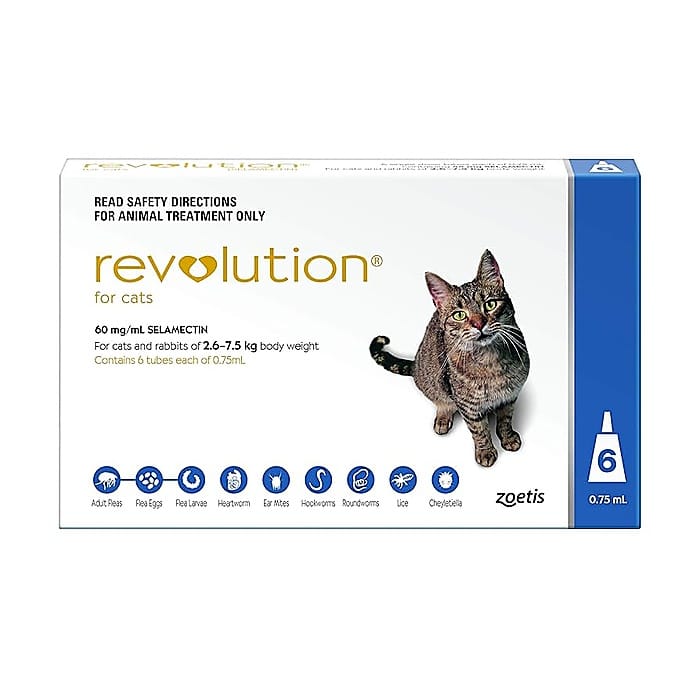
Revolution for Cat
Revolution for Cat Uses and Safety Overview
Price:
Price range: $132.99 through $142.99
You save


Revolution for Cat is a prescription topical medicine used to help control certain parasites in cats. This page summarizes what it is, how it works, and key safety and handling points.
Some patients explore Ships from Canada to US for certain prescription pet medications when permitted. The sections below focus on label-aligned use, what to monitor, and practical steps to discuss with a veterinarian.
What Revolution for Cat Is and How It Works
This medicine is a “spot-on” parasiticide, meaning it is placed on the skin and then spreads across the skin surface and can be absorbed into the body. CanadianInsulin.com helps route prescription requests and may confirm details with the prescriber. In cats, this type of treatment is commonly used to manage external parasites (like fleas and ear mites) and, depending on the label, help prevent internal parasites such as heartworm and certain intestinal worms.
After it is placed on the skin, the active ingredient(s) circulate at levels intended to affect parasites that feed or live on the animal. For fleas, the goal is to kill adult fleas and reduce ongoing infestation pressure in the home. For ear mites, it is intended to clear infestation while easing irritation over time. For heartworm prevention, consistent monthly dosing matters because it targets immature stages acquired in the prior month rather than treating established adult heartworms.
Why it matters: Parasite prevention usually works best when paired with home cleaning and veterinarian follow-up.
Who It’s For
Revolution for Cat is intended for cats in specific age and weight ranges listed on the package labeling. Your veterinarian will consider your cat’s size, health status, lifestyle, and local parasite risks before recommending a preventive plan. Cats that live with other pets, go outdoors, or are exposed to boarding and grooming environments may have a higher ongoing risk of fleas and ear mites.
This product may not be appropriate for every cat. Caution is often needed for animals that are sick, underweight, recovering from illness, or have a history of sensitivity to topical parasite medicines. It also should not be used on broken skin. If you are trying to match a preventive to a specific diagnosis, these hubs can help you browse related topics: Feline Flea Infestation, Feline Ear Mite Infestation, and Feline Heartworm Disease. Bring the product box to your appointment so the vet can confirm fit.
Dosage and Usage
Dosing is typically weight-based and commonly scheduled once monthly, but the exact schedule and indication depend on the label and the veterinarian’s plan. Revolution for Cat is placed on the skin, usually at the back of the neck where the cat is less likely to lick. The tube is generally used as a single dose; do not split doses unless the prescriber specifically directs it.
Good technique helps reduce residue and improves reliability. Part the fur until you can see skin, place the tip against the skin, and empty the tube in one spot unless the label instructs otherwise. Avoid getting the liquid on your hands, and wash hands afterward. Keep treated cats separated from other pets until the area is dry, since grooming each other can lead to oral exposure.
Quick tip: Mark monthly doses on a calendar to support consistent prevention.
Strengths and Forms
This medicine is commonly supplied as single-use topical tubes packaged by weight range. The outer carton and tube label indicate which cats the dose is intended for. Because dosing is based on body weight, using the correct presentation is important; using the wrong size can lead to under-dosing or unnecessary exposure.
Availability can vary by jurisdiction and pharmacy channel, and some packages are labeled for kittens or smaller cats. If your cat is near a weight cutoff, a veterinarian may re-weigh and choose the most appropriate tube size. If your cat’s weight changes over time, the dose selection may also change at the next refill cycle. Keep the carton for reference, since it contains the lot number and labeled directions that are useful if you need to report a side effect.
Storage and Travel Basics
Store topical parasite medicines at room temperature in their original packaging, away from direct light and moisture. Keep the product out of reach of children and pets, and do not store opened tubes for later use. Avoid exposing the carton to extreme heat (for example, a hot car), which can affect product integrity.
For travel, keep the tube in the original box so you have the labeled directions if questions come up while away from home. If you are staying with friends or using a pet sitter, provide written instructions and emphasize that the medicine is for cats only. Dispose of used tubes according to local guidance, and avoid allowing pets to chew empty packaging. If a spill occurs on fabric, clean it promptly and keep other pets away until the area is dry.
Side Effects and Safety
Most cats tolerate topical parasite preventives well, but side effects can happen. Revolution for Cat may cause temporary hair changes at the site, mild skin irritation, or a greasy-looking patch that resolves. If a cat licks the wet product, drooling, gagging, or vomiting may occur due to taste and oral exposure. Some cats may seem quieter for a short period after dosing.
More serious reactions are uncommon but need prompt veterinary attention. Seek urgent care if you notice facial swelling, hives, trouble breathing, severe vomiting, collapse, tremors, or seizures. Contact a veterinarian if your cat has persistent skin redness, intense itching, or signs of pain at the site. Extra caution is reasonable when dosing very young kittens or cats with significant illness, since their ability to handle medications can differ.
Why it matters: Watching closely after the first dose helps you spot sensitivity early.
Drug Interactions and Cautions
Veterinarians often ask about other parasite products because overlapping ingredients can increase side effects without improving protection. Tell the clinic about any oral flea products, dewormers, tick preventives, medicated shampoos, or skin treatments your cat is using. If your household treats multiple pets, confirm that each product is species-appropriate; some dog-only tick products can be dangerous to cats.
Also share information about pregnancy, nursing, chronic disease, or recent medication changes. In multi-pet homes, re-infestation can occur if only one animal is treated, so a veterinarian may recommend a household plan. If you are comparing categories of parasite medicines, the Pet Medications hub can help you browse options to discuss with your vet. For general guidance on reading labels and avoiding mix-ups between similar products, resources like Not All Insulin Products and Premixed Insulin Guide illustrate why formulation details matter, even across different medication types.
Compare With Alternatives
Parasite prevention is not one-size-fits-all. Alternatives may differ by ingredient, parasite coverage, dosing interval, and whether they address ticks in addition to fleas. Your veterinarian may suggest switching when a cat’s risk factors change, when local parasite patterns shift, or when side effects occur. When comparing options, it helps to separate “external parasite control” (fleas, mites, ticks) from “internal parasite prevention” (heartworm and certain intestinal worms).
Some commonly discussed alternatives include combination topicals and oral products. For example, Revolution Plus is a related topical option that may be chosen when tick coverage is needed, while NexGard Combo is another prescription option with its own labeled indications. Other medications may focus on deworming only or rapid flea knockdown. The right comparison depends on what your cat is being protected against and how the product is tolerated.
| Option type | How it’s given | Common reasons considered |
|---|---|---|
| Topical preventive | Applied to skin monthly | Ongoing flea control; some also prevent internal parasites |
| Combination topical | Applied to skin monthly | Broader labeled coverage; may include ticks depending on product |
| Oral flea medicine | Tablet by mouth | When topical residue is a concern; label coverage varies |
Pricing and Access
Prescription status and local regulations are major factors in access to parasite preventives. CanadianInsulin.com operates as a prescription referral service, and dispensing is completed by licensed third-party pharmacies where permitted. Your veterinarian may need to provide a current prescription and confirm the specific tube size, since weight-based dosing is part of safe use.
Coverage and out-of-pocket expense can vary based on pet insurance rules, clinic pricing, and whether the medication is being used as prevention or as part of treating an active infestation. Other factors that can affect overall cost include the size of the cat, how many pets in the household need protection, and whether the veterinarian recommends additional deworming or environmental control measures. If you are reviewing general site updates that may affect availability information, see Promotions Information for the latest posted details (when available), while treating any veterinary plan as the primary guide.
When cross-border fulfilment is involved, requirements can include prescription verification, appropriate documentation, and jurisdiction-specific eligibility. Avoid starting, stopping, or substituting parasite medicines without a veterinarian’s input, because coverage gaps can leave cats exposed during peak seasons.
Authoritative Sources
Manufacturer overview and label details are available here: Zoetis Revolution product information.
For regulatory context on approved animal drugs, see: FDA Animal Drugs at FDA.
For plain-language parasite background, review: Merck Veterinary Manual.
When fulfilment is permitted, some medications are handled using prompt, express, cold-chain shipping when needed.
This content is for informational purposes only and is not a substitute for professional medical advice.
Express Shipping - from $25.00
Shipping with this method takes 3-5 days
Prices:
- Dry-Packed Products $25.00
- Cold-Packed Products $35.00
Standard Shipping - $15.00
Shipping with this method takes 5-10 days
Prices:
- Dry-Packed Products $15.00
- Not available for Cold-Packed products
What does Revolution for Cat treat in cats?
Revolution for Cat is a topical prescription parasite medicine used in cats for labeled parasites such as fleas and ear mites, and it may also be used for labeled internal parasite prevention (for example, heartworm prevention and certain intestinal worms). Exact coverage depends on the specific carton labeling for your cat’s weight range and the local approved indication. If your cat has itching, hair loss, or visible fleas, a veterinarian can confirm whether parasites are the cause and whether this product fits the treatment plan.
How often is Revolution for Cat usually given?
Many cats use this type of topical preventive on a monthly schedule, because consistent timing helps maintain protection during parasite season. The exact dosing interval and duration should follow the package labeling and the veterinarian’s directions, since recommendations can differ based on the parasite being targeted and your cat’s lifestyle risk. If doses are missed, ask the clinic how to restart safely rather than doubling up or changing the schedule on your own.
Where do I apply it and what if my cat licks it?
Topical tubes are generally placed directly on the skin at the back of the neck, after parting the fur. That location reduces the chance of licking and keeps the liquid in one area as it dries. If a cat licks the wet medicine, drooling, gagging, or vomiting can happen and is often related to taste. Contact a veterinarian if signs are severe, if your cat seems unwell, or if neurologic signs (tremors, wobbliness) appear.
What side effects should I watch for after dosing?
Common side effects with topical parasite medicines include brief skin irritation, redness, or a temporary greasy patch at the application site. Some cats may have mild stomach upset, especially if they lick the product before it dries. Serious reactions are uncommon but require urgent veterinary care, including facial swelling, hives, trouble breathing, collapse, persistent vomiting, or neurologic signs such as tremors or seizures. Keep the carton so you can share the lot number if you need to report a reaction.
Can Revolution for Cat be used with other flea or deworming medicines?
Sometimes it can, but combinations should be veterinarian-directed because overlapping parasite drugs may increase side effects without adding benefit. Provide a full list of what your cat receives, including oral flea products, tick preventives, dewormers, medicated shampoos, and any prescription skin medicines. Also mention products used on other pets in the home, since accidental exposure to dog-only topical tick products can be harmful to cats. A veterinarian can confirm a coordinated plan that avoids ingredient duplication.
Is a prescription required and what information is typically verified?
In many jurisdictions, Revolution for Cat is prescription-only. Clinics usually need to provide the pet’s details (species, weight, and sometimes age), the specific product size, and dosing instructions. Prescription verification helps ensure the tube matches the cat’s current weight range and that the intended use aligns with the labeled indication. If your cat’s weight has changed since the last refill, the veterinarian may update the prescription so the correct presentation is dispensed.
What should I ask my veterinarian before starting this medication?
Ask which parasites the product is expected to cover for your cat’s situation, and whether additional testing or treatments are needed (for example, confirming ear mites or discussing heartworm prevention strategy). Review your cat’s health history, current medications, and any prior reactions to parasite products. It is also reasonable to ask about timing with bathing or grooming, how to reduce licking by other pets, and what to do if a dose is missed. Bring the box or a photo of the label to the visit for accuracy.
Rewards Program
Earn points on birthdays, product orders, reviews, friend referrals, and more! Enjoy your medication at unparalleled discounts while reaping rewards for every step you take with us.
You can read more about rewards here.
POINT VALUE
How to earn points
- 1Create an account and start earning.
- 2Earn points every time you shop or perform certain actions.
- 3Redeem points for exclusive discounts.
You Might Also Like
Select options
This product has multiple variants. The options may be chosen on the product page
Select options
This product has multiple variants. The options may be chosen on the product page
Select options
This product has multiple variants. The options may be chosen on the product page
Select options
This product has multiple variants. The options may be chosen on the product page
Related Articles
Type 2 Diabetes,
Oral Wegovy Explained: Facts, Risks, and Access Options
The phrase oral wegovy is best understood as a search term, not a settled product name. Most people use it to mean a pill version of semaglutide for weight management,…
Diabetes, General Health,
Glp-1 Drugs Over The Counter: What’s Real And What’s Not
Key Takeaways Prescription GLP-1 medicines are not sold as true OTC drugs. Many “GLP-1” supplements aim to support fullness, not mimic prescriptions. Online “no prescription” offers raise counterfeit and quality…
Diabetes, Type 2
GLP-1 Cost Without Insurance: Compare Cash-Pay Options
Key Takeaways Many people searching for glp-1 cost without insurance are trying to plan for a long-term expense. The total can change based on the drug, the pharmacy, and how…
Cardiovascular, Diabetes, Nephrology,
SGLT2 Inhibitors Drugs: Names, Uses, And Safety Notes
Key Takeaways They lower glucose by increasing urinary sugar loss. Common options include dapagliflozin, empagliflozin, canagliflozin, and ertugliflozin. Some products combine an SGLT2 inhibitor with metformin. Risks include dehydration and…