
Please note: a valid prescription is required for all prescription medication.
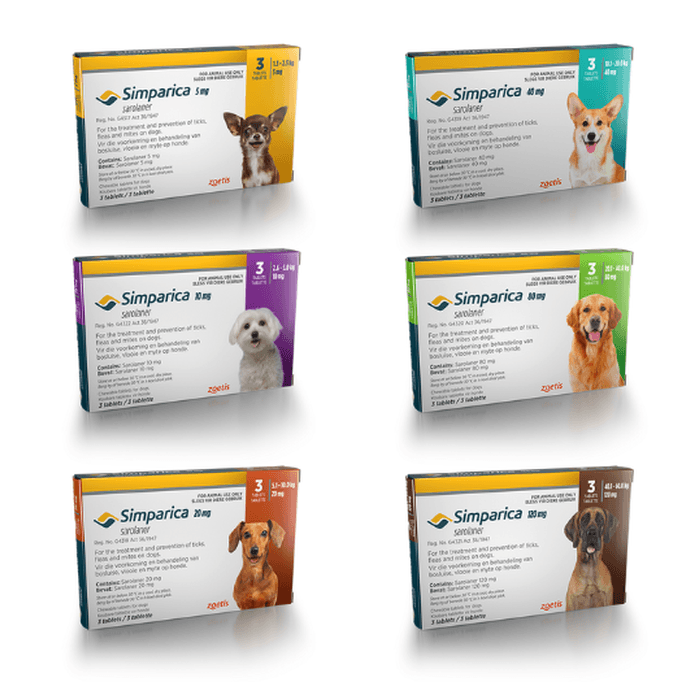
Simparica
Simparica for Dogs: How to Buy Safely
Price:
Price range: $105.99 through $116.99
You save


Simparica is a prescription oral chewable medication for dogs that helps treat and control fleas and ticks. It contains sarolaner, an isoxazoline (parasite nervous-system blocker) used in veterinary parasite prevention. This page summarizes typical use, label-aligned handling, and safety points to discuss with a veterinarian.
What Simparica Is and How It Works
This medicine is an oral ectoparasiticide (external parasite treatment) for dogs. After a dog swallows the chew, sarolaner is absorbed and circulates in the bloodstream. It works by interfering with parasite nerve signaling, which can kill fleas and ticks after they bite. Prescription details may be verified with the prescriber when required.
Some patients explore Ships from Canada to US when coordinating ongoing parasite prevention for a dog. Effects and duration depend on following the label and selecting the correct strength for the dog’s weight. For broader context on how medications are commonly described by mechanism and class, see Common Diabetes Medications; that resource is human-health focused, but it illustrates how “mechanism of action” explanations are typically structured.
In practice, flea and tick control is part of an overall parasite plan. This may also include environmental steps (washing bedding, vacuuming, yard control) and screening for other parasites based on location and season. A veterinarian can help confirm which risks are most relevant for the dog’s routine, travel, and exposure patterns.
Who It’s For
Simparica for dogs is generally used when a veterinarian wants a convenient oral option for flea and tick control. It may be considered for dogs with ongoing exposure, for homes with multiple pets, or when ticks are a known local risk. Condition hubs can help clarify what “infestation” means in practical terms, including Canine Flea Infestation and Canine Tick Infestation.
This treatment is not a substitute for heartworm prevention or intestinal deworming, and it is not intended for cats unless specifically labeled for that species. Minimum age and weight limits can apply, and the safety profile may differ in very young animals, seniors, or dogs with significant underlying illness. Dogs with a history of neurologic events may need extra caution with isoxazoline-class products. For dogs with suspected mite-related skin disease, a veterinarian may also evaluate for causes such as Canine Mange and recommend a targeted plan.
Dosage and Usage
Simparica is typically given on a regular schedule (often monthly) as directed by the prescribing veterinarian and the product label. The chew should be given in the full, labeled strength matched to the dog’s weight range. Avoid splitting or combining tablets unless a veterinarian explicitly instructs it, since accurate dosing depends on the labeled presentation. If a dose is missed, the safest next step is to follow the label instructions or ask the clinic how to restart the schedule without “double-dosing.”
Administration is usually straightforward: confirm the correct product and strength, offer the chew, and verify that the entire dose was swallowed. Monitor for vomiting soon after dosing, because this can affect how much medication was absorbed. If vomiting occurs, a veterinarian can advise whether redosing is appropriate. For an example of how a “label basics” approach is laid out in patient education (in human medicine), see Semaglutide Dosage Chart; the clinical principle is the same—follow the labeled schedule rather than improvising changes.
Quick tip: Use a calendar reminder to reduce missed monthly doses.
Strengths and Forms
This medication is supplied as oral chewable tablets for dogs in multiple strengths. The correct choice depends on the dog’s current body weight, so weight checks matter, especially for growing puppies or dogs with recent weight change. Packaging and presentations can vary by market and pharmacy, and availability may differ by jurisdiction.
Simparica chewable products are designed for oral administration, not topical use. Keep the chew in its original packaging until use to help protect it from moisture and to preserve identifying information (name, lot, and expiry). If there is any uncertainty about what was dispensed—such as a look-alike box or a different tablet count—confirm details with the dispensing pharmacy or the prescribing clinic before giving a dose.
- Oral chewable tablet form
- Weight-based strength selection
- Pack sizes may vary
- Not labeled for cats
Storage and Travel Basics
Store flea and tick chews at room temperature and in a dry place unless the label states otherwise. Avoid leaving medications in hot vehicles, direct sun, or humid areas such as bathrooms, since heat and moisture can degrade many tablets over time. Keep all pet medications out of reach of children and other animals, because accidental ingestion may cause side effects and can complicate assessment of what dose was taken.
For travel, bring doses in the original blister or container so the product name and instructions remain available if veterinary care is needed away from home. If the dog is prone to motion sickness or has a history of vomiting during travel days, discuss timing with the veterinarian to reduce the chance of losing a dose. Although it is a different setting, the handling mindset is similar to keeping any medication organized and clearly labeled; a general example is Insulin Pen Vs Syringe, which illustrates why clear labeling and consistent technique matter.
Side Effects and Safety
Like other prescription parasite preventives, Simparica can cause side effects in some dogs. Commonly reported issues across oral flea/tick medications may include vomiting, diarrhea, decreased appetite, drooling, or lethargy. Many mild effects are short-lived, but any persistent symptoms, dehydration risk, or repeated vomiting should be discussed with a veterinarian. Bring the package or a clear photo of it to help confirm the exact product and strength.
Isoxazoline-class products have been associated with neurologic adverse events in some animals, including tremors, incoordination (ataxia), and seizures. A dog with a prior seizure history, or one taking medications that affect the nervous system, may warrant additional risk–benefit discussion before starting or continuing therapy. For a general example of how safety warnings are framed in medication education (human-focused), see Ozempic Danger Practical; the key idea is the same: recognize red-flag symptoms and seek professional assessment.
Why it matters: New tremors or seizures need prompt veterinary evaluation.
Seek urgent veterinary care for collapse, severe weakness, repeated seizures, facial swelling, trouble breathing, or signs of a serious allergic reaction. Also report any unexpected changes in behavior or movement after dosing, because timing can help a clinician judge whether the medicine is a likely contributor or whether another cause is more probable.
Drug Interactions and Cautions
Veterinarians often use flea and tick products alongside other preventives, but it is still important to review the full medication list. Provide the clinic with all current prescriptions, over-the-counter products, supplements, and any recent parasite treatments, including shampoos, collars, and spot-ons. This helps reduce duplication and clarifies whether the dog has had prior intolerance to a specific class of ectoparasiticides.
Important cautions may include dogs with a history of seizures or other neurologic conditions, dogs that are pregnant or nursing (if the label notes limited data), and animals with significant liver or kidney disease where medication tolerance may differ. Do not combine multiple flea/tick treatments “for extra coverage” unless the veterinarian recommends a specific plan, since overlapping products can increase side-effect risk without improving outcomes. When switching from one preventive to another, ask the clinic about timing so the dog remains protected without stacking similar medications.
Compare With Alternatives
Different parasite prevention strategies fit different households. Simparica flea and tick control is one oral option, but alternatives may be preferred based on tick species, the dog’s tolerance, the need for heartworm prevention, bathing frequency, or a history of adverse effects. Some pets do well with oral monthly products, while others do better with topical medications or longer-acting approaches when those are available and appropriate.
Two commonly discussed alternatives include a topical option such as Revolution For Dog (often chosen when a topical route is preferred) and a fast-acting oral adulticide like Capstar For Dog (sometimes used for rapid knockdown of adult fleas as part of a broader plan). Other veterinary flea/tick chews in the same general category (isoxazolines) may have different dosing intervals or labeled parasite coverage, so comparisons should be label-based rather than assumption-based.
| Option type | Route | Typical role | Notes to discuss |
|---|---|---|---|
| Oral isoxazoline | Chew | Ongoing flea/tick control | Neurologic history, adherence |
| Topical preventive | Spot-on | Monthly external parasite plan | Bathing, contact with children |
| Rapid adult flea treatment | Tablet | Short-term adult flea kill | Not a stand-alone monthly plan |
When comparing options, focus on labeled species, parasite coverage, dosing interval, and the dog’s medical history. A veterinarian can also advise whether additional steps are needed for home treatment, yard control, or re-checks after heavy exposure.
Pricing and Access
Simparica is prescription-only in many jurisdictions, so access usually involves a veterinarian’s assessment and a valid prescription. Out-of-pocket cost can vary based on the dog’s weight-based strength, pack size, and local dispensing practices. Pet insurance coverage, if available, differs by plan and may require documentation such as an invoice, diagnosis code, or proof of prescription. For pet owners paying without insurance, budgeting often depends on how parasite risk changes seasonally and whether multiple pets need coverage.
CanadianInsulin functions as a referral platform that can help route prescription information for review. Dispensing is handled by licensed third-party pharmacies where permitted. In practice, this means a clinic’s prescription details may need to be confirmed, and certain documentation may be required before a pharmacy can dispense. Information about site-wide programs is posted on Promotions, but eligibility and final terms can vary by product category and jurisdiction.
If cross-border fulfilment is considered, follow the applicable rules for the destination and the prescribing relationship. Keep a copy of the prescription and the product label available for travel or boarding situations, since caretakers may need clear dosing dates and safety information. Where temperature control is needed for certain medications, partner pharmacies may use prompt, express, cold-chain shipping as part of the handling process.
Authoritative Sources
For the most accurate and current details, rely on the official product label and veterinary guidance, especially for species restrictions, age and weight minimums, and adverse event warnings. Pharmacovigilance updates can also affect how clinicians counsel owners about class-wide risks.
FDA overview of class safety communications: FDA Isoxazoline Safety Information.
This content is for informational purposes only and is not a substitute for professional medical advice.
Express Shipping - from $25.00
Shipping with this method takes 3-5 days
Prices:
- Dry-Packed Products $25.00
- Cold-Packed Products $35.00
Standard Shipping - $15.00
Shipping with this method takes 5-10 days
Prices:
- Dry-Packed Products $15.00
- Not available for Cold-Packed products
What parasites does Simparica cover in dogs?
Simparica is used for flea and tick control in dogs, based on the product label and the dog’s risk of exposure. It is not a heartworm preventive and it does not replace deworming for intestinal parasites, so some dogs may need separate medications for those risks. Coverage details (such as which tick species are included) can vary by region and labeling. A veterinarian can help match the product to local parasite patterns, the dog’s lifestyle, and any prior reactions to flea/tick preventives.
How often is Simparica given?
Many dogs receive this medication on a regular schedule, commonly monthly, but the safest schedule is the one on the label and the one your veterinarian prescribed for your dog. Dosing is weight-based, so the correct tablet strength depends on the dog’s current body weight. If a dose is late or missed, avoid doubling up unless a veterinarian specifically instructs it. Keep a simple log of dosing dates, because consistent spacing helps maintain predictable protection.
Can Simparica be used in puppies?
Puppies may be eligible, but minimum age and minimum weight requirements apply and are listed on the product label. In very young dogs, growth can change the correct weight range quickly, so clinics often recommend re-weighing before selecting a strength. If a puppy has a history of neurologic issues, persistent gastrointestinal problems, or is on other medications, those factors can affect whether an isoxazoline chew is an appropriate choice. A veterinarian can confirm suitability and dosing.
What side effects should I watch for after dosing?
Possible side effects can include vomiting, diarrhea, reduced appetite, drooling, or lethargy. More serious but less common effects reported with isoxazoline-class products include tremors, unsteady walking, or seizures. Contact a veterinarian promptly if you notice neurologic signs, repeated vomiting, collapse, facial swelling, trouble breathing, or any rapid decline. If possible, note the timing of symptoms relative to the dose and keep the packaging available, since it helps clinicians confirm the exact product and strength.
Can Simparica be used with other preventives?
Dogs are often on more than one preventive (for example, a heartworm preventive plus a flea/tick product), but combinations should be reviewed by a veterinarian. Share all current medications and supplements, and mention any recent flea/tick products such as collars, topical spot-ons, shampoos, or short-acting tablets. This prevents duplication and helps avoid unnecessary overlap. If your dog has a seizure history or takes neurologic medications, that should be specifically discussed before starting or continuing an isoxazoline chew.
What should I ask my veterinarian before starting Simparica?
Useful questions include: What parasites are most important in my area and season? What is the correct strength for my dog’s current weight? Are there age or health factors that change safety, such as seizure history, liver disease, or pregnancy? What should I do if my dog vomits soon after a dose? Should I use additional environmental control at home? Also ask how to coordinate flea/tick prevention with other preventives, grooming, or bathing routines, so the overall plan stays simple and consistent.
Rewards Program
Earn points on birthdays, product orders, reviews, friend referrals, and more! Enjoy your medication at unparalleled discounts while reaping rewards for every step you take with us.
You can read more about rewards here.
POINT VALUE
How to earn points
- 1Create an account and start earning.
- 2Earn points every time you shop or perform certain actions.
- 3Redeem points for exclusive discounts.
You Might Also Like
Select options
This product has multiple variants. The options may be chosen on the product page
Select options
This product has multiple variants. The options may be chosen on the product page
Select options
This product has multiple variants. The options may be chosen on the product page
Select options
This product has multiple variants. The options may be chosen on the product page
Related Articles
Weight Management
Generic Wegovy: Availability, Alternatives, and Cost Context
Generic Wegovy is usually a search for a lower-cost semaglutide option, but the term can be misleading. A true generic is a regulator-approved equivalent to a brand medicine, and patients…
Type 2 Diabetes,
Generic Ozempic Explained for Patients and Caregivers
Key Takeaways People searching generic ozempic are usually trying to confirm whether a lower-cost semaglutide option is a true approved equivalent, a compounded product, or a different diabetes medicine. Separate…
Uncategorized
Rybelsus Generic: A Patient Guide to Current Options
Key TakeawaysMany people searching for rybelsus generic are trying to answer one practical question: is there a true lower-cost equivalent tablet, or only the brand product and look-alike alternatives?Brand and…
Type 2 Diabetes,
Generic Liraglutide For Weight Loss: A Practical Guide
People searching for generic liraglutide for weight loss usually want clear answers on three points: whether an approved lower-cost version exists, how it differs from brand-name products, and what access…