
Please note: a valid prescription is required for all prescription medication.
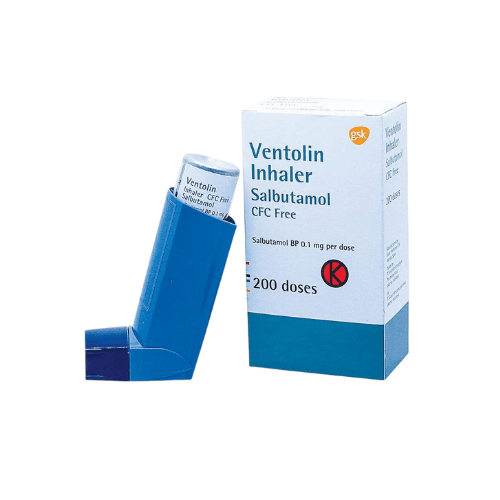
Ventolin HFA Inhaler
Ventolin HFA Inhaler Product Overview and Safety
Price:
$32.99
You save


Ventolin HFA Inhaler is a prescription rescue inhaler that contains albuterol sulfate, a short-acting bronchodilator. It is used for quick relief of bronchospasm and, in some cases, before exercise. This page summarizes practical label-based basics, including safety, handling, and when to talk with a clinician.
What Ventolin HFA Inhaler Is and How It Works
This medicine is a short-acting beta2-agonist, often called a rescue inhaler. It relaxes smooth muscle in the airways, which can open narrowed breathing tubes and reduce wheeze, chest tightness, and shortness of breath. The effect can begin within minutes, but the underlying inflammation that drives asthma is usually treated with other long-term medicines.
CanadianInsulin is a prescription referral service and may confirm prescription details with your prescriber. Some patients explore US shipping from Canada when local access is limited, depending on eligibility and jurisdiction. Inhaled albuterol is also known as salbutamol (another name used internationally), and it is delivered here as a metered-dose aerosol you inhale through the mouth.
The canister uses a propellant to deliver a measured spray (an “actuation”). Using correct technique helps medication reach the lungs instead of sticking in the mouth or throat. A spacer device may help some people coordinate inhalation, especially during symptoms or for children who have trouble timing the spray.
Dispensing and fulfillment are performed by licensed third-party pharmacies where permitted. Even with good technique, needing a rescue inhaler often can be a signal to review overall control, triggers, and the current care plan with a clinician.
Who It’s For
Albuterol HFA inhalers are commonly prescribed to relieve bronchospasm in people with reversible obstructive airway disease, including asthma, and may also be used for symptom relief in chronic obstructive pulmonary disease. Some labels also include prevention of exercise-induced bronchospasm. Indications and age cutoffs vary by product labeling, so the prescribed directions should match the specific inhaler provided.
If you are learning about your diagnosis, the browseable hubs for Asthma Condition Hub and COPD Condition Hub can help you compare common respiratory therapies and related supplies. A rescue inhaler is usually one part of a broader plan that may include trigger avoidance, monitoring, and controller medication for ongoing symptoms.
This medicine should not be used by anyone with known hypersensitivity (allergy) to albuterol or to components of the formulation. Extra caution is often needed in people with certain heart rhythm problems, uncontrolled high blood pressure, hyperthyroidism, diabetes, or seizure disorders, because beta-agonists can affect heart rate and metabolic balance.
For children, caregivers often need training on technique, dose tracking, and recognizing when symptoms are worsening. For older adults and people with cardiac disease, clinicians may pay closer attention to palpitations, chest discomfort, or tremor after use.
Dosage and Usage
Ventolin HFA is typically used as needed for acute symptoms, and some people use it before exercise if prescribed for exercise-induced bronchospasm prevention. The label for many albuterol HFA products commonly lists 1 to 2 inhalations at a time, with spacing between doses as directed. Do not change frequency or number of inhalations without prescriber guidance, since overuse can increase side effects and may signal poor disease control.
Technique matters as much as the written directions. Many people are instructed to shake the inhaler, breathe out fully, start a slow breath in, press the canister once, and continue inhaling steadily before holding the breath briefly. Waiting a short interval between puffs can improve delivery when more than one inhalation is prescribed. The Respiratory Product Category is a useful place to browse device types and see how metered-dose inhalers differ from other inhaled forms.
Quick tip: If the inhaler has been dropped or unused for a period, follow the package insert priming steps.
Many HFA inhalers have a dose counter. Use it as the primary way to monitor remaining doses, and plan for refills before the counter reaches zero. Avoid “test spraying” into the air as a routine habit, because it can waste doses and mislead the counter.
Strengths and Forms
Ventolin HFA is an HFA (hydrofluoroalkane) aerosol metered-dose inhaler. In many markets it delivers 90 mcg of albuterol per actuation (often described as 90 mcg base per puff), and it is commonly supplied as a canister with a set number of actuations. Exact labeling language can differ by jurisdiction, and availability may vary across pharmacies.
Device parts usually include the metal canister, a plastic actuator with mouthpiece, and a cap. The actuator is designed for that canister type, so mixing parts from different inhalers can affect dose delivery. For broader educational reading about respiratory medicines and devices, you can browse the Respiratory Articles Category for related guides as they are added.
| Feature | What to look for |
|---|---|
| Medication class | Short-acting beta2-agonist bronchodilator |
| Common strength | 90 mcg per actuation (check your label) |
| Form | HFA aerosol metered-dose inhaler |
| Dose tracking | Counter on many devices; follow insert instructions |
If a clinician recommends a spacer, it can be used with many metered-dose inhalers. Not all inhaled medicines use the same device type, so training should match the specific inhaler you were dispensed.
Storage and Travel Basics
Store the inhaler at room temperature and keep it away from extreme heat or freezing temperatures. HFA canisters are pressurized, so they should not be punctured, placed in fire, or stored in very hot environments such as a closed car. Keep the mouthpiece covered when not in use to reduce dust and debris.
Cleaning the actuator is a practical safety step. Many labels recommend removing the canister and rinsing or washing the plastic actuator periodically, then letting it air-dry fully before reassembly. Moisture left in the actuator can change spray characteristics, so let it dry completely. Always follow the specific package insert for your device.
For travel, keep prescription medicines in carry-on luggage when possible, along with the pharmacy label information. Temperature swings are a common issue in checked baggage and vehicle storage. While not inhaler-specific, the practical checklist in Travel With Zepbound includes general documentation and packing considerations that also apply to many prescription therapies.
If you notice weak spray, clogging, or an unusual taste, review the cleaning and priming steps before assuming the medication is ineffective. If the inhaler is damaged or the counter is near empty, a pharmacist can advise on replacement options based on local rules.
Side Effects and Safety
Like other short-acting beta-agonists, this medicine can cause stimulant-like side effects. Common effects may include tremor, nervousness, headache, throat irritation, cough, or a faster heartbeat. These effects are often dose-related and may be more noticeable when someone uses a rescue inhaler more frequently than usual.
Serious reactions are less common but require prompt medical evaluation. Ventolin HFA Inhaler can rarely cause paradoxical bronchospasm (breathing gets worse right after use), severe allergic reactions, chest pain, or significant changes in heart rhythm. Beta-agonists can also contribute to low potassium (hypokalemia) or raise blood glucose in some people, which can be important for those with diabetes or on certain diuretics.
Why it matters: Sudden worsening after a dose can be an emergency.
If symptoms are worsening, waking you at night, or the rescue inhaler seems less effective, clinicians often reassess triggers and controller therapy rather than simply increasing rescue use. Seek urgent care for severe shortness of breath, bluish lips, fainting, or severe chest pain.
Drug Interactions and Cautions
Tell your clinician and pharmacist about all prescription drugs, over-the-counter medicines, and supplements you use. Certain antidepressants, including monoamine oxidase inhibitors and tricyclic antidepressants, can increase the cardiovascular effects of beta-agonists when taken together or used close in time. Nonselective beta-blockers may reduce bronchodilation and can worsen bronchospasm in susceptible patients.
Other interactions are more situational. Diuretics can increase the risk of low potassium, and digoxin levels can be affected in some circumstances. Stimulants and decongestants may add to jitteriness or rapid heartbeat. If you are comparing how different drug classes work in the body, the overview in Common Diabetes Medications shows how mechanisms vary across conditions, even though the therapies discussed there are not respiratory drugs.
Medical history matters when weighing risks. Clinicians often use additional caution in people with coronary artery disease, arrhythmias, uncontrolled hypertension, hyperthyroidism, diabetes, or seizure disorders. If pregnancy or breastfeeding applies, discuss symptom control and medication safety with the treating clinician.
When reviewing dosing instructions for any prescription, it can help to see how label-based schedules are described in other drug guides. For example, Wegovy Doses Guide illustrates how specific timing rules can be, even though it covers a different medication type.
Compare With Alternatives
Rescue inhalers are not all identical, even when they contain similar medicines. Many people use a generic albuterol HFA inhaler, which has the same active ingredient but may differ in device feel, spray force, or counter design. Another short-acting option sometimes used is levalbuterol, which is a related molecule and may be chosen based on clinical preference, side effect profile, or formulary rules.
Device type can also change how the medicine is delivered. Dry powder inhalers require a strong, fast inhalation to pull medication in, while metered-dose inhalers rely on coordination with actuation (often helped by a spacer). If a clinician recommends switching device types, re-training is important because the steps differ.
For people needing frequent rescue use, clinicians often evaluate controller therapies such as inhaled corticosteroids or combination inhalers that include a long-acting bronchodilator. CanadianInsulin lists other inhaler types for comparison, such as Ventolin Diskus (a different delivery system) and Advair Diskus (a maintenance combination used in select patients). These are not interchangeable without prescriber direction.
When comparing options, focus on the role in the care plan (rescue versus maintenance), the device steps, and whether you can reliably use it during symptoms. A pharmacist can help review technique, and a clinician can align therapy with symptom patterns and lung function testing.
Pricing and Access
Access to prescription inhalers depends on several moving parts, including the written prescription, local dispensing rules, and coverage policies. Some plans treat certain brands as preferred, while others require prior authorization or step therapy. For people paying out of pocket or without insurance, the amount due can vary by product selection, pharmacy policies, and region.
CanadianInsulin coordinates prescription referral steps and may need to verify documentation before processing. Cross-border fulfilment options can depend on eligibility and local rules. In some situations, arrangements described as US delivery from Canada may be considered, but requirements can differ across jurisdictions and individual prescriptions.
Cash-pay considerations may include whether a generic is acceptable, whether a spacer is needed, and how often the inhaler is used in a typical month. It can also help to check whether the prescription specifies “dispense as written,” since that can limit substitutions. If you are reviewing site-wide informational updates, see Promotions Details for any standing programs or general notices that may apply.
Before any medication is dispensed, pharmacies typically require a valid prescription and patient identifiers, and they may contact the prescriber to clarify directions or quantity. Keep the carton and package insert so you can reference device-specific cleaning, priming, and counter instructions later.
Authoritative Sources
Prescribing information and full labeling are on DailyMed: DailyMed Drug Label Database.
Patient-friendly albuterol inhalation basics are summarized here: MedlinePlus Albuterol Inhalation.
General asthma management concepts are reviewed by NIH: NHLBI Asthma Information.
When temperature control is required, medications may be sent using prompt, express, cold-chain shipping.
This content is for informational purposes only and is not a substitute for professional medical advice.
Express Shipping - from $25.00
Shipping with this method takes 3-5 days
Prices:
- Dry-Packed Products $25.00
- Cold-Packed Products $35.00
Standard Shipping - $15.00
Shipping with this method takes 5-10 days
Prices:
- Dry-Packed Products $15.00
- Not available for Cold-Packed products
What is Ventolin HFA used for?
Ventolin HFA is a rescue inhaler used to quickly relieve bronchospasm, which can cause wheeze, chest tightness, and shortness of breath. It contains albuterol sulfate, a short-acting beta2-agonist bronchodilator. Some people are also prescribed albuterol before exercise to help prevent exercise-induced bronchospasm. It is not generally considered a long-term controller for airway inflammation. If rescue use becomes frequent or symptoms are changing, clinicians often reassess triggers and the overall asthma or COPD treatment plan.
How quickly does albuterol start working and how long does it last?
Inhaled albuterol often begins to open the airways within minutes, which is why it is commonly used as a rescue medication. The bronchodilator effect typically lasts several hours, but the exact duration can vary by person, severity of symptoms, and inhaler technique. If symptoms return sooner than expected or the inhaler seems less effective, that can be a sign of worsening disease control or incorrect device use. Follow the product label and discuss patterns of use with a clinician.
How can I tell when my inhaler is running low?
Many HFA inhalers include a built-in dose counter, which is the most reliable way to track remaining actuations. Check the counter regularly and keep a routine for planning refills before it reaches zero. Avoid using “test sprays” unless the label recommends priming, because it can waste doses and may confuse tracking. Do not rely on floating the canister in water, as this is not a dependable method and can damage the device. If the counter is missing or unclear, ask a pharmacist for device-specific guidance.
What side effects should I monitor with a rescue inhaler?
Common side effects of albuterol can include tremor, nervousness, headache, throat irritation, cough, and a faster heartbeat. These can be more noticeable with higher or more frequent use. Contact a clinician promptly for severe palpitations, chest pain, fainting, or if breathing gets worse immediately after a dose (paradoxical bronchospasm). People with heart rhythm conditions, hyperthyroidism, or diabetes may need closer monitoring. Keep a record of symptom episodes and inhaler use, since trends can help guide follow-up care.
Can I use Ventolin HFA with other inhalers for asthma or COPD?
Many people use a rescue inhaler alongside maintenance inhalers such as inhaled corticosteroids or combination therapies. The key is that different inhalers can have different roles (quick relief versus daily control) and different device steps. Using multiple inhalers can also increase the chance of mix-ups in technique or timing. Share an up-to-date medication list with your clinician and pharmacist, including over-the-counter products. If you are prescribed more than one inhaler, ask for a brief technique review for each device type.
What should I ask my clinician before starting or refilling a rescue inhaler?
Helpful questions include: what symptoms should trigger use, what frequency suggests poor control, and whether you should have an asthma action plan. Ask how to confirm correct technique, whether a spacer is recommended, and how to track remaining doses. Discuss medical history that may affect safety, such as arrhythmias, high blood pressure, thyroid disease, or diabetes. It is also reasonable to ask about interactions with antidepressants, beta-blockers, and decongestants. Finally, confirm when follow-up is recommended if symptoms change.
Rewards Program
Earn points on birthdays, product orders, reviews, friend referrals, and more! Enjoy your medication at unparalleled discounts while reaping rewards for every step you take with us.
You can read more about rewards here.
POINT VALUE
How to earn points
- 1Create an account and start earning.
- 2Earn points every time you shop or perform certain actions.
- 3Redeem points for exclusive discounts.
You Might Also Like
Select options
This product has multiple variants. The options may be chosen on the product page
Select options
This product has multiple variants. The options may be chosen on the product page
Select options
This product has multiple variants. The options may be chosen on the product page
Select options
This product has multiple variants. The options may be chosen on the product page
Related Articles
Type 2 Diabetes,
Oral Wegovy Explained: Facts, Risks, and Access Options
The phrase oral wegovy is best understood as a search term, not a settled product name. Most people use it to mean a pill version of semaglutide for weight management,…
Diabetes, General Health,
Glp-1 Drugs Over The Counter: What’s Real And What’s Not
Key Takeaways Prescription GLP-1 medicines are not sold as true OTC drugs. Many “GLP-1” supplements aim to support fullness, not mimic prescriptions. Online “no prescription” offers raise counterfeit and quality…
Diabetes, Type 2
GLP-1 Cost Without Insurance: Compare Cash-Pay Options
Key Takeaways Many people searching for glp-1 cost without insurance are trying to plan for a long-term expense. The total can change based on the drug, the pharmacy, and how…
Cardiovascular, Diabetes, Nephrology,
SGLT2 Inhibitors Drugs: Names, Uses, And Safety Notes
Key Takeaways They lower glucose by increasing urinary sugar loss. Common options include dapagliflozin, empagliflozin, canagliflozin, and ertugliflozin. Some products combine an SGLT2 inhibitor with metformin. Risks include dehydration and…