
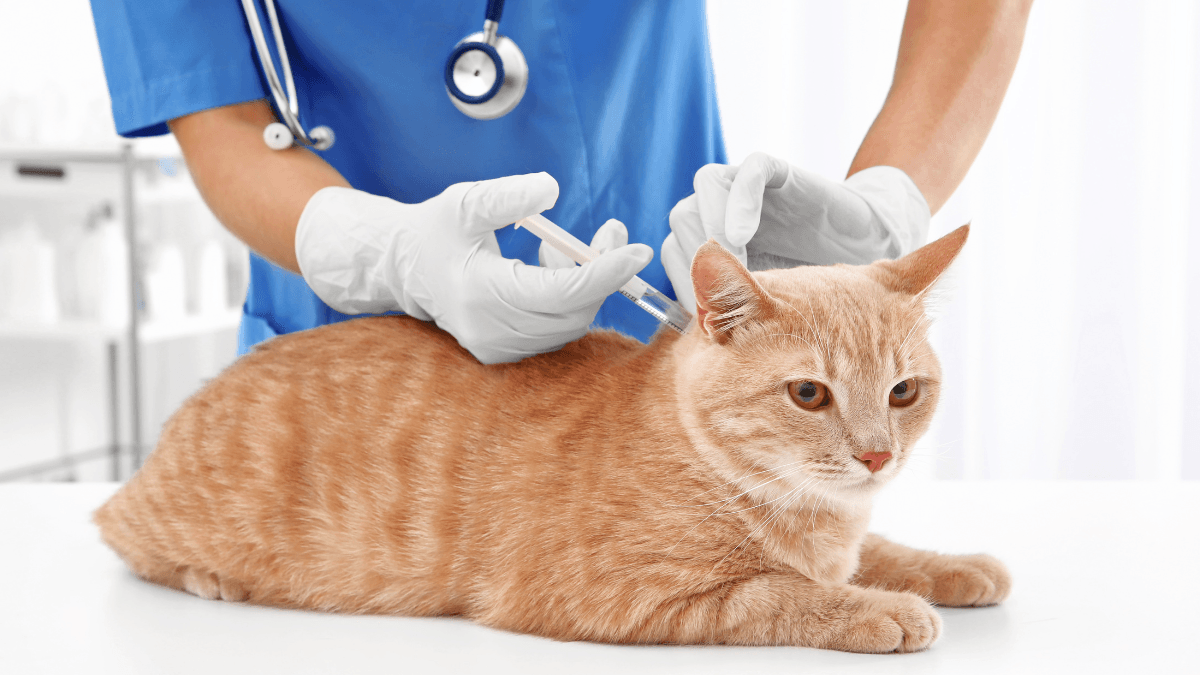
Baytril for cats refers to enrofloxacin, a fluoroquinolone (broad-spectrum antibiotic) used for difficult bacterial infections. This guide explains when injectable therapy is considered, how dosing is determined, and what safety checks matter. It also outlines monitoring steps and practical tips for risk reduction.
Key Takeaways
- When injections help: useful if cats cannot take oral medication.
- Dose by weight: accurate kilograms and renal status guide dosing.
- Watch safety: vision changes, seizures, and GI upset need attention.
- Antibiotic stewardship: culture results and narrow-spectrum choices reduce resistance.
What Baytril Injection Is and When It’s Used
Enrofloxacin is a concentration-dependent fluoroquinolone that targets gram-negative organisms and some gram-positives. Injection may be considered when oral tablets are refused, vomiting limits absorption, or rapid exposure is needed. Use Baytril Injection for labeled strengths and vial formats, and verify suitability for feline patients. Some uses in cats can be extra-label; follow your veterinarian’s plan and local regulations.
Clinicians often transition from injection to oral therapy once the cat stabilizes. Tablet options are useful for outpatient care; compare formulations using Baytril Tablets for oral dosing forms comparison across strengths. For a broader overview of drug class, the Baytril Antibiotic Guide explains common indications and typical treatment durations. In all cases, decisions should align with culture results, organ function, and concurrent medications.
Note: Use baytril injection for cats only under veterinary direction, and confirm injection route (subcutaneous or intramuscular) based on local tissue tolerance and labeling.
Baytril for Cats: When Injection Is Considered
Injections help when a cat resists pills or vomits persistently. Parenteral dosing also avoids first-pass reductions that sometimes affect oral bioavailability. Hospitalized cats with severe respiratory, urinary, or wound infections may benefit early, then transition to oral dosing at discharge. In some cases, injection provides steadier exposure during the initial 24–48 hours.
Route decisions consider tissue perfusion, hydration, and risk of local irritation. Subcutaneous injections may be favored for ease, while intramuscular dosing can be selected for specific pharmacokinetic needs. Whichever route is chosen, rotate sites to reduce discomfort and monitor for swelling or pain. If injectable access is limited, palatable oral alternatives can be planned.
Dosing Principles and Administration Technique
Weight-based dosing is standard. Clinicians calculate dose from current, accurate body weight in kilograms and factor in renal status. Practical calculations often reference enrofloxacin for cats dosage per kg to align exposure with infection severity and organism susceptibility. A dosing syringe matched to the prescribed concentration helps prevent decimal errors, especially with multi-strength stock.
Administration technique matters for safety and comfort. Warm the vial to room temperature, use a new needle for injection, and aspirate per clinic protocol. Inject slowly and massage the site if advised. After dosing, observe the cat for 15–30 minutes for discomfort or immediate reactions. If transitioning to oral therapy, document the time of the last injection to avoid overlap.
To compare inpatient injection with outpatient tablet plans, see Cephalexin Uses and Dosage for spectrum contrasts that influence step-down choices. Some cases may warrant broader or narrower coverage depending on culture results.
Safety Profile and Common Adverse Effects
Typical adverse reactions include gastrointestinal signs (vomiting, soft stools), reduced appetite, and injection-site irritation. Neurologic effects can occur, especially in animals with seizure histories or those on interacting drugs. Monitor closely for Cerenia for Pets guidance if nausea emerges during therapy and your clinician recommends antiemetic support. Most mild GI signs resolve as the cat adapts or when switching routes.
Clinicians and owners should be aware of enrofloxacin side effects that may appear during treatment. Prompt reporting enables dose evaluation or drug substitution when needed. For detailed class-based toxicology and pharmacology context, see the Merck Veterinary Manual, which summarizes fluoroquinolone risks across species. Always weigh benefits against risks, especially in seniors, kittens, and cats with concurrent disease.
High-Risk Situations: Retinal and Neurologic Concerns
Cats are uniquely sensitive to high exposures of fluoroquinolones. Visual disturbances, dilated pupils, or sudden difficulty navigating dim rooms warrant urgent evaluation. Although uncommon at conservative doses and appropriate durations, enrofloxacin toxicity in cats remains a key safety consideration. Risk appears higher with overdosing, drug interactions, or impaired elimination.
Consider comorbidities, such as kidney compromise or neurologic history, before initiating therapy. Avoid compounding errors and double-dosing when switching routes. If any vision change is suspected, stop the medication and contact your veterinary team promptly. Additional reading on alternative quinolones, such as Zeniquin (Marbofloxacin), can help frame class selection discussions when culture results permit a switch.
Monitoring, Interactions, and When to Call the Vet
Structured monitoring improves safety and outcomes. Track appetite, water intake, behavior, and stool consistency daily. Report new neurologic signs or pronounced lethargy immediately. Describing baytril side effects accurately—onset time, severity, and any triggers—helps your clinician separate drug effects from disease progression. Keep a medication log when multiple drugs are used.
Potential interactions include antacids or minerals that reduce oral absorption, NSAIDs that may lower seizure threshold in sensitive patients, and drugs eliminated by the kidneys. If switching from injection to tablets, your veterinarian may adjust timing to maintain therapeutic exposure. For broader context on beta-lactam alternatives and safety profiles, see Clavamox Safety for comparative adverse-event patterns.
Alternatives and Stewardship Considerations
Antimicrobial stewardship favors culture-directed therapy and the narrowest effective spectrum. Where feasible, obtain cytology and culture/susceptibility before initiating broad agents. Narrow therapy as soon as results are available and discontinue when clinical cure is achieved. This approach reduces resistance pressure and supports long-term effectiveness of critical antibiotics.
Review potential step-down or alternative agents with your clinician. For tetracycline-class context and common respiratory indications, the Doxycycline Guide provides practical contrasts. For broader learning, browse Infectious Disease Articles to understand how drug choice varies with diagnosis, host factors, and prior antibiotic exposure. Professional guidance documents, such as the AAHA/AAFP antimicrobial stewardship guidelines, outline best practices for companion animals.
Care in Multi-Pet Homes and Dogs
Households with both cats and dogs should prevent cross-dosing and pill sharing. Species, weight, and comorbidities change risks substantially. Be aware of side effect of enrofloxacin in dogs when both pets receive antimicrobials concurrently. Label each medication clearly and dose pets separately to avoid errors. Keep all drugs stored securely and track each animal’s schedule.
When step-down therapy is planned, discuss oral options and palatability. If dogs in the home receive cephalosporins or beta-lactams, that does not imply suitability for the cat. Compare oral options and pill size using Baytril Tablets for format details. For an overview piece that can frame conversations with your veterinary team, see the Baytril Antibiotic Guide.
Recap
Injectable enrofloxacin can help when oral dosing fails or rapid exposure is needed. Dose by accurate weight, monitor for neurologic or visual changes, and plan a timely transition to oral therapy when appropriate. Use culture results to narrow therapy, and document any adverse events to support safe adjustments.
Tip: Keep a one-page dosing and monitoring sheet. Note the injection time, site, appetite, stool, and any behavioral changes to share at recheck.
This content is for informational purposes only and is not a substitute for professional medical advice.


