Awiqli is a once-weekly basal insulin icodec product used as background insulin in diabetes care. It is not a mealtime insulin, and it does not remove the need for glucose monitoring, hypoglycemia planning, or careful injection technique. The main practical change is timing: one weekly dose can simplify a routine, but mistakes may affect several days.
This page explains the basics in plain language. It covers what insulin icodec is, how weekly basal insulin differs from daily basal insulin, what approval language means, and which safety questions to bring to a clinician.
Key Takeaways
- Weekly schedule: the dose is planned around a consistent weekly routine.
- Basal role: it provides background insulin, not meal coverage.
- Safety focus: hypoglycemia remains a major insulin risk.
- Switching plan: conversion and titration should follow the product label and clinician guidance.
- Technique matters: storage, pen use, and site rotation still affect results.
What Awiqli Is and Why Weekly Dosing Changes Planning
Awiqli is the brand name for insulin icodec, a long-acting basal insulin analog. Basal insulin helps manage glucose between meals and overnight. It differs from rapid-acting insulin, which is used for meals or corrections when prescribed.
Once-weekly basal insulin changes how people and clinicians review patterns. With daily basal insulin, small timing issues may be easier to see day by day. With a weekly product, the care team usually looks more closely at week-to-week glucose trends, missed-dose instructions, and whether the schedule is reliable.
Why it matters: A weekly insulin routine can reduce injection frequency, but planning errors may last longer.
The generic term can also appear in records as insulin icodec. Keeping a medication list helps prevent confusion. Include the brand name, generic name, pen type, basal or bolus role, and the usual injection day if your clinician has assigned one.
For broader context on insulin categories, see Basal Insulin Types. You can also compare background insulin concepts with Long-Acting Insulin Names.
How Insulin Icodec Works at a High Level
Insulin icodec is designed to remain active longer than daily basal insulins. It has molecular features that support prolonged circulation and gradual release. In practical terms, this allows a once-weekly dosing schedule when used according to the approved label.
A key term is steady state. Steady state means the point where repeated dosing leads to a more stable average drug level. Weekly medicines can take longer to reach that pattern than daily medicines. That is one reason clinicians may avoid rapid, frequent changes unless the label or clinical situation calls for it.
The mechanism of action is still insulin action. It helps cells use glucose and lowers glucose production by the liver. The difference is not that it is simply stronger. The difference is how long the insulin effect is designed to last.
Awiqli once weekly insulin should not be adjusted based on a single glucose reading unless your care plan specifically says so. Glucose patterns, symptoms, meals, exercise, other medications, illness, and missed doses all matter. If you use a continuous glucose monitor, weekly summary reports may help your clinician interpret the pattern.
Approval, Indications, and Who It May Fit
Regulatory approval tells you where a medicine can be marketed, for which population, and under which official label. It does not mean every person with diabetes is a candidate, and it does not replace an individual treatment plan.
People often search for Awiqli FDA approval, EMA information, or Canadian approval status because labeling can differ by country. For example, one region may specify adults with a certain diabetes type, while another may use broader or different wording. The safest approach is to check the label used where you receive care.
In Canada, insulin icodec has been reviewed for adults with diabetes mellitus to improve glycemic control. In the United States, current labeling should be checked directly because approval status and exact indication language can change. In Europe, the EMA product information is the key reference for approved use in that region.
For condition-level browsing, the Diabetes page groups diabetes-related options. You can also review separate browse pages for Type 1 Diabetes and Type 2 Diabetes.
Type 1 and Type 2 Diabetes Considerations
In type 1 diabetes, basal insulin is only one part of therapy. Most people also need rapid-acting insulin for meals and corrections. A weekly basal product would need careful coordination with the rest of the regimen, including sick-day and ketone guidance.
In type 2 diabetes, basal insulin may be used alone or with other glucose-lowering medicines. Some people also use mealtime insulin or non-insulin injectables. Your clinician will consider hypoglycemia risk, kidney function, meal patterns, injection skills, and recent glucose data before changing a basal insulin plan.
Safety Topics to Review Before and After Starting
Awiqli safety starts with the same core issue as other insulins: low blood sugar. Hypoglycemia can happen with missed meals, unexpected activity, alcohol use, dosing errors, or confusion between insulin pens. Symptoms may include sweating, shaking, hunger, dizziness, confusion, or weakness.
Severe hypoglycemia needs urgent help. Ask your care team whether you should carry a glucose source, whether glucagon is appropriate, and when another person should call emergency services. These plans are especially important if you live alone, drive, operate machinery, or have reduced low-glucose awareness.
Other possible insulin-related issues include injection-site reactions, allergic reactions, weight changes, swelling, and medication errors. Some symptoms overlap with high glucose or unrelated illness. Track timing, glucose readings, recent meals, activity, and any new medicines so your clinician can interpret the pattern.
Interactions can also matter. Other diabetes medicines may increase low-glucose risk when combined with insulin. Some medicines can raise glucose or change insulin needs. Do not stop or change medicines on your own; bring the full list, including supplements, to your appointment.
The How Often Adjust Insulin Dose page gives general education on why insulin changes usually depend on patterns rather than isolated numbers.
Using the Pen, Storing Insulin, and Tracking Patterns
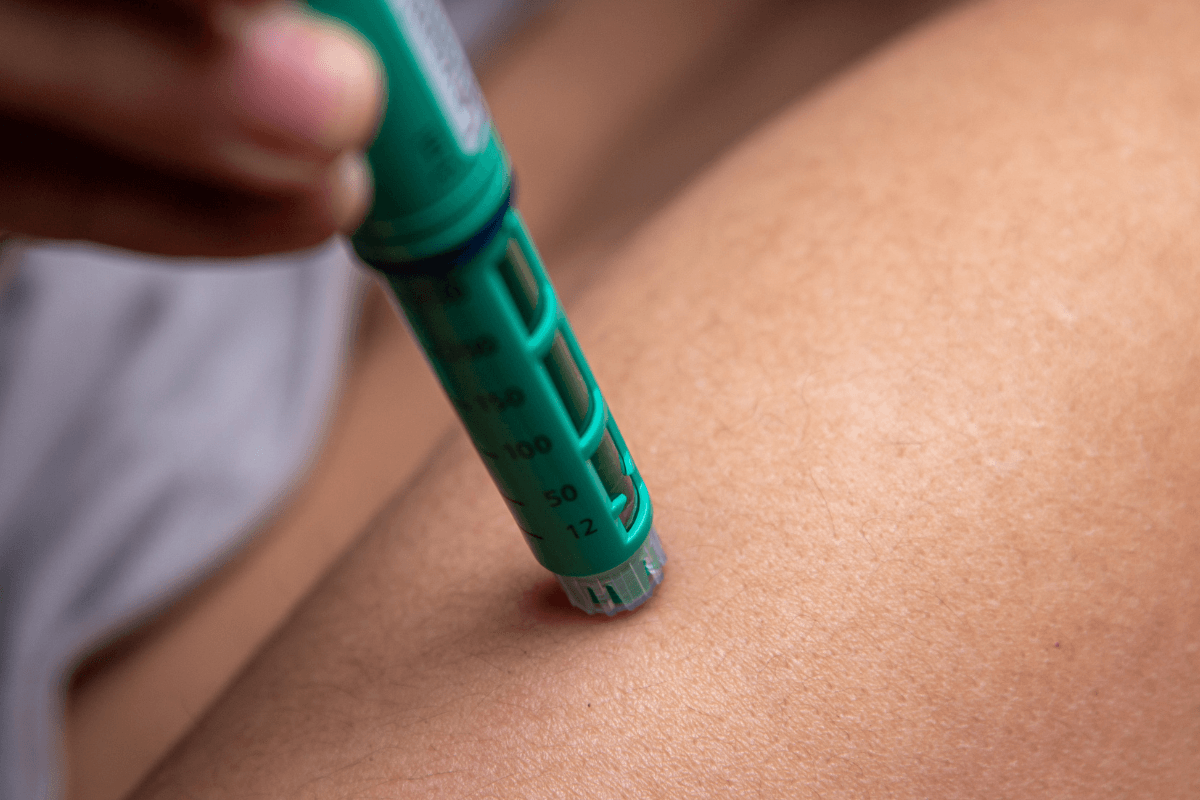
Pen technique still matters with weekly insulin. A lower injection count does not make technique less important. Use the pen and needle exactly as taught, follow priming instructions when required, and rotate injection sites to reduce lumpy tissue that can affect absorption.
Common injection areas may include the abdomen, thigh, or upper arm, depending on product instructions and clinician teaching. Avoid injecting repeatedly into the same small area. If an injection seems incomplete, if the pen malfunctions, or if you are unsure whether a full dose was delivered, contact your care team or pharmacy before taking extra insulin.
Storage rules are product-specific. In general, insulin should be protected from freezing, overheating, and direct sunlight. Unopened pens often require refrigeration, while in-use rules vary by product. Always follow the package insert for temperature limits and the allowed in-use period.
If your prescription specifies a weekly pen, the Awiqli FlexTouch Pen page can help you identify the product format. For general insulin delivery education, see Ways of Administering Insulin.
What to Track During the First Several Weeks
Tracking helps separate a medicine issue from a routine issue. Log the injection day and time, fasting readings, symptomatic lows, unusual meals, exercise changes, illness, and missed doses. If you use a CGM, save weekly reports and note sensor gaps.
Readers sometimes compare mmol/L and mg/dL when reviewing glucose reports from different sources. This converter can help with unit conversion only; it does not interpret whether a reading is safe for you.
Blood Glucose Unit Converter
Convert glucose readings between mg/dL and mmol/L without changing the clinical value.
These calculations are for education only and do not replace clinical advice, diagnosis, or treatment. Always confirm medical decisions with a qualified healthcare professional.
Quick tip: Set one reminder for injection day and another for supply checks.
Switching From Daily Basal Insulin: Questions to Ask
Switching to Awiqli dosing should be individualized and label-based. Do not use online dose examples to convert your own insulin. Clinicians usually consider current basal dose, recent glucose patterns, hypoglycemia history, kidney function, other medicines, and the reason for switching.
Bring practical questions to the visit. This helps your clinician give instructions that fit daily life, not just the prescription label.
- Switch reason: why weekly basal insulin fits your situation.
- Conversion method: how the starting plan is chosen.
- Titration schedule: when adjustments may be reviewed.
- Missed dose plan: exactly what the label says to do.
- Monitoring plan: SMBG or CGM expectations.
- Low glucose plan: prevention, rescue, and escalation steps.
- Travel plan: storage, time zones, and backup supplies.
If access logistics come up, CanadianInsulin.com functions as a prescription referral platform. When required, prescription details may be confirmed with the prescriber, while dispensing and fulfilment are handled by licensed third-party pharmacies where permitted. Some patients also ask about cash-pay options depending on eligibility and jurisdiction.
How Weekly Basal Insulin Compares With Daily Options
Awiqli vs Tresiba or Awiqli vs Lantus comparisons usually start with dosing frequency, but that is not the only difference. Daily basal insulins have different dosing routines, titration habits, and missed-dose instructions. A weekly product has a different planning rhythm.
No insulin is automatically best for everyone. The right comparison depends on your diabetes type, other medicines, low-glucose risk, schedule, monitoring tools, and comfort with the device. Product labels and clinician judgment matter more than simple rankings.
For product-format context, you can review Tresiba FlexTouch Pens and Lantus SoloStar Pens. These pages are useful for identifying formats, not for choosing a therapy without medical advice.
The broader Diabetes Product Category also shows how basal insulin may sit alongside supplies and other diabetes therapies. Use it as a navigation tool, not as a substitute for a treatment plan.
Authoritative Sources
Use official prescribing information and regulator-backed reviews for indication, contraindication, warning, and missed-dose details. These documents can be dense, but they are safer than social media summaries when instructions differ by country.
- FDA prescribing information for Awiqli
- EMA product information for Awiqli
- NCBI clinical review of insulin icodec
When sources disagree with your written plan, bring the exact document to your clinician. The difference may reflect country labeling, diabetes type, device instructions, or an individual safety concern.
Recap
Awiqli is a weekly basal insulin option that can simplify injection frequency, but it requires careful planning. The main safety themes are hypoglycemia prevention, correct pen technique, storage, missed-dose instructions, and pattern-based monitoring.
If you are preparing for an insulin discussion, review your recent readings, current medicines, hypoglycemia history, and weekly schedule. For extra background, Insulin Dosage Chart explains common insulin terms you may hear in clinic.
This content is for informational purposes only and is not a substitute for professional medical advice.