
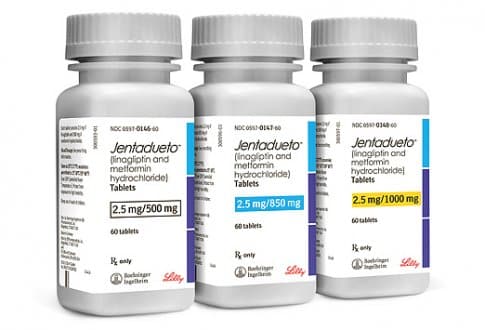
This guide explains jentadueto uses, dosing approaches, and safety basics in clear terms. It helps you discuss options with your healthcare professional and understand how this combination may fit your plan.
Key Takeaways
- Combination agent: linagliptin (DPP-4 inhibitor) plus metformin (biguanide).
- Used with diet and exercise in adults with type 2 diabetes.
- Immediate-release twice daily; XR once daily with a meal.
- Screen kidney function and B12; watch pancreatitis symptoms.
What Is Jentadueto? How It Works
Jentadueto combines linagliptin and metformin to help reduce blood glucose. Linagliptin is a dipeptidyl peptidase-4 inhibitor (DPP-4 inhibitor) that increases incretin hormones, which may improve insulin secretion and reduce glucagon. Metformin is a biguanide (insulin-sensitizer) that lowers hepatic glucose output and improves peripheral uptake.
This dual mechanism can help improve A1C when diet and exercise alone are not enough. For full clinical details, consult the official prescribing information on the DailyMed label, which provides composition, contraindications, and boxed warnings.
Jentadueto Uses in Type 2 Diabetes
The medication is indicated to improve glycemic control in adults with type 2 diabetes mellitus as an adjunct to diet and exercise. It is not approved for type 1 diabetes or for treating diabetic ketoacidosis. Clinicians may use it as initial combination therapy or as an add-on to existing regimens when additional control is needed.
Therapy choices are individualized. Combinations with insulin or sulfonylureas can increase hypoglycemia risk, so dosing of the companion agent may need adjustment. For broader therapy context, the American Diabetes Association’s Standards offer evidence-based guidance on pharmacologic management; see the latest Standards of Care for current recommendations.
Dosage and Administration
Your prescriber determines the jentadueto dosage based on current therapy and tolerability. Immediate-release tablets are typically taken twice daily with meals to reduce gastrointestinal effects. Providers often start at a lower metformin dose and titrate to minimize stomach upset. Never crush or split tablets unless directed by your professional.
Before starting, kidney function should be assessed, and existing metformin doses considered. If you already take metformin, the linagliptin component is usually added while continuing an equivalent metformin amount. When combining with insulin or a sulfonylurea, clinicians may reduce those agents to limit low blood sugar risk. Always follow prescriber directions and report side effects promptly.
Renal Assessment and Titration
Metformin exposure depends on kidney function, so eGFR informs initiation and continuation decisions. Clinicians generally avoid starting metformin-containing combinations when renal function is substantially reduced, and they reassess during intercurrent illness or dehydration. Doses are titrated in small steps to a tolerated maintenance dose while monitoring fasting and postprandial glucose. Practical safeguards include taking tablets with meals, limiting alcohol, and pausing metformin-containing therapy around iodinated contrast if advised. These steps help reduce lactic acidosis risk while achieving stable glycemic control.
Formulations and Strengths
Jentadueto immediate-release tablets combine a fixed linagliptin dose with several metformin strengths. Common pairings include 2.5/500 mg and 2.5/850 mg taken with meals. The higher-strength tablet, jentadueto 2.5 1000 mg, may be prescribed when metformin tolerance and kidney function allow. Your clinician selects a strength that aligns with your existing regimen and goals.
If you need a quick refresher on the available immediate-release strengths, see Jentadueto 2.5/500 mg and 2.5/850 mg for a concise overview of tablet pairings. Those strengths are often used when stepping up from lower metformin doses during titration.
Extended-Release Option (XR)
Jentadueto XR uses extended-release metformin to support once-daily dosing, usually with the evening meal. The XR formulation should be swallowed whole, not crushed or chewed. Available XR strengths commonly include 2.5/1000 mg and 5/1000 mg tablets, allowing clinicians to match incretin and metformin needs in one pill.
Some patients prefer XR because it may lessen gastrointestinal effects compared with immediate release. If you are comparing co-formulated XR options, reviewing Janumet XR options can help frame similarities and differences for discussion with your provider. Your clinician will determine the most practical XR dosing plan for your daily routine.
Safety Profile and Side Effects
Common jentadueto side effects include gastrointestinal symptoms such as nausea, diarrhea, and abdominal discomfort, largely related to metformin. Linagliptin may cause nasopharyngitis or cough in some patients. Rare but serious risks include pancreatitis and lactic acidosis. Stop the medication and seek medical care if you develop severe abdominal pain, marked weakness, rapid breathing, or unusual muscle pain.
Metformin can reduce vitamin B12 levels over time. If you develop fatigue, neuropathy symptoms, or anemia, speak with your clinician about testing. For more depth on potential reactions and when to act, review our detailed Jentadueto Side Effects guide, and for micronutrient considerations, see Diabetes Vitamin B12 Deficiency for why periodic monitoring matters. For authoritative labeling, consult the FDA-approved prescribing information.
Drug Interactions and Special Precautions
Discuss all medications you take, including insulin and sulfonylureas, as combined therapy may increase hypoglycemia risk. Alcohol can potentiate metformin’s effect on lactate metabolism, so clinicians often recommend limiting intake. Iodinated contrast procedures may require temporarily withholding metformin-containing products; your care team will advise how to manage around imaging appointments.
Renal impairment increases the risk of metformin accumulation, so eGFR-driven decisions are standard. Hepatic disease, dehydration, severe infection, and hypoxic states are red flags for lactic acidosis risk. For a broader view of how different agents interact within a regimen, see Common Diabetes Medications for mechanism summaries that support safer combinations. Always follow individualized instructions from your prescriber.
Cost, Savings, and Access
Out-of-pocket jentadueto price varies by strength, pharmacy, and benefit design. Manufacturer programs and a jentadueto savings card can sometimes reduce cost for eligible patients. You may also encounter a jentadueto coupon through third-party platforms; terms and eligibility differ widely.
Costs can change over time, and the 2.5/1000 mg tablet may be priced differently than lower strengths. If you are comparison shopping within a therapeutic class, exploring our Diabetes Medications category can provide context about formulations and tablet sizes. Your pharmacist can help estimate co-pays for your specific plan.
Comparisons and Alternatives
When considering combination therapies, jentadueto vs janumet often comes up. Both pair a DPP-4 inhibitor with metformin, but they use different gliptins and offer varied strength matrices. For a side-by-side overview, see Janumet vs Jentadueto to understand component differences and formulation choices.
If you are weighing an XR formulation, you may also compare Jentadueto XR with Janumet XR in terms of tablet strengths and dosing simplicity. Reviewing Janumet XR and the dedicated Janumet Dosage guide can clarify practical considerations. For DPP-4 class comparisons, Linagliptin vs Sitagliptin explains pharmacologic nuances you can discuss with your clinician.
Depending on your goals and comorbidities, other options may be appropriate. Metformin XR monotherapy is available as Glumetza for those prioritizing once-daily dosing, while SGLT2 combinations like Invokamet or single agents such as Dapagliflozin add complementary mechanisms. If you need further detail on linagliptin alone, see Tradjenta Linagliptin Uses to understand monotherapy applications.
Generic Status and Brand Facts
There is no widely available jentadueto generic in many markets at this time. Availability can change based on patent status and regional approvals. Your pharmacist can advise on current supply, equivalent combinations, or whether separate component prescribing is practical for your situation.
Clinicians may choose the branded co-formulation for simplicity and adherence. In other cases, prescribing components individually offers flexibility with dosing. If cost is a key concern, ask about therapeutic alternatives within the same class or whether metformin XR monotherapy could meet your goals.
Monitoring and Everyday Tips
Regular follow-up helps ensure safety and effectiveness. Your care team may track A1C, fasting glucose, eGFR, and vitamin B12 over time. If glucose targets are not met, dosing adjustments or therapy changes may follow. Any signs of pancreatitis or lactic acidosis require prompt reassessment. Keep an updated medication list to simplify interaction checks.
Take tablets with meals to reduce stomach upset and maintain a consistent schedule. If you miss a dose, take it when remembered unless it is near the next dose; never double up. To ground your monitoring plan in current evidence, your clinician may reference the ADA’s Standards of Care, which synthesize best practices for ongoing management.
Recap
This combination pairs incretin-based therapy with metformin to support glycemic control. With thoughtful dose selection, monitoring, and attention to risks, it can be a practical option within comprehensive type 2 diabetes care.
This content is for informational purposes only and is not a substitute for professional medical advice.


