
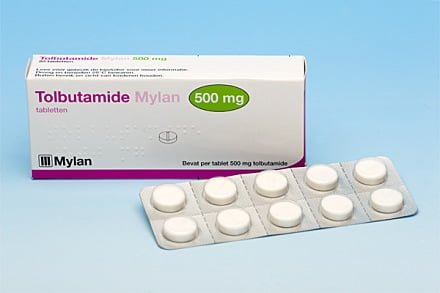
Tolbutamide is an older oral sulfonylurea used to help manage blood sugar in some adults with type 2 diabetes. This Tolbutamide: Side Effects, Indications, and Dosage Guide explains how it works, why low blood sugar is the main safety concern, and why dosing should be individualized by a prescriber. It is not a medication for type 1 diabetes or diabetic ketoacidosis.
Key Takeaways
- Tolbutamide helps the pancreas release more insulin.
- Hypoglycemia, or low blood sugar, is the key risk.
- Dose decisions depend on meals, glucose logs, age, and organ function.
- Alcohol, missed meals, and interacting medicines can raise safety concerns.
- Any dose change should be reviewed with a healthcare professional.
Tolbutamide: Side Effects, Indications, and Dosage Guide in Context
Tolbutamide belongs to sulfonylureas, a class of oral medicines that lower blood glucose by increasing insulin release. It is considered a first-generation sulfonylurea, so many clinicians now use newer diabetes medicines more often. Still, tolbutamide may appear in older medication histories, certain formularies, or treatment plans where a prescriber considers it appropriate.
The main reason to understand tolbutamide is safety. A medicine that increases insulin release can lower glucose too much, especially when meals are delayed, activity changes, or another diabetes medicine is added. This risk is why monitoring and clear instructions matter as much as the tablet itself.
CanadianInsulin.com functions as a prescription referral platform, not as your prescribing clinician.
For broader background on the condition, the Type 2 Diabetes hub offers related educational reading. The Diabetes condition hub can also help readers browse related diabetes product categories without treating any listing as medical advice.
How Tolbutamide Works in Type 2 Diabetes
Tolbutamide works by prompting pancreatic beta cells to release more insulin. Insulin is the hormone that helps move glucose from the bloodstream into cells for energy. If you want the broader physiology first, Function of Insulin explains the hormone’s role in plain language.
This mechanism means tolbutamide depends on remaining pancreatic insulin production. It does not replace insulin in people whose pancreas cannot make enough. That is one reason it is not used for type 1 diabetes, where insulin replacement is required.
Meals also matter. If a medicine pushes insulin release while food intake is lower than expected, blood sugar may fall. Exercise, weight changes, illness, and alcohol can also shift glucose patterns. Lifestyle factors that improve insulin response are covered separately in Insulin Sensitivity.
Why it matters: The same action that lowers glucose can also cause unsafe lows.
Indications, Contraindications, and Precautions
Tolbutamide may be indicated as an adjunct to diet and exercise for some adults with type 2 diabetes. In this setting, it helps lower elevated blood glucose when the body still produces insulin but does not use it effectively enough. It may be used alone or with other medicines when a prescriber decides the combination is appropriate.
A contraindication is a reason a medicine should not be used. Tolbutamide is generally not appropriate for type 1 diabetes or diabetic ketoacidosis, a dangerous buildup of acids called ketones. It may also be unsuitable for people with certain allergies, significant liver disease, significant kidney impairment, or conditions that make low blood sugar especially risky.
Precautions are situations where extra review is needed. Older adults, people with irregular meals, people who drink alcohol, and those using multiple glucose-lowering medicines may need closer monitoring. Pregnancy, breastfeeding, planned surgery, acute illness, and major diet changes should also be discussed with a healthcare professional.
- Meal pattern: missed meals can increase low glucose risk.
- Kidney or liver disease: medicine handling may change.
- Older age: hypoglycemia may be harder to recognize.
- Other diabetes drugs: combined effects may lower glucose further.
- Acute illness: appetite and glucose needs can shift quickly.
Side Effects: Common, Serious, and Low Blood Sugar
Tolbutamide side effects can range from mild digestive symptoms to serious hypoglycemia. Not everyone has side effects, but knowing the warning signs helps you respond sooner and report changes clearly.
Low blood sugar, or hypoglycemia, is the most important risk. Symptoms may include shakiness, sweating, hunger, headache, fast heartbeat, confusion, weakness, blurred vision, or unusual irritability. Severe lows can cause fainting, seizures, or inability to swallow safely. These symptoms need urgent attention.
| Issue | What it can look like | Why to mention it |
|---|---|---|
| Low blood sugar | Sweating, shaking, hunger, confusion, weakness | It can become dangerous if not treated promptly |
| Digestive symptoms | Nausea, upset stomach, fullness, or heartburn | Persistent symptoms may affect eating and glucose control |
| Skin reactions | Rash, itching, flushing, or sun sensitivity | Allergic or photosensitive reactions may need review |
| Weight change | Gradual weight gain in some people | Weight trends can affect diabetes planning |
| Rare serious changes | Yellow skin, dark urine, fever, sore throat, unusual bruising | These can signal liver, blood, or severe allergy concerns |
Call a healthcare professional promptly if side effects are persistent, worsening, or linked with poor food intake. Seek urgent care for severe confusion, fainting, breathing trouble, swelling of the face or throat, seizures, yellowing of the skin or eyes, or symptoms of severe low blood sugar.
Dosage: How Prescribers Individualize Treatment
Tolbutamide dosage is individualized, so an online dose range should not be treated as a personal target. Prescribers consider current glucose patterns, A1C, meal timing, age, other medicines, kidney and liver function, and prior hypoglycemia. The goal is to use a regimen that supports glucose control while limiting avoidable lows.
Tolbutamide is taken by mouth. Labels may describe once-daily or divided schedules, but the right plan depends on the person and the prescriber’s instructions. If a dose is missed, follow the directions on your prescription label or ask your clinician or pharmacist. Do not double a dose unless you were specifically told to do so.
Glucose records help clinicians judge whether a dose is too low, too high, or poorly matched to meals. Home testing supplies, such as Accu-Chek Aviva Test Strips, are examples of tools people may use as part of a monitoring plan. Your clinician can tell you how often to test and which readings matter most.
When required, prescription details may be checked with the prescriber.
- Before a change: review recent glucose readings.
- Before fasting: ask how meals affect your plan.
- Before new medicine: check for interaction risk.
- Before travel: clarify storage and missed-dose instructions.
- Before surgery: confirm temporary medication directions.
Interactions, Alcohol, and Monitoring Questions
Tolbutamide interactions can either increase low blood sugar risk or make glucose harder to control. Other diabetes medicines, some antibiotics, certain anti-inflammatory drugs, blood thinners, and many prescription or non-prescription products may affect safety. Steroids, some diuretics, and stress-dose medications may raise glucose in some people.
Alcohol deserves special caution. Drinking can make blood sugar patterns less predictable, especially if food intake is low. It may also make symptoms of hypoglycemia harder to notice. For a broader metabolic discussion, see Alcohol and Insulin Resistance.
Some medicines, including beta blockers, can mask typical low blood sugar symptoms such as tremor or fast heartbeat. That does not mean they cannot be used. It means the prescriber should understand the full medication list and monitoring plan.
Quick tip: Keep one updated medication list for every clinic and pharmacy visit.
How Tolbutamide Compares With Other Diabetes Options
Tolbutamide is one of several medication approaches for type 2 diabetes. It increases insulin release, while other classes work in different ways. The best fit depends on glucose goals, kidney function, heart and kidney history, hypoglycemia risk, weight considerations, tolerability, access, and patient preference.
Metformin is commonly discussed early in type 2 diabetes care because it reduces liver glucose production and improves insulin response. A product page such as Metformin can help readers recognize the medication name, but treatment choice still belongs with the prescriber.
Repaglinide is another oral medicine that stimulates insulin release, though it is not the same drug class schedule as tolbutamide. The Repaglinide page may be useful when comparing names on a medication list. SGLT2 inhibitors, such as Jardiance, work through the kidneys rather than by directly stimulating insulin release.
Some people also use GLP-1 receptor agonists, DPP-4 inhibitors, insulin, or combination therapy. These options have different monitoring needs and side effect profiles. The Diabetes Products hub is a browsing page for diabetes-related products and categories, not a substitute for clinical guidance.
Dispensing may be handled by licensed third-party pharmacies where permitted.
Practical Questions to Bring to Your Clinician
A short question list can make a tolbutamide visit more useful. Bring recent glucose readings, a medication list, meal patterns, alcohol intake, and any symptoms that might reflect low blood sugar. If you use supplements or over-the-counter medicines, include those too.
- Reason for use: why this medicine fits my plan.
- Dose instructions: when and how to take it.
- Low glucose plan: what symptoms require action.
- Monitoring plan: which readings should I report.
- Interaction review: which medicines or alcohol patterns matter.
- Stop or hold rules: what to do during illness or fasting.
Bring up cost or access concerns without changing your medication on your own. Some patients explore cash-pay options depending on eligibility and jurisdiction, but the clinical plan should remain coordinated with a licensed healthcare professional.
Authoritative Sources
The following references support general information about tolbutamide, sulfonylurea safety, and type 2 diabetes care. They should not replace individualized medical advice.
- MedlinePlus Tolbutamide Drug Information summarizes uses, precautions, and serious symptoms.
- DailyMed Tolbutamide Label Search provides label-backed prescribing documents.
- American Diabetes Association Type 2 Diabetes explains type 2 diabetes basics.
Putting the Information Together
Tolbutamide can still be relevant for some adults with type 2 diabetes, but its benefits and risks depend on the full clinical picture. The key issues are hypoglycemia risk, appropriate indications, careful dosing, interaction review, and ongoing glucose monitoring. If anything about your plan is unclear, ask your prescriber or pharmacist before changing how you take it.
This content is for informational purposes only and is not a substitute for professional medical advice.