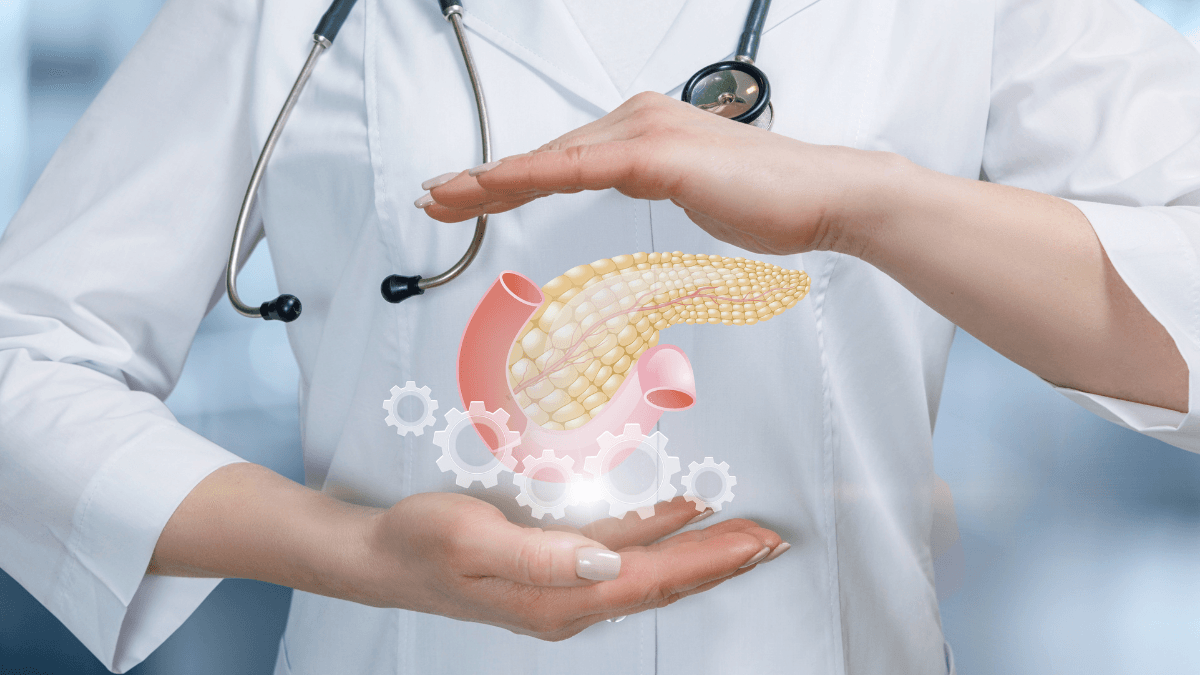
Insulin Function in the Body: Human Hormone Roles and Effects centers on one core idea: insulin helps move glucose from the bloodstream into cells and store extra energy after meals. This matters because weak insulin action can leave blood sugar high while muscle, fat, and liver cells handle fuel less effectively.
Key Takeaways
- Main role: Insulin supports glucose uptake and storage.
- Source: Pancreatic beta cells make and release insulin.
- Metabolism: Insulin affects carbohydrates, fats, and proteins.
- Counterbalance: Glucagon raises glucose when levels fall.
- Diabetes link: Supply, signaling, or both may change.
Understanding Insulin Function in the Body: Human Hormone Roles and Effects
Insulin is an anabolic hormone, meaning it helps the body build and store resources. Its best-known job is lowering blood glucose after food is digested. It also tells tissues when to store glycogen, make fat, and support protein synthesis.
The role of insulin in the human body is not limited to one organ. Muscle uses insulin signals to bring in glucose for energy or storage. Fat tissue responds by storing energy and reducing fat breakdown. The liver shifts away from making glucose and toward storing it as glycogen.
| Body area | Main insulin effect | Why it matters |
|---|---|---|
| Bloodstream | Helps lower circulating glucose | Supports steady energy availability |
| Skeletal muscle | Promotes glucose entry and glycogen storage | Helps fuel movement and recovery |
| Liver | Reduces glucose output and promotes glycogen formation | Limits excessive glucose release |
| Fat tissue | Supports fat storage and reduces fat breakdown | Coordinates energy reserves |
| Protein metabolism | Supports amino acid use and protein building | Helps maintain body tissues |
Why it matters: Insulin is a whole-body energy signal, not only a blood sugar switch.
What Insulin Does After Eating
After eating, insulin helps match incoming nutrients with the body’s storage and energy needs. Carbohydrates are broken into glucose, which enters the bloodstream. Rising glucose prompts pancreatic beta cells to release insulin so cells can respond quickly.
In skeletal muscle and fat tissue, insulin moves glucose transporters called GLUT4 to the cell surface. These transporters act like doorways that let glucose enter. In the liver, insulin does not simply push glucose through GLUT4. Instead, it changes enzyme activity so the liver stores more glucose as glycogen and releases less glucose into the blood.
Protein and fat handling also change after meals. Insulin supports amino acid uptake and protein synthesis in many tissues. It also encourages fat storage when energy intake exceeds immediate needs. These insulin metabolic effects help explain why the hormone is described as a storage and growth signal.
Clinicians can assess glucose handling in several ways. For example, an Oral Glucose Tolerance Test shows how blood glucose changes after a measured glucose drink. It does not measure every insulin pathway, but it can help place glucose regulation in context.
Pancreas and Beta Cells: Where the Hormone Comes From
The pancreas makes insulin in specialized beta cells within the islets of Langerhans. These islets are small endocrine clusters, meaning they release hormones directly into the bloodstream. Alpha cells in the same islets make glucagon, the hormone that often works in the opposite direction.
Readers often ask where insulin is produced because the answer explains much of diabetes physiology. For a focused anatomy review, see Where Insulin Is Produced. For the step-by-step hormone pathway, Insulin Synthesis And Secretion explains how beta cells build, store, and release insulin.
Beta cells release insulin in patterns. A first phase uses stored insulin granules soon after glucose rises. A second phase involves more sustained release when glucose remains elevated. Gut hormones called incretins, including GLP-1 and GIP, can amplify this meal-related response. For more on one incretin signal, review GLP-1.
Insulin is stored with zinc inside secretory granules. Once released, it circulates and binds to insulin receptors on target cells. Its effects then depend on the tissue, the receptor response, and the body’s current energy state.
How Insulin Signals Cells to Use and Store Fuel
Insulin works by binding to a receptor on the surface of target cells. That receptor acts as an enzyme-linked signal, specifically a receptor tyrosine kinase. Once activated, it starts a chain of intracellular messages that changes transporter movement, enzyme activity, and gene expression.
This signaling chain explains why insulin and glucose uptake are closely linked. In muscle and fat, receptor activation moves GLUT4 transporters to the membrane. In the liver, signaling changes metabolic pathways so glycogen storage rises and glucose production falls. For deeper pathway detail, see Insulin Signaling Pathways and Insulin Receptors.
Insulin’s structure also matters. The hormone has A and B chains connected by disulfide bonds. This shape allows reliable receptor binding and predictable biological activity. A closer molecular explanation is available in Insulin Chemical Structure.
When cells become less responsive to insulin, the pancreas may need to produce more insulin to get a similar effect. This pattern is called insulin resistance. It can affect blood glucose, fat metabolism, and the amount of insulin circulating after meals.
Insulin, Glucagon, and Blood Sugar Balance
Insulin and glucagon help keep blood glucose within a usable range. Insulin dominates after meals, when the body has incoming fuel to store. Glucagon becomes more important between meals, overnight, during fasting, or when blood glucose falls.
Glucagon signals the liver to break down glycogen and make new glucose. This helps protect the brain and other glucose-dependent tissues. Stress hormones can also raise glucose by encouraging liver glucose release, especially during illness, pain, poor sleep, or acute stress.
Low insulin action can cause blood glucose to rise. In people with very low insulin availability, the body may also increase fat breakdown and ketone production. This can become dangerous in some settings, especially when symptoms such as vomiting, dehydration, confusion, or rapid breathing appear.
High insulin levels can mean different things depending on the cause. In insulin resistance, the pancreas may release more insulin to compensate. With insulin medicines, too much insulin relative to food intake, activity, or other factors may contribute to hypoglycemia. A related overview, Reactive Hypoglycemia, explains one pattern of low glucose after eating.
Severe low blood glucose can require emergency help. Symptoms such as seizure, loss of consciousness, or inability to swallow safely need urgent attention. For safety context, Hypoglycemic Shock reviews warning signs and escalation concerns.
How Diabetes Changes Insulin Supply or Response
Diabetes involves a mismatch between insulin supply, insulin response, and blood glucose needs. In type 1 diabetes, the body produces little or no insulin because beta cells are damaged by an autoimmune process. In type 2 diabetes, insulin resistance is often central, and beta-cell output may decline over time.
This distinction matters, but real-world care can be more nuanced. Some people need insulin because the pancreas cannot make enough. Others may use non-insulin medicines that affect glucose production, kidney glucose loss, incretin signaling, or insulin release. For a broader comparison, see Type 1 Versus Type 2 Diabetes.
Some medications stimulate the pancreas to release more insulin. These are called insulin secretagogues. They are not the same as insulin itself, and they depend on remaining beta-cell function. For more detail on that medication class, review Insulin Secretagogues.
CanadianInsulin.com functions as a prescription referral platform, not a prescribing clinic.
Food choices also affect glucose patterns, but no single fruit reliably lowers A1c by itself. A1c reflects average glucose exposure over time. Overall eating patterns, activity, sleep, medications, and health conditions all contribute. Country-specific diabetes practices can also vary by guidelines, labels, and local availability, so imported advice should not replace clinician guidance.
Clinical Insulin Use: Timing, Safety, and Questions to Ask
When insulin is used as a medicine, the goal is to match insulin activity with glucose patterns. Basal insulin is intended to cover background needs, including liver glucose output between meals. Bolus or mealtime insulin is used to address carbohydrate intake and correction needs when prescribed.
No single blood sugar number automatically means every person requires insulin. Clinicians consider diabetes type, symptoms, glucose trends, A1c, pregnancy status, ketone risk, kidney function, other medicines, and hypoglycemia risk. They also consider whether high readings are persistent or linked to a temporary factor such as illness or steroid use.
Quick tip: Bring glucose logs, meal notes, and medication lists to diabetes appointments.
Questions worth discussing include how insulin timing relates to meals, what symptoms should trigger urgent care, and how activity may change glucose patterns. If technology is part of care, an Insulin Pump may be one option a clinician explains. Pumps are not appropriate for everyone, and training is important.
Where required, prescription details may be confirmed with the prescriber before fulfillment.
People using insulin should receive individualized education on hypoglycemia recognition, sick-day planning, storage, and device technique. This article cannot set a dose or adjust a regimen. Those decisions require a qualified clinician who knows the person’s full medical history.
From Natural Hormone to Insulin Medicines
Modern insulin medicines are designed to replace or supplement the body’s insulin signal. Many are made through recombinant DNA technology, where engineered organisms produce human insulin or insulin analogs. Manufacturers then purify, formulate, and test products for identity, strength, and stability.
Insulin analogs can be modified to change how quickly they start working or how long they last. These changes do not alter the basic concept of insulin hormone function. They change the practical profile used in clinical care. Product choice depends on the care plan, monitoring approach, and safety considerations.
Historically, animal-sourced insulin was used before recombinant human insulin became widely available. That history helps explain why structure and receptor binding are important. For background, see Human Insulin Vs Animal Insulin. For broader educational reading, the Diabetes Articles hub organizes related topics.
Authoritative Sources
- NIDDK Insulin and Glucagon explains how both hormones regulate blood glucose.
- ADA Standards of Care provides regularly updated clinical guidance for diabetes management.
- MedlinePlus Insulin in Blood reviews insulin testing and interpretation basics.
Further Reading
Insulin connects meal digestion, hormone signaling, and long-term glucose control. Understanding its main roles can make clinic discussions clearer, especially when reviewing glucose logs, medication options, or changing symptoms.
Next, consider reading about pancreatic insulin production, receptor signaling, or type 1 and type 2 diabetes differences. These topics add context without replacing individualized medical care.
This content is for informational purposes only and is not a substitute for professional medical advice.