
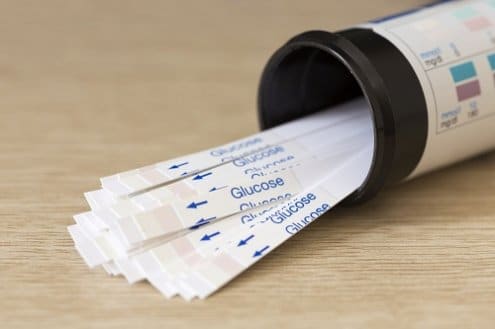
Keeping blood glucose readings reliable starts with proper strip technique. If you use diabetic test strips as part of home monitoring, small handling choices can change results. This guide explains how strips work, how to use them correctly, and how to store them safely. It also covers costs, retail options, and what to do when errors appear.
Key Takeaways
- Correct drop size and timing affect meter accuracy.
- Match strips to your meter model to avoid errors.
- Heat, humidity, and expired vials can skew results.
- Use control solution and repeat tests when readings seem off.
- Review costs and insurance to plan consistent testing.
How Test Strips Work and Why Technique Matters
Strips contain enzymes and electrodes that convert glucose into an electrical signal. Capillary channels pull a small blood drop into the reaction zone. The meter interprets electron flow and displays a reading in mg/dL or mmol/L. Technique matters because insufficient sample, contamination, or delayed insertion can weaken the signal and mislead the meter’s algorithm.
Different designs exist across glucose test strips, but common enzymes include glucose oxidase and GDH variants. Each design has strengths and potential interferences. For example, maltose can interfere with older GDH-PQQ systems. The U.S. Food and Drug Administration outlines expected performance for home systems; see the FDA guidance for home glucose meters for accuracy expectations and labeling details FDA guidance for home glucose meters. For broader targets used by clinicians, review the ADA Standards of Care on monitoring ADA Standards of Care.
To explore meter behavior and features, see a broader overview of device types in Glucose Monitors And Meters for feature comparisons and usage context.
Choosing Compatible Strips and Meters
Always use strips designed for your specific meter family. Mismatched products can cause persistent error codes or incorrect results. Many systems use digital coding or embedded chips to enforce compatibility. Check the meter manual, the vial label, and manufacturer lists before switching brands or models.
If you prefer a feature-rich system, consider Bluetooth connectivity, backlighting, and second-chance sampling. For example, Contour Next systems are known for tight accuracy ranges in independent studies. See device fit by reviewing the Contour Next Meter product page for meter–strip pairing notes. If you use Roche meters, review Accu-Chek Aviva Test Strips to confirm model compatibility and handling specifics.
Meter and Strip Chemistries
Meters rely on different enzyme systems and calibration approaches. Glucose oxidase measures oxygen-mediated reactions and may be sensitive to oxygen tension changes at high altitude. GDH-based systems may be less oxygen-sensitive but can be vulnerable to sugars from certain therapies. Manufacturers balance these trade-offs with signal filtering and algorithm updates. This is why switching brands without checking chemistry can alter readings in edge cases. Read your user guide and confirm your clinical targets with your care team before changing systems.
Step-by-Step: Using Strips Correctly
- Wash and dry hands thoroughly. Moisture or food residue can dilute the sample.
- Prepare the meter and insert a new strip. Wait for the meter’s prompt.
- Lance the side of a fingertip. Wipe away the first drop if advised by your program.
- Apply a small, steady drop to the strip edge. Do not smear across the surface.
- Hold until the meter signals it has enough blood. Avoid adding more blood afterward.
- Record the result with context, such as fasting or 2-hour post-meal. Note any symptoms.
- If the result seems unlikely, wash, retest, or use control solution. Consider meter errors or contamination.
For a quick refresher on meter basics, see Use Glucoemeter for step sequencing and common pitfalls. If finger discomfort is a barrier, review lancet depth settings in Delica Lancing Device to reduce pain and bruising.
Tip: Keep a small log of carb intake, exercise, and doses near your reading. Trends become easier to interpret when numbers have context.
Store and Handle Diabetic Test Strips Correctly
Heat, humidity, and air exposure can damage reagents. Keep vials closed immediately after removing one strip. Do not store in bathrooms or cars, where temperature and humidity swing. Avoid transferring strips to pill boxes or zipper bags; desiccants inside the original vial are calibrated to that container.
Check expiration dates and write the open date on each vial. Most opened vials are rated for several months, but always follow the label. If you suspect damage, run control solution tests before resuming testing. For packaging and handling examples, see Freestyle Lite Test Strips for manufacturer usage notes and typical storage ranges.
| Factor | Recommended Practice |
|---|---|
| Temperature | Store near room temperature; avoid heat or freezing. |
| Humidity | Close vials promptly; keep desiccant in place. |
| Light | Keep in the vial; avoid direct sunlight exposure. |
| Handling | Dry hands; handle strip edges only. |
| Expiration | Check dates; discard expired or compromised vials. |
Cost, Insurance, and Assistance
Sticker shock is common, and blood glucose test strips price varies widely by brand, quantity, and benefits. Plans may favor certain brands with lower copays. Mail-order options sometimes reduce costs for steady users. Always confirm your coverage and device compatibility before switching suppliers to save money.
Some manufacturer programs offer discounts, particularly for new meters with bundled starter vials. Community clinics may share resources for limited-income users. Category listings help compare formats and counts across brands—browse Diabetes for product families and indications to aid selection.
Retail and Brand Options
National chains, independent pharmacies, and big-box stores all stock common systems. Prices and stock vary by location. If you prefer in-person pickup, check current inventory before you run low. Some users source walmart glucose test strips specifically to match a store-brand meter; as always, confirm compatibility on the box.
When comparing long-running brands, look at meter memory, backlighting, and strip size. Supplies should be easy to open and use with limited dexterity. To see brand-specific consumables, compare OneTouch Ultra Test Strips for OneTouch meters and Bayer Contour Test Strips for Contour systems, which helps clarify model families.
Brand-Specific Notes: OneTouch and Others
Many clinics and educators are familiar with OneTouch systems, which makes support easier. If your clinic shares printouts or app exports, keeping brand continuity can simplify discussions. When switching, compare app features, data sharing, and sensitivity to small samples. The best choice balances convenience, accuracy, and insurance coverage.
Some patients look for one touch diabetic test strips to match older meters. Double-check the exact meter variant listed on the vial. Newer meter generations may require different strips than legacy models. If you are unsure, contact the manufacturer or review the meter’s user guide for exact pairings.
Troubleshooting Errors and When to Replace Your Meter
Unexpected results deserve a quick checklist. First, wash and dry hands, then retest with a new strip. Run a control solution test to confirm the vial and meter are functioning. Replace damaged strips, and inspect batteries and contacts. If errors persist, review the manual’s error codes and consider meter replacement.
Comprehensive kits can simplify supplies, but each blood sugar test kit still depends on proper handling. Meters typically last several years if kept clean and dry. Replace your device after physical damage, repeated unexplained errors, or if it no longer meets your data-sharing needs. For model-specific maintenance, see the Bayer Contour Meter overview and the Contour Next EZ Meter page for cleaning and battery guidance.
Recap and Next Steps
Reliable readings come from the right pairing, careful technique, and good storage. Choose a compatible meter–strip set and practice a consistent routine. Keep vials closed, track open dates, and verify odd readings with control solution. Review your plan for supplies to avoid gaps and last-minute substitutions. These habits reduce variability and help your care team interpret your data.
If you are exploring connected devices and accessories, review Diabetes Devices for an overview of pens, pumps, and meters. For a broader look at connected tools, see Pens Pumps And CGMs to understand how sensors and apps fit into glucose management.
Note: If a reading does not match your symptoms, follow your care plan and retest. Seek urgent care when severe highs or lows are suspected.
This content is for informational purposes only and is not a substitute for professional medical advice.


