
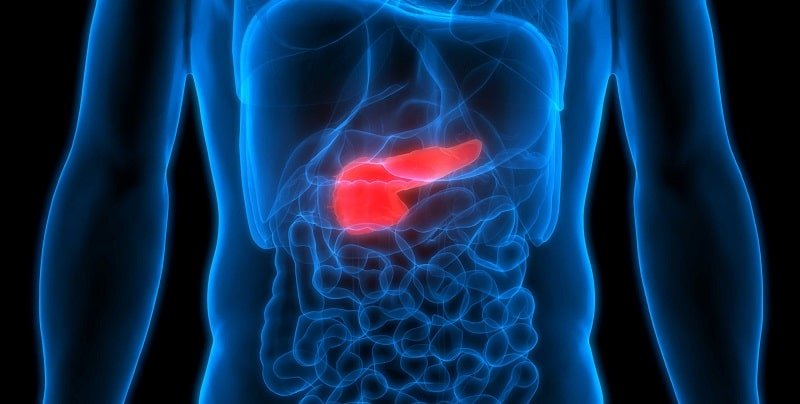
The link between pancreas and diabetes is direct: the pancreas makes hormones that keep blood glucose in range, and diabetes develops when those hormones are missing, insufficient, or not working well. The pancreas also digests food through enzyme-producing tissue. That is why autoimmune disease, insulin resistance, pancreatitis, pancreatic surgery, or other pancreatic damage can each affect blood sugar in different ways.
This distinction matters because not every high glucose pattern has the same cause. Type 1 diabetes, type 2 diabetes, and type 3c diabetes can overlap in symptoms, yet they often need different monitoring and treatment plans. A clinician may use glucose tests, A1C, C-peptide, autoantibodies, digestive symptoms, and pancreatic history to clarify the type.
Key Takeaways
- Pancreatic hormones control fasting and after-meal glucose.
- Type 1 diabetes usually reflects autoimmune beta-cell loss.
- Type 2 diabetes combines insulin resistance with beta-cell strain.
- Pancreatitis or surgery can lead to type 3c diabetes.
- New digestive symptoms with high glucose deserve medical review.
How the Pancreas Controls Blood Glucose
The pancreas controls blood glucose mainly through insulin and glucagon. Insulin moves glucose from the blood into muscle, fat, and other tissues. It also signals the liver to reduce glucose release. Glucagon works in the opposite direction. It helps the liver release stored glucose when levels fall too low.
These hormones come from endocrine islets, which are small hormone-producing clusters inside the pancreas. Beta cells produce insulin. Alpha cells produce glucagon. Other islet cells make hormones such as somatostatin and pancreatic polypeptide, which help fine-tune digestion and hormone release.
The pancreas also has an exocrine role. Exocrine tissue releases digestive enzymes into the small intestine. These enzymes help break down fat, protein, and carbohydrates. When pancreatic disease damages both endocrine and exocrine tissue, a person may have blood sugar changes and digestive symptoms at the same time.
Why it matters: Diabetes classification can change when pancreatic damage is part of the story.
For a deeper look at hormone function, see Insulin and Glucagon. For a broader body-system view, Diabetes and the Endocrine System explains how glucose control fits into endocrine signaling.
Type 1 and Type 2 Diabetes Affect the Pancreas Differently
Type 1 diabetes usually develops when the immune system attacks beta cells. As beta-cell function declines, the pancreas makes little or no insulin. This can cause glucose to rise quickly. Some people still make small amounts of insulin early on, but insulin production often falls over time.
Type 1 diabetes symptoms often appear over days or weeks. Common signs include frequent urination, intense thirst, fatigue, blurred vision, and unplanned weight loss. Nausea, vomiting, belly pain, fruity-smelling breath, or deep rapid breathing can signal diabetic ketoacidosis, a medical emergency.
Type 1 diabetes treatment centers on replacing insulin and monitoring glucose. Plans may include basal insulin, mealtime insulin, continuous glucose monitoring, and education about hypoglycemia. Treatment details should be individualized, especially during illness, pregnancy, changes in activity, or repeated high or low readings.
Type 2 diabetes usually starts with insulin resistance. The body’s tissues do not respond to insulin as strongly, so the pancreas works harder to produce more. Over time, beta cells may not keep up. This is why type 2 diabetes can involve both resistance and declining insulin secretion.
Type 2 diabetes symptoms are often gradual. Some people notice thirst, frequent urination, fatigue, recurrent infections, slow-healing cuts, tingling feet, or changing vision. Others have no symptoms and learn about high glucose through screening. Risk factors can include family history, age, visceral weight gain, low physical activity, sleep disruption, and certain medications.
Readers often ask whether the pancreas can start working again in type 2 diabetes. Beta-cell function may improve when glucose levels, weight, activity, sleep, and insulin resistance improve, especially earlier in the disease course. However, this is variable. It does not mean diabetes is cured or that medication changes are safe without medical supervision.
For background on where insulin comes from, see Which Organ Produces Insulin. If you want condition-focused browsing, the Diabetes Condition Hub lists related diabetes resources and products.
When Pancreatic Disease Causes Diabetes
Pancreatic disease can cause diabetes when it damages insulin-producing cells or disrupts hormone signaling. This form is often called type 3c diabetes or pancreatogenic diabetes. It can occur after chronic pancreatitis, severe acute pancreatitis, pancreatic surgery, cystic fibrosis, hemochromatosis, or other pancreatic disorders.
Type 3c diabetes is sometimes mistaken for type 2 diabetes because both can appear in adults. The clues often come from the history. Prior pancreatitis, pancreatic surgery, unexplained weight loss, oily stools, malabsorption, or low fat-soluble vitamin levels may point toward pancreatic diabetes rather than typical type 2 diabetes.
Type 3c diabetes symptoms can include common high-glucose symptoms such as thirst, frequent urination, fatigue, and blurry vision. Digestive symptoms may also appear if exocrine pancreatic insufficiency is present. These can include greasy stools, bloating, abdominal discomfort, weight loss, or difficulty maintaining nutrition.
Can acute pancreatitis cause diabetes? It can, especially after severe or recurrent episodes, although risk varies. Inflammation may injure islet cells and change pancreatic hormone function. Chronic pancreatitis carries a stronger long-term association because repeated inflammation can scar the gland and reduce both enzyme and hormone output.
Diagnosis usually combines history, laboratory testing, and sometimes imaging. A clinician may check fasting glucose, A1C, C-peptide, pancreatic enzymes, fecal elastase, nutritional markers, or autoimmune diabetes antibodies. No single test tells the whole story in every person.
For a focused comparison, see Type 3 and Type 3c Diabetes. For related pancreatic inflammation context, Diabetes and Pancreatitis reviews how these conditions can intersect.
Symptoms That Suggest the Pancreas Needs Attention
Pancreatic problems can cause digestive symptoms, glucose symptoms, or both. Symptoms do not prove the cause, but certain patterns should prompt medical review. Sudden severe upper abdominal pain, especially with vomiting or pain radiating to the back, may suggest acute pancreatitis and needs urgent evaluation.
High glucose symptoms include frequent urination, thirst, fatigue, blurred vision, and unplanned weight change. Low insulin states can also cause ketone buildup. Warning signs include nausea, vomiting, abdominal pain, confusion, deep breathing, or dehydration. These symptoms require urgent care, especially in someone with known diabetes or very high glucose readings.
Digestive clues may include greasy, floating stools, diarrhea, bloating, or unexplained weight loss. These symptoms can occur when pancreatic enzymes are low. When malabsorption and diabetes occur together, glucose patterns can become harder to predict because food absorption may vary from meal to meal.
New-onset diabetes in an older adult, rapid worsening of glucose without a clear explanation, jaundice, persistent abdominal pain, or unexplained weight loss should be discussed promptly with a clinician. These signs do not mean cancer is present, but they deserve careful evaluation because pancreatic disorders can sometimes change glucose control.
Testing and Monitoring After Pancreatitis
Monitoring pancreatitis blood sugar levels helps detect impaired glucose tolerance early. Clinicians may use fasting plasma glucose, A1C, or an oral glucose tolerance test. The choice depends on the person’s history, symptoms, timing after pancreatitis, and overall risk profile.
A1C reflects average glucose over roughly two to three months, but it can be misleading in some situations. Recent blood loss, anemia, kidney disease, pregnancy, or certain blood conditions may affect interpretation. Fasting glucose and home glucose readings can add context when symptoms and A1C do not match.
The calculator below can help convert between A1C and estimated average glucose for general understanding. It does not diagnose diabetes, confirm control, or replace clinician interpretation.
HbA1c & eAG Calculator
Convert between HbA1c percentage and estimated average glucose using the ADAG relationship.
These calculations are for education only and do not replace clinical advice, diagnosis, or treatment. Always confirm medical decisions with a qualified healthcare professional.
After acute pancreatitis, blood glucose may be high during illness because stress hormones rise. Some people later return to baseline, while others develop persistent dysglycemia. Chronic pancreatitis may create a more gradual decline in insulin production and digestion.
Quick tip: Bring glucose logs, weight changes, and digestive symptoms to follow-up visits.
Care Planning: Matching Treatment to the Cause
Treatment depends on why glucose is high. In type 1 diabetes, insulin is essential because the pancreas cannot make enough. In type 2 diabetes, care often targets insulin resistance, nutrition patterns, physical activity, weight-related factors, sleep, blood pressure, lipids, and medication selection. In type 3c diabetes, treatment may also address pancreatic enzyme deficiency and nutrition.
People with pancreatic diabetes may need careful hypoglycemia planning. Some have reduced glucagon response, variable food absorption, or lower insulin reserves. This can make glucose swings less predictable. Medication choices should account for pancreatic history, digestion, kidney function, weight trends, and risk of low blood sugar.
Food planning should be practical, not extreme. People with diabetes usually benefit from consistent carbohydrate awareness, adequate protein, fiber-rich foods, and attention to portions. Those with pancreatic enzyme deficiency may need specific nutrition guidance from a clinician or registered dietitian. Fat restriction, vitamin supplementation, or enzyme replacement should not be self-directed without review.
Readers also ask what foods people with diabetes should avoid. There is no universal banned-food list. Sugary drinks, large refined carbohydrate portions, and low-fiber meals can raise glucose quickly for many people. Alcohol deserves extra caution because it can affect glucose and increase pancreatitis risk in susceptible individuals. Individual glucose response, medications, kidney disease, gastroparesis, pregnancy, and eating disorder history can all change the safest plan.
Medication pages can help readers understand examples, but treatment decisions belong with a clinician. For product-specific background, see Metformin, Lantus Solostar Pens, or Glucagon Injection Kit. These pages are informational and should not be used to start, stop, or change therapy without professional guidance.
CanadianInsulin.com is a prescription referral platform, and prescription details may be confirmed with the prescriber where required. Dispensing and fulfilment are handled by licensed third-party pharmacies where permitted. This service context is separate from the medical decisions described in this article.
Complications and Risk Reduction
Persistent high glucose can affect blood vessels, nerves, kidneys, eyes, and the heart. Type 2 diabetes complications often develop silently over years, which makes routine monitoring important even when symptoms feel mild. Type 1 and type 3c diabetes can also cause long-term complications if glucose, blood pressure, and lipids remain outside target ranges.
Risk reduction usually involves more than glucose alone. Blood pressure control, lipid management, smoking cessation, kidney screening, eye exams, foot checks, vaccinations, and physical activity may all be part of care. Specific targets vary by age, medical history, pregnancy status, hypoglycemia risk, and other conditions.
For pancreatic health, avoiding heavy alcohol use and discussing recurrent abdominal pain early can reduce missed opportunities for diagnosis. People with chronic pancreatitis may need ongoing review for nutrition, bone health, vitamin status, pain, and glucose changes.
If you want broader educational reading, the Diabetes Articles collection groups related posts. The Diabetes Product Category also provides a browseable list of diabetes-related products.
Authoritative Sources
The NIDDK overview of diabetes symptoms and causes explains common symptoms, major diabetes types, and pancreatic causes of diabetes.
The NIDDK pancreatitis resource outlines acute and chronic pancreatitis, complications, and links with diabetes.
The ADA Standards of Care classification section provides diagnostic thresholds and classification principles used in clinical practice.
Recap
The pancreas and diabetes are connected through hormone production, digestion, and pancreatic structure. Type 1 diabetes reflects major insulin loss from autoimmune beta-cell injury. Type 2 diabetes reflects insulin resistance plus progressive beta-cell strain. Type 3c diabetes develops when pancreatic disease damages hormone-producing tissue, often alongside digestive problems.
Seek urgent medical evaluation for severe abdominal pain, repeated vomiting, deep rapid breathing, confusion, severe dehydration, or high glucose with ketone symptoms. For non-urgent concerns, bring glucose readings, A1C results, medication lists, digestive symptoms, and pancreatitis history to your next appointment.
This content is for informational purposes only and is not a substitute for professional medical advice.


