
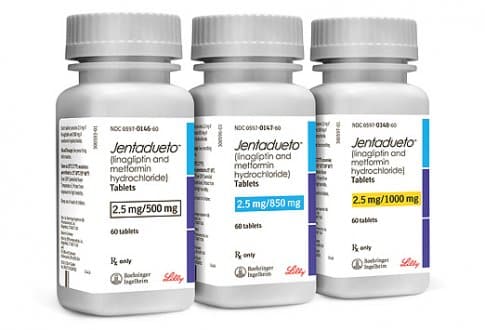
Jentadueto side effects are usually mild digestive or upper-respiratory symptoms, but rare reactions can be serious. This medicine combines linagliptin, a DPP-4 inhibitor, with metformin, a biguanide. That means side effects can come from either ingredient. Knowing the common patterns, the emergency warning signs, and the monitoring steps helps you have safer conversations with your clinician.
Key Takeaways
- Common effects: Diarrhea, nausea, gas, headache, stuffy nose, and sore throat may occur.
- Serious warnings: Lactic acidosis, pancreatitis, severe allergy, blistering skin, and severe joint pain need prompt evaluation.
- Kidney checks matter: Reduced kidney function can raise metformin-related risk and may affect suitability.
- Long-term monitoring: Vitamin B12, glucose patterns, and kidney labs are common review points.
- Combination context: Jentadueto is not the same as metformin alone because it also contains linagliptin.
Common Jentadueto Side Effects and Why They Happen
Most jentadueto side effects involve the stomach or mild infection-like symptoms. Metformin commonly causes diarrhea, nausea, gas, abdominal discomfort, heartburn, or reduced appetite, especially early in treatment. Linagliptin can contribute to stuffy or runny nose, sore throat, cough, headache, and occasional skin reactions.
These symptoms are often most noticeable when therapy starts or after a dose increase. Taking metformin-containing tablets with food can reduce stomach upset for some people. If symptoms continue, become severe, or cause dehydration, they deserve clinical review rather than being dismissed as routine.
The metformin linagliptin combination has a low risk of hypoglycemia (low blood sugar) when used without insulin or a sulfonylurea. That risk can change when other glucose-lowering medicines are added. Symptoms such as shakiness, sweating, confusion, hunger, or fast heartbeat should be checked against your glucose plan.
Quick tip: Keep a short symptom log with timing, meals, glucose readings, and new medicines.
For more context on each ingredient, see CanadianInsulin.com’s pages on Metformin and Tradjenta. These pages can help you recognize the difference between ingredient names and brand names.
Serious Reactions That Need Urgent Care
Serious reactions are uncommon, but they are the reason medication guides use strong warning language. Lactic acidosis is a rare but dangerous buildup of acid in the blood linked to metformin exposure in higher-risk situations. Symptoms can include unusual sleepiness, severe weakness, muscle pain, stomach pain, slow or irregular heartbeat, shortness of breath, feeling cold, or dizziness.
Pancreatitis (inflammation of the pancreas) is another important warning. It may cause sudden, persistent upper abdominal pain that can move toward the back, often with vomiting or feeling very unwell. Do not try to manage these symptoms by changing the dose on your own. Seek urgent medical assessment.
Severe allergic reactions can also occur. Warning signs include swelling of the face, lips, tongue, or throat; wheezing; trouble breathing; widespread rash; hives; or skin blistering. DPP-4 inhibitors have also been associated with severe joint pain and bullous pemphigoid, a blistering skin condition.
- Call emergency services: Trouble breathing, throat swelling, fainting, or blue skin.
- Seek same-day care: Severe abdominal pain, repeated vomiting, or dehydration.
- Contact your clinician: Persistent rash, intense joint pain, or worsening digestive symptoms.
- Review medicines: New diuretics, contrast imaging, alcohol use, or illness may change risk.
These warning signs are not meant to cause alarm. They help separate expected side effects from symptoms that need quick attention.
Kidney Function, B12, and Long-Term Monitoring
Kidney function is central to safe metformin use because the kidneys help clear metformin from the body. Reduced kidney function can increase the risk of lactic acidosis. Clinicians usually review kidney labs before starting treatment and repeat them periodically, especially in older adults or people with dehydration, heart failure, or kidney disease.
Searches about metformin side effects on kidney function can be confusing. Metformin is not usually described as directly damaging the kidneys. The concern is different: if kidney function is already reduced, metformin may accumulate. That distinction matters because it changes the monitoring conversation.
Linagliptin side effects involving kidney function are also a common concern. Linagliptin has less kidney elimination than some other DPP-4 inhibitors, but overall treatment decisions still depend on the full medical picture. Your clinician may consider kidney labs, other medicines, fluid status, age, and recent illness.
Long-term metformin use can lower vitamin B12 levels in some people. Low B12 may contribute to anemia, numbness, tingling, balance problems, or neuropathy-like symptoms. People with existing neuropathy, anemia, vegetarian diets, stomach surgery history, or long-term acid-suppressing medicine may need closer review.
Home glucose tracking can also help your care team interpret symptoms. Use the same units your clinic uses. If you need to compare mg/dL and mmol/L readings, this converter can help with unit conversion only; it does not interpret whether a reading is safe for you.
Blood Glucose Unit Converter
Convert glucose readings between mg/dL and mmol/L without changing the clinical value.
These calculations are for education only and do not replace clinical advice, diagnosis, or treatment. Always confirm medical decisions with a qualified healthcare professional.
For broader diabetes learning, the Type 2 Diabetes collection organizes related educational content. The Type 2 Diabetes Products page is a browseable condition list rather than medical guidance.
Who May Need Extra Caution
Some people have a higher chance of clinically important jentadueto side effects. Older adults may be more vulnerable because kidney function, hydration, and medication burden can change over time. A stomach virus, poor fluid intake, or a new blood pressure medicine can also alter risk.
People with heavy alcohol use need careful review because alcohol can increase lactic acidosis risk with metformin. Liver disease, severe infection, dehydration, low oxygen states, and some imaging procedures may also require a clinician’s input. Do not stop or restart medicine around procedures without medical direction.
A past history of pancreatitis deserves special discussion before using a DPP-4 inhibitor. So does a history of severe allergy to linagliptin, metformin, or similar medicines. Pregnancy, breastfeeding, frailty, eating disorders, and repeated low blood sugar episodes are also reasons to individualize the plan.
Jentadueto XR side effects are broadly related to the same two active ingredients. Extended-release metformin may be easier on the stomach for some people, but it does not remove the serious warnings. Availability, suitability, and formulation choice vary by patient and jurisdiction.
Why it matters: Risk often changes during illness, dehydration, medication changes, or kidney decline.
How It Compares With Metformin Alone and Janumet
Jentadueto is not the same as metformin alone. It contains metformin plus linagliptin, so it adds DPP-4 inhibitor effects and warnings to the metformin profile. Metformin alone mainly raises questions about digestive effects, B12 levels, and lactic acidosis risk in susceptible people.
Linagliptin works by increasing incretin signaling, which helps the body release insulin in a glucose-responsive way and reduce glucagon. Metformin mainly reduces glucose production by the liver and improves insulin sensitivity. The two mechanisms can complement each other, but suitability depends on individual health factors.
If you are comparing Jentadueto vs Janumet, the metformin component overlaps, while the DPP-4 ingredient differs. Jentadueto contains linagliptin. Janumet contains sitagliptin. Kidney considerations, prior tolerability, other medicines, and prescriber preference may influence which combination is discussed. For a deeper comparison, see Janumet vs Jentadueto.
People also ask which diabetes medicine has the fewest side effects. There is no single safest option for everyone. The answer depends on kidney function, heart and liver history, weight goals, hypoglycemia risk, cost, access, pregnancy status, and other medicines. Your clinician weighs benefits and risks across drug classes rather than choosing by side effects alone.
For mechanism and class context, DPP-4 Inhibitors explains the wider drug family. The Januvia Drug Class page also describes how DPP-4 inhibitors fit into blood sugar management.
Dosing Context Without Changing Your Plan
Jentadueto dosage is individualized, and side effects can vary with dose, formulation, meals, and prior metformin exposure. Some people notice more digestive symptoms after starting a metformin-containing product or increasing the metformin amount. Others tolerate the medicine without major issues.
Common searches such as metformin 500 mg side effects or Jentadueto 2.5/1000 mg side effects can be useful, but they do not replace a personalized review. The same strength can feel different depending on kidney function, meal pattern, hydration, age, and other drugs.
Do not split, crush, or change extended-release tablets unless your pharmacist or prescriber confirms it is appropriate. Extended-release designs can depend on the tablet staying intact. If a tablet is difficult to swallow or causes stomach symptoms, ask about formulation options rather than changing it yourself.
For administration and strength context, see Jentadueto Uses and Dosage. If you need to identify a specific listed product page, Jentadueto Tablets provides product navigation without replacing prescribing advice.
Practical Monitoring Questions to Bring to Appointments
A simple monitoring plan makes side effects easier to interpret. It also helps your clinician decide whether symptoms are medication-related, diabetes-related, or due to another condition. Bring recent lab results, glucose patterns, and a current medicine list when possible.
- Kidney labs: Ask how often eGFR or creatinine should be checked.
- B12 review: Ask whether long-term metformin use warrants testing.
- Digestive symptoms: Note timing, severity, meals, and hydration.
- Low glucose risk: Review insulin or sulfonylurea use if applicable.
- Procedure planning: Ask about imaging contrast, surgery, or fasting instructions.
- Alcohol intake: Discuss safe limits in the context of metformin.
- Skin or joint symptoms: Report blisters, rash, or severe joint pain promptly.
CanadianInsulin.com is a prescription referral platform, and prescription details may be confirmed with a prescriber when required. Dispensing and fulfilment are handled by licensed third-party pharmacies where permitted. This service context does not change the need for individualized medical guidance.
Authoritative Sources
For official label language on warnings, contraindications, and adverse reactions, review the current Jentadueto prescribing information.
The U.S. National Library of Medicine also publishes patient medication information through DailyMed’s Jentadueto Medication Guide.
For broader diabetes standards and patient safety topics, the American Diabetes Association offers educational resources for people living with diabetes.
Recap
Most jentadueto side effects are digestive or mild upper-respiratory symptoms. The serious risks are less common, but they require fast recognition. Watch for signs of lactic acidosis, pancreatitis, severe allergy, blistering skin, severe joint pain, dehydration, or repeated low blood sugar.
Monitoring is not just a formality. Kidney function, vitamin B12 status, glucose patterns, and medication changes all affect how safely linagliptin/metformin fits into care. Bring questions early, especially if symptoms are new, persistent, or severe.
This content is for informational purposes only and is not a substitute for professional medical advice.


