
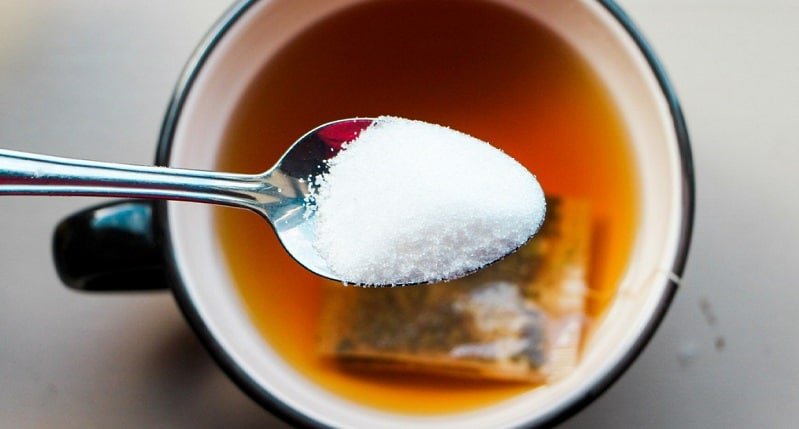
Sucralose and diabetes can fit together for some people because sucralose itself contains little to no usable carbohydrate and usually does not raise glucose the way table sugar does. That does not make every sucralose-sweetened product a free choice. The food or drink around it may still contain starch, fat, calories, or other sweeteners. Research on insulin response, gut bacteria, weight, and long-term metabolic effects remains mixed, so the safest approach is practical: read labels, watch your own glucose patterns, and use sweeteners as one part of an overall eating plan.
Key Takeaways
- Sucralose is a nonnutritive sweetener, not a carbohydrate like table sugar.
- Pure sucralose is unlikely to raise blood glucose directly, but packaged foods may still contain carbohydrates.
- Studies on insulin, appetite, gut bacteria, and weight are mixed, so personal response matters.
- Sugar-free labels do not always mean carb-free, calorie-free, or better for glucose control.
- Ask a clinician or registered dietitian for help if you have repeated highs or lows, pregnancy, kidney disease, gastroparesis, or medicines that can cause hypoglycemia.
How Sucralose and Diabetes Fit Together
Sucralose is a high-intensity, nonnutritive sweetener used in drinks, tabletop packets, protein products, desserts, and many reduced-sugar foods. It tastes sweet in very small amounts, so the sweetener itself adds little or no digestible carbohydrate. For people with diabetes, that matters because carbohydrate grams usually have the most direct effect on post-meal glucose.
The main issue in sucralose and diabetes is not just the sweetener. It is the full product. A diet drink sweetened with sucralose has a different glucose context than a cookie, granola bar, or frozen dessert that also contains flour, milk solids, fruit juice concentrate, or other carbohydrate sources.
Why it matters: A sweetener can reduce added sugar while the finished food still raises glucose.
Many people use sucralose to replace regular sugar in coffee, tea, or recipes. That can lower added sugar intake when it truly replaces sugar. It is less helpful if it encourages larger portions, more ultra-processed snacks, or less attention to total carbohydrate. For broader diabetes nutrition and medication context, the Diabetes Article Hub organizes related educational content.
Does Sucralose Raise Blood Sugar or Insulin?
Pure sucralose is unlikely to raise blood sugar directly because it is not used by the body like sucrose, glucose, or fructose. However, the real-world answer depends on the product, the portion, and the person. Some packets use tiny amounts of bulking ingredients, and many packaged foods combine sucralose with other ingredients that can affect glucose.
Insulin questions are more complex. Some small studies have found changes in insulin response or insulin sensitivity after sucralose exposure, while others have not shown the same effect. Differences in study design, body weight, usual sweetener intake, gut microbiome, meal timing, and testing method may explain some of the variation. At this point, it is not accurate to say sucralose always spikes insulin or always has no metabolic effect.
If you use a glucose meter or continuous glucose monitor, your own pattern may be more useful than a general claim. Compare similar meals, similar portions, and similar timing. Avoid changing medicines, skipping meals, or deliberately provoking high or low glucose just to test a sweetener.
The glucose converter can help when you need to compare readings reported in mg/dL and mmol/L. It is a unit tool only and does not interpret whether a number is safe for you.
Blood Glucose Unit Converter
Convert glucose readings between mg/dL and mmol/L without changing the clinical value.
These calculations are for education only and do not replace clinical advice, diagnosis, or treatment. Always confirm medical decisions with a qualified healthcare professional.
One unusual reading does not prove that sucralose caused it. Glucose can shift with stress, poor sleep, illness, exercise, menstrual cycle changes, alcohol, meal fat content, and medication timing. If insulin resistance is a major concern, the broader lifestyle and medication picture usually matters more than one sweetener. You can read more about that wider context in Improving Insulin Sensitivity.
Safety, Side Effects, and Daily Intake
Regulators have reviewed sucralose as a food additive and set acceptable daily intake concepts for high-intensity sweeteners. Those limits are designed for population-level safety, not as a personal nutrition target. Staying below a regulatory limit also does not mean a sweetener is the best choice for every person, every day, or every health goal.
Potential sucralose side effects are usually discussed in practical terms. Some people report bloating, gas, loose stools, nausea, or headache after certain sweetened products. These symptoms may come from sucralose, from sugar alcohols, from caffeine, from other additives, or from the total food pattern. If symptoms repeat after the same product and improve when you stop it, that pattern is worth discussing with a healthcare professional.
Research on gut bacteria and insulin sensitivity is still developing. Some studies suggest possible changes after repeated use of non-sugar sweeteners, including sucralose. Other research finds little short-term effect. These findings do not support panic, but they do support moderation and label awareness, especially when sweeteners appear in many daily foods and drinks.
Serious reactions appear uncommon, but urgent symptoms need urgent care. Seek medical help promptly for trouble breathing, swelling of the lips or throat, fainting, severe abdominal pain, confusion, or symptoms of severe hypoglycemia. If you use insulin or a medicine that can cause low blood sugar, changing carbohydrate intake may change your risk pattern. Do not adjust prescribed medicines because of a sweetener choice unless your prescriber tells you to.
Some people may choose to avoid or limit sucralose. This includes people who notice repeat symptoms after using it, people advised to restrict certain additives, and people who find that very sweet foods increase cravings or make portions harder to manage. If weight and insulin resistance overlap, Insulin Resistance and Weight Gain may help explain the larger metabolic context.
Sugar Substitutes, Natural Sugars, and Trade-Offs
There is no single safest sweetener for every person with diabetes. The better question is what the sweetener replaces, how often you use it, and what happens to your overall eating pattern. A product that helps one person reduce sugary drinks may make another person crave more sweet foods.
| Option | Blood Sugar Context | Main Caution |
|---|---|---|
| Sucralose | Usually contributes little or no digestible carbohydrate by itself. | Finished foods may still contain carbs, calories, or other additives. |
| Table sugar, honey, maple syrup, or agave | Contains digestible carbohydrate and can raise glucose. | Natural does not mean blood-sugar neutral. |
| Stevia or monk fruit products | Often low in carbohydrate, depending on the blend. | Some blends include fillers or other sweeteners. |
| Sugar alcohols | May have a smaller glucose effect than sugar, but effects vary. | Can cause gas, bloating, or diarrhea, especially in larger amounts. |
| Regular sweetened drinks | Liquid sugar can raise glucose quickly for many people. | Portions are easy to underestimate. |
If the immediate goal is lowering added sugar, replacing regular soda or sweet tea with a no-sugar option may reduce carbohydrate intake. If the long-term goal is appetite control, weight management, or fewer cravings, the answer may be different. For some people, gradually shifting toward less-sweet drinks works better than swapping every sugary item for an intensely sweet alternative.
The question of sugar versus artificial sweeteners is not a simple worse-or-better comparison. Sugar has a direct carbohydrate load. Non-sugar sweeteners can reduce that load, but they do not automatically improve diet quality. If weight is part of your care plan, Diabetes Weight Loss covers broader factors that go beyond sweetener choice.
Practical Choices for Drinks, Foods, and Labels
In sucralose and diabetes, labels often matter more than marketing words. Sugar-free, no added sugar, reduced sugar, and keto-friendly can mean different things. Some products still contain flour, starch, milk sugar, fruit ingredients, or sugar alcohols. Others may have few carbohydrates but still be highly processed or easy to overconsume.
- Total carbohydrate: Check grams per serving, not only sugar grams.
- Serving size: Compare the label serving with your usual portion.
- Added sugars: Look for sugar, syrups, juice concentrates, and similar ingredients.
- Blended sweeteners: Watch for dextrose, maltodextrin, sugar alcohols, or multiple sweeteners.
- Meal context: Protein, fiber, fat, and activity can change glucose response.
- Medication timing: Ask before changing carbs if your medicine can cause lows.
Drinks are a common place to start because liquid sugar can add up quickly. Many people with diabetes limit regular soda, sweetened iced tea, sweet coffee drinks, energy drinks, sports drinks, and large servings of juice. Water, plain sparkling water, unsweetened tea, or coffee without added sugar are often simpler choices. A sucralose-sweetened drink may be useful for some people, but it should not be the only strategy for hydration or glucose management.
Packaged foods need a closer look. A sucralose-sweetened yogurt, bar, dessert, or cereal may still have enough carbohydrate to affect post-meal glucose. If you use continuous glucose monitoring, trends after common meals can help you spot products that do not match their health claims.
For people with type 2 diabetes, food choices also sit beside sleep, activity, stress, weight changes, and medications. The Type 2 Diabetes Articles hub collects related educational pages if you want to explore that wider care picture.
When to Review Sweetener Choices With Your Care Team
Most people do not need a medical visit just because they use sucralose in modest amounts. Review is more important when sweeteners are part of a larger change in eating, weight, glucose readings, or symptoms. A registered dietitian can help translate labels into meal choices that fit your carbohydrate targets and food preferences.
It is especially reasonable to ask for guidance if you have repeated high or low glucose readings, pregnancy, kidney disease, gastroparesis, a history of disordered eating, unexplained digestive symptoms, or a recent medication change. People using insulin or sulfonylureas should be careful with sudden carbohydrate reductions because low glucose risk can change.
Stress can also make glucose patterns harder to interpret. If your readings shift during work pressure, poor sleep, illness, or major life events, sweeteners may not be the main driver. The article Stress and Diabetes explains why glucose can change even when food choices look consistent.
Weight-related goals need the same caution. Sucralose does not add meaningful calories by itself, but it does not guarantee weight loss. Total intake, appetite, activity, sleep, medicines, and health conditions all matter. For a broader look at this overlap, see Obesity and Type 2 Diabetes.
A Balanced Way to Use Sucralose
A balanced view of sucralose and diabetes is less about finding a perfect sweetener and more about reducing confusion. If sucralose helps you replace sugar in a drink you use often, it may support lower added sugar intake. If it leads to more sweet snacks, digestive symptoms, or less attention to carbohydrate labels, it may not be helping.
Quick tip: Compare the whole nutrition label before judging a product by its sweetener.
Some people prefer a gradual taste shift. This might mean using less sweetener over time, choosing unsweetened drinks more often, or saving sweet foods for planned portions. Others may use sucralose occasionally while focusing on fiber-rich carbohydrates, protein, healthy fats, and consistent meals. Both approaches can be reasonable when they fit your glucose plan and do not replace professional care.
Authoritative Sources
- FDA guidance on high-intensity sweeteners summarizes regulatory review and acceptable daily intake concepts for approved sweeteners.
- Diabetes UK on sugar and sweeteners explains practical carbohydrate and sugar-substitute choices for people living with diabetes.
- WHO guidance on non-sugar sweeteners discusses why sweeteners should not be treated as a weight-control shortcut for the general population.
This content is for informational purposes only and is not a substitute for professional medical advice.


