
Please note: a valid prescription is required for all prescription medication.
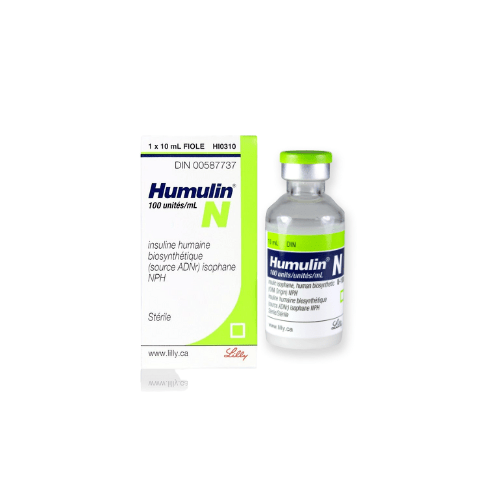
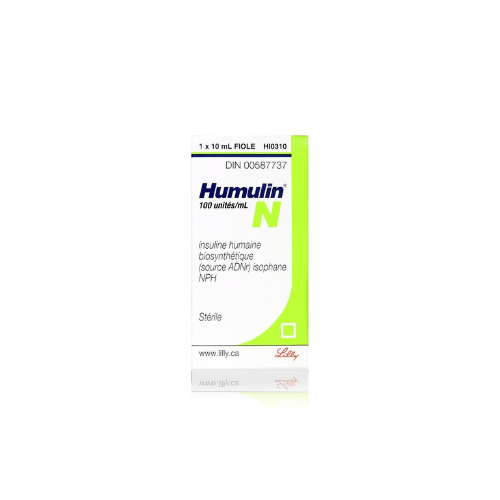
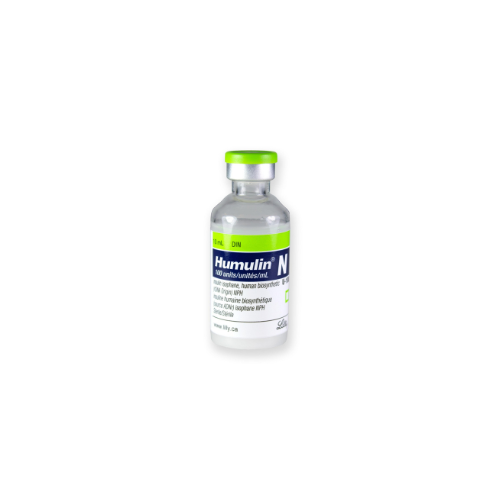
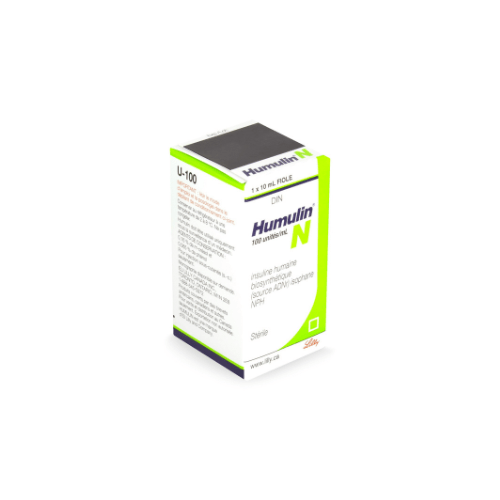
Humulin N Vial
Buy Humulin N Vial Online
Also available for your pet.


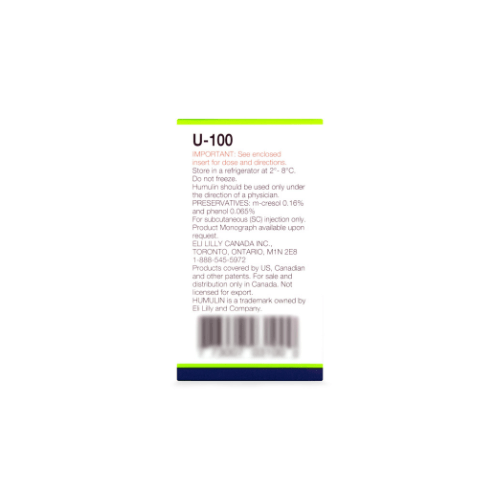
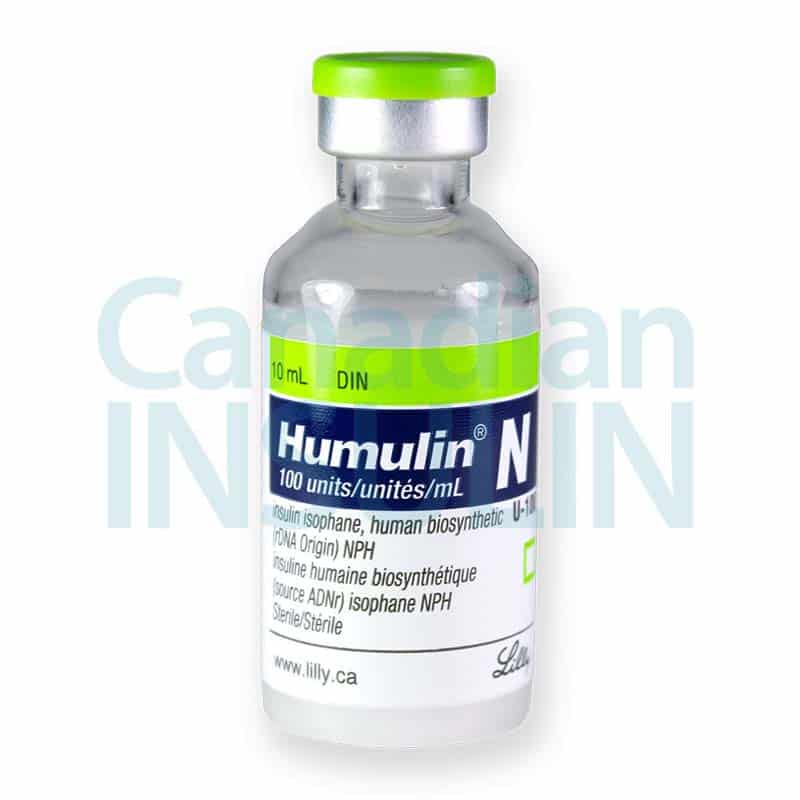
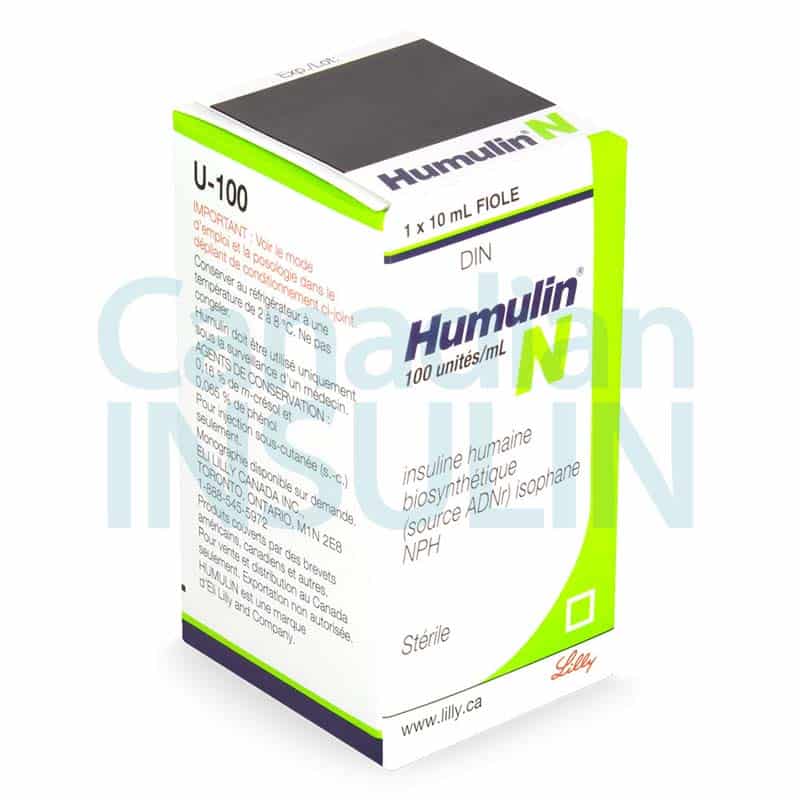
Humulin N Vial is an insulin isophane human injectable suspension, also called NPH insulin. It can be bought online in the vial form shown during ordering, including the 100 units/mL vial presentation when available, and the strength and quantity should match the directions from your healthcare professional. This intermediate-acting insulin is used as part of an individualized diabetes plan to help control blood glucose over a longer window than mealtime insulin.
The vial format is drawn up with a compatible U-100 insulin syringe and needle. Humulin N is not a prefilled pen, cartridge, rapid-acting insulin, or long-acting insulin glargine product, so matching the name, concentration, form, and quantity is important before checkout. If you are arranging US shipping from Canada, confirm the vial count, storage needs, and contact information carefully because insulin is temperature-sensitive.
Humulin N Vial Price and Quantity Details
The Humulin N Vial price depends on the vial strength, total volume, number of vials, and current cash-pay amount shown during ordering. A Humulin N 100 units/mL vial is commonly described as U-100 insulin, meaning each mL contains 100 units of insulin. A 10 mL vial contains 1,000 total units.
When evaluating Humulin N Vial cost, compare the exact insulin NPH vial rather than a pen, cartridge, different brand, or different insulin class. A higher total may simply reflect more vials in the cart, not a change in the daily dose. Keep the quantity aligned with your clinical plan and avoid stretching insulin use to fit a purchase amount.
- Insulin type: NPH, also known as insulin isophane human.
- Concentration: U-100, equal to 100 units per mL.
- Common vial size: 10 mL, containing 1,000 total units.
- Form: Injectable suspension supplied in a multiple-dose vial.
- Supplies: Use compatible U-100 insulin syringes and needles.
Quick tip: Match the vial label, concentration, and total quantity to your written treatment directions before completing the purchase.
How to Order the Vial Online
Start with the Humulin N insulin vial strength and quantity available during ordering. Enter the customer, contact, and shipping details accurately so any order questions can be handled without unnecessary delay. For temperature-sensitive medicines, correct address and contact information are especially important.
Review the medicine name closely. Humulin N is intermediate-acting NPH insulin, while similarly named insulins may work at different times or be used for different roles in therapy. Do not substitute another insulin type, concentration, or delivery device unless your clinician changes the treatment plan.
Cash-pay customers often compare Humulin N price from Canada against local insulin expenses, but the safest comparison is always like for like: same active ingredient, same U-100 concentration, same vial volume, and same total number of vials. Order details should support the treatment plan rather than replace medical follow-up.
Product Form, Mixing, and Label Checks
Humulin N is a human insulin injectable suspension. Because it is a suspension, it should look uniformly cloudy after proper mixing. Do not use the vial if clumps, particles, or a frosted appearance remain after the insulin has been mixed according to the manufacturer instructions.
The vial should be gently rolled and inverted until the contents are evenly mixed. It should not be shaken hard. The appearance differs from clear insulin solutions, so inspect the vial before every injection and after travel, storage changes, or any suspected temperature exposure.
| Detail | What to verify |
|---|---|
| Presentation | Multiple-dose vial for subcutaneous injection. |
| Concentration | U-100, or 100 units of insulin per mL. |
| Total contents | A 10 mL vial contains 1,000 total units. |
| Class | Intermediate-acting NPH insulin. |
| Appearance | Uniformly cloudy after mixing, with no clumps or particles. |
| Syringe match | Use U-100 insulin syringes only. |
For broader class context, the intermediate-acting insulin category can help separate NPH products from rapid-acting and long-acting insulin choices. Category browsing should not be used to change a prescribed insulin plan on your own.
What This Insulin Is Used For
Humulin N is used to improve blood glucose control in people with diabetes mellitus. It may be used in type 1 diabetes, type 2 diabetes, or another clinician-directed insulin regimen. Its role depends on meal patterns, glucose readings, other medicines, kidney or liver function, and individual treatment goals.
NPH insulin has an intermediate duration of action. It is often used to provide insulin coverage between meals or overnight, depending on the schedule created by a healthcare professional. It is not the same as rapid-acting insulin used around meals, and it is not the same as once-daily long-acting basal insulin products.
The diabetes condition section provides broader disease context, while the type 1 diabetes and type 2 diabetes sections can help organize related educational reading. Those sections are for understanding diabetes care topics, not for self-adjusting insulin doses.
Storage, Handling, and Cold-Chain Shipping
Insulin quality depends on proper storage. Unopened Humulin N vials are generally stored in a refrigerator at 2°C to 8°C. Do not freeze the vial, and do not use insulin that has been frozen. Keep the carton away from direct light when possible.
After first use, manufacturer instructions generally allow the vial to be kept at room temperature below 30°C for up to 31 days. Write the first-use date on the carton or a medication log so the discard date is clear. Keep the vial away from direct heat, windows, cars, luggage compartments, and other areas with sharp temperature changes.
Insulin orders may require prompt, express, cold-chain shipping when appropriate. Open the package soon after arrival, move the vial into proper storage, and inspect the suspension before use. During travel, protect the vial from heat and avoid direct contact with frozen gel packs or ice.
Keep syringes, alcohol swabs, and a sharps container available if they are part of your insulin routine. Needles and syringes should never be shared, even with family members, because sharing can spread blood-borne infections.
Side Effects, Warnings, and Monitoring
Low blood sugar is one of the most important risks with any insulin, including Humulin N. Symptoms can include shakiness, sweating, fast heartbeat, hunger, headache, dizziness, weakness, confusion, or irritability. Severe hypoglycemia can cause seizure, loss of consciousness, or require emergency treatment.
Do not use this insulin during an episode of low blood sugar. It should also be avoided if you have had a serious allergic reaction to insulin isophane human or any ingredient in the product. Seek urgent medical help for severe allergy symptoms, such as wheezing, swelling of the face or throat, widespread rash, or feeling faint.
Other possible side effects include injection-site redness, itching, swelling, weight gain, fluid retention, skin thickening, dents under the skin, or firm skin lumps. Rotating injection sites within the recommended area can help reduce skin changes. Injecting repeatedly into damaged or lumpy skin can affect absorption and may make glucose patterns less predictable.
Why it matters: Changes in insulin timing, meals, exercise, illness, or another medicine can quickly change glucose readings.
Insulin can lower potassium in the blood, which may be serious for some people. Medicines such as oral diabetes drugs, corticosteroids, thyroid medicines, diuretics, some blood pressure medicines, beta blockers, and alcohol may affect glucose control or mask low-blood-sugar symptoms. Thiazolidinediones, often called TZDs, can cause fluid retention when used with insulin and may worsen heart failure.
Keep blood glucose monitoring supplies organized and follow the monitoring schedule from your care team. Ask what readings, symptoms, illness patterns, or missed meals should prompt a same-day call. Do not change the dose, injection timing, syringe type, or insulin concentration without clinical direction.
How It Differs From Other Insulin Choices
Insulin products are not automatically interchangeable. They can differ by onset, peak, duration, concentration, appearance, mixing requirements, and delivery device. Humulin N is an NPH insulin suspension, so it has a different role from clear rapid-acting insulins and many long-acting basal insulins.
The insulin medications category is useful for browsing prescribed insulin classes. The wider diabetes medications category includes other diabetes drug groups that may be used with or instead of insulin depending on the care plan.
If you are comparing Humulin NPH vial wording, look for the active ingredient insulin isophane human, the U-100 concentration, and the vial format. Do not rely only on brand familiarity or a similar-sounding insulin name. Even small differences in insulin type or device can change how the medicine is prepared and used.
Ordering From Canada and Related Diabetes Categories
Some customers look for Humulin N Vial from Canada when comparing cash-pay insulin costs and product quantities. For US delivery from Canada, keep the order details practical: correct customer information, accurate address, temperature-aware handling, and a vial quantity that matches the care plan.
For adjacent browsing, the main diabetes products category organizes diabetes-related items, while diabetes articles provide educational reading on monitoring, insulin use, and related care topics. Use educational content to prepare better questions for a clinician, not to replace individualized dosing advice.
People using insulin should keep an updated medication list that includes prescription medicines, nonprescription products, supplements, and alcohol use. This helps clinicians evaluate hypoglycemia risk, fluid retention, kidney or liver considerations, and whether another medication may change insulin needs.
Authoritative Sources
The handling, storage, appearance, and safety information above is based on official label and manufacturer materials for insulin human suspension products. Use source-level documents for full preparation instructions, contraindications, warnings, and patient-use directions.
- DailyMed prescribing information for insulin human suspension
- Manufacturer instructions for Humulin N vial preparation and storage
This content is for informational purposes only and is not a substitute for professional medical advice.
Blood Glucose Unit Converter
Convert glucose readings between mg/dL and mmol/L without changing the clinical value.
mg/dL
-
US reporting unit
mmol/L
-
International reporting unit
These calculations are for education only and do not replace clinical advice, diagnosis, or treatment. Always confirm medical decisions with a qualified healthcare professional.
HbA1c & eAG Calculator
Convert between HbA1c percentage and estimated average glucose using the ADAG relationship.
HbA1c
-
percentage
eAG mg/dL
-
estimated average glucose
eAG mmol/L
-
estimated average glucose
These calculations are for education only and do not replace clinical advice, diagnosis, or treatment. Always confirm medical decisions with a qualified healthcare professional.
HOMA-IR Calculator
Estimate insulin resistance from fasting glucose and fasting insulin values collected from the same blood draw.
HOMA-IR
-
screening estimate, not a diagnosis
Formula used
-
depends on glucose unit
These calculations are for education only and do not replace clinical advice, diagnosis, or treatment. Always confirm medical decisions with a qualified healthcare professional.
Carb Serving Calculator
Convert total carbohydrate grams into carb choices for meal planning and diabetes education.
Carb choices
-
total carbs divided by choice size
Rounded choices
-
nearest half choice
Carb calories
-
4 kcal per gram
These calculations are for education only and do not replace clinical advice, diagnosis, or treatment. Always confirm medical decisions with a qualified healthcare professional.
CGM Time-in-Range Summary
Summarise CGM percentages across very low, low, in-range, high, and very high glucose bands.
Entered total
-
should equal 100%
Below range
-
very low plus low
Above range
-
high plus very high
Summary
-
common adult CGM targets vary by patient
These calculations are for education only and do not replace clinical advice, diagnosis, or treatment. Always confirm medical decisions with a qualified healthcare professional.
Customer Reviews
4.8 Based on 12 Reviews
Write a Review Ask a Question - Reviews
- Questions
Filter Reviews:
M(
07/14/2023
Marek (.  US
USI recommend this product
arrived on time
arrived on time but ice packs were melted. the bottles were warm. 2 ice packs is not enough. please add more
07/26/2023
CanadianInsulin.com
Hi Marek,Thank you for bringing this matter to our attention. We apologize for the inconvenience caused by your recent order. We understand the importance of keeping the medication cold for optimal effectiveness.To address this matter, we'll assign someone to reach out immediately to offer suitable solution and uncover any underlying issue to prevent recurrence of the same issue.We look forward to resolving this matter with you and your patience is highly appreciated.Have a great day!
SB
05/10/2023
Sara B. USI recommend this product
shipment of insulin
need to have more cold packs because our mail doesn't get here in time before the cold wears off.
05/12/2023
CanadianInsulin.com
Hi Sara,Thank you for your feedback regarding your recent order. We apologize for any inconvenience caused by the inadequate number of cold packs provided. We take the safe delivery of our products seriously and we are committed to ensuring they arrive in excellent condition.We'd love to know more about what happened. With this, we'll assign someone to contact you urgently to discuss your order and determine the appropriate course of action.Thank you for choosing Canadian Insulin, and we look forward to speaking with you soon.
AW
03/14/2023
Andra W. USI recommend this product
Thank you for this affordable medicine to make my life more enjoyable easing the stress of cost for this senior. Bless you Canadian insulin
M(
03/09/2023
Michael (. USI recommend this product
Insulin
Excellent great service
MW
03/01/2023
marek w. USI recommend this product
Great Customer Service
Excellent and Helpful customer service.
Express Shipping - from $29.99
Shipping with this method takes 3-5 days
Prices:
- Dry-Packed Products $29.99
- Cold-Packed Products $39.99
Standard Shipping - $19.99
Shipping with this method takes 5-10 days
Prices:
- Dry-Packed Products $19.99
- Not available for Cold-Packed products
What is Humulin N Vial used for?
Humulin N Vial is used to help control blood glucose in people with diabetes mellitus. It is an intermediate-acting NPH insulin, so its timing and role should come from the care plan created by a healthcare professional.
Is Humulin N Vial the same as rapid-acting insulin?
No. Humulin N is NPH insulin, an intermediate-acting insulin suspension. Rapid-acting insulins are generally used around meals, while NPH insulin may be used for longer coverage between meals or overnight as directed.
How should Humulin N Vial look before injection?
After gentle mixing, Humulin N should look uniformly cloudy. Do not use the vial if clumps, particles, or a frosted appearance remain after mixing according to the manufacturer instructions.
How is an opened Humulin N Vial stored?
Manufacturer instructions generally allow an opened vial to be stored at room temperature below 30°C for up to 31 days. Keep it away from heat and light, and do not use insulin that has been frozen.
What are common safety concerns with Humulin N?
Low blood sugar is a key risk. Symptoms may include shakiness, sweating, fast heartbeat, hunger, dizziness, headache, weakness, or confusion. Serious allergic reactions, low potassium, injection-site changes, and fluid retention can also occur.
Can Humulin N Vial be compared with other insulin products?
Yes, but compare carefully. Match the active ingredient, insulin class, concentration, vial volume, and delivery format. Do not switch to another insulin type, strength, or device unless a clinician changes the plan.
Rewards Program
Earn points on birthdays, product orders, reviews, friend referrals, and more! Enjoy your medication at unparalleled discounts while reaping rewards for every step you take with us.
You can read more about rewards here.
POINT VALUE
How to earn points
- 1Create an account and start earning.
- 2Earn points every time you shop or perform certain actions.
- 3Redeem points for exclusive discounts.
You Might Also Like
Select options
This product has multiple variants. The options may be chosen on the product page
Select options
This product has multiple variants. The options may be chosen on the product page
Select options
This product has multiple variants. The options may be chosen on the product page
Select options
This product has multiple variants. The options may be chosen on the product page
Related Articles
Diabetes, Type 1
Humulin N Dosage Chart: Safe Use and Adjustment Factors
A Humulin N dosage chart can help you organize a prescribed insulin plan, but it should not decide your dose. Humulin N is insulin isophane, also called NPH insulin (neutral…
Diabetes, Type 1
Humalog KwikPen Generic Options and Insulin Lispro Safety
A Humalog KwikPen generic search usually comes down to one key point: Humalog KwikPen contains insulin lispro, but insulin copies are not always handled like traditional small-molecule generics. Some products…
Diabetes
Insulin Syringe Sizes: Barrel, Needle, and Safety Basics
Insulin syringe sizes describe three things: how much the barrel holds, how long the needle is, and how thin the needle is. These details matter because insulin is measured in…
Diabetes, Type 1
Fiasp Alternative Options for Mealtime Insulin Decisions
A Fiasp alternative is usually another mealtime insulin that acts quickly around food, not a simple over-the-counter substitute. Options may include other insulin aspart products, insulin lispro products, insulin glulisine,…