
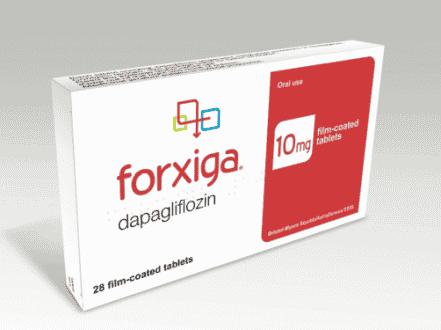
Farxiga side effects most often involve the urinary and genital tract, including more frequent urination and yeast infections. Serious problems are less common, but they can include dehydration, ketoacidosis (dangerous ketone buildup), and severe urinary infections. This Farxiga Side Effects: Dapagliflozin 5 mg and 10 mg Guide explains what to watch for, how dose context matters, and when symptoms deserve urgent care.
Key Takeaways
- Common effects: Yeast infections, frequent urination, thirst, and mild dizziness.
- Dose context: 5 mg and 10 mg share the same main safety themes.
- Urgent risks: Ketoacidosis, severe urinary infection, fainting, or severe dehydration.
- Higher vigilance: Older adults, diuretic users, and heart failure patients need closer monitoring.
- Next step: Track symptoms and discuss medication pauses before illness or surgery.
What Farxiga Is and Why Side Effects Happen
Farxiga is the brand name for dapagliflozin, an SGLT2 inhibitor that changes how the kidneys handle glucose, sodium, and fluid. SGLT2 inhibitors help move extra glucose out of the body through urine. That mechanism explains many dapagliflozin side effects, especially urination changes, thirst, genital yeast infections, and volume-related dizziness.
Dapagliflozin may be used in selected adults with type 2 diabetes, heart failure, or chronic kidney disease. Its role depends on the condition treated, kidney function, and the rest of the medication plan. For broader class context, see SGLT2 Inhibitors Explained. For indication background, What Is Farxiga Used For covers the major clinical uses in more detail.
Patients often ask whether dapagliflozin is the same as Farxiga. Dapagliflozin is the active ingredient, while Farxiga is a brand name. Some regions use different brand spellings, such as Forxiga, so confirm the active ingredient and strength on your label. For a concise medication summary, see Farxiga Dapagliflozin.
CanadianInsulin.com operates as a prescription referral platform, not a prescriber.
Farxiga Side Effects by Dose and Risk Level
Farxiga 5 mg side effects and Farxiga 10 mg side effects fall into the same broad categories. The 10 mg dose does not create a separate set of reactions, but fluid-related symptoms may be more noticeable in some people. That includes thirst, dizziness on standing, or more frequent urination. A lower dose can still carry serious risks, so dose strength alone should not be used to judge safety.
The most useful way to think about Farxiga side effects is by urgency. Some symptoms can be tracked and discussed at the next visit. Others need a prompt call. A smaller group needs urgent medical attention. Dose changes should come from the prescriber, not from symptom guessing. For dose background, Farxiga Dapagliflozin Dosage explains the 5 mg and 10 mg context.
| Pattern | Examples | What to do next |
|---|---|---|
| Common and often manageable | More urination, thirst, mild genital itching, mild lightheadedness | Track timing, hydration, and triggers; discuss if persistent. |
| Needs prompt clinician input | Burning urination, recurrent yeast symptoms, dizziness, reduced urine output | Contact the care team before changing medication. |
| Needs urgent care | Fainting, fever with back pain, severe weakness, vomiting, labored breathing | Seek urgent medical assessment. |
Common Effects You Can Track at Home
Farxiga common side effects include genital yeast infections, frequent urination, thirst, and symptoms linked to mild fluid loss. These effects make sense because more glucose leaves through urine. That extra glucose can change the genital and urinary environment. It can also increase urine output, especially early in treatment or after a dose change.
Yeast infections and genital irritation
Farxiga yeast infection symptoms may include itching, redness, burning, discomfort during sex, or unusual discharge. Men can develop irritation of the penis, including redness or swelling. People with prior yeast infections may be more prone to recurrence. Breathable underwear, prompt hygiene after sweating, and early symptom reporting can help reduce delays in treatment.
Urination, thirst, and lightheadedness
Farxiga frequent urination can feel like more daytime bathroom trips or a stronger urge to urinate. Thirst and dry mouth may follow. Some people feel lightheaded when standing, especially if they also take diuretics, have low blood pressure, or lose fluids from vomiting, diarrhea, heat, or heavy exercise.
Urinary tract infection symptoms can include burning, urgency, pelvic discomfort, cloudy urine, or blood in the urine. Fever, chills, confusion, or back pain can suggest a more serious infection. Daily routines also matter. For meal and lifestyle context, Diet With Farxiga Treatment discusses practical habits that can support diabetes care.
Quick tip: Keep a simple symptom log with dates, dose strength, fluid intake, and new medications.
Serious Warning Signs That Need Fast Care
The worst side effects of dapagliflozin are the ones that can progress quickly or appear without very high blood sugar. Ketoacidosis is a key example. It may cause nausea, vomiting, stomach pain, unusual fatigue, fruity breath, confusion, or rapid breathing. It can occur even when glucose readings are not extremely high.
Ketone awareness matters during acute illness, missed meals, heavy alcohol use, surgery planning, or major dehydration. If your clinician has advised ketone checks, follow that plan. For background on ketones and symptoms, see Ketones and Diabetes.
- Ketoacidosis: Nausea, vomiting, abdominal pain, rapid breathing, or unusual fatigue.
- Severe urinary infection: Fever, chills, back pain, confusion, or worsening weakness.
- Major dehydration: Fainting, severe dizziness, very low urine output, or rapid heartbeat.
- Rare genital infection: Severe pain, swelling, fever, or skin changes around the groin.
- Allergic reaction: Swelling, hives, breathing difficulty, or severe rash.
Farxiga alone is not usually the main cause of low blood sugar. Risk can rise when it is combined with insulin or insulin-releasing medicines. Medication combinations should be reviewed when symptoms change. For a broader safety view, Diabetes Medication Combinations covers common interaction considerations.
Hydration, Kidney Function, and Heart Failure Context
Hydration needs vary, so there is no single water target for every person taking dapagliflozin. Climate, exercise, diuretics, kidney function, and heart failure fluid limits all matter. A practical approach is to watch for thirst, dark urine, dizziness, and sudden changes in urination. People with heart failure or kidney disease should ask whether they have a fluid target or restriction.
People often ask about Farxiga kidney side effects because eGFR and creatinine are monitored during treatment. Kidney function helps guide whether dapagliflozin is appropriate and how closely labs should be followed. A short-term lab change does not always mean kidney injury, but worsening symptoms or major dehydration should be assessed. For kidney-focused context, see Farxiga Kidney Health.
Dapagliflozin can play a role in heart failure care, but volume balance becomes especially important. People taking loop diuretics, blood pressure medicines, or multiple heart medicines may be more sensitive to dizziness or low blood pressure. For class-level heart failure context, Heart Failure Care explains why SGLT2 inhibitors are used and how monitoring fits into treatment.
Why it matters: Volume loss can look like weakness, falls, confusion, or worsening heart symptoms.
Dosing, Timing, and Sick-Day Questions
The U.S. prescribing information describes dapagliflozin as a once-daily medicine taken in the morning, with or without food. Your prescriber may give specific timing instructions based on your routine and other medicines. If you miss a dose or feel unwell, avoid doubling doses unless your care team has told you exactly how to handle that situation.
When people ask when to take dapagliflozin 10 mg, the more important question is how it fits into the full care plan. Morning dosing may reduce nighttime bathroom trips for some people. However, shift work, diuretics, and other medication schedules can change what is practical. Discuss timing if urination disrupts sleep or daily activities.
Sick-day planning is also part of dapagliflozin safety information. Vomiting, diarrhea, fever, surgery, or poor oral intake can increase dehydration and ketoacidosis risk. Many clinicians provide instructions on when to pause SGLT2 inhibitors before procedures or during acute illness. Do not restart after a pause until the prescriber’s instructions are clear.
When required, prescription details may be confirmed with the prescriber.
Older Adults, Men, and People Prone to Infection
Farxiga side effects in elderly patients often center on fluid balance, falls, kidney monitoring, and infection recognition. Older adults may have less thirst awareness and may take diuretics or blood pressure medicines. Heat waves, stomach illness, and reduced appetite can shift fluid status quickly. Caregivers should watch for confusion, dizziness, reduced urination, and sudden weakness.
Men can also develop genital yeast infections, penile irritation, and urinary symptoms. These issues may be underreported because they feel embarrassing. Prompt reporting matters because mild irritation can become more painful or recurrent. People with recurrent infections should ask whether preventive steps, earlier treatment, or medication review is appropriate.
People who exercise outdoors, work in hot settings, or travel long distances should plan hydration and bathroom access. The goal is not to overdrink, but to avoid preventable fluid loss. If heart failure or kidney disease limits fluids, ask for condition-specific instructions rather than using general hydration rules.
Practical Checklist for Safer Conversations
Tracking Farxiga side effects works best when you bring specific details to appointments. Vague symptoms are harder to interpret. Dates, dose strength, new medicines, fluid intake, and infection symptoms help clinicians decide whether to monitor, treat, pause, or switch therapy.
- Confirm the active ingredient: Check whether the label says dapagliflozin, Farxiga, or another spelling.
- List all medicines: Include insulin, diuretics, blood pressure drugs, and supplements.
- Track urination changes: Note urgency, nighttime urination, burning, or reduced output.
- Record infection symptoms: Include itching, discharge, fever, back pain, or pelvic pain.
- Ask about sick days: Clarify surgery, vomiting, diarrhea, and poor food intake plans.
- Discuss fluid limits: Especially with heart failure, kidney disease, or diuretic use.
- Review warning signs: Know which symptoms require urgent assessment.
Dispensing and fulfilment are handled by licensed third-party pharmacies where permitted.
How SGLT2 Safety Compares Across Similar Medicines
Dapagliflozin belongs to the same medication class as empagliflozin and canagliflozin. Class effects can overlap, including genital yeast infections, urinary symptoms, volume depletion, and rare ketoacidosis. Individual products still differ in labeling, approved uses, and patient selection, so one medicine’s experience should not be applied automatically to another.
If you are comparing options, focus on your diagnosis, kidney function, infection history, heart failure status, and current medication list. Side effect pages for related medicines can provide useful context without implying that one is best for everyone. For comparison reading, see Jardiance Side Effects and Invokana Side Effects. For broader condition browsing, the Type 2 Diabetes Hub collects related education resources.
Authoritative Sources
The following references support the safety, dosing, and monitoring context in this article.
- FDA prescribing information for labeled warnings and dosing.
- MedlinePlus dapagliflozin patient drug information and safety notes.
- Heart failure guideline update on modern treatment.
Recap and Further Reading
Farxiga and dapagliflozin share the same active ingredient, and their side effect profile reflects the SGLT2 mechanism. The most common issues involve urination, thirst, genital yeast infections, and mild volume symptoms. The most urgent concerns include ketoacidosis, severe urinary infection, fainting, and major dehydration.
Use the 5 mg or 10 mg strength as dose context, not as a guarantee of risk level. Kidney function, age, diuretics, heart failure, infection history, and acute illness often matter more. Clear monitoring plans help prevent small symptoms from becoming larger problems.
This content is for informational purposes only and is not a substitute for professional medical advice.


