
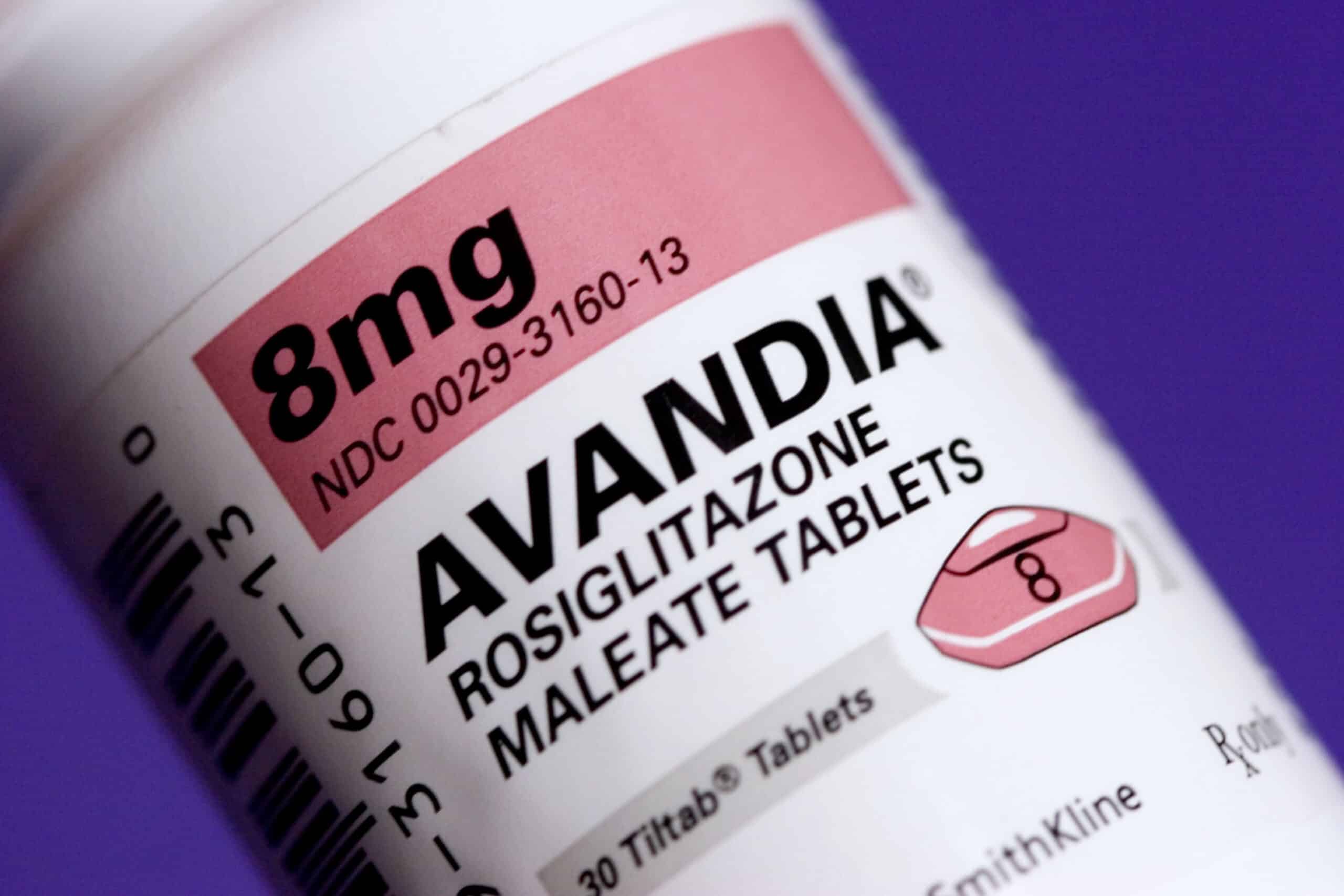
Avandia is a brand name for rosiglitazone, an oral type 2 diabetes medication that helps the body respond better to insulin. It is not a first-choice option for many people today because it can cause fluid retention and may worsen heart failure in susceptible patients. Still, understanding its role matters if you previously used it, see it in older records, or are comparing thiazolidinedione drugs with your clinician.
Key Takeaways
- Drug class: A thiazolidinedione insulin sensitizer.
- Generic name: Rosiglitazone maleate.
- Main use: Type 2 diabetes glycemic control.
- Key risks: Edema, weight gain, fracture, heart failure worsening.
- Monitoring focus: Weight, swelling, breathing, liver tests, A1C.
What Avandia Is and How It Works
Avandia belongs to the thiazolidinedione drug class, often shortened to TZD. Its generic name is rosiglitazone. This class improves insulin sensitivity, which means body tissues can use insulin more effectively to move glucose from the blood into cells.
Rosiglitazone works mainly through peroxisome proliferator-activated receptor gamma, often called PPAR-gamma. This receptor influences how fat cells, muscle, and the liver handle glucose and fatty acids. Over time, improved insulin sensitivity can lower blood glucose and A1C, especially when paired with nutrition, activity, and other care-plan measures.
That same mechanism also explains some safety concerns. PPAR-gamma activity can promote fluid retention, which may appear as ankle swelling or rapid weight gain. In people with heart failure or fluid overload, that effect can become clinically important. For a broader class comparison, Common Diabetes Medications explains how major diabetes drug groups differ.
Why it matters: A drug that improves insulin sensitivity can still be a poor fit when heart or fluid-retention risk is high.
Uses, Eligibility, and When Clinicians Avoid It
The labeled use of Avandia is as an adjunct to diet and exercise to improve glycemic control in adults with type 2 diabetes. It is not used to treat type 1 diabetes or diabetic ketoacidosis, which require different treatment approaches.
Clinicians weigh several factors before considering rosiglitazone. They usually review A1C trends, current medications, heart history, edema history, liver status, fracture risk, and pregnancy considerations. The decision is rarely based on blood sugar alone.
People at higher risk of fluid retention need special caution. This includes those with heart failure symptoms, significant swelling, shortness of breath, or a history of fluid overload. Product labeling warns against starting rosiglitazone in patients with established New York Heart Association Class III or IV heart failure. If symptoms such as sudden weight gain, new swelling, or breathlessness occur, medical review is important.
Avandia is also different from metformin, sulfonylureas, DPP-4 inhibitors, SGLT2 inhibitors, and GLP-1 receptor agonists. Each class has a different balance of benefits, adverse effects, and monitoring needs. For background on the condition itself, the Type 2 Diabetes collection can help readers navigate related education.
Dosing Basics and Practical Administration Points
Avandia dosage should be selected by a prescriber, based on the product label and the person’s clinical situation. Readers should not change, restart, or stop rosiglitazone without medical guidance. Dose decisions depend on glucose targets, response, tolerability, liver status, and the other diabetes medicines being used.
The medication is taken by mouth. Consistency matters because glucose response is assessed over time, not from a single tablet. If a dose is missed, the safest next step is to follow the prescriber’s or pharmacist’s instructions rather than doubling doses.
When rosiglitazone is combined with other glucose-lowering medicines, clinicians may watch more closely for low blood sugar, especially if insulin or insulin secretagogues are also used. Rosiglitazone itself is not usually framed as a rapid glucose-lowering medicine. Its effects are typically assessed through follow-up glucose patterns and A1C testing.
Medication reviews can also uncover whether a different pathway may be more suitable. For example, some people discuss metformin-based regimens, incretin-based therapies, SGLT2 inhibitors, or insulin depending on comorbidities and treatment goals. Metformin provides deeper context on one commonly used first-line option.
Side Effects and Safety Signals to Watch
Avandia side effects range from mild symptoms to serious complications. Commonly discussed effects include weight gain, swelling, and mild anemia. Some people may also report upper respiratory symptoms or headache, though individual reactions vary.
The most important safety concern is fluid retention. Swelling in the legs, rapid weight gain, or shortness of breath can signal that fluid is accumulating. This can worsen existing heart failure or reveal previously unrecognized heart problems. Seek urgent medical help for severe breathing trouble, chest pain, fainting, or rapidly worsening swelling.
Bone fracture risk is another important issue. TZD medicines have been associated with fractures, especially in some women. Clinicians may review bone health, fall risk, vitamin D status, and other medicines when deciding whether rosiglitazone remains appropriate.
Eye symptoms also need attention. TZD therapy has been associated with diabetic macular edema, which is swelling in the central part of the retina. Blurry vision, new visual distortion, or sudden vision changes should prompt clinical assessment.
Liver problems are uncommon but important. Prescribers may check liver enzymes before and during therapy, especially if symptoms such as unusual fatigue, dark urine, abdominal pain, or yellowing of the skin occur. These symptoms should be reported promptly.
For a wider view of adverse effects across oral diabetes therapies, Triple Combination Therapy discusses how treatment plans may layer different medication classes.
Interactions, Contraindications, and Monitoring
Rosiglitazone interactions often involve medicines that affect CYP2C8, a liver enzyme involved in drug metabolism. Gemfibrozil may increase rosiglitazone exposure, while rifampin may reduce it. These examples show why a full medication review matters before therapy begins.
Other interactions are practical rather than enzyme-based. Insulin or insulin-releasing medicines can increase the need for glucose monitoring because combination therapy may change hypoglycemia risk. Corticosteroids, some decongestants, and changes in alcohol intake can also complicate blood glucose patterns.
Contraindications and cautions include significant heart failure risk, active liver disease, and any past serious reaction to rosiglitazone. Pregnancy, planned pregnancy, breastfeeding, kidney disease, and major cardiovascular history should also be discussed with a clinician. The right decision depends on the full medical picture.
Monitoring usually focuses on several repeatable checks:
- Weight trends: Watch for rapid increases.
- Edema checks: Note ankle or leg swelling.
- Breathing symptoms: Report new shortness of breath.
- Liver tests: Follow the ordered schedule.
- A1C review: Track longer-term glucose control.
- Vision changes: Ask about prompt eye assessment.
The calculator below can help convert A1C and estimated average glucose for general understanding. It does not decide whether a medication is appropriate.
HbA1c & eAG Calculator
Convert between HbA1c percentage and estimated average glucose using the ADAG relationship.
These calculations are for education only and do not replace clinical advice, diagnosis, or treatment. Always confirm medical decisions with a qualified healthcare professional.
Quick tip: Bring a current medicine list, glucose log, and weight trend to appointments.
Why Access Changed and Whether It Is Still Available
Questions about whether Avandia is still on the market often come from its safety history. Rosiglitazone became controversial after analyses raised concern about cardiovascular risk. Regulators responded with warnings, restrictions, and reassessments over time. Availability has varied by country, and local market status can change because of regulatory and commercial decisions.
In the United States, restrictions changed after regulators reviewed additional evidence, but the medicine remained subject to careful labeling and risk communication. In Europe, rosiglitazone-containing medicines were suspended after regulators concluded the benefit-risk balance was unfavorable for that market. These differences explain why readers may see conflicting statements about Avandia discontinued, withdrawn, or available depending on location and date.
The term Avandia lawsuit usually refers to legal claims and public controversy around cardiovascular safety communication. Legal history can explain why the medicine is widely recognized, but clinical decisions should rest on current labeling, regulator updates, and individual risk assessment.
If access is limited or the risk profile is unsuitable, clinicians often consider other drug classes. Modern type 2 diabetes care may include metformin, SGLT2 inhibitors, GLP-1 receptor agonists, DPP-4 inhibitors, insulin, or other options, depending on goals and comorbidities. Improving Insulin Sensitivity reviews non-drug and treatment-adjacent concepts that may support informed discussions.
For browsing medication categories, the Diabetes Medications category lists related product options without replacing clinician guidance. CanadianInsulin.com functions as a prescription referral platform, and dispensing is handled by licensed third-party pharmacies where permitted.
How It Compares With Related Diabetes Options
Avandia is most directly compared with pioglitazone because both are TZDs. Both target insulin resistance through PPAR-gamma activity, and both require attention to fluid retention and heart failure risk. They are not interchangeable without prescriber review.
Rosiglitazone is also compared with metformin because both can improve glycemic control in type 2 diabetes, but they work differently. Metformin mainly reduces hepatic glucose production and improves insulin sensitivity through different pathways. It also has a different safety profile, including gastrointestinal effects and specific cautions in kidney impairment.
SGLT2 inhibitors and GLP-1 receptor agonists now appear more often in modern treatment algorithms, especially when heart, kidney, or weight-related considerations are central. That does not mean one option is universally better. It means treatment choice depends on the person’s comorbidities, tolerability, preferences, and current guidelines.
Some readers also ask whether gliclazide is the same as metformin. It is not. Gliclazide is a sulfonylurea that stimulates insulin release from the pancreas. Metformin is a biguanide. Rosiglitazone is a TZD. These distinctions matter because each class carries different risks and monitoring needs.
For a closer look at another TZD, Pioglitazone Mechanism explains how a related medication fits into diabetes management.
Questions to Prepare Before a Medication Review
A structured conversation can make rosiglitazone decisions safer and clearer. These questions do not replace medical advice, but they can help organize the visit.
- Reason for use: What problem is this medicine addressing?
- Heart risk: Do I have any fluid-retention concerns?
- Monitoring plan: Which symptoms should I report quickly?
- Drug review: Could my medicines interact?
- Bone health: Should fracture risk affect the decision?
- Eye symptoms: When should vision changes be assessed?
- Alternatives: Which other classes fit my health history?
Patients who use prescription referral services may also need current prescription details confirmed with the prescriber where required. This is an access step, not a substitute for clinical evaluation.
Authoritative Sources
For label-backed prescribing details, review the current Avandia prescribing information.
For patient-focused drug safety language, see MedlinePlus information on rosiglitazone.
For European regulatory context, review the European Medicines Agency product information.
Recap
Avandia is rosiglitazone, a TZD medication for adults with type 2 diabetes. It improves insulin sensitivity, but its safety profile requires careful selection and monitoring. Fluid retention, heart failure worsening, weight gain, fractures, liver concerns, and vision changes are key discussion points.
Current use depends on local availability, regulator labeling, and the individual health picture. If rosiglitazone appears in your medication history or is being considered, a clinician can help compare its risks with other diabetes treatment options. For broader browsing, the Diabetes Articles collection includes related educational topics.
This content is for informational purposes only and is not a substitute for professional medical advice.


