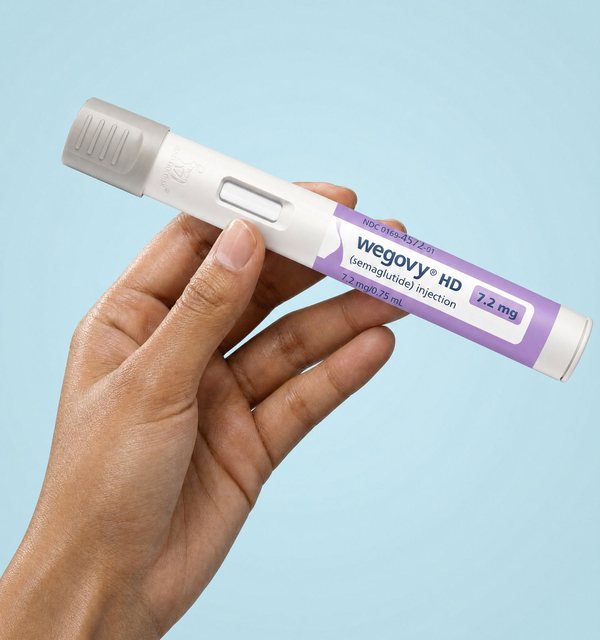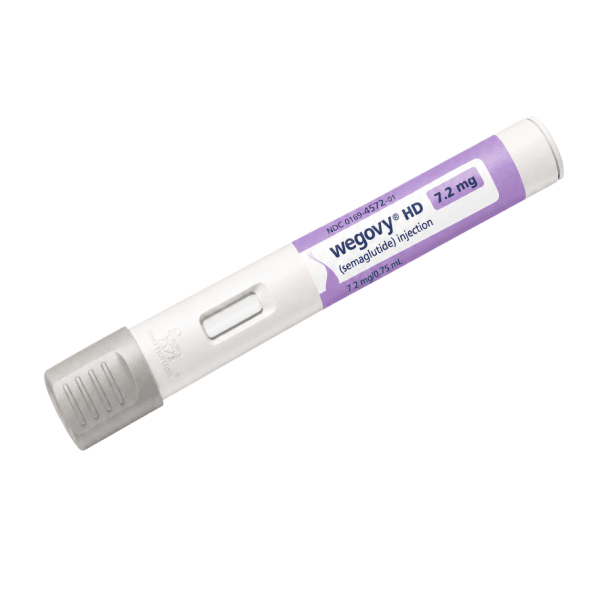
Wegovy Dosage usually starts low and increases slowly because gradual titration can improve tolerability. The injected form is commonly started at 0.25 mg once weekly, then increased in planned steps if side effects remain manageable. This matters because moving too quickly may worsen nausea, vomiting, dehydration risk, or treatment interruptions. Use this overview to understand the schedule and prepare better questions for your prescriber.
Key Takeaways
- Start low: dose escalation is meant to reduce digestive side effects.
- Weekly routine: choose one consistent injection day when possible.
- Maintenance varies: some people remain at 1.7 mg, while others use 2.4 mg.
- Missed doses: timing determines whether to take, skip, or restart with guidance.
- Safety first: do not change dose without clinician direction.
How the Weekly Titration Schedule Works
The standard injected schedule increases every 4 weeks when tolerated. This stepwise approach gives the gastrointestinal system time to adjust to semaglutide, the active medicine in the injection. It is not designed as a race to the highest dose.
A typical label-based Wegovy dosing chart for the injection moves from 0.25 mg once weekly for 4 weeks, to 0.5 mg for 4 weeks, to 1 mg for 4 weeks, to 1.7 mg for 4 weeks. After that, maintenance is usually 1.7 mg or 2.4 mg once weekly, depending on tolerability and clinical goals. The official U.S. prescribing information provides the approved dose-escalation framework and warnings in the FDA label.
People often ask whether they can start at 0.5 mg, 1 mg, or 1.7 mg to save time. In general, starting above the initial dose is not the usual label-based approach for the injection. A higher starting dose may increase side effects, especially if you have not recently tolerated a similar medicine. If you are switching from another incretin medication, your clinician still needs to account for dose differences, time since last injection, side effects, and your medical history.
Why it matters: The lowest dose is mainly a tolerability step, not a failure of treatment.
For a broader semaglutide dose framework, see our Semaglutide Dosage Chart. If you need device-specific injection practice, the Wegovy Injection Guide explains site selection and basic technique.
When to Take the Weekly Dose
Wegovy is taken once weekly, on the same day each week when possible. The injection can usually be given with or without food, but a steady routine helps reduce missed doses. Some people prefer evening dosing, while others choose a morning that fits their schedule.
Pick a day that is easy to repeat. Avoid choosing a time that often changes because of travel, shift work, or weekend plans. If nausea tends to occur after injections, your clinician may suggest practical habits such as smaller meals, slower eating, hydration, and avoiding heavy, high-fat meals around dose day.
You may be able to change your weekly injection day if there is enough spacing between doses. However, the exact timing window should follow the product instructions or your prescriber’s advice. Do not use extra doses to “catch up.”
Missed Doses, Delays, and Restarts
Missed-dose instructions depend on how close you are to the next scheduled dose. If a dose is missed and the next planned dose is more than 48 hours away, the missed dose may often be taken when remembered. If the next scheduled dose is less than 48 hours away, many instructions advise skipping the missed dose and resuming the regular schedule.
Longer gaps need more caution. If several doses are missed, restarting at the previous dose may not be appropriate for everyone. Your clinician may recommend resuming at a lower step to reduce digestive symptoms. This is especially important if your last dose caused vomiting, dehydration, or severe nausea.
For exact missed-dose wording and patient instructions, review the manufacturer’s official Medication Guide. If directions from your clinic differ, ask which instructions apply to your situation.
Side Effects During Dose Escalation
Digestive side effects are the most common issue during escalation. Nausea, fullness, burping, constipation, diarrhea, and occasional vomiting can occur, especially after an increase. These symptoms may settle as the body adjusts, but persistent or worsening symptoms should be reviewed.
Several practical habits may help you tolerate the weekly rhythm. Eat smaller meals, stop when comfortably full, drink fluids steadily, and limit greasy foods if they trigger symptoms. Gentle walking may also support digestion for some people. For more focused symptom-management strategies, see Gastrointestinal Side Effects.
Seek medical help promptly for severe abdominal pain, pain that spreads to the back, repeated vomiting, fainting, signs of dehydration, or symptoms of an allergic reaction. People with diabetes who use insulin or sulfonylureas should also ask about low blood sugar risk, because medication adjustments may be needed under clinical supervision.
Maintenance Dose, Plateaus, and Long-Term Use
The maintenance dose is the dose your clinician and you can sustain with acceptable tolerability. For the injection, label-based maintenance is commonly 1.7 mg or 2.4 mg once weekly. Some people ask whether they must increase if a lower dose feels effective. That decision depends on response, side effects, access, and the treatment plan.
Weight change can begin before the maintenance dose, but responses vary. Some people notice appetite changes early, while others see clearer progress after several escalation steps. A plateau does not always mean the medicine has stopped working. Nutrition patterns, sleep, physical activity, other medicines, and metabolic conditions can all affect progress.
Many people also ask how long they take treatment for weight management. Obesity is often managed as a chronic condition, so therapy may be reviewed over time rather than stopped after a fixed period. Stopping treatment can lead to weight regain for some people. Your clinician can help decide whether continuing, pausing, or changing treatment fits your health status.
Tracking can make visits more useful. Record injection date, dose, weight, appetite changes, and side effects. This calculator can help estimate weight-change progress over time, but it does not guide dosing or replace medical review.
Weight-Loss Progress Calculator
Track percentage body-weight change and progress toward a target weight.
These calculations are for education only and do not replace clinical advice, diagnosis, or treatment. Always confirm medical decisions with a qualified healthcare professional.
For lifestyle context alongside medication, the Wegovy Weight Loss article discusses how weight-management treatment fits broader care. You can also browse the Weight Management collection for related educational topics.
Injection Technique and Pen Confidence
Good technique helps reduce avoidable problems. Wegovy is injected under the skin, usually in the abdomen, thigh, or upper arm. Rotate injection sites and avoid areas that are tender, bruised, scarred, or irritated. Follow the pen instructions supplied with your medication and ask for a demonstration if you feel unsure.
Some readers search for a Wegovy click chart because pen sounds can help confirm dose delivery. Use only the instructions provided with your specific pen and clinic teaching. Do not estimate partial doses or reuse a device in a way that conflicts with the product instructions.
Quick tip: Keep your pen instructions, reminder schedule, and symptom notes in one place.
If you are comparing injection routines across medicines, product pages such as Wegovy and Saxenda 6 mg/mL can help you recognize format differences before discussing options with a clinician.
Safety Checks Before Changing Dose
Dose changes should be based on tolerability, medical history, and treatment goals. Important cautions include a personal or family history of medullary thyroid carcinoma, multiple endocrine neoplasia syndrome type 2, pancreatitis history, severe gastrointestinal disease, pregnancy, breastfeeding, kidney concerns related to dehydration, and interactions with glucose-lowering medicines.
Tell your clinician about prescription drugs, over-the-counter products, supplements, and any recent serious digestive symptoms. Also mention planned procedures, major diet changes, or recurrent low blood sugar. These details may affect monitoring or timing.
Access issues can also influence treatment continuity. CanadianInsulin.com functions as a prescription referral platform, and prescription details may be confirmed with the prescriber where required. Dispensing and fulfilment are handled by licensed third-party pharmacies where permitted, so eligibility and jurisdiction can affect available options.
Comparing Related Treatment Paths
Wegovy is one option in a wider group of weight-management medicines. Related treatments may differ by active ingredient, dosing frequency, titration design, side-effect profile, and approved use. A switch should not be treated as a simple milligram-to-milligram conversion.
People sometimes discuss alternatives because of tolerability, access, or response. Options that may come up in clinician discussions include semaglutide products, liraglutide, and tirzepatide-based medicines. Product pages such as Zepbound and Mounjaro KwikPen can help you understand format differences, but treatment choice should stay clinical rather than brand-led.
For non-device browsing, the Weight Management Products category groups related product pages. Use it as a navigation aid, not as a substitute for individualized prescribing advice.
Authoritative Sources
The official FDA prescribing information outlines indications, contraindications, titration, missed-dose instructions, and key warnings in the Wegovy label.
The manufacturer’s patient Medication Guide provides practical safety information, administration notes, and patient-facing warnings in the Medication Guide.
For broader obesity pharmacotherapy principles, the Endocrine Society summarizes clinical decision-making and long-term management considerations in professional guidance.
Recap
Wegovy Dosage is built around gradual weekly escalation, careful side-effect monitoring, and a maintenance dose that remains tolerable. Most questions about starting higher, increasing early, or restarting after missed doses should be handled with your prescriber because timing and safety factors differ. A simple log of doses, symptoms, and weight trends can make those conversations clearer.
This content is for informational purposes only and is not a substitute for professional medical advice.