
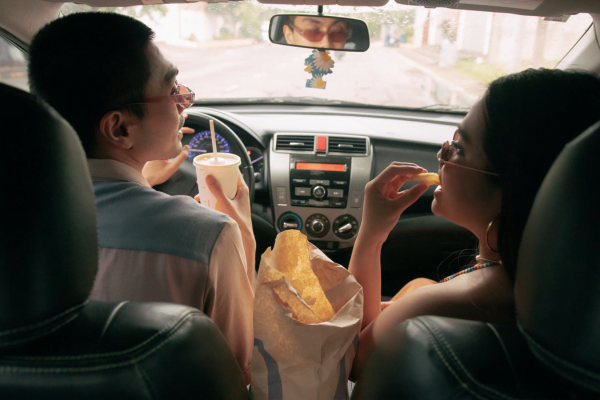
Fast food and diabetes can fit together occasionally, but the whole meal matters more than one menu item. Meals that combine refined starches, sugary drinks, fried sides, sweet sauces, and large portions can raise blood glucose quickly. Meals built around protein, vegetables, fiber, smaller starch portions, and unsweetened drinks are often easier to plan. Why this matters: restaurant meals can hide carbohydrates, sodium, calories, and added sugars, so a few choices can reduce surprises without turning every fast-food meal into a forbidden food.
Key Takeaways
- Fast-food meals can raise glucose when portions, refined carbohydrates, and sugary drinks stack together.
- No single chain or meal is best for everyone with diabetes.
- Protein, vegetables, fiber, smaller starch portions, and unsweetened drinks usually make meals easier to estimate.
- High-fat meals may delay glucose rises, so readings can change several hours later.
- Ask your care team for personalized targets if you use insulin, have kidney disease, are pregnant, or see repeated highs or lows.
Why Fast Food Can Change Blood Sugar Quickly
Fast food affects blood sugar mainly through carbohydrate amount, carbohydrate type, portion size, fat content, and meal timing. Refined breads, fries, sweet drinks, desserts, and many sauces digest quickly. That can lead to a faster postprandial glucose rise, meaning a rise after eating.
Fat and protein also matter, but they work differently. A very high-fat meal may slow stomach emptying and cause glucose to rise later or stay elevated longer. This can be confusing when a reading looks acceptable soon after eating, then climbs several hours later.
Sodium is another issue. Many restaurant meals are high in salt, which may matter if you also manage high blood pressure, kidney disease, or heart disease risk. The blood sugar question is important, but it is not the only health factor.
The same meal can affect two people differently. A person using mealtime insulin may need a different plan than someone managing type 2 diabetes with lifestyle changes and oral medicines. Activity, stress, sleep, hydration, and illness can also shift readings.
Why it matters: The goal is fewer unexpected glucose swings, not perfect eating.
What Fast Food Can Someone With Diabetes Eat?
Most fast-food restaurants have at least a few workable choices for someone with diabetes. The practical question is not whether a food is allowed. It is how the full meal fits your carbohydrate plan, medication routine, hunger, and usual glucose response.
A diabetes-friendly fast-food meal often starts with one main carbohydrate source instead of several. For example, a sandwich bun may be easier to plan than a bun, large fries, regular soda, and dessert together. Choosing water, unsweetened tea, plain coffee, or another no-sugar drink can lower the meal’s glucose load before changing anything else.
- Start with protein: Choose eggs, chicken, fish, beans, or a burger patty when available.
- Add produce: Lettuce, tomato, side salad, vegetables, or fruit can add volume and fiber.
- Pick one starch: Decide whether the bun, fries, rice, tortilla, biscuit, or potatoes matter most.
- Watch sauces: Sweet sauces, ketchup, glazes, and creamy dressings can add sugar, fat, or sodium.
- Size the meal: Smaller portions are often easier to match with a usual plan.
Breakfast choices
A fast-food breakfast can be challenging because biscuits, pancakes, hash browns, sweet coffee drinks, and pastries can stack carbohydrates quickly. A steadier breakfast may include eggs or another protein source, a smaller bread portion, and an unsweetened drink.
Sweetened coffee drinks deserve special attention. Syrups, whipped toppings, flavored creamers, and large serving sizes can add a significant amount of sugar. If breakfast already includes bread or potatoes, a sweet drink may turn the meal into a much larger glucose challenge.
Lunch and dinner choices
A diabetic friendly fast food lunch usually follows a simple structure: protein, one main starch, and a drink without sugar. A grilled or baked option may be easier to plan than a battered or breaded option when both are available. A burger or sandwich can still fit for some people, but the side and drink often decide the total impact.
If you want a deeper look at restaurant-style carbohydrates, Can Diabetics Eat Pizza covers portion and topping tradeoffs. For another carbohydrate example, Fruits For Diabetics explains how portion size and fiber can change a food’s glucose effect.
Menu Choices That Make Glucose Harder to Predict
No single fast-food item is the universal worst food for blood sugar. The harder pattern is usually a large meal that combines a sugary drink, refined starch, fried side, sweet sauce, and dessert. That mix can deliver a high carbohydrate load with little fiber, while fat may delay digestion and make the glucose curve harder to read.
| Menu decision | Often harder to predict | Often easier to plan | Why it matters |
|---|---|---|---|
| Drink | Regular soda, sweet tea, milkshakes, sweet coffee drinks | Water, unsweetened tea, plain coffee, no-sugar drinks | Liquid sugar can raise glucose quickly and may not feel filling. |
| Side | Large fries, onion rings, biscuits, chips | Small side, salad, fruit, or no side when available | Starchy sides can double the meal’s carbohydrate load. |
| Main item | Double portions, breaded meats, large wraps, oversized buns | Smaller sandwich, grilled protein, bowl with measured starch | Portion size changes carbohydrates, fat, sodium, and calories. |
| Sauce | Sweet glazes, extra ketchup, barbecue sauce, creamy toppings | Sauce on the side, mustard, salsa, smaller amounts | Sauces can add sugar, fat, or sodium without much fullness. |
| Dessert | Cookies, pies, ice cream, sweet pastries | Shared portion, smaller portion, or skipped dessert | Dessert adds another carbohydrate source after the meal. |
At burger, chicken, sandwich, coffee, and taco chains, the same principle applies. The logo matters less than the total meal. A person with diabetes may be able to include fries, but fries are a dense starch and can be difficult to portion. If fries are part of the meal, the bun, drink, and dessert may need more attention.
It is also wise to avoid making medicine decisions from a menu guess alone. If you use insulin or a medicine that can cause hypoglycemia, ask your clinician how to handle restaurant meals, delayed eating, and unexpected portion sizes. Do not change prescribed doses without a plan from your care team.
Carbs, Portions, and Numbers You Can Use
Carbohydrate counting is one way to estimate how a meal may affect glucose, but targets are personal. Total carbohydrate includes starch, sugar, and fiber on many nutrition labels. Restaurants may post nutrition information online or in-store, though values can vary with preparation and portion size.
The calculator below can estimate carb servings from a posted total carbohydrate number. It is a math aid for comparing meals, not personalized nutrition or medication guidance.
Carb Serving Calculator
Convert total carbohydrate grams into carb choices for meal planning and diabetes education.
These calculations are for education only and do not replace clinical advice, diagnosis, or treatment. Always confirm medical decisions with a qualified healthcare professional.
When nutrition information is unavailable, simple visual checks can help. A large bun, large fries, sweet drink, and dessert are usually several carbohydrate sources. A smaller sandwich with water and a non-starchy vegetable side may be easier to fit into a meal plan. This does not make one meal morally better. It makes the carbohydrate load more predictable.
Home glucose data can make fast food and diabetes decisions less abstract. If you use finger-stick testing or a continuous glucose monitor, note the restaurant, meal, portion, drink, time eaten, and later glucose pattern. Blood Sugar Monitoring offers broader context for tracking routines, while Blood Sugar Range Chart explains common glucose numbers.
Fiber can also change the picture. Beans, vegetables, whole grains, and fruit may slow digestion and add fullness. Protein-rich foods such as tofu may also support meal balance, depending on the full meal. For plant-based meal context, see Tofu For Diabetics.
Carbohydrate targets should be reviewed with a clinician or registered dietitian if you are pregnant, have kidney disease, have gastroparesis, have a history of eating disorders, or take medicines that can cause low blood sugar. Those situations can make generic food rules unsafe or too simple.
Fast Food, Type 2 Diabetes Risk, and Long-Term Patterns
For fast food and diabetes type 2 risk, the pattern matters more than a single drive-thru meal. Fast food does not cause diabetes by itself. Type 2 diabetes develops through a mix of genetics, body weight, insulin resistance, activity level, sleep, age, medications, and broader food patterns.
Frequent fast-food intake may still contribute to risk when it leads to excess calories, weight gain, low fiber intake, and regular sugary drink consumption. Many fast-food meals are energy dense, which means they provide many calories in a small volume of food. Over time, that can make weight management harder for some people.
Poor diet and diabetes risk should not be framed as personal failure. Food access, work schedules, income, stress, and location affect choices. A realistic plan respects those constraints. If fast food is part of your routine, focusing on repeatable changes usually works better than aiming for perfection.
For broader condition reading, the Diabetes Topics collection and Type 2 Diabetes Topics collection organize related educational resources. These collections can help you compare nutrition, monitoring, and condition-management topics in one place.
A Practical Way to Build a Steadier Meal
A practical approach to fast food and diabetes is to change the highest-impact parts first. For many people, the drink, side, and portion size matter more than small differences between similar sandwiches.
- Choose the drink first: Removing liquid sugar can make the meal easier to estimate.
- Pick one main starch: Decide whether the bun, fries, rice, tortilla, or potatoes are worth it.
- Add protein when possible: Protein can improve fullness, though it does not erase carbohydrates.
- Use sauces deliberately: Ask for sauce on the side when that option exists.
- Consider meal timing: Delayed meals can matter if medicines increase low-glucose risk.
- Review your pattern: Compare similar meals with your own readings when available.
Example: you choose a chicken sandwich, water, and a side salad. That meal may be easier to estimate than the same sandwich with large fries and a sweet drink. Another day, you might choose fries and skip the bun. The point is to manage the total meal, not to create a permanent banned-food list.
Quick tip: Check the drink and side before changing the main item.
People using glucose data can learn from repeat meals. If the same breakfast sandwich causes a high reading every time, the portion, drink, timing, or medication plan may need review. If readings are unpredictable, bring meal notes to a diabetes visit rather than trying to solve the pattern alone.
When Extra Caution Makes Sense
Fast food needs more caution when your glucose is already high, when you are sick, or when your meal timing is uncertain. It also deserves extra care if you use insulin or a sulfonylurea, because skipped meals or unexpected portions can increase low-glucose risk. Your care team can help you plan for those situations.
Some health conditions change the advice. Kidney disease may require attention to sodium, potassium, phosphorus, or protein. High blood pressure and heart disease risk can make sodium and saturated fat more important. Gastroparesis can delay digestion and make glucose timing harder to predict. Pregnancy also changes glucose targets and safety priorities.
Seek medical guidance promptly if you have repeated glucose readings above your target range, frequent lows, vomiting, dehydration, confusion, chest pain, shortness of breath, or symptoms of diabetic ketoacidosis such as nausea, abdominal pain, rapid breathing, or fruity-smelling breath. If you have been told to check ketones, follow your clinician’s sick-day plan.
If you need to browse diabetes-related supplies or condition categories, the Diabetes and Type 2 Diabetes pages provide navigation by medical condition. Use product pages and category pages for browsing only; nutrition and medication decisions should still come from your care plan.
Authoritative Sources
- American Diabetes Association fast-food guidance gives practical tips for restaurant meals.
- NIDDK healthy living with diabetes guidance explains eating, activity, and daily care basics.
- A cohort study on restaurant foods discusses associations with type 2 diabetes incidence.
Fast food does not need to be treated as a pass-fail test. The safer pattern is to plan the carbohydrate load, choose drinks carefully, watch portion size, and use your own glucose data when available. If patterns stay confusing, a clinician or registered dietitian can help translate restaurant choices into your diabetes plan.
This content is for informational purposes only and is not a substitute for professional medical advice.


