
Human insulin vs analog insulin mainly comes down to timing, predictability, and how closely a product can match meals or basal needs. Human insulin includes regular insulin and NPH. Analog insulin uses small molecular changes to make insulin act faster, last longer, or have a flatter action profile.
This distinction matters because insulin timing affects daily routines, hypoglycemia risk, and meal planning. The right fit depends on your diabetes type, glucose patterns, schedule, access, cost, delivery device, and clinician guidance.
Key Takeaways
- Core difference: analogues are engineered to change absorption and duration.
- Human insulin examples: regular insulin, NPH, and some premixed forms.
- Analog examples: lispro, aspart, glulisine, glargine, detemir, and degludec.
- Manufacturing today: most insulin is made with recombinant DNA, not animal glands.
- Safety focus: any insulin can cause hypoglycemia if action, food, and activity do not align.
What Insulin Does in the Body
Insulin is a hormone that helps move glucose from the bloodstream into cells. It also reduces glucose release from the liver and supports energy storage after meals. In people who need insulin therapy, injected insulin replaces or supplements this natural signal.
Clinicians describe insulin by onset, peak, and duration. Onset means when it starts working. Peak means when the effect is strongest. Duration means how long it keeps lowering blood glucose. These features guide whether a product fits meal coverage, basal coverage, or a fixed mixed schedule.
Basal insulin supports background needs between meals and overnight. Bolus or prandial insulin helps manage rises after food. Some regimens combine both, while others use premixed products. For a broader comparison of insulin categories, see Insulin Products Guide.
Why it matters: A mismatch between insulin action and food intake can increase low-glucose risk.
Human Insulin vs Analog Insulin: The Core Clinical Difference
The key difference is that human insulin has the same amino acid sequence as naturally produced human insulin, while analog insulin has small structural changes. Those changes are designed to alter absorption after injection. They do not turn insulin into a different hormone.
Regular human insulin generally has a slower onset than rapid-acting analogues. This can mean a longer pre-meal timing window. NPH human insulin has an intermediate duration and a clearer peak, which may help some schedules but can also require careful meal and snack planning.
Analogues are modified to serve specific roles. Rapid-acting analogues may fit closer to mealtimes. Long-acting and ultra-long analogues may provide smoother basal coverage with less pronounced peaks than NPH. This can be helpful for some people, but it does not make one class universally best.
Human insulin vs analog insulin also involves access and cost considerations. Human insulin may be more familiar and sometimes less expensive. Analogues may offer timing flexibility and flatter basal profiles. Your care team weighs these trade-offs against glucose data, hypoglycemia history, lifestyle, and local product availability.
Is analog insulin the same as regular insulin?
No. Regular insulin is a short-acting human insulin. Analog insulin refers to modified insulin molecules, such as rapid-acting mealtime analogues or long-acting basal analogues. Both lower blood glucose, but their timing profiles differ.
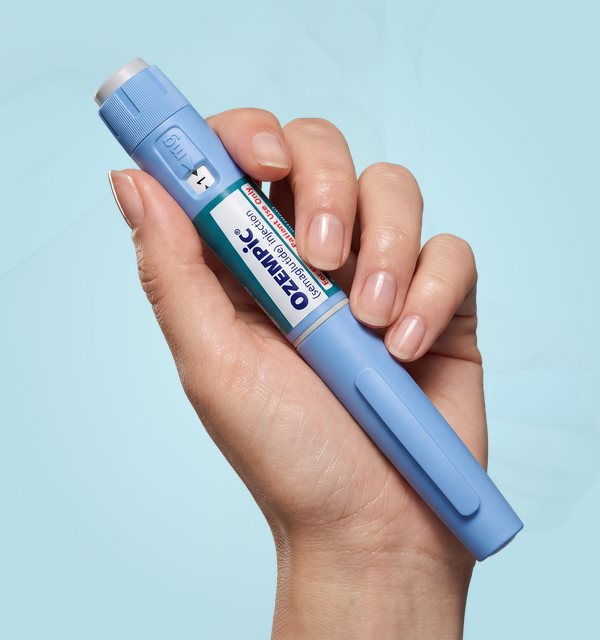
Is Ozempic an insulin analog?
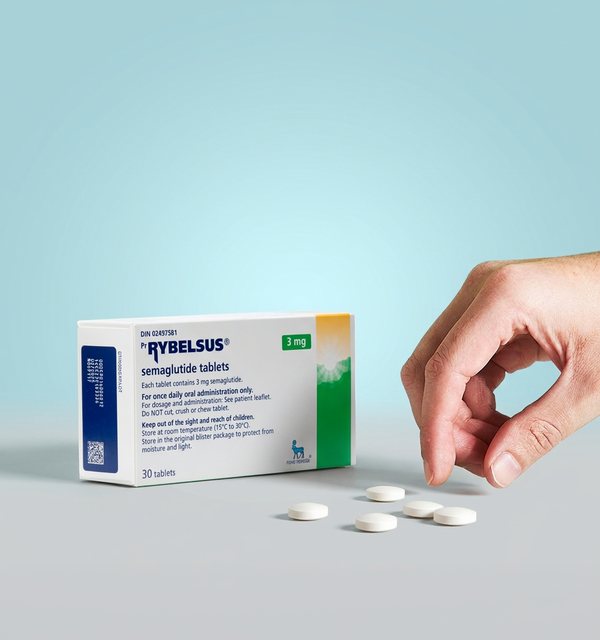
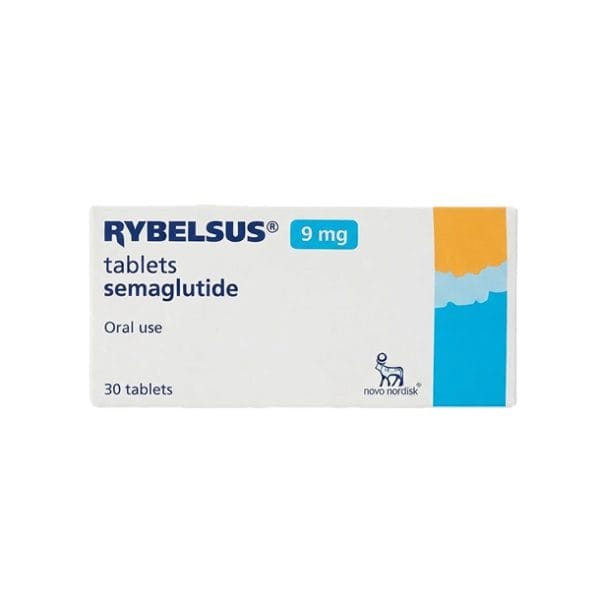
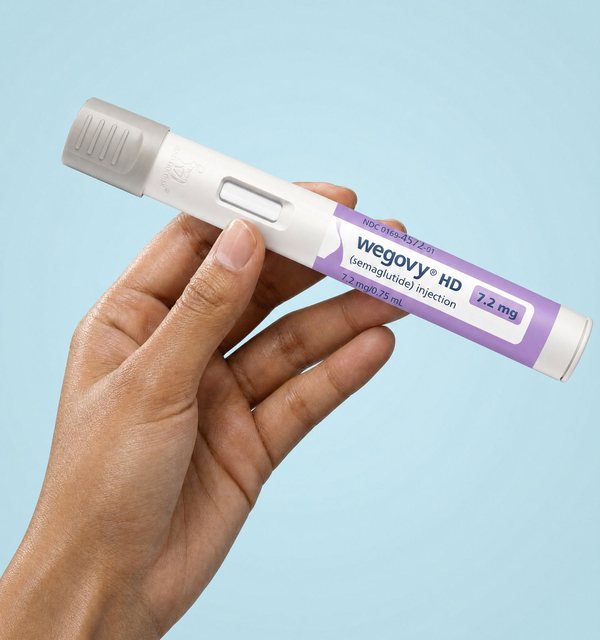
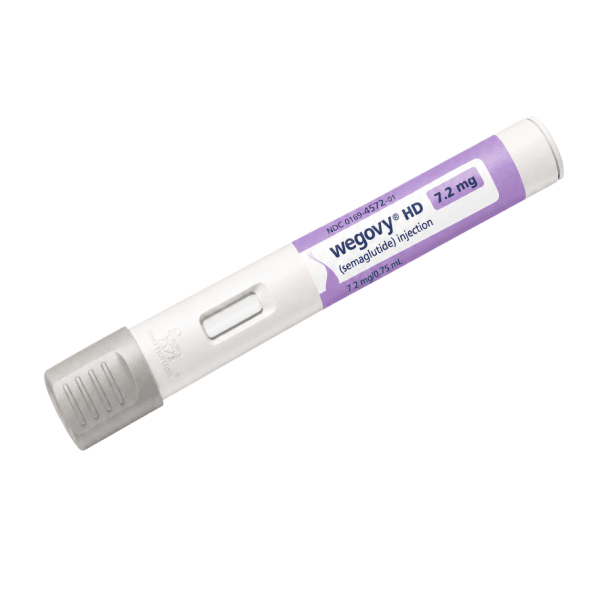
No. Ozempic is not insulin and is not an insulin analog. It belongs to a different class called GLP-1 receptor agonists. These medicines affect glucose regulation through incretin pathways and do not replace insulin in people who require insulin therapy.
Examples by Type, Timing, and Common Use
Insulin products are often grouped by how fast they start and how long they last. Exact timing can vary by person, injection site, activity, dose, and formulation. Labels and clinician instructions should guide use.
| Category | Examples | General Role | Key Timing Point |
|---|---|---|---|
| Short-acting human insulin | Regular insulin | Meal coverage or correction use in some regimens | Usually needs earlier meal timing than rapid analogues |
| Intermediate human insulin | NPH insulin | Basal coverage with a peak | Peak timing may require planned food and monitoring |
| Rapid-acting analogues | Lispro, aspart, glulisine | Mealtime glucose rises | Often used closer to meals than regular insulin |
| Long-acting analogues | Glargine, detemir | Background basal insulin | Designed for steadier basal coverage |
| Ultra-long analogues | Degludec | Extended basal coverage | Designed for a prolonged, flatter effect |
| Premixed insulin | Human or analog mixtures | Simplified fixed-ratio schedules | Less flexible than separate basal-bolus dosing |
Human insulin examples include regular insulin products and NPH insulin products. Product names may include brand and generic terms, which can confuse readers. Humulin R and Novolin ge Toronto are examples of regular human insulin product pages: Humulin R Vial and Novolin ge Toronto Vial.
Analog insulin examples include rapid-acting products such as insulin lispro and insulin aspart. For deeper reading on short-acting and rapid mealtime options, review Short-Acting Insulin. For a comparison involving a human insulin and an analogue, see Humulin vs Novolog.
How Human Insulin Is Made Today
Modern human insulin is usually made through recombinant DNA technology. Manufacturers insert the genetic instructions for human insulin into bacteria or yeast. Those cells produce insulin or a precursor protein, which is then processed, purified, tested, and formulated.
This process replaced the older routine reliance on insulin extracted from animal pancreas tissue. Early insulin therapies were often sourced from cattle or pigs. Today, animal-sourced insulin is uncommon in many routine settings, although it may still exist in limited contexts.
The question “is insulin made from pigs” often comes from this history. Most current insulin products are not made from pigs. They are produced using engineered microbes under controlled manufacturing conditions. People with allergies, religious concerns, or prior animal-insulin use should discuss product specifics with a clinician or pharmacist.
Recombinant production does not mean all products act the same. Regular insulin, NPH, and analogues can all be made with modern biotechnology. The clinical differences come from formulation and molecular design, not from using an animal source.
Advantages and Limits of Each Insulin Class
Analogues may offer more flexible timing and smoother basal action. Rapid-acting analogues can better match many meals than regular insulin. Long-acting analogues may reduce pronounced peaks compared with NPH, which may matter for overnight glucose patterns.
Human insulin remains clinically useful and familiar. It may fit structured meal schedules, established routines, and some affordability situations. Regular insulin and NPH can work well when timing, meals, and monitoring are planned carefully.
The disadvantages of human insulin usually relate to timing rather than the insulin being outdated or ineffective. Regular insulin may require a longer pre-meal interval. NPH has a peak that can increase the need for consistent food timing. Those features can be manageable for some people and difficult for others.
Analogues also have limits. They may cost more, may not be accessible in every setting, and still require glucose monitoring. They can still cause hypoglycemia, weight change, and injection-site reactions. No insulin class removes the need for education and follow-up.
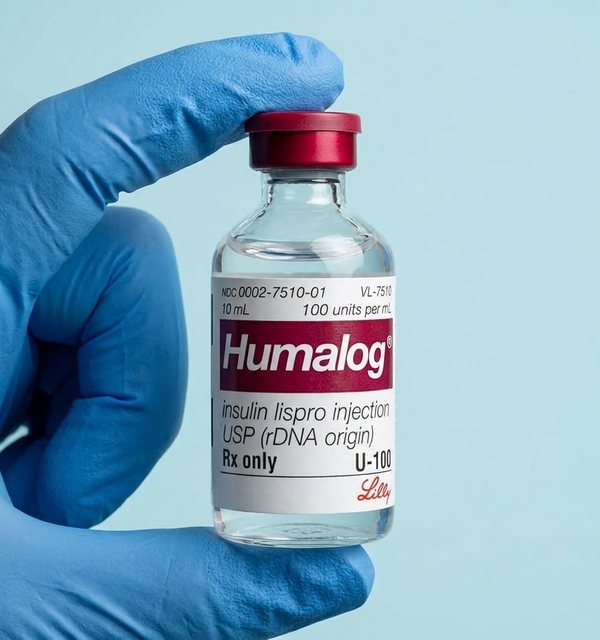
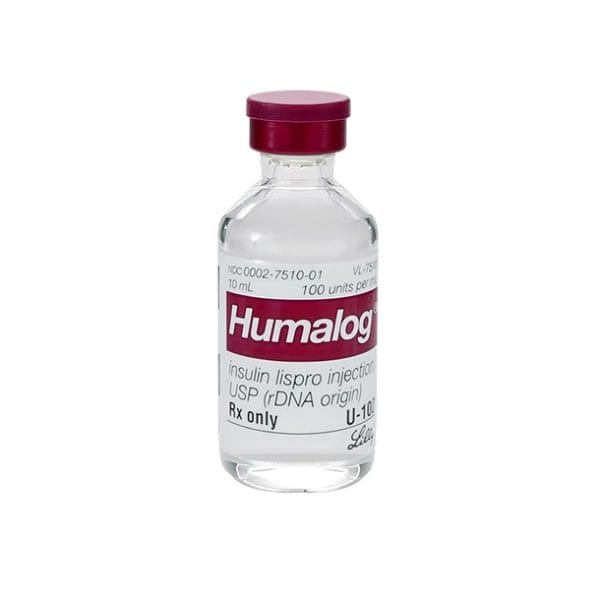
For readers comparing specific human and analog product families, Humulin vs Humalog and Novolin vs Humalog provide related context. These comparisons should support, not replace, individualized medical advice.
Delivery Devices, Injection Technique, and Monitoring
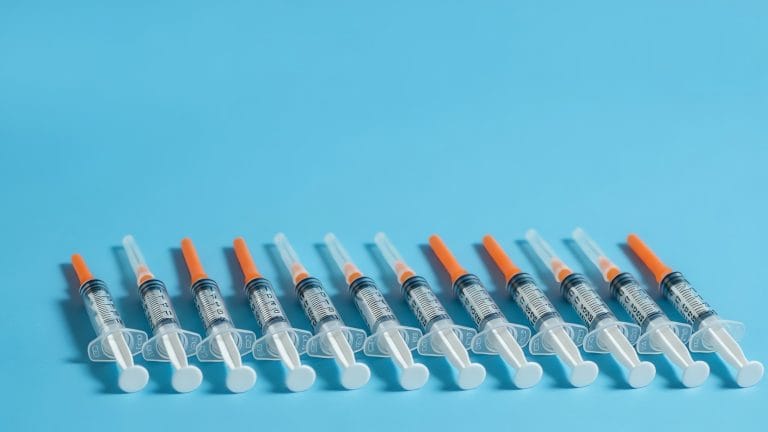
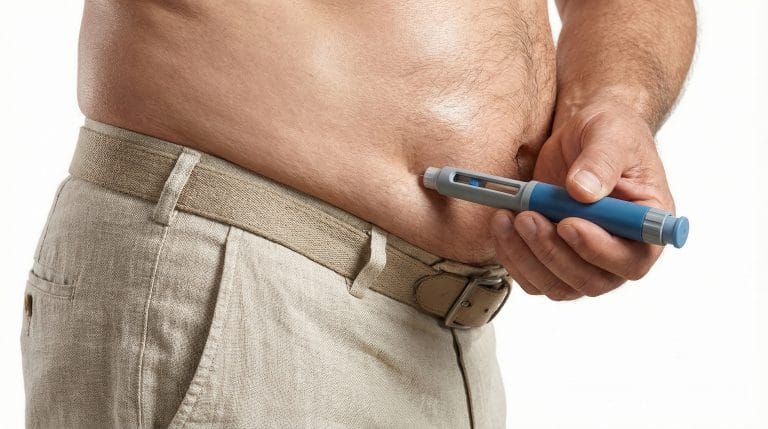
Most insulin is given under the skin using a syringe, pen, or pump. The abdomen, thigh, upper arm, and buttock are common injection areas. Site rotation helps reduce lipohypertrophy, which means fatty thickening under the skin that can disrupt absorption.
Device choice affects convenience and dosing routines. Syringes remain useful for vials. Pens can simplify dose dialing and portability. Pumps deliver rapid-acting insulin continuously and require training, troubleshooting, and backup planning.
Technique also matters. Needle length, injection depth, site selection, and storage conditions can influence comfort and consistency. Cloudy NPH products usually require proper resuspension according to label instructions. Clear insulins should not be used if they appear abnormal.
Monitoring closes the loop. Blood glucose meters and continuous glucose monitors can show whether insulin action matches meals, activity, illness, and sleep. Repeated unexplained highs or lows should be reviewed with a clinician rather than handled through unsupervised dose changes.
Quick tip: Keep a current insulin list with generic names, brand names, and delivery devices.
Safety Points Before Switching or Comparing Products
Switching between insulin products can change glucose patterns. Even products in the same broad category may have different timing, concentration, device instructions, or substitution rules. A prescriber or pharmacist should confirm any switch.
Hypoglycemia is the most important immediate safety concern. Symptoms may include sweating, shaking, hunger, confusion, headache, weakness, or a fast heartbeat. Severe hypoglycemia can cause seizures, loss of consciousness, or require emergency help.
Seek urgent medical care for severe low blood glucose, trouble staying awake, breathing problems, signs of severe allergy, or persistent vomiting with high glucose or ketones. People who are pregnant, have kidney disease, have gastroparesis, or have frequent lows need careful professional review.
Access questions also matter. CanadianInsulin.com is a prescription referral platform, and prescription details may need confirmation with the prescriber when required. Dispensing and fulfilment are handled by licensed third-party pharmacies where permitted, so product access depends on documentation, eligibility, and jurisdiction.
Authoritative Sources
For current clinical standards on insulin therapy and diabetes medication use, see the American Diabetes Association Standards of Care.
For patient-focused information about insulin types and safe use, review the CDC diabetes treatment information.
For Canadian product and safety documents, search the Health Canada Drug Product Database.
Recap
Human insulin vs analog insulin is not a simple better-or-worse choice. Human insulin includes regular and NPH products with established timing patterns. Analogues are engineered to adjust onset, peak, or duration. The best fit depends on glucose goals, hypoglycemia risk, schedule, device needs, access, and clinician guidance.
If you are comparing insulin names, bring the exact product, concentration, device, and instructions to your next appointment. Small wording differences can represent meaningful clinical differences.
This content is for informational purposes only and is not a substitute for professional medical advice.