
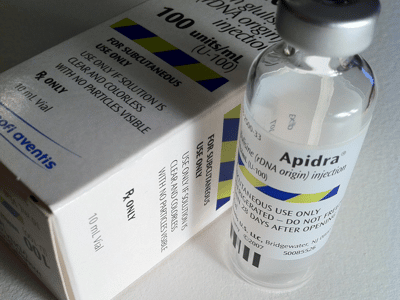
Apidra peak time is usually around 1 to 2 hours after a dose, though some references describe a wider peak window. Apidra, the brand name for insulin glulisine, is a rapid-acting mealtime insulin. It often starts lowering glucose within about 15 minutes and may continue working for several hours. This timing matters because meals, activity, dose size, injection site, and illness can all shift how your glucose responds.
Key Takeaways
- Peak window: Often about 1 to 2 hours after dosing.
- Onset: Usually begins within minutes, commonly around 15 minutes.
- Duration: Often lasts about 3 to 5 hours, with variation.
- Meal timing: Labeling allows use shortly before or soon after meal start.
- Safety point: Consider active insulin before correction doses.
How the Apidra Action Timeline Works
The Apidra action timeline has three practical phases: onset, peak, and tail. Onset means the insulin has started lowering blood glucose. Peak describes the period of strongest glucose-lowering effect. Tail refers to the remaining activity after the peak has passed.
For many people, Apidra onset time is within about 15 minutes. The insulin glulisine peak time often falls near the 1- to 2-hour mark, although charts and labels may describe slightly different ranges depending on the study method. The Apidra duration of action is commonly described as several hours, often around 3 to 5 hours in practical use.
These numbers are reference ranges, not guarantees. A large meal, delayed stomach emptying, a higher dose, a different injection site, or exercise can change the visible glucose pattern. Continuous glucose monitoring (CGM) can also show that a dose seems to work earlier or later than expected, especially when food absorption is uneven.
Why it matters: Timing mismatch can cause early highs, later lows, or both.
For broader background on this medicine, see Understanding Apidra Insulin. That resource explains how insulin glulisine fits among rapid-acting insulin options.
Onset: When Does This Rapid-Acting Insulin Start Working?
Apidra generally starts working quickly because insulin glulisine is designed for mealtime use. Many patients and clinicians plan around an onset of roughly 15 minutes, but the first visible glucose change may vary. CGM arrows, fingerstick checks, food type, and starting glucose all affect what you notice.
Early action depends partly on absorption. The abdomen often absorbs insulin faster than some other sites, but site rotation still matters. Repeated injections into the same area can contribute to lipodystrophy (changes in fat tissue), which may make absorption less predictable. Injecting into scarred, thickened, or irritated skin can also affect timing.
Temperature and movement can matter too. Warm skin and nearby muscle activity may speed absorption. Cold skin, dehydration, or poor circulation may slow it. These effects are usually practical patterns rather than exact rules, so repeated observation is more useful than one isolated reading.
If you use CGM, the tool below can help summarize time-in-range patterns over a set of readings or time blocks. It is a tracking aid, not a dosing calculator or substitute for clinical guidance.
CGM Time-in-Range Summary
Summarise CGM percentages across very low, low, in-range, high, and very high glucose bands.
These calculations are for education only and do not replace clinical advice, diagnosis, or treatment. Always confirm medical decisions with a qualified healthcare professional.
Peak Effect and Meal Timing
Apidra peak time helps explain why dose timing often centers on the start of a meal. The strongest effect commonly occurs after food is already digesting, so the goal is to avoid a large gap between carbohydrate absorption and insulin action. This is why timing is usually discussed together with meal content, glucose level, and activity plans.
The product labeling for Apidra states that it may be taken within 15 minutes before a meal or within 20 minutes after starting a meal. Some people refer to this as the Apidra 15 minute rule. It is not a universal instruction to always inject exactly 15 minutes before eating. It is a labeled timing window that your clinician may adapt to your needs.
Fast-digesting carbohydrates can raise glucose quickly. A short pre-meal interval may help some people better match that rise, when appropriate. High-fat or high-protein meals can raise glucose more slowly and sometimes later. In those cases, a single early dose may not match the full digestion curve. Any split dosing, pump adjustment, or correction strategy should come from your care plan.
Starting glucose also matters. If glucose is low or falling before a meal, injecting too early may increase low-glucose risk. If glucose is high and rising, your clinician may give different instructions. Do not change dose amounts or timing rules without medical guidance, especially if you have frequent lows, pregnancy, kidney disease, gastroparesis (delayed stomach emptying), or a recent medication change.
For food-pattern examples, Apidra and Mealtime Flexibility reviews how different eating routines can affect insulin timing discussions.
Duration, Tail, and Insulin Stacking
Apidra may continue lowering glucose for several hours after the peak. Many references describe a practical duration around 3 to 5 hours, but the tail can differ by person and dose. Larger doses may have a longer or more noticeable late effect.
This tail is important when correcting high glucose. If another rapid-acting dose is taken while the earlier dose is still active, the effects can overlap. This overlap is often called insulin stacking. Stacking can raise the risk of hypoglycemia, especially if glucose starts falling after the second dose.
Insulin on board (IOB) means the estimated amount of active insulin still working from a recent dose. Pumps, some smart pens, and diabetes apps may estimate IOB, but the calculation depends on the settings used. If you do not use a device that tracks active insulin, your clinician may recommend a simpler correction routine.
Exercise can also expose the tail. Activity may increase insulin sensitivity and can make a recent dose feel stronger. This is one reason care teams often ask about meal timing, exercise timing, and recent corrections when reviewing unexpected lows.
Why Timing Varies From One Dose to Another
Apidra insulin timing can vary even when the dose amount stays the same. The body does not absorb every injection identically. Food digestion also varies from day to day, which can make insulin appear faster or slower.
Common factors that shift the curve
- Injection site: Abdomen, thigh, arm, and buttock may absorb differently.
- Site condition: Thickened or scarred areas may reduce predictability.
- Meal composition: Fat and protein can delay glucose rise.
- Activity level: Exercise may increase insulin effect.
- Illness or stress: Hormones can raise glucose and change response.
- Dose size: Larger doses may last longer in some people.
Delivery method can affect technique, even when the insulin itself is the same. Pens may simplify carrying and dose selection. Vials may be used with syringes or, when appropriate, pump systems. If you use a pen, Apidra SoloStar Pen Uses explains handling and administration points to review with a healthcare professional.
Product pages can also help readers identify forms for discussion with a prescriber or pharmacist. For example, Apidra SoloStar Pens and Insulin Glulisine Vials provide form-specific navigation without replacing prescription guidance.
Before or After Meals: Practical Questions to Ask
The best time to inject Apidra depends on your care plan and the meal in front of you. The labeled window supports dosing shortly before a meal or soon after meal start, but your clinician may personalize timing based on glucose patterns. This is especially important if you have unpredictable appetite, delayed digestion, or frequent post-meal lows.
It may help to bring specific questions to a diabetes visit. Ask how to time insulin when your pre-meal glucose is below target, above target, or changing quickly. Ask what to do when a meal is delayed after dosing. Ask whether your plan changes for restaurant meals, alcohol, exercise, illness, or large evening meals.
Quick tip: Keep brief notes on meal type, timing, dose, and glucose response.
Short records can make patterns clearer. A note such as “pasta dinner, dose at first bite, high at 2 hours, lower at 5 hours” gives your care team more context than a single glucose number. Repeated patterns matter more than one unusual day.
For a broader look at indications and care-plan context, see Apidra Uses. If you are comparing names or alternatives, Apidra Generic Name and Alternatives explains insulin glulisine terminology and related options.
Safety Signals and When to Seek Help
The main safety concern with any rapid-acting insulin is hypoglycemia, or low blood glucose. Symptoms may include shakiness, sweating, hunger, headache, fast heartbeat, confusion, or weakness. Severe low glucose can cause seizure, loss of consciousness, or inability to swallow safely. Follow your prescribed low-glucose plan and seek urgent help for severe symptoms.
Injection-site reactions can also occur. Redness, itching, swelling, or mild discomfort may happen after injections. Repeated use of the same area can contribute to fat-tissue changes, so site rotation is important. Seek medical advice for signs of infection, spreading rash, severe swelling, or symptoms of a serious allergic reaction such as trouble breathing.
Medication changes can alter insulin needs or glucose patterns. Steroids may raise glucose. Some blood pressure medicines can mask low-glucose symptoms. GLP-1 receptor agonists, changes in basal insulin, and appetite changes can also affect mealtime insulin timing. Review new medicines and supplements with your clinician or pharmacist.
Storage and handling can affect reliability. Insulin exposed to freezing, excessive heat, or expired use periods may not work as expected. Follow the product instructions for unopened and in-use storage. If insulin looks unusual, has been mishandled, or seems less effective, contact a pharmacist or prescriber before relying on it.
How It Compares With Other Rapid-Acting Insulins
Apidra is one rapid-acting insulin option among several mealtime insulins. Other options include insulin lispro and insulin aspart products. Timing differences between rapid-acting analogs are often modest, but individual response can still matter.
When switching between products, clinicians usually focus on monitoring rather than assuming identical timing. A different analog, pen device, cartridge system, or routine may change how meals and corrections feel in daily life. Your care team may ask for extra glucose checks during a transition.
Product form can also influence convenience. Some people prioritize pen handling. Others use cartridges, vials, or pump-compatible routines. If you are comparing devices, pages such as Humalog KwikPen, NovoRapid Cartridge, and Fiasp FlexTouch can help identify forms to discuss with a clinician.
For condition-level browsing, the Diabetes Articles collection includes educational resources across diabetes care topics. The Diabetes Medical Condition page is a browsing hub for related product categories and condition navigation.
Authoritative Sources
For label-backed timing and safety information, review the manufacturer’s current prescribing information for Apidra insulin glulisine injection. Product labeling gives the most specific official source for administration timing, warnings, and storage requirements.
The American Diabetes Association publishes annual clinical recommendations in the Standards of Care in Diabetes. These standards provide broader context for insulin therapy, glucose monitoring, and individualized diabetes care.
For a plain-language insulin timing chart, Cleveland Clinic summarizes injectable insulin onset, peak, and duration. Use such charts as general references, not as a substitute for your own prescribed plan.
Recap
Apidra peak time is commonly near 1 to 2 hours after dosing, with onset often around 15 minutes and activity lasting several hours. The timing can shift with meal composition, injection site, dose size, activity, illness, and individual absorption. The most useful next step is pattern review: compare dose timing, meal type, glucose trends, and any lows or delayed highs with your care team.
This content is for informational purposes only and is not a substitute for professional medical advice.


