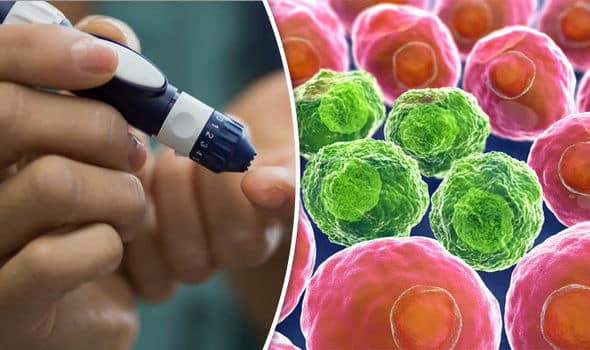
Cancer and Diabetes can affect each other through shared risk factors, treatment effects, and changes in eating, activity, and stress hormones. The link does not mean one condition always causes the other. It does mean glucose monitoring, symptom reporting, and medication planning often need closer coordination during cancer care.
Why this matters: high or low blood sugar can complicate surgery, infections, wound healing, hydration, and cancer treatment tolerance. Early planning helps oncology, endocrinology, and primary care teams reduce avoidable risks.
Key Takeaways
- Shared risks: age, obesity, smoking, and inactivity can affect both diseases.
- Treatment effects: steroids, infection, nausea, and poor intake can shift glucose.
- Type matters: type 1 and type 2 diabetes need different safety planning.
- Symptoms count: new weight loss, jaundice, bleeding, or breath changes need review.
- Team care helps: coordinated plans reduce conflicting medication decisions.
How Cancer and Diabetes Are Connected
The connection between Cancer and Diabetes is strongest for type 2 diabetes, where insulin resistance, higher insulin levels, excess adiposity, and chronic inflammation may overlap with cancer risk. These pathways can influence cell growth signals, including insulin-like growth factor activity. For deeper background, see Insulin-Like Growth Factor.
Type 2 diabetes has been linked in observational research with higher risk of several cancers, including liver, pancreatic, endometrial, colorectal, breast, and bladder cancers. The size of the association varies by cancer type. Risk also depends on age, weight, family history, smoking, alcohol use, viral hepatitis, reproductive history, and screening access.
Type 1 diabetes and cancer have a different pattern. Type 1 diabetes is autoimmune and insulin-dependent, so the main cancer-care issue is often safety during treatment rather than insulin resistance. Chemotherapy, steroids, appetite loss, vomiting, infection, and hospital stays can all disrupt insulin needs. People with type 1 diabetes also need clear plans for ketone checks and sick-day rules.
It is also important to separate association from cause. Diabetes does not mean cancer will develop, and cancer does not always cause diabetes. However, new or rapidly worsening high blood sugar can sometimes be a clue that another illness is present. This is especially relevant when hyperglycemia appears with unexplained weight loss, jaundice, abdominal pain, or persistent fatigue.
Shared Risk Factors and Mechanisms
Several common risk factors can increase diabetes and cancer risk at the same time. These include older age, excess body fat, low physical activity, smoking, heavy alcohol use, and some inherited syndromes. Central obesity can contribute to insulin resistance, fatty liver disease, and inflammatory signals that affect many organs.
Insulin resistance means the body needs more insulin to move glucose into cells. Higher circulating insulin and related growth signals may create a biologic environment that supports abnormal cell growth in some tissues. Inflammation can also damage cells over time and may affect immune surveillance, which is the immune system’s ability to detect abnormal cells.
Glucose itself is not the whole story. Cancer cells can use glucose, but eating sugar does not directly “feed cancer” in a simple one-to-one way. Very restrictive diets can be risky during treatment, especially if nausea, weight loss, kidney disease, or low blood sugar is already present. People receiving cancer therapy should discuss nutrition targets with their care team or a registered dietitian.
For a broad view of diabetes risk contributors, you can review Diabetes Articles. For oncology-related topics, the Cancer Articles collection can help you navigate related reading.
When Cancer or Treatment Raises Blood Sugar
Cancer can raise glucose indirectly by increasing inflammation, stress hormones, appetite changes, infection risk, and medication exposure. Some tumors can also affect organs involved in metabolism. In many cases, the bigger driver is treatment: corticosteroids, certain anti-nausea medicines, reduced activity, dehydration, and infections can all push glucose higher.
Steroids are a common reason glucose rises during chemotherapy or immunotherapy support. They often raise blood sugar later in the day, so fasting readings may not show the full pattern. Home readings, continuous glucose monitor trends, and symptom notes can help clinicians see when the spike occurs.
Some people ask what type of cancer causes high blood sugar. Pancreatic cancer is the clearest example because the pancreas helps regulate insulin and digestion. However, high glucose can occur with many cancers because of stress, infection, weight changes, steroid use, or changes in usual diabetes routines.
The reverse can also happen. Low blood sugar levels in cancer patients may occur when food intake falls, vomiting continues, kidney function changes, or diabetes medicines are not adjusted to match reduced intake. Symptoms can include sweating, shakiness, confusion, weakness, headache, or unusual sleepiness. Severe or recurrent lows need urgent clinician input.
If your readings use a different unit than your clinic uses, a converter can reduce confusion when reviewing logs. It only converts units and does not replace clinical judgment.
Blood Glucose Unit Converter
Convert glucose readings between mg/dL and mmol/L without changing the clinical value.
These calculations are for education only and do not replace clinical advice, diagnosis, or treatment. Always confirm medical decisions with a qualified healthcare professional.
Pancreatic Cancer and New Diabetes Symptoms
Pancreatic cancer diabetes symptoms deserve careful attention because diabetes can be both a risk factor and, in some cases, an early clue. New-onset diabetes after midlife, or rapidly worsening diabetes without a clear reason, is more concerning when it appears with weight loss, poor appetite, abdominal discomfort, back pain, pale stools, dark urine, or jaundice.
Can pancreatic cancer cause diabetes? It can, in some people. A tumor in or near the pancreas may disrupt insulin production, cause inflammation, or affect bile flow and digestion. Most new diabetes is not caused by cancer, but the combination of new diabetes and unexplained weight loss should not be ignored.
Symptoms are often vague at first. Fatigue, early fullness, nausea, or upper abdominal pressure can resemble reflux, gallbladder disease, medication effects, or common digestive problems. That overlap is why persistent, progressive, or unexplained symptoms should be documented and discussed promptly.
For more focused reading, see Diabetes and Pancreatic Cancer. For external symptom guidance, the American Cancer Society explains pancreatic cancer warning signs in patient-friendly language.
Lung, Breast, and Other Cancer-Specific Concerns
Lung cancer and diabetes can overlap through smoking history, inflammation, steroid exposure, infections, and reduced exercise tolerance. Lung cancer itself does not usually cause diabetes directly. However, lung cancer treatment may involve steroids, hospital care, appetite changes, or infections that raise or destabilize blood sugar.
Watch for persistent cough, coughing blood, chest pain, hoarseness, recurrent pneumonia, shortness of breath, or unexplained weight loss. People with long smoking histories should ask clinicians whether lung cancer screening is appropriate. Smoking exposure is often measured in pack-years, which combines packs per day and years smoked.
Breast cancer and diabetes can intersect through weight, menopause, insulin resistance, treatment-related fatigue, and steroid use. Some breast cancer treatments may affect activity level, appetite, bone health, or cardiovascular risk. People with type 2 diabetes may need extra attention to blood pressure, lipids, kidney function, and neuropathy during treatment planning.
Metformin and breast cancer is an active research area, but it should not be treated as a cancer therapy unless prescribed for a clear diabetes-related reason or within a study protocol. If metformin is part of a diabetes plan, clinicians may pause or review it around contrast imaging, kidney injury, dehydration, surgery, or severe infection. You can review general medication context at Metformin, while relying on your prescriber for personal decisions.
Managing Blood Sugar During Cancer Treatment
How to control blood sugar during chemotherapy depends on the treatment plan, diabetes type, food intake, kidney function, infection risk, and steroid schedule. The goal is not perfect numbers. The practical goal is safer ranges that reduce dehydration, infection risk, severe lows, and treatment interruptions.
Before treatment starts, ask who will adjust diabetes medicines, how often to check glucose, and what thresholds should trigger a call. People using insulin should ask about sick-day rules, ketone testing, meal changes, and what to do if vomiting prevents usual carbohydrate intake. People using tablets or non-insulin injections should ask which medicines may need review during dehydration, poor intake, or kidney changes.
Quick tip: keep one updated medication list for every oncology, diabetes, and primary care visit.
Steroids often require a different monitoring pattern. Morning readings may look acceptable while afternoon or evening readings rise sharply. In contrast, poor intake after chemotherapy can increase hypoglycemia risk, especially with insulin or sulfonylureas. These patterns are why clinicians may temporarily change monitoring frequency or medication timing.
Nutrition plans should be realistic. Small meals, protein-containing snacks, fluids, and tolerated carbohydrate sources may be safer than rigid restriction during nausea or mouth sores. A registered dietitian can help balance glucose goals with weight maintenance, kidney disease, swallowing issues, or digestive side effects.
Type 1 Diabetes During Chemotherapy
Type 1 diabetes and chemotherapy need a clear sick-day plan because insulin cannot be stopped safely. Vomiting, infection, steroid exposure, and poor intake can change insulin needs quickly. Ketone testing may be needed during illness or persistent high glucose, especially when appetite is low.
Type 2 Diabetes During Chemotherapy
Type 2 diabetes cancer treatment plans often focus on preventing severe highs and lows while keeping nutrition adequate. Some medicines may be reviewed during dehydration, kidney function changes, procedures, or infection. Any medication change should come from the clinical team, not from general online guidance.
Medication and Treatment Planning Questions
Medication planning is one of the most important parts of caring for Cancer and Diabetes together. Cancer regimens, antibiotics, antifungals, anti-nausea medicines, steroids, pain medicines, and contrast imaging can all affect glucose, kidney function, liver function, hydration, or appetite.
Ask whether your cancer regimen commonly uses steroids and when glucose may peak. Ask whether chemotherapy could worsen neuropathy, since diabetes can already affect nerves. For example, some oncology medicines require nerve-related monitoring. Product pages such as Vincristine and Doxorubicin can provide label-oriented context, but your oncology team should interpret these details for your diagnosis.
Also ask whether infection prevention medicines, nausea medicines, or pain medicines interact with diabetes drugs. Kidney and liver function tests may influence choices. If your care involves a specific cancer medicine, the Cancer Products category can help you browse related medication pages without replacing clinical review.
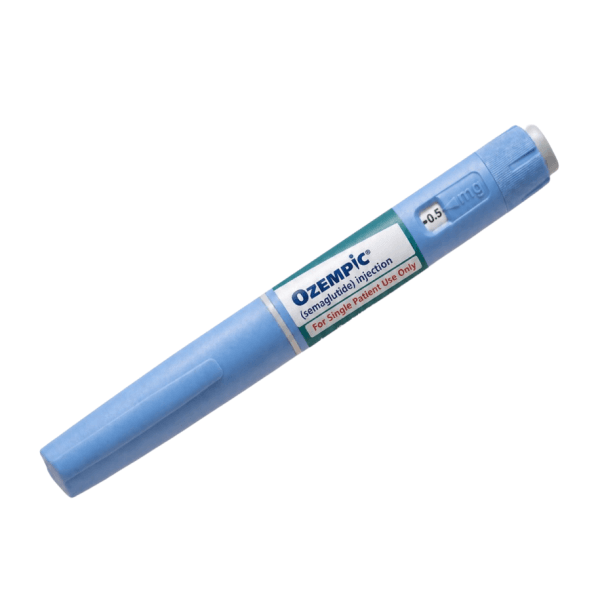
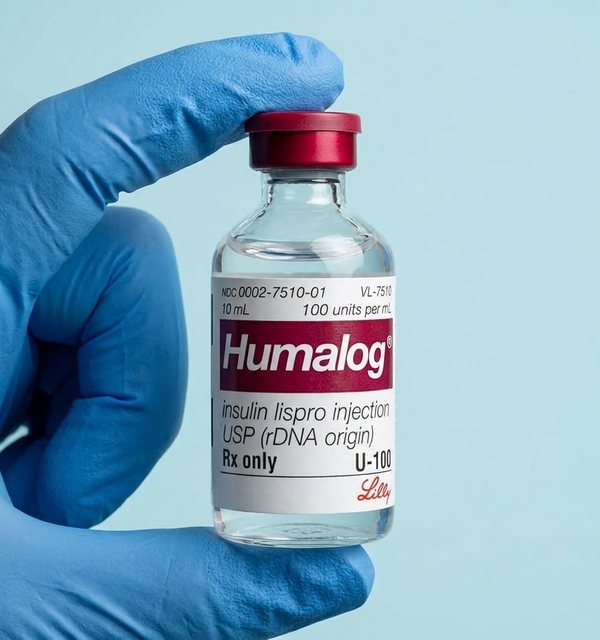
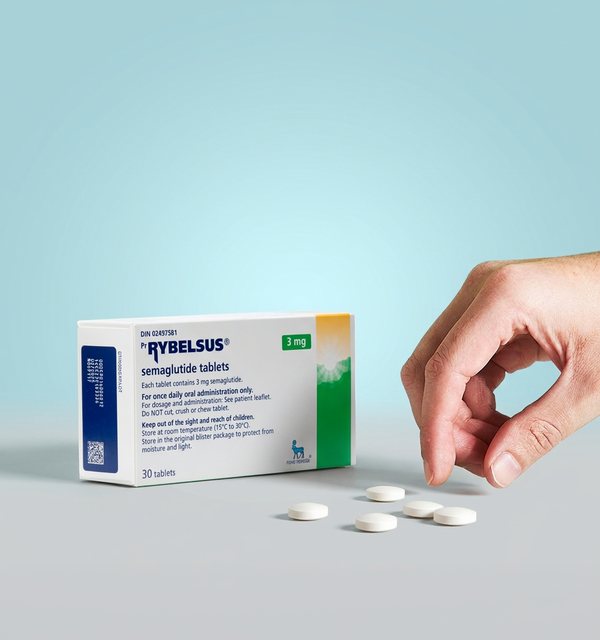
For diabetes medication navigation, the Diabetes Condition page and Diabetes Products category may help you identify relevant product information to discuss with clinicians. CanadianInsulin.com acts as a prescription referral platform, and prescription details may be confirmed with the prescriber where required.
Warning Signs That Need Prompt Care
Seek urgent care for fever during chemotherapy, chest pain, severe shortness of breath, confusion, fainting, repeated vomiting, signs of dehydration, or blood glucose readings above or below the emergency thresholds set by your care team. New jaundice, black stools, unexplained bleeding, severe abdominal pain, or sudden weakness also needs prompt assessment.
Do not assume every symptom is “just diabetes” or “just treatment.” Infection, blood clots, dehydration, medication reactions, heart problems, and cancer progression can overlap. A symptom diary can help clinicians see timing, triggers, glucose patterns, food intake, and medication changes.
Call sooner if symptoms are new, persistent, progressive, or paired with weight loss. This is especially important for pancreatic warning signs, worsening breath symptoms, repeated infections, or unexplained severe fatigue.
Authoritative Sources
The diabetes and cancer consensus report summarizes evidence on shared risks, mechanisms, and clinical cautions.
The CDC discusses eating with diabetes and cancer, including practical nutrition issues during treatment.
The ADA Standards of Care provide clinical guidance on diabetes management, including illness and hospital-related considerations.
Recap
Cancer and Diabetes overlap through shared risk factors, biologic pathways, and treatment-related glucose changes. The most useful approach is early coordination: clarify who manages glucose, track readings during treatment, report persistent symptoms, and keep medication decisions aligned across teams.
Use this information to prepare questions for your oncology and diabetes clinicians. It is not a diagnosis tool, and it should not replace care from a licensed professional.
This content is for informational purposes only and is not a substitute for professional medical advice.