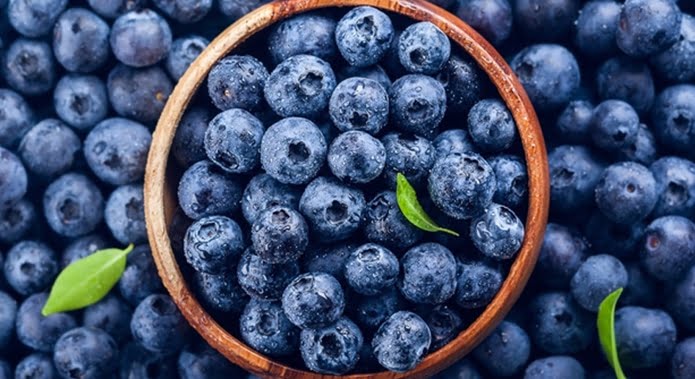
Blueberries and diabetes can fit together when portions, preparation, and the rest of the meal are considered. Whole blueberries contain natural sugar, but they also provide fiber, water, and polyphenols. That mix usually makes them gentler on blood glucose than juice, candy, or sweetened dried fruit. Still, they are not carb-free, and individual responses can vary.
This matters because many people hear that fruit is either healthy or off limits. Neither extreme is useful. A better question is how blueberries fit your carbohydrate target, medications, glucose pattern, and usual meals.
Key Takeaways
- Whole blueberries can fit many diabetes meal plans.
- Fresh and unsweetened frozen berries are usually the simplest choices.
- Portion size affects glucose response more than the fruit label.
- Dried, juiced, or sweetened blueberries can raise carbs quickly.
- Glucose checks can show your own response.
Blueberries and Diabetes: The Glycemic Basics
A practical approach to blueberries and diabetes starts with three ideas: total carbohydrate, fiber, and glycemic impact. Total carbohydrate tells you how much glucose-producing carbohydrate a serving contains. Fiber slows digestion and can blunt the rise after eating. Glycemic impact describes how quickly and how much a food may raise blood sugar compared with other carbohydrate foods.
Fresh blueberries are commonly listed as a low glycemic index fruit, often around the low-GI cutoff. The glycemic index, or GI, ranks foods on how fast they raise blood glucose when tested in a set amount. A low GI does not mean unlimited portions. It means the food tends to raise glucose more slowly than higher-GI foods when eaten in comparable carbohydrate amounts.
Glycemic load, or GL, adds portion size to the picture. That makes it more useful at the plate. A small serving of a moderate-GI food may have a lower glycemic load than a large serving of a low-GI food. For a broader look at fruit choices, see Low GI Fruits.
Blueberries also contain anthocyanins, the plant pigments that give them their deep blue colour. These compounds are studied for metabolic health, but they do not turn blueberries into a treatment. Think of them as one nutrient-dense fruit option, not a substitute for diabetes care.
Do Blueberries Spike Blood Sugar?
Blueberries do not usually spike blood sugar the way sweet drinks or refined desserts can, but they can still raise glucose. The size of the rise depends on how much you eat, whether the berries are fresh or sweetened, what you eat with them, and how your body handles carbohydrate that day.
For example, a measured serving of whole berries with plain Greek yogurt may cause a different response than a large smoothie with juice, honey, and a banana. Blending can also make it easier to drink more fruit than you would normally chew. That does not make smoothies forbidden, but it does make the carb load easier to underestimate.
Some clinicians caution people about fruit when blood glucose is frequently above target, when carbohydrate counting is inconsistent, or when sweetened fruit products are replacing balanced meals. That is not usually a blueberry-specific warning. It is a reminder that fruit still belongs in the carbohydrate part of the meal plan.
If you use insulin or a medicine that can cause hypoglycemia, food timing and carb consistency may matter more. Do not change medication doses because of a fruit choice unless your prescriber gives that instruction. If you are trying to interpret readings, Blood Sugar Normal Range Chart explains common glucose ranges and what they can mean.
One helpful test is to compare your reading before eating with a later post-meal reading. Your care team can tell you when to check and what range applies to you. For general monitoring context, see How Often Should You Monitor Blood Sugar.
Portion Size Matters More Than the Fruit Label
A cup of raw blueberries has about 21 grams of total carbohydrate and roughly 3 to 4 grams of fiber in standard nutrient databases. A half cup provides about half that amount. Those numbers are estimates, because berry size, ripeness, and measuring style vary.
If you count carbohydrates, use the label, a reliable nutrient database, or your dietitian’s meal plan. Many people work with carbohydrate targets per meal or snack. Others use the plate method, continuous glucose monitor trends, or individualized nutrition goals. The right method depends on your treatment plan and daily routine.
Quick tip: Measure blueberries a few times, then learn what your usual portion looks like.
| Blueberry Form | Why It May Affect Glucose Differently | Practical Portion Cue |
|---|---|---|
| Fresh or unsweetened frozen | Contains water and fiber, with no added sugar. | Measure by cup size or carb target. |
| Dried blueberries | Water is removed, so carbs concentrate in a smaller volume. | Use a smaller amount and check for added sugar. |
| Blueberry juice or sweet drinks | Fiber is reduced or removed, and portions add up quickly. | Treat as a higher-impact carbohydrate choice. |
| Sweetened yogurt or desserts | Added sugar and refined starch can drive the glucose response. | Read labels and compare total carbohydrate. |
Glycemic load can help compare portions because it uses GI, available carbohydrate, and servings. This calculator is a general way to estimate glycemic load for food comparisons. It does not set a personal carb target or replace clinical advice.
Glycaemic Load Calculator
Calculate glycaemic load from glycaemic index and available carbohydrate in a serving.
These calculations are for education only and do not replace clinical advice, diagnosis, or treatment. Always confirm medical decisions with a qualified healthcare professional.
For blueberries, the main lesson is simple: whole fruit in a measured amount behaves differently from concentrated fruit products. That difference is often more important than memorizing one GI number.
Meal Tips That Usually Work Better Than Eating Fruit Alone
Blueberries often fit better when they are part of a mixed meal or snack. Protein, fat, and extra fiber can slow digestion and make the meal more filling. This can help reduce the urge to keep grazing after a fruit-only snack.
Simple combinations include blueberries with plain yogurt, cottage cheese, oats, chia seeds, nuts, or a higher-fiber cereal. They can also work in a salad with leafy greens, seeds, and a protein source. If you prefer smoothies, consider using unsweetened berries, a protein source, and a measured portion rather than fruit juice.
Be careful with foods that use blueberries as a health halo. Muffins, pancakes, granola bars, flavoured yogurts, jams, and syrups may contain more refined flour or added sugar than berries. For label-reading context around sweet foods, Diabetes Sugar explains how sugar fits into diabetes nutrition.
Blueberries can also be a useful snack ingredient, especially when the snack includes protein or healthy fat. For more ideas that stay practical, see Healthy Snacking.
What about a 40/30/30 pattern?
A 40/30/30 pattern usually means about 40% of calories from carbohydrate, 30% from protein, and 30% from fat. Some people use it to structure meals, but it is not required for diabetes. It may also be unsuitable for people with kidney disease, pregnancy, eating disorder risk, or specific medication needs. A registered dietitian can help translate any macro pattern into safe portions.
Blueberries, A1C, and Insulin Resistance
The research on blueberries and diabetes is interesting, but it should stay in context. Some studies link berries or blueberry components with markers related to insulin sensitivity, inflammation, and glucose metabolism. These findings do not prove that blueberries alone lower A1C or reverse insulin resistance.
A1C reflects average blood glucose over roughly two to three months. It is affected by many factors, including total eating pattern, medication use, sleep, activity, illness, stress, and glucose monitoring habits. Adding blueberries to a high-sugar diet is unlikely to offset the rest of the pattern.
Insulin resistance also responds to the bigger picture. Weight changes, physical activity, sleep, and meal quality can all play roles. If insulin resistance is a major concern, Improving Insulin Sensitivity covers broader lifestyle factors to discuss with your care team.
Do not treat blueberries as a diabetes therapy. They are better understood as a nutrient-dense carbohydrate food that can fit into a balanced pattern. That framing keeps expectations realistic and safer.
How Blueberries Compare With Other Fruits
No fruit is automatically best for every person with diabetes. The better question is how a fruit’s portion, fiber, ripeness, preparation, and meal pairing affect your glucose pattern. Blueberries, strawberries, raspberries, blackberries, apples, oranges, and pears can all fit many plans when portions are matched to the person.
Compared with many tropical fruits, berries often provide a satisfying volume for a moderate amount of carbohydrate. Strawberries may have fewer carbs per cup than blueberries, while bananas, mangoes, and grapes can add carbs faster by volume. That does not make higher-carb fruits bad. It means measuring and pairing them may matter more.
If you want a broader comparison, Best Fruits For Diabetics discusses practical fruit choices without treating one fruit as universally superior. Another useful resource, What Fruits Are Good For Diabetics, focuses on how to choose wisely by labels, portions, and glucose response.
Fresh, frozen, and canned fruits also differ. Frozen unsweetened blueberries are nutritionally similar to fresh berries and can be convenient. Canned fruit in syrup, sweetened pie filling, and dried fruit blends may contain more added sugar or concentrated carbohydrate. The ingredient list matters.
When to Be More Careful
Most people do not need to avoid plain blueberries, but some situations call for extra care. If your glucose readings are repeatedly above your target, talk with your clinician or registered dietitian before making major carbohydrate changes. The same applies if you have frequent lows, because changing fruit portions without adjusting the wider plan may affect patterns.
People who are pregnant, have kidney disease, use insulin or sulfonylureas, have gastroparesis, or have a history of eating disorders should avoid rigid food rules without professional support. These situations often need individualized nutrition guidance. Seek urgent medical help for severe hypoglycemia symptoms, confusion, vomiting with high glucose, dehydration, or signs your care team has told you to treat as urgent.
Also use caution with allergies, food intolerances, or digestive symptoms. Blueberries are generally well tolerated, but any food can cause problems for some individuals. If symptoms appear after eating them, stop guessing and ask a healthcare professional.
Authoritative Sources
- CDC diabetes healthy eating guidance covers balanced meals, carbohydrates, and blood glucose planning.
- USDA FoodData Central provides nutrient data for blueberry forms and serving comparisons.
- University of Sydney glycemic index database provides searchable GI values for tested foods.
For blueberries and diabetes, the safest takeaway is balanced rather than restrictive. Choose whole, unsweetened berries when possible. Measure portions when glucose patterns are unclear. Pair them with protein, fat, or higher-fiber foods. Then use your own readings and care plan to decide what works for you.
You can browse more diabetes nutrition topics in the Diabetes Articles hub.
This content is for informational purposes only and is not a substitute for professional medical advice.