
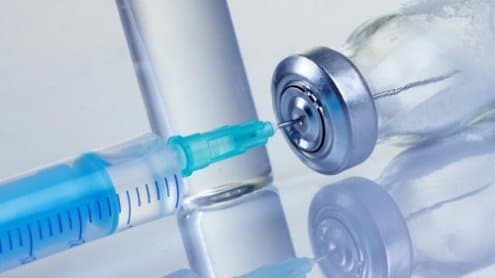
Bolus insulin is a focused insulin dose used to cover a meal, correct a high glucose reading, or both. If you are asking what is bolus insulin, the short answer is this: it is the “right-now” part of insulin therapy, while basal insulin is the background part. This distinction matters because meal timing, carbohydrate intake, activity, and active insulin can all affect glucose after eating.
Most outpatient bolus doses are given under the skin with a pen, syringe, or insulin pump. The dose and timing should come from a diabetes care plan, not guesswork. This article explains the key terms, common insulin examples, timing principles, and the questions to bring to your clinician.
Key Takeaways
- Bolus purpose: Covers meals and corrections.
- Basal contrast: Provides background insulin between meals.
- Timing matters: Insulin type and meal content affect dosing windows.
- Examples vary: Rapid-acting and regular insulin behave differently.
- Safety focus: Dose changes need clinician guidance.
What Bolus Means in Diabetes Care
In diabetes care, a bolus means a single dose given for a specific short-term need. That need is usually food, a high glucose reading, or both. The word can sound technical, but the idea is practical: a bolus is not meant to provide all-day background coverage.
Mealtime bolus insulin is also called prandial insulin. “Prandial” simply means related to a meal. These doses help manage the rise in blood glucose that often happens after carbohydrates are digested. Some boluses also include a correction amount when premeal glucose is above the target range set by the care team.
Bolus insulin may be rapid-acting or short-acting. Rapid-acting analogs are often used close to meals, while regular insulin usually has a slower onset and a longer action profile. The exact timing depends on the insulin, the meal, recent activity, and the person’s glucose pattern.
Why it matters: Treating every high reading like an isolated problem can increase the risk of overlapping insulin doses.
People may use bolus insulin in type 1 diabetes, insulin-treated type 2 diabetes, pregnancy-related diabetes care, or hospital settings. The plan can differ widely. A person using an insulin pump may deliver boluses through the pump. Another person may use multiple daily injections with a long-acting basal insulin plus rapid-acting mealtime doses.
Basal and Bolus Insulin: The Working Difference
Basal insulin covers background needs, while bolus insulin covers meals and short-term corrections. Basal helps limit glucose release from the liver between meals and overnight. Bolus insulin targets glucose changes that happen over a shorter window.
A simple way to compare them is by asking what problem each dose is trying to solve. Basal insulin is for the steady part of the day. Bolus insulin is for the variable part: meals, snacks, corrections, and sometimes pump-specific strategies for slower meals.
For example, someone using basal-bolus therapy might take a long-acting insulin once daily and rapid-acting insulin before meals. Another person using a pump receives small background amounts throughout the day, then enters carbohydrates or glucose data to help calculate a meal bolus. These are basal-bolus insulin examples, but they are not dosing instructions.
If basal settings are too low, glucose may trend high even without eating. If basal settings are too high, lows may occur between meals or overnight. If bolus settings are off, post-meal readings may rise too high or fall too low. This is why clinicians often review fasting numbers, meal records, correction patterns, and glucose trend data together.
For a broader comparison of the two roles, see Short-Acting Insulin for how shorter-action products fit around meals and corrections.
What Is Considered Bolus Insulin?
Bolus insulin usually refers to rapid-acting analog insulin or short-acting regular insulin used around meals. Common rapid-acting examples include insulin lispro, insulin aspart, and insulin glulisine. Regular insulin is an older short-acting option that may still be used in certain plans.
Examples of short-acting insulin include regular insulin products such as Humulin R. Examples of rapid-acting mealtime insulin include Humalog, NovoRapid or NovoLog, Fiasp, and Apidra, depending on local naming and product availability. These names do not mean the products are interchangeable for an individual without clinical review.
Action profiles are central to safe timing. Rapid-acting products generally begin working sooner than regular insulin. Regular insulin often needs more lead time before eating and may last longer. That longer tail can matter when planning snacks, activity, or correction doses.
For insulin aspart timing details, Insulin Aspart Timing gives a focused overview. For glulisine, Apidra Onset and Duration explains typical action-profile concepts. If you are comparing two rapid-acting brands, NovoRapid vs Humalog can help frame questions for your prescriber.
Product format also affects daily use. Some people use pens, while others use vials with syringes or pumps. Relevant product pages, such as Humalog KwikPen, NovoRapid Vials, and Humulin R 100 U/mL, can help you identify forms and labels to discuss with your care team. Keep product selection separate from dose decisions.
How Bolus Doses Are Usually Calculated
A bolus dose is commonly based on carbohydrates, current glucose, and insulin already active in the body. Many plans use an insulin-to-carbohydrate ratio plus a correction factor. These settings should be individualized and reviewed by a qualified clinician.
The meal portion covers the carbohydrates you plan to eat. The correction portion addresses a glucose reading above the target range set in your care plan. Some pump systems also account for active insulin, sometimes called insulin on board, to reduce stacking risk.
A common educational bolus calculation formula looks like this in concept: meal coverage plus correction, adjusted for active insulin when relevant. The actual numbers are personal. They may differ by time of day because breakfast, lunch, dinner, sleep, stress, and exercise can change insulin sensitivity.
Here is a simplified bolus dose example. A person counts the carbohydrates in a meal, applies the ratio prescribed by their clinician, checks premeal glucose, and adds a correction only if their plan calls for one. If they recently took insulin, they also consider active insulin based on their device or clinician’s instructions. This example shows the moving parts, not a recommended dose.
Carbohydrate counting is one piece of many bolus plans. This calculator can help estimate carbohydrate servings from a food label or meal total, but it does not calculate an insulin dose.
Carb Serving Calculator
Convert total carbohydrate grams into carb choices for meal planning and diabetes education.
These calculations are for education only and do not replace clinical advice, diagnosis, or treatment. Always confirm medical decisions with a qualified healthcare professional.
Weight-based estimates may be used when clinicians start or adjust insulin therapy, especially when building a total daily dose framework. However, an insulin dose calculator by weight cannot replace clinical judgment. Kidney function, pregnancy, illness, steroid use, meal pattern, activity, hypoglycemia history, and glucose monitoring data can all change insulin needs.
For a neutral framework on dosing concepts, Insulin Dosage Chart outlines terms that often appear in clinical discussions. Use it as a conversation aid, not as a self-adjustment tool.
Timing Before Meals and After Corrections
Bolus timing depends on the insulin’s action profile and the meal’s digestion pattern. Rapid-acting insulin is often taken shortly before meals when appropriate. Regular insulin may require a longer premeal interval. Your prescribed label and care plan should guide timing.
Meal content can change the glucose curve. A low-fat meal with faster carbohydrates may raise glucose sooner. A high-fat or high-protein meal may delay the rise and extend it later. Some pump users may have options such as extended or split boluses, but those settings need individualized training.
Missed preboluses are common. A late dose may reduce some of the rise, but it can also shift insulin action later than the meal. That timing mismatch may contribute to a later low, especially if activity follows the meal. If this happens often, bring glucose logs and meal notes to your next appointment.
Correction timing also deserves caution. Repeating correction doses before the previous dose has finished working can cause insulin stacking. This risk is higher when someone reacts to every high reading without considering active insulin. Pumps and some smart pens can help track active insulin, but they still depend on appropriate settings.
Quick tip: When tracking patterns, note meal time, carbohydrate estimate, dose time, and exercise.
If you use a continuous glucose monitor, trend arrows may help your clinician interpret patterns. They should not be used alone to override your prescribed plan. If you use a meter, structured checks before meals and at selected post-meal times may still reveal useful patterns.
Common Problems to Discuss With Your Care Team
Repeated highs or lows after meals are a reason to review the plan, not to make large independent changes. Bolus insulin has a narrow safety margin. Small changes can have noticeable effects, especially in people with variable appetite, kidney disease, gastroparesis, or frequent activity changes.
- Post-meal highs: Review timing, carb counts, and meal composition.
- Late lows: Ask about active insulin and delayed absorption.
- Morning differences: Ratios may vary by time of day.
- Exercise effects: Activity can lower insulin needs for some people.
- Illness patterns: Infection or stress can raise glucose.
- Device issues: Technique and site rotation can affect absorption.
Injection technique is easy to overlook. Pen priming, needle changes, site rotation, and proper storage can affect consistency. Pump users also need to watch infusion sites, tubing, reservoir changes, and unexplained glucose rises that may signal delivery problems.
Seek urgent medical help if high glucose is accompanied by vomiting, deep or labored breathing, confusion, severe weakness, or signs of dehydration. People at risk for diabetic ketoacidosis should follow their sick-day plan and ketone-testing instructions. Severe hypoglycemia, loss of consciousness, or a seizure also requires emergency care.
For condition-specific browsing, the Diabetes collection lists related diabetes products and categories. Some patients also review cash-pay options through prescription referral platforms when eligibility, documentation, and jurisdiction allow, while dispensing is handled by licensed third-party pharmacies where permitted.
How to Prepare for a Bolus Insulin Review
A useful insulin review starts with clear records. Bring several days of glucose readings, meal times, carbohydrate estimates, insulin doses, activity notes, and hypoglycemia episodes. If you use a pump or CGM, upload reports when your clinic requests them.
Ask focused questions. You might ask whether your insulin-to-carbohydrate ratio differs by meal, how long to wait before correcting again, or how to handle high-fat meals. You can also ask when to call the clinic for repeated highs or lows.
Brand changes require extra care. Switching between rapid-acting products or between rapid-acting and regular insulin may change timing and monitoring needs. Even when two insulins serve a similar role, the label, device instructions, and personal response can differ.
If you receive prescriptions through a referral service, prescription details may need confirmation with the prescriber where required. That access process does not replace clinical follow-up for dosing, monitoring, or safety concerns.
Authoritative Sources
The ADA Standards of Care summarize insulin-therapy principles, glucose monitoring, and safety considerations used in diabetes care.
The Diabetes Canada guidelines provide Canadian clinical guidance on diabetes management, including insulin-treated diabetes.
The DailyMed drug label database hosts current official labeling for many insulin products used in the United States.
Bolus insulin is best understood as targeted insulin for meals and corrections. The safest next step is to know your prescribed ratios, timing rules, correction instructions, and when to seek help for unusual patterns.
This content is for informational purposes only and is not a substitute for professional medical advice.


