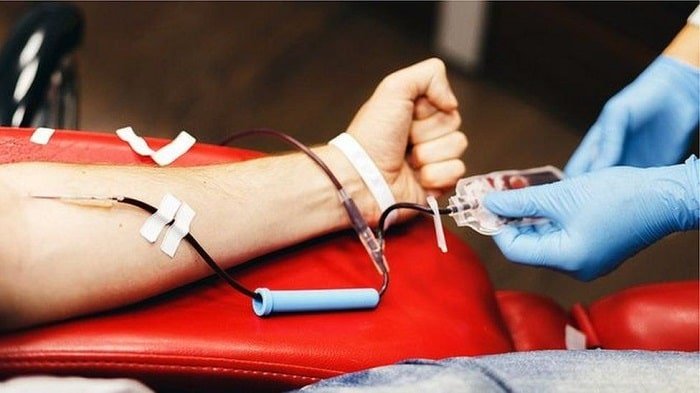
Yes, many people with diabetes can donate blood when they feel well, have stable glucose management, and meet the same screening rules as other donors. If you are asking can diabetics donate blood, the usual deciding factors are overall health, recent symptoms, medications, hemoglobin, blood pressure, and local blood center policy.
Donation rules are designed to protect both the donor and the recipient. A diabetes diagnosis alone is not usually the issue. The concern is whether donation could increase your risk of fainting, dehydration, low blood sugar, or slower recovery, or whether another screening factor requires a temporary deferral.
Key Takeaways
- Stable control matters: donate only when you feel well and glucose is reasonably managed.
- Medication details help: bring a current list, including insulin and weekly injectables.
- Insulin is not always disqualifying: policies vary, and recent severe lows matter.
- A1C cutoffs are uncommon: many centers focus on wellness and screening results.
- Preparation reduces risk: eat, hydrate, monitor, and avoid strenuous activity afterward.
Can Diabetics Donate Blood? Eligibility Basics
Most blood centers assess diabetes by current health status, not by the diagnosis alone. You still need to pass standard donor screening, which may include age, weight, blood pressure, pulse, temperature, hemoglobin, recent illness, travel, surgery, and medication questions. The staff member who screens you has the final decision on that day.
Some people are deferred because their diabetes is not stable at the time of donation. Others are deferred for reasons unrelated to diabetes, such as low hemoglobin, active infection, recent procedures, or a medication that affects recipient safety. This is why two donors with similar diabetes histories may receive different answers at different visits.
Why it matters: A temporary deferral is not the same as being permanently unable to donate.
Type 1, Type 2, and Prediabetes
Diabetes type alone usually does not decide eligibility. People with type 1 diabetes, type 2 diabetes, or prediabetes may qualify if they feel well and meet donor criteria. The bigger questions are whether glucose patterns are stable, whether recent hypoglycemia has occurred, and whether complications could make donation less safe.
For a plain-language comparison of diabetes types, see Type 1 Versus Type 2 Diabetes. That context can help you explain your condition clearly during screening, especially if staff ask about insulin use, insulin resistance, or recent changes in treatment.
Complications may also affect the decision. Active foot ulcers, severe nerve symptoms, significant kidney disease, advanced eye disease, or heart problems can change risk during or after donation. If you have a serious complication or a recent hospitalization, check with your clinician and the donation center before scheduling.
Medication and Insulin Questions That Affect Screening
Most diabetes medications are not automatic reasons for deferral, but screening staff need accurate details. Bring the medication name, dose schedule, and the date of any recent change. Also mention non-diabetes medicines, including antibiotics, blood thinners, acne medicines, or immune-suppressing drugs, because those can affect eligibility.
Common oral medicines, including metformin and some other glucose-lowering tablets, are often acceptable when the donor feels well. For background on major medication classes, review Common Diabetes Medications. If your regimen is mainly tablet-based, Oral Diabetes Medication can help you understand the terms screeners may use.
Recent changes matter because they can make your glucose response less predictable. A new medicine, a changed dose, or a period of missed meals can increase the chance of low or high readings. Donation centers may ask you to wait until your plan is stable, especially if you recently had dizziness, vomiting, dehydration, or a low blood sugar episode that required help.
Insulin, Pumps, and CGMs
Insulin use does not automatically prevent donation in many programs. Screeners usually ask whether your insulin plan is stable, whether you have had severe hypoglycemia, and whether you feel well on the day of donation. If you use a pump or continuous glucose monitor, bring supplies and know where your sensor or infusion set sits so staff can avoid those areas.
Technology can make screening easier when you can explain your usual monitoring pattern. For a broader overview of pumps, pens, and continuous glucose monitors, see Diabetes Tech. Do not adjust insulin just to qualify for donation unless your own diabetes care team gives specific instructions.
Mounjaro, Ozempic, and Other Newer Medicines
Weekly injectable medicines such as semaglutide or tirzepatide are not usually treated the same way as blood thinners or donor-risk medications. The practical issue is how you are tolerating them. If nausea, vomiting, poor intake, or dehydration is present, rescheduling is safer than trying to donate while unwell.
Some medicines can also increase dehydration risk during illness or reduced fluid intake. For example, sodium-glucose cotransporter-2 medicines have specific safety cautions when a person is sick or dehydrated. This SGLT2 Inhibitors resource gives broader class context, but your donor center still decides eligibility.
Whole Blood, Plasma, and Platelets Are Screened Separately
Whole blood, plasma, and platelet donation can have different rules, even for the same person. When people ask can diabetics donate blood, plasma, or platelets, the safest answer is that many can, but each donation type has its own screening process and center-specific limits.
Whole blood donation removes red blood cells, plasma, and platelets together. Plasma or platelet donation often uses apheresis, a process that separates one component and returns the rest of the blood to your body. The visit may take longer, and centers may check extra factors such as vein access, protein levels, platelet counts, or donation frequency.
Because apheresis returns red cells, recovery may feel different from whole blood donation. Still, hydration, food intake, and glucose monitoring remain important. If you have a history of fainting during blood draws, tell staff before the procedure starts. They can position you safely and decide whether that donation type is appropriate.
Blood Sugar, A1C, and Day-of-Donation Safety
There is usually no single public blood sugar or A1C number that guarantees eligibility. Many centers do not use a universal A1C cutoff for donation. Instead, they look at whether diabetes is well managed, whether you feel healthy that day, and whether you pass standard screening. Local policy can differ, so confirm before you go.
A1C reflects average glucose over several months, but it does not show how you feel today. A donor with a reasonable A1C can still be unsafe to donate during illness, after a severe low, or while dehydrated. A donor with a higher recent A1C may also be deferred if staff believe current control is not stable enough for donation.
Checking your glucose before leaving home is practical, especially if you use insulin or medicines that can cause hypoglycemia. For context on common reading ranges, see the Blood Sugar Normal Range Chart. If you are unsure how often to check around unusual activities, How Often To Monitor Blood Sugar offers a broader monitoring framework.
High glucose on donation day can reflect stress, illness, missed medication, dehydration, or recent food choices. Low glucose can happen if you ate too little, exercised more than usual, or have insulin or medication still active. If readings are outside your usual safe range, or you have symptoms, postponing donation is the safer choice.
Practical Safety Checklist Before You Donate
This checklist turns can diabetics donate blood into practical steps you can use before an appointment. It does not replace local donor rules, but it can reduce avoidable deferrals and make the visit safer.
- Confirm center policy: check diabetes, insulin, plasma, and platelet rules before scheduling.
- Review recent symptoms: postpone if you feel sick, dizzy, dehydrated, or unusually weak.
- Eat a balanced meal: include carbohydrate, protein, fluids, and iron-containing foods.
- Hydrate early: drink fluids the day before and the morning of donation.
- Check your glucose: use your usual meter or monitor before leaving home.
- Carry fast carbohydrates: bring glucose tablets, juice, or another usual low-treatment option.
- Bring medication details: list names, timing, recent changes, and insulin or pump information.
- Plan a quiet afternoon: avoid heavy exercise, sauna use, or strenuous lifting afterward.
Quick tip: Wear sleeves that roll above the elbow without pressing on devices.
If low readings are a recurring concern, review your usual prevention plan with your diabetes care team. This resource on Low Blood Sugar explains common symptoms and general response steps, but urgent or repeated episodes need clinician guidance.
After Donation: Recovery and When to Pause
After donation, drink fluids, eat the provided snack, and stay seated until staff say it is safe to stand. Keep your meter or continuous glucose monitor available. Some donors notice lower readings after donation if they ate less than usual, while others see higher readings from stress or sugary snacks.
Do not use donation day as a time for intense workouts or skipped meals. A balanced meal with fluids, carbohydrate, and protein can support recovery. If you use insulin or a medicine that can cause hypoglycemia, continue your usual monitoring plan unless your clinician has advised a different approach for special situations.
Contact a healthcare professional if you have repeated lows, persistent vomiting, chest pain, fainting, shortness of breath, confusion, or symptoms that do not improve with rest and fluids. Seek urgent care for severe hypoglycemia, severe weakness, or any symptom that feels dangerous or unusual for you.
Recent donation may also affect some lab results, especially hemoglobin. If you have diabetes labs scheduled soon, ask your clinician whether timing matters. This is especially relevant if your care team is tracking anemia, kidney disease, or an A1C trend that needs careful interpretation.
Authoritative Sources
Donation eligibility changes over time and differs by location. Use official donor-center guidance for the final answer before scheduling.
- American Red Cross diabetes and blood donation information: diabetes-specific donor guidance in a U.S. setting.
- Canadian Blood Services donor eligibility criteria: Canadian donor screening information and eligibility checks.
Recap
For most donors, the answer to can diabetics donate blood is yes when diabetes is stable, the donor feels well, and standard screening criteria are met. The main reasons for delay are temporary issues such as illness, low hemoglobin, unstable glucose, recent medication changes, dehydration, or complications that raise safety concerns.
Before donating, verify the rules with your local blood center, bring medication details, monitor glucose, and plan recovery time. For broader diabetes education, the Diabetes Articles hub can help you review related monitoring, medication, and self-care topics.
This content is for informational purposes only and is not a substitute for professional medical advice.