
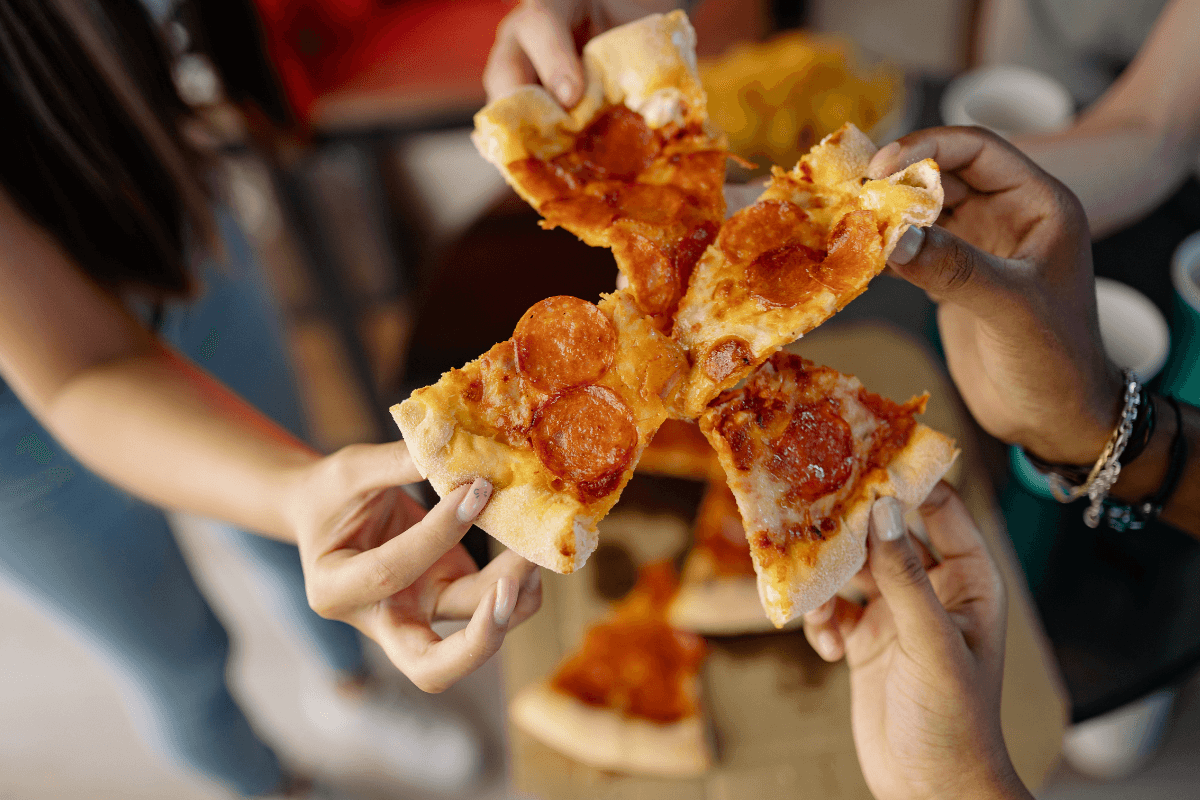
Yes, people with diabetes can eat pizza, but it usually works best as a planned meal rather than an untracked snack. Can Diabetics Eat Pizza depends on the crust, slice size, toppings, total carbohydrates, fat content, and your usual glucose response. Pizza can raise blood sugar, and the rise may last longer than expected because cheese and oils slow digestion.
The practical goal is not to find a perfect pizza. It is to choose a slice that fits your carbohydrate plan, keeps saturated fat reasonable, and avoids turning one meal into several meals’ worth of starch and sodium.
Key Takeaways
- Portion drives impact: Slice size and crust thickness matter most.
- Fat delays peaks: Cheese and oils can cause later glucose rises.
- Fiber helps balance: Choose vegetables, legumes, or whole-grain crusts when possible.
- Labels reduce guessing: Compare carbs, fiber, saturated fat, and sodium.
- Patterns matter: Review repeated highs or lows with your care team.
Why Pizza Affects Blood Sugar Differently
Pizza affects glucose in two main phases. The crust and sauce provide carbohydrates, which can raise blood glucose after eating. Cheese, pepperoni, sausage, and added oils add fat and protein, which can slow stomach emptying and shift part of the glucose rise later.
This is why some people see a moderate rise at first, then a second rise several hours later. The pattern can be more noticeable with thick crust, stuffed crust, extra cheese, or meat-heavy toppings. It may also matter more for people using mealtime insulin, continuous glucose monitoring, or a structured carbohydrate target.
For a plain-language refresher on carbohydrate counting, the American Diabetes Association explains meal planning and carbohydrate awareness in its carbohydrate guidance. For deeper internal reading, see Carbs And Diabetes.
Why it matters: Pizza may not raise glucose quickly for everyone, but it can raise it longer.
What Type of Pizza Fits Better With Diabetes?
The best pizza for diabetes is usually a smaller portion with a thinner, higher-fiber base, vegetables, lean protein, and moderate cheese. This does not mean one style is always safe or unsafe. It means the whole slice matters.
Thin crust usually has fewer carbohydrates than deep-dish, pan, or stuffed crust. Whole wheat pizza dough for diabetics may add fiber, but it still contains carbohydrates. Cauliflower crust can be useful, but only if the label supports it. Some cauliflower crusts include rice flour, tapioca starch, or potato starch, which can make them closer to regular crust.
Better crust choices
- Thin crust: Often lower in total carbohydrate.
- Whole grain: May add fiber and improve fullness.
- Legume blends: Chickpea or lentil bases may add protein.
- Cauliflower crust: Check starches before assuming low carb.
Toppings that usually help
Diabetic friendly pizza toppings tend to add volume and flavor without a large carbohydrate load. Choose mushrooms, peppers, spinach, onions, tomatoes, broccoli, olives, grilled chicken, tuna, shrimp, or turkey. Use processed meats less often because they can add sodium and saturated fat.
Cheese pizza can fit some plans, but it may be easier to overeat because it lacks vegetables and lean protein. For more on dairy choices, review Cheese And Diabetes. If you want to understand how carbohydrate quality affects meals, Glycemic Index In Diabetes offers more context.
How Many Slices Can a Person With Diabetes Eat?
There is no universal number of slices that works for everyone. One large restaurant slice may contain more carbohydrates than two small thin-crust slices. Your usual carbohydrate target, medicines, activity level, and glucose history all matter.
A practical approach is to estimate the carbohydrates in the whole meal, not just the pizza. If you add breadsticks, soda, dessert, or dipping sauces, the glucose effect can change quickly. A salad, water, and slower eating may help you stop at the portion you planned.
The calculator below can help estimate carbohydrate servings when you know the total carbohydrate grams. It is a general math tool, not personal medical advice.
Carb Serving Calculator
Convert total carbohydrate grams into carb choices for meal planning and diabetes education.
These calculations are for education only and do not replace clinical advice, diagnosis, or treatment. Always confirm medical decisions with a qualified healthcare professional.
Many meal plans use carbohydrate servings as a rough structure. Your clinician or registered dietitian can help set a personal target, especially if you use insulin, take medicines that can cause hypoglycemia, are pregnant, have kidney disease, or have frequent highs or lows.
Quick tip: Decide your slice limit before the box opens.
Frozen, Chain, and Takeout Pizza Choices
Frozen and restaurant pizzas can fit a diabetes meal plan when the portion and label make sense. The challenge is that serving sizes vary widely. A package may list one serving as one-third of a pizza, while most people eat more.
When choosing the best frozen pizza for diabetics, compare labels rather than brand claims. Look at total carbohydrate, fiber, protein, saturated fat, and sodium. A thinner crust with vegetables and moderate cheese often works better than a thick crust with processed meats.
- Total carbs: Count the serving you will actually eat.
- Fiber: Higher fiber may improve fullness.
- Saturated fat: Extra cheese and meats add up.
- Sodium: Frozen and chain pizzas often run high.
- Serving size: Confirm whether it means one slice or more.
For label reading skills, see Food Labels With Diabetes. The U.S. Food and Drug Administration also explains serving size, carbohydrates, and sodium on the Nutrition Facts label.
At chains, choose thin crust when available. Ask for extra vegetables, lighter cheese, and sauces on the side if possible. Limit creamy dips, stuffed crusts, sweet sauces, and large combo meals. If fast food is common in your routine, Fast Food And Diabetes Risk explains broader tradeoffs.
Homemade Pizza Ideas That Give You More Control
Homemade pizza for diabetics gives you the most control over crust, sauce, cheese, toppings, and portion size. You can build a meal that still tastes familiar while lowering the carbohydrate and fat load.
Start with a thin whole-wheat pita, tortilla, chickpea flatbread, or a carefully chosen cauliflower crust. Add a tomato-based sauce with no added sugar when possible. Then use vegetables generously and cheese moderately. Grilled chicken, tuna, turkey, mushrooms, peppers, spinach, onions, and olives all work well.
A diabetic pizza sauce recipe can be simple. Use crushed tomatoes, garlic, basil, oregano, black pepper, and a small amount of olive oil. Check canned tomato labels because some sauces add sugar or large amounts of sodium.
If you need a gestational diabetes pizza recipe, use extra caution with portion size and timing. Pregnancy often requires more consistent carbohydrate distribution. A registered dietitian or prenatal diabetes team can help adapt meals safely.
Type 1, Type 2, and Medication Timing Considerations
Pizza and diabetes type 1 can be tricky because mixed meals may create a delayed rise. People using insulin often track patterns after pizza and discuss adjustments with their diabetes team. Do not change insulin timing or doses without guidance from your clinician.
Pizza for diabetics type 2 follows the same food principles: portion control, fiber, lean protein, and less saturated fat. Activity after the meal may help some people, but medication use, fitness level, and safety risks vary. If you often see high readings after pizza, bring glucose logs, food details, and portion estimates to your next appointment.
Some diabetes medicines can increase the risk of low blood sugar, especially when meals are delayed, smaller than expected, or paired with alcohol. Seek medical guidance for repeated hypoglycemia, severe highs, vomiting, dehydration, pregnancy concerns, or symptoms that feel unusual for you.
Authoritative Sources
- American Diabetes Association: Understanding Carbohydrates
- FDA: How to Understand and Use the Nutrition Facts Label
- CDC: Sodium and Health
Pizza can stay on the menu for many people with diabetes when it is planned. Choose the portion first, then adjust crust, toppings, sides, and timing. For broader condition navigation, you can browse the Diabetes Articles collection or the Diabetes product category for related site resources.
This content is for informational purposes only and is not a substitute for professional medical advice.


