
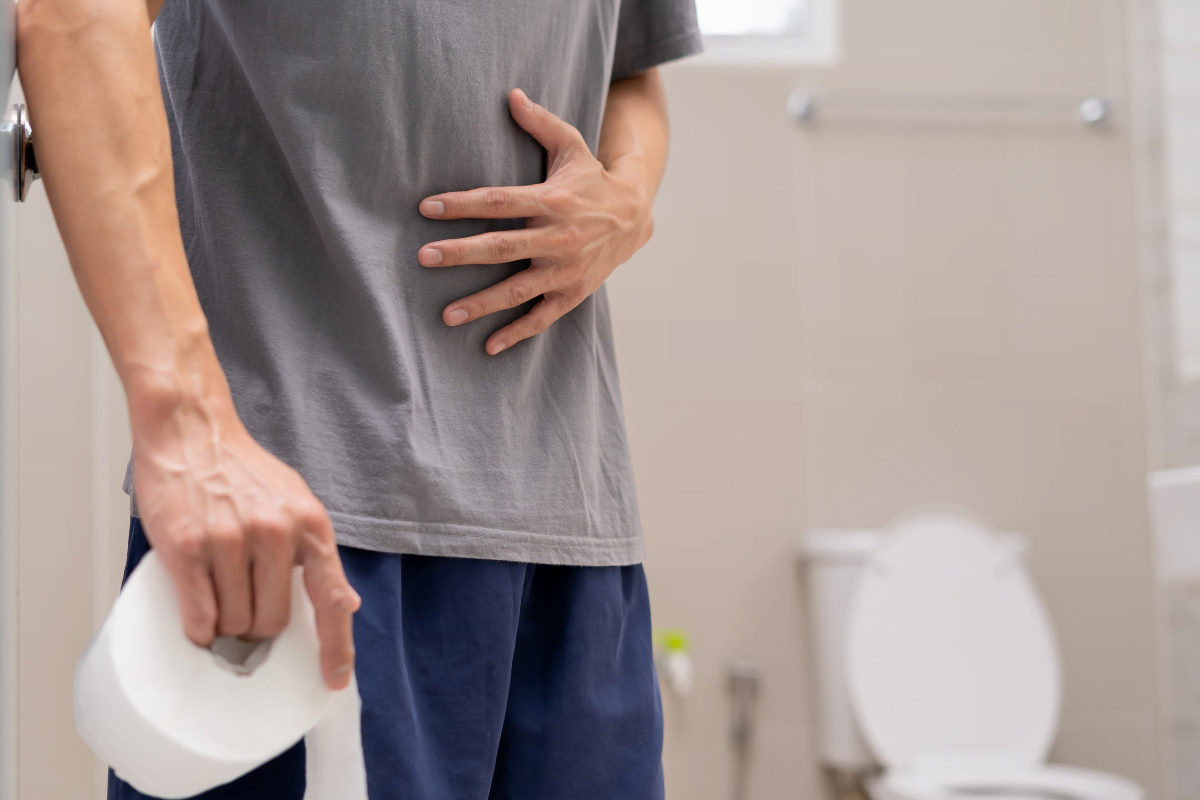
Many patients ask, can Wegovy cause diarrhea, and how long might it last. Wegovy (semaglutide) can trigger gastrointestinal (stomach and intestines) symptoms, especially early in treatment. Most cases are mild to moderate and manageable with simple steps. Understanding timing, triggers, and red flags helps you navigate therapy more confidently.
Key Takeaways
- Common effect: Diarrhea is a known, often temporary side effect.
- Typical timing: Symptoms often appear during dose increases.
- Modifiable triggers: Large or high-fat meals can worsen diarrhea.
- Self-care first: Hydration, gentle foods, and pacing meals help.
- Safety checks: Seek care for dehydration, severe pain, or blood.
Can Wegovy Cause Diarrhea?
Yes. Wegovy can increase bowel frequency and loosen stools. The effect is tied to how semaglutide acts on GLP-1 receptors that influence gut motility and secretion. For most people, symptoms lessen over time as the body adapts. New or worsening diarrhea should still be monitored carefully, particularly during dose escalation.
Diarrhea can occur alongside other digestive symptoms, such as nausea, cramping, or bloating. These effects are usually manageable with dietary adjustments and hydration. However, contact your healthcare professional if you experience signs of dehydration or persistent symptoms. Guidance is especially important if you have preexisting gastrointestinal conditions.
According to the FDA-approved prescribing information, gastrointestinal events are among the most common effects with semaglutide. For detailed safety language and warnings, review the Wegovy prescribing information from the FDA on this official label. This resource outlines cautions, including pancreatitis and gallbladder risks.
What Diarrhea Looks Like on Wegovy
Diarrhea varies from slightly loose stools to frequent watery bowel movements. Some patients notice cramping, urgency, or mild bloating. Others report intermittent episodes after larger meals. Symptoms often cluster around dose increases and may ease between escalations.
If you are wondering when does wegovy diarrhea start, many people notice changes within days of a dose change. Some experience earlier onset, particularly if meals are large or high in fat. Track your food, timing, and bowel patterns to identify triggers. Bring notes to clinical appointments to guide individualized advice.
Tip: Use a simple stool diary for one to two weeks. Note time, meal content, and severity. This helps you spot patterns and adjust meals proactively.
Why It Happens: Mechanisms and Triggers
Semaglutide acts on the gastrointestinal tract by slowing gastric emptying and modulating intestinal motility. These changes can shift fluid movement and sensitivity, contributing to loose stools. In some people, this mechanism also produces nausea or early fullness. Individual responses differ, and small dietary shifts can make a meaningful difference.
Dietary fat, artificial sweeteners, and large portion sizes often aggravate symptoms. This is one reason clinicians see flares during holidays or travel. If you are asking why does wegovy cause diarrhea, the answer usually involves GLP-1 effects on gut movement plus meal-related triggers. The effect is pharmacologic, but the experience can be moderated with behavioral strategies.
For comprehensive safety context across gastrointestinal effects, consult the FDA Medication Guide language included with prescriptions. You can review the official patient-focused summary through the Wegovy medication guide hosted by the FDA at this government resource. It outlines common events and urgent symptoms requiring attention.
Practical Steps to Manage Symptoms
Focus on hydration with electrolytes if stools are frequent. Choose bland, low-fat foods (e.g., bananas, rice, applesauce, toast) for several meals. Add soluble fiber (e.g., oats, psyllium) gradually to bulk stools, and avoid large portions. Small, frequent meals are often better tolerated than heavy plates.
If you wonder how to stop wegovy diarrhea, start by simplifying meals for 24–48 hours. Sip fluids steadily, aiming for light yellow urine. Avoid alcohol, very spicy foods, and high-fat dishes until symptoms settle. Consider discussing over-the-counter antidiarrheals with a clinician if episodes persist.
Moderate activity and stress reduction can also help. For ideas that complement medication, see Wegovy and Exercise for practical synergy tips that may support overall tolerance.
Food Timing: After-Meal Patterns and Triggers
Diarrhea often clusters after larger or richer meals. Some patients react to fried foods, creamy sauces, or sugar alcohols. Others notice flare-ups after high-fiber meals when fiber ramps up too quickly. Adjusting meal size and composition can reduce the after-meal spike in symptoms.
If you experience wegovy diarrhea after eating, lower fat and simplify meal structure. Try a smaller portion first, then add food in stages. Chew thoroughly and allow time between courses. When reintroducing trigger foods, do so slowly and note your response.
Eating Pattern Adjustments
Front-load fluids earlier in the day and avoid large late dinners. Space fiber and protein across meals to prevent sudden load. Consider lactose-free dairy if you suspect sensitivity. For practical food lists that mirror common GLP-1 triggers, see Foods to Avoid With Trulicity for a transferable framework on limiting high-fat or trigger foods.
Nighttime Symptoms and Sleep
Some people experience urgent stools or cramping after bedtime. Eating late, heavy dinners or lying down soon after eating can worsen symptoms. Consider finishing dinner at least two to three hours before bed. Keep a small glass of electrolyte solution at the bedside if dehydration is a concern.
If you notice wegovy diarrhea at night, shift calories earlier and keep evening meals lighter. Limit caffeine and alcohol close to bedtime. If sleep disruption continues, review your schedule with your clinician. For related sleep considerations on GLP-1 therapy, see Ozempic and Insomnia for contextual insights about rest and routines.
How Long It Lasts and When It Starts
Timing varies, but many patients have the most symptoms during initial titration. Episodes often lessen as the body adjusts and the dose stabilizes. Keep a log of severity and duration to discuss during follow-up. This helps your prescriber tailor advice without abrupt medication changes.
If you are asking how long does wegovy diarrhea last, mild cases often settle within days to a couple of weeks. Flares can recur after each dose increase, then diminish. As a broader pattern, when do Wegovy side effects start is commonly tied to early weeks and dose steps. Persistent or severe episodes warrant clinical review.
For perspective on treatment duration planning, see How Long to Take Ozempic for long-term strategy thinking that often parallels semaglutide.
Safety Considerations and Red Flags
Seek care urgently for signs of dehydration: dizziness, minimal urination, or fainting. Severe abdominal pain, fever, blood in stool, or black tarry stools also require prompt evaluation. People with kidney disease are particularly vulnerable to fluid losses. Take early steps to hydrate and contact a clinician if concerns arise.
Semaglutide has warnings for pancreatitis and gallbladder disease. Thyroid C-cell tumors occurred in rodents, and Wegovy is contraindicated with personal or family history of medullary thyroid carcinoma or MEN 2. Review the official labeling if you have these risk factors; the FDA Wegovy label provides detailed cautions in this reference document. Do not ignore worrisome symptoms during therapy.
Long-Term Use, Fatigue, Hair, and Sex-Specific Concerns
Long-term side effects of Wegovy continue to be studied. Some people report fatigue, which usually improves with steady routines and dose stabilization; many ask whether Wegovy-related fatigue goes away over time. Hair shedding can occur after rapid weight loss due to telogen effluvium (stress-related hair cycling), not directly from the medication itself. Balanced nutrition and adequate protein may help.
Sex-specific concerns often center on menstrual changes, nausea intensity, or gallstone risk during rapid weight loss. Discuss contraception and pregnancy plans with your clinician before starting therapy. For broader weight care topics, explore our Weight Management category for context on safe, sustainable approaches.
Alcohol and Everyday Triggers
Alcohol can irritate the gut and worsen nausea or diarrhea. It also complicates hydration and sleep quality. If you choose to drink, keep amounts modest and avoid on escalation days. Pair with food and water, and monitor your response carefully.
Other triggers include sugar alcohols (e.g., sorbitol), very spicy dishes, and large meals. Adjust one factor at a time so you can tell what helps. If episodes cluster around dining out or travel, pre-plan lighter options and carry oral rehydration packets. For broader stomach topics, visit our Gastrointestinal articles to compare patterns and strategies.
Dosing, Escalation, and When to Seek Help
Most digestive effects coincide with dose escalation. Titration aims to balance efficacy and tolerability. Do not change your dose on your own. Share symptom logs so your prescriber can advise on pacing and supportive measures.
For dose-escalation specifics, see Wegovy Doses to understand the standard step-up schedule and timing. You can also review the product page for Wegovy if you need brand and formulation details to inform discussions with your clinician.
Compare Options and Related Topics
If diarrhea remains difficult, some patients discuss alternative regimens. Mechanisms differ across GLP-1 and dual-agonist options. Comparing profiles may clarify trade-offs in efficacy and tolerability. Consider reading comparative guides before appointments, and capture questions in writing.
For head-to-head overviews, see Saxenda vs Wegovy to contrast dosing and effects. To compare newer options, review Wegovy vs Mounjaro for mechanism differences, and Tirzepatide vs Semaglutide for a detailed look at dual versus single agonists. For a broader landscape, see Best GLP-1 for Weight Loss to situate choices by goals and context.
Recap
Diarrhea with Wegovy is usually temporary and manageable. Most people experience the worst symptoms during dose increases. Hydration, smaller low-fat meals, and gradual fiber can reduce episodes. Plan lighter evening meals and avoid late-night snacks if nights are difficult. Keep a simple diary to identify your personal triggers.
Stay alert for dehydration, severe pain, or red-flag symptoms. Bring your notes to follow-ups and avoid self-adjusting the dose. With a few practical habits and careful monitoring, many patients continue treatment comfortably. If symptoms persist or intensify, seek medical guidance to ensure safety.
Note: This content is for informational purposes only and is not a substitute for professional medical advice.


