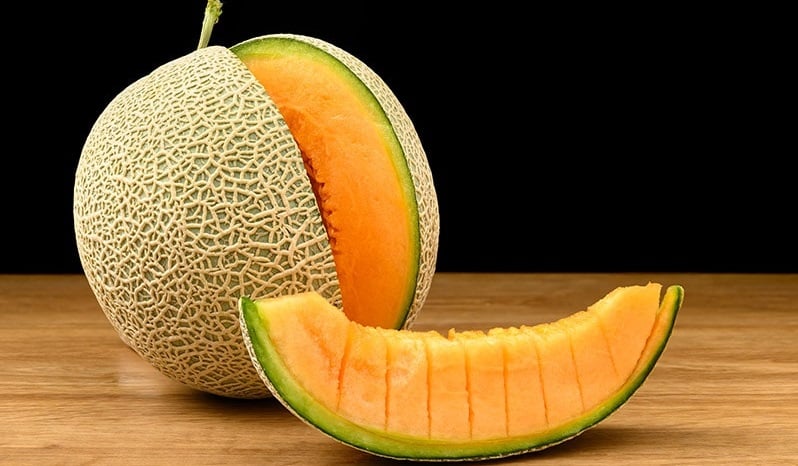
Yes, cantaloupe can fit into many diabetes-friendly eating patterns when the portion is measured and balanced with other foods. The practical answer to is cantaloupe good for diabetics depends on serving size, total carbohydrate intake, medications, activity, and your glucose response after eating.
Cantaloupe is mostly water and provides vitamin C, beta-carotene, potassium, and natural sugars. That mix can be useful, but it still counts as a carbohydrate food. A large bowl eaten alone may raise blood glucose more than a measured serving paired with protein or fat.
Key Takeaways
- Measured portions matter more than the melon type.
- One cup of cubes is a practical starting serving.
- Protein or fat pairing may soften glucose rises.
- Whole fruit is usually preferable to juice.
- Meter or CGM data gives the most personal answer.
Is Cantaloupe Good for Diabetics?
Cantaloupe is not off-limits for most people with diabetes, but it works best as a planned carbohydrate choice. A typical 1-cup serving of raw cantaloupe cubes contains about 13 to 14 grams of carbohydrate. That is similar to one carbohydrate serving in many meal-planning systems.
The fruit has a moderate glycemic index, which estimates how fast a food may raise blood sugar. Its glycemic load is lower at a usual portion because cantaloupe contains a lot of water. Glycemic load considers both the type and amount of carbohydrate in the serving.
Why it matters: A food can have a moderate glycemic index but still have a modest effect when the portion is small.
If you use insulin or medicines that can cause low blood sugar, fruit choices should fit your care plan. Ask your clinician or registered dietitian for individualized carbohydrate targets if you have repeated highs or lows, pregnancy, kidney disease, gastroparesis, or an eating disorder history.
For broader diabetes nutrition context, the Diabetes Articles collection can help you compare food, glucose, and treatment topics in one place.
How Cantaloupe Affects Blood Sugar
Cantaloupe can raise blood sugar because it contains natural sugars, mainly in the form of simple carbohydrates. The rise is usually easier to manage when the serving is measured and eaten with a balanced meal.
Ripeness, portion size, meal timing, and what you eat with the melon all matter. Very ripe fruit may taste sweeter and can be easier to overeat. A large fruit bowl with several melon varieties can also add up quickly, even when every ingredient is considered healthy.
Fiber is another factor. Cantaloupe has some fiber, but not as much as berries, pears, or apples with skin. Fiber slows digestion and can reduce the speed of glucose absorption. Since cantaloupe is relatively low in fiber, pairing it with higher-protein or higher-fat foods often helps.
Useful pairings include plain Greek yogurt, cottage cheese, nuts, eggs, tofu scramble, or a small portion of cheese. These foods do not erase the carbohydrate content. They simply make the snack or meal more balanced.
If you use a continuous glucose monitor, look at your trend rather than one isolated number. If you use fingerstick testing, your care team may suggest checking before eating and again after meals. Do not change medication doses based only on one fruit trial unless your clinician has told you how to do that safely.
Serving Size: How Much Cantaloupe Makes Sense?
A reasonable starting point is 1 cup of cubed cantaloupe, or a small wedge of similar carbohydrate content. This amount gives sweetness and volume without turning the snack into a high-carbohydrate meal.
Some people do better with half a cup, especially at breakfast or when glucose is already running high. Others tolerate a full cup well when it is eaten after a protein-rich meal. Your usual carbohydrate budget is more important than a universal rule.
Here is a practical way to test your own response without overcomplicating it:
- Measure the portion before eating.
- Keep the rest of the meal similar.
- Pair with protein or fat.
- Track your glucose response.
- Repeat on another day.
Quick tip: Use the same bowl or measuring cup until the portion becomes familiar.
The calculator below can help compare glycemic load when you know a food’s glycemic index and available carbohydrate. It is a general math tool, not a personalized nutrition plan.
Glycaemic Load Calculator
Calculate glycaemic load from glycaemic index and available carbohydrate in a serving.
These calculations are for education only and do not replace clinical advice, diagnosis, or treatment. Always confirm medical decisions with a qualified healthcare professional.
For more detail on fruit portions and diabetes-friendly choices, see What Fruits Are Good for Diabetics.
Cantaloupe Nutrition and Glycemic Load
Cantaloupe provides nutrients that many people want more of, including vitamin C and orange plant pigments related to vitamin A activity. It also contributes fluid because it is water-rich. Those benefits do not cancel out its carbohydrate content, but they explain why whole fruit can still belong in a balanced pattern.
Approximate nutrition for 1 cup of raw cantaloupe cubes is shown below. Values vary by variety, ripeness, and serving weight.
| Nutrient | Approximate Amount | Why It Matters |
|---|---|---|
| Carbohydrate | 13 to 14 g | Counts toward meal carbohydrate totals |
| Fiber | 1 to 2 g | Helps slow digestion, though the amount is modest |
| Natural sugars | 12 to 13 g | Can raise blood glucose |
| Vitamin C | Meaningful daily contribution | Supports normal immune and tissue functions |
| Potassium | Several hundred mg | Relevant to overall diet, but kidney conditions may require limits |
If you have chronic kidney disease or have been told to limit potassium, ask your care team how melon fits your plan. Cantaloupe is not the highest-potassium food, but potassium targets can be strict for some people.
For readers comparing lower-glycemic options, Low-GI Fruits explains how glycemic index can guide choices without treating any single number as perfect.
Is Cantaloupe Good for Prediabetes?
Cantaloupe can also fit a prediabetes eating pattern when it replaces higher-sugar desserts or sweet drinks. The same portion principles apply: choose whole fruit, measure the serving, and pair it with foods that add protein, fat, or fiber.
Prediabetes means blood glucose is above the usual range but not in the diabetes range. Food choices, activity, weight changes when appropriate, sleep, and medications all may affect progression risk. No single fruit prevents or causes diabetes by itself.
For prediabetes, the bigger pattern matters. A small serving of cantaloupe after a balanced meal is very different from a large smoothie with fruit juice, sweetened yogurt, and several servings of fruit. Liquid and blended forms are often easier to consume quickly, which can raise carbohydrate intake before fullness catches up.
If your A1C is rising, review your full day of carbohydrate sources. Bread, rice, pasta, potatoes, sweet drinks, desserts, and snack foods often contribute more total carbohydrate than one measured fruit serving. A registered dietitian can help you adjust portions without removing foods you enjoy unnecessarily.
Honeydew, Watermelon, and Other Sweet Melons
Watermelon, honeydew, and cantaloupe can all fit into diabetes meal planning when portions are controlled. The main difference is usually serving size, not whether one melon is automatically safe and another is unsafe.
Honeydew has a similar water-rich structure and a mild flavor. Some people ask whether honeydew is good for diabetics because it tastes sweet and refreshing. It can be, but it still adds carbohydrates. Measure a cup rather than estimating from a large bowl.
Watermelon often attracts concern because it tastes very sweet. It may have a higher glycemic index, but its water content keeps the carbohydrate amount per measured cup moderate. The problem is usually the portion. A few large wedges can contain several servings.
Sweet melon is a broad term, and the same rule applies across varieties. Use whole fruit, avoid syrup-packed fruit cups, and be cautious with juices. Juice removes much of the chewing and portion control that helps whole fruit feel satisfying.
If you enjoy fruit and want a broader framework, Fruit in a Diabetes-Friendly Diet reviews why fruit quality, fiber, and portions matter together.
What Is the Best Fruit for Diabetics to Eat?
There is no single best fruit for every person with diabetes. The best choice is the fruit that fits your carbohydrate target, provides useful nutrients, and keeps your glucose response within the range set by your care team.
Berries, apples, pears, citrus fruits, cherries, plums, and peaches often work well because they offer fiber and satisfying portions. Melons can also work, especially when measured. Dried fruit, fruit juice, and syrup-packed fruit usually require more caution because carbohydrates concentrate quickly.
Some search results focus on the “worst fruits for diabetics,” but that wording can be misleading. A more useful question is whether the form and serving size fit your plan. For example, a small orange may be reasonable, while a large glass of orange juice may deliver several fruit servings quickly.
Strawberries and blueberries are common choices because they provide fiber and volume for a moderate carbohydrate amount. Grapes can fit too, but they are easy to eat by the handful. Pre-portioning helps avoid accidental carbohydrate stacking.
For a deeper comparison of fruit choices, read Best Fruits for Diabetics. If you want a specific stone-fruit example, Plums and Diabetes covers another fruit that many readers compare with melon.
Practical Ways to Eat Cantaloupe With Diabetes
The easiest way to include cantaloupe is to treat it as part of a meal, not a free food. Build the plate first, then decide where the fruit fits within your carbohydrate allowance.
At breakfast, cantaloupe may pair well with eggs, unsweetened Greek yogurt, cottage cheese, or tofu. At lunch, a small portion can sit beside a salad with chicken, beans, tuna, or tempeh. As a snack, combine it with nuts or cheese if those foods fit your nutrition plan.
Try these practical habits:
- Choose whole melon instead of juice.
- Cut cubes into measured portions.
- Avoid adding sugar or syrup.
- Eat slowly and notice fullness.
- Compare readings after similar meals.
- Adjust portions with professional guidance.
Food safety also matters. Wash the outside of the melon before cutting it, because the knife can carry surface germs into the flesh. Refrigerate cut melon and discard it if it smells fermented, looks slimy, or has been left out too long.
If you use diabetes supplies to track patterns, the Diabetes condition page provides a browseable list of related items. Product navigation should support, not replace, advice from your healthcare team.
When to Get More Individual Guidance
You should seek individualized advice when fruit causes repeated glucose spikes, lows, or confusion about insulin matching. This is especially important if you take insulin or sulfonylureas, because these medicines can increase hypoglycemia risk.
Pregnancy, kidney disease, delayed stomach emptying, active weight loss treatment, and a history of disordered eating also change the conversation. In these cases, a simple “good” or “bad” fruit label is not enough. Your care plan may need specific carbohydrate timing, potassium targets, or meal spacing.
Bring real examples to appointments. Write down the portion, time of day, meal pairing, activity, medication timing, and glucose readings. This gives your clinician or dietitian better information than a general food list.
If you use a CGM, time-in-range trends may show whether fruit portions fit your routine. If you use a meter, several checks across similar meals can still reveal patterns. Either way, the goal is not perfection. The goal is a repeatable plan you can live with.
Authoritative Sources
For official fruit-choice guidance, see the American Diabetes Association’s page on best fruit choices for diabetes.
For nutrient values by food and serving size, the USDA provides FoodData Central nutrition data.
For a general explanation of glycemic index and glycemic load, the Linus Pauling Institute offers a glycemic index and load overview.
Recap
Is cantaloupe good for diabetics in a practical sense? Often, yes, when it is eaten as whole fruit, measured carefully, and balanced with protein, fat, or fiber-rich foods. The most useful serving for many people is about 1 cup of cubes, but your glucose data and care plan should guide the final answer.
Cantaloupe, honeydew, and watermelon are not automatically harmful because they taste sweet. Large portions, juices, syrups, and unplanned carbohydrate stacking create most of the concern. Keep the fruit, manage the serving, and review repeated glucose patterns with your healthcare team when needed.
This content is for informational purposes only and is not a substitute for professional medical advice.