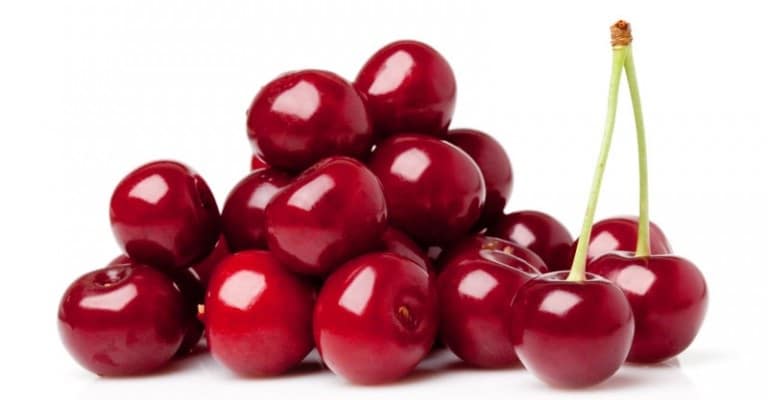
Cherries can fit into many diabetes meal plans when the portion is measured and the rest of the meal is balanced. The main issue with cherries and diabetes is not whether the fruit is “allowed,” but how much carbohydrate you eat, what you pair it with, and how your blood glucose responds afterward.
Fresh cherries provide fiber, water, vitamin C, potassium, and plant pigments called anthocyanins. They also contain natural sugars. That combination makes them different from candy or juice, but they still count as a carbohydrate food. If you use insulin, take medicines that can cause hypoglycemia, or follow a specific carb target, discuss fruit portions with your clinician or registered dietitian.
Key Takeaways
- Fresh cherries can fit most diabetes meal plans in measured servings.
- A 1-cup pitted serving of sweet cherries has about 19 grams of carbohydrate.
- Pairing cherries with protein or fat may reduce rapid post-meal glucose rises.
- Dried cherries and cherry juice can raise blood sugar faster than whole fruit.
- Your meter or CGM gives the best feedback on your personal response.
How Cherries Affect Blood Sugar
Cherries raise blood sugar because they contain carbohydrate, but the rise is often more gradual than with many refined sweets. Whole cherries contain fiber and water, which slow eating and may help blunt glucose absorption. The effect still depends on the serving size and your overall meal.
A typical 1-cup serving of pitted sweet cherries contains roughly 19 grams of total carbohydrate and about 3 grams of fiber. A ½-cup serving often lands closer to 10 grams of carbohydrate, depending on cherry size and variety. These values are estimates, so labels and nutrient databases are useful when precision matters.
Why this matters: two bowls of cherries can feel like a light snack, but the carbohydrate can add up quickly.
People often ask, “Are cherries good for diabetes?” A better way to frame the question is whether cherries fit your carbohydrate target and glucose pattern. For many people, a small portion of fresh cherries works well as a snack or dessert. For others, especially during periods of high glucose or medication changes, even fruit portions may need closer tracking.
If you are comparing fruit choices more broadly, see Fruits Good For Diabetics for a practical approach to labels, portions, and meal planning.
Glycemic Index, Glycemic Load, and Portion Size
The glycemic index ranks how quickly a carbohydrate food raises blood glucose compared with a reference food. Cherries are usually considered a low-glycemic fruit, though values can vary by testing method, ripeness, and variety. Glycemic index helps with comparisons, but it does not replace carbohydrate counting.
Glycemic load adds portion size to the picture. This is important because a low-glycemic food can still raise glucose if the serving is large. In everyday terms, ½ cup of cherries usually has a smaller blood sugar effect than a heaping cereal bowl, even if both are the same fruit.
Use this calculator to estimate glycemic load when you know the GI value, available carbohydrate, and number of servings. It is a general planning tool, not a substitute for individualized medical guidance.
Glycaemic Load Calculator
Calculate glycaemic load from glycaemic index and available carbohydrate in a serving.
These calculations are for education only and do not replace clinical advice, diagnosis, or treatment. Always confirm medical decisions with a qualified healthcare professional.
Practical Serving Examples
- Small snack: ½ cup pitted cherries with nuts or cheese.
- Meal dessert: 1 cup pitted cherries after a protein-rich meal.
- Higher-risk portion: large bowls eaten alone or while distracted.
- More concentrated form: dried cherries, especially sweetened products.
For many adults, ½ cup is a useful starting point when testing tolerance. One cup may also fit, especially when included within a planned meal. The right amount depends on your glucose targets, medications, activity, and what else you eat that day.
If your goal is to choose lower-glycemic fruit more often, review Low GI Fruits for other options that may fit similar meal plans.
Fresh, Frozen, Dried, and Juice: Why Form Matters
Fresh and unsweetened frozen cherries are usually the easiest forms to portion. They keep their fiber and are eaten slowly enough for most people to notice fullness. Frozen cherries can work well in plain Greek yogurt, oatmeal, or a small smoothie, as long as the serving is measured before blending.
Dried cherries are more concentrated. Water is removed, so a small handful can contain the carbohydrate of a much larger fresh serving. Many dried cherry products also contain added sugar. If you use them, read the serving size and total carbohydrate on the label, not only the front-of-package claims.
Cherry juice is different from whole cherries. Juice removes most of the chewing and much of the fiber effect, while delivering carbohydrate quickly. Even unsweetened juice can raise glucose faster than whole fruit. If you include it, keep the portion small and consider checking your glucose response.
Quick tip: place cherries in a small bowl before eating instead of snacking from the bag or container.
For a wider look at why whole fruit can still have a place in a diabetes-friendly pattern, see Fruit Benefits For Diabetes.
Sweet, Tart, and Dark Cherries
Sweet, tart, and dark cherries differ in flavor, acidity, and plant compounds, but portion size remains the main blood sugar factor. Tart cherries may taste less sweet, yet they still contain natural sugars. Dark sweet cherries provide anthocyanins, but that does not make unlimited portions glucose-neutral.
Sweet cherries are the common fresh snack variety. They are easy to overeat because they taste mild and are often served in large bowls. Tart cherries are often sold frozen, dried, canned, or as juice. Those forms may include added sugar, so the ingredient list matters.
Dark cherries are not automatically better or worse for people with diabetes. They can be a reasonable choice when eaten in measured portions. The best option is usually the form you can portion consistently and pair with other foods.
For comparison with another common fruit, Bananas And Diabetes explains how ripeness, portion size, and meal context change glucose impact.
Pairing and Timing Strategies That May Help
Pairing cherries with protein, fat, or a mixed meal may lead to a steadier glucose response than eating them alone. Examples include cherries with plain Greek yogurt, cottage cheese, almonds, walnuts, or a meal that includes lean protein and non-starchy vegetables.
Timing can also matter. Cherries eaten after a balanced meal may affect glucose differently than cherries eaten alone late at night. Some people also see better post-meal readings after light activity, such as a short walk, when it is safe and appropriate for them.
Nighttime snacks need individual testing. A small serving of cherries with protein may work for one person, while another person may see higher fasting glucose the next morning. A glucose meter or continuous glucose monitor can show patterns over several days.
If you often see high readings after fruit, do not assume you need to remove all fruit. First check the portion, the form, added sugars, and what you ate with it. Repeated highs, lows, pregnancy, kidney disease, gastroparesis, or eating disorder history are reasons to get individualized advice.
When to Limit Cherries or Choose Another Fruit
Some situations call for extra caution with cherries and diabetes. If your glucose is running high, your care plan may prioritize stabilization before adding carbohydrate snacks. If you have advanced kidney disease, potassium targets may affect fruit choices. If you have gastroparesis, fiber and fruit skins may affect digestion and glucose timing.
People using insulin or sulfonylureas should also be mindful of timing. Carbohydrate intake, medication action, and activity can interact. Do not change medication doses based on one fruit response without professional guidance.
Allergies and oral allergy syndrome can also matter. Stop eating the food and seek medical help for symptoms such as trouble breathing, throat swelling, widespread hives, or severe dizziness. For milder mouth itching or stomach symptoms, discuss patterns with a clinician.
If you want broader fruit comparisons, Best Fruits For Diabetics reviews diabetes-friendly choices without treating any single fruit as universally best.
How Cherries Compare With Other Fruits
Cherries are not the only fruit that can fit a diabetes plan. Berries often provide fewer carbohydrates per cup and more volume. Grapes can be similar to cherries in how easy they are to overeat. Bananas, mangoes, and dried fruits often require closer portion control because their carbohydrates can add up quickly.
No fruit reliably “lowers A1C” on its own. A1C reflects average glucose over roughly three months, and it is influenced by total eating pattern, medications, activity, sleep, illness, and other factors. Cherries can be part of a pattern that supports glucose management, but they should not be treated as a treatment.
The “worst” food for blood sugar is also context-specific. Sugary drinks, large portions of refined starches, and low-fiber desserts often raise glucose quickly. But the dose, timing, and total meal still matter. A planned dessert portion may have less impact than repeated grazing on sweet foods.
For more diabetes education and related nutrition topics, the Diabetes Articles collection can help you continue reading across food, monitoring, and treatment-adjacent subjects.
Authoritative Sources
The USDA FoodData Central nutrient database provides reference values for cherry carbohydrates, fiber, vitamins, and minerals. Values can vary by variety, ripeness, and preparation.
The University of Sydney maintains a glycemic index and load database that explains how GI testing works and why portions still matter.
Diabetes Canada offers a practical glycemic index food guide for understanding low-, medium-, and high-GI carbohydrate foods.
Recap
Cherries can be part of a diabetes-friendly eating pattern when you measure portions, count carbohydrates, and choose whole fruit more often than juice or dried forms. Start with a modest serving, pair it with protein or fat, and use your meter or CGM to learn your own response.
Nutrition databases provide averages, not personal predictions. Your glucose pattern, medications, activity, and health conditions should guide how often and how much fruit you include.
This content is for informational purposes only and is not a substitute for professional medical advice.