
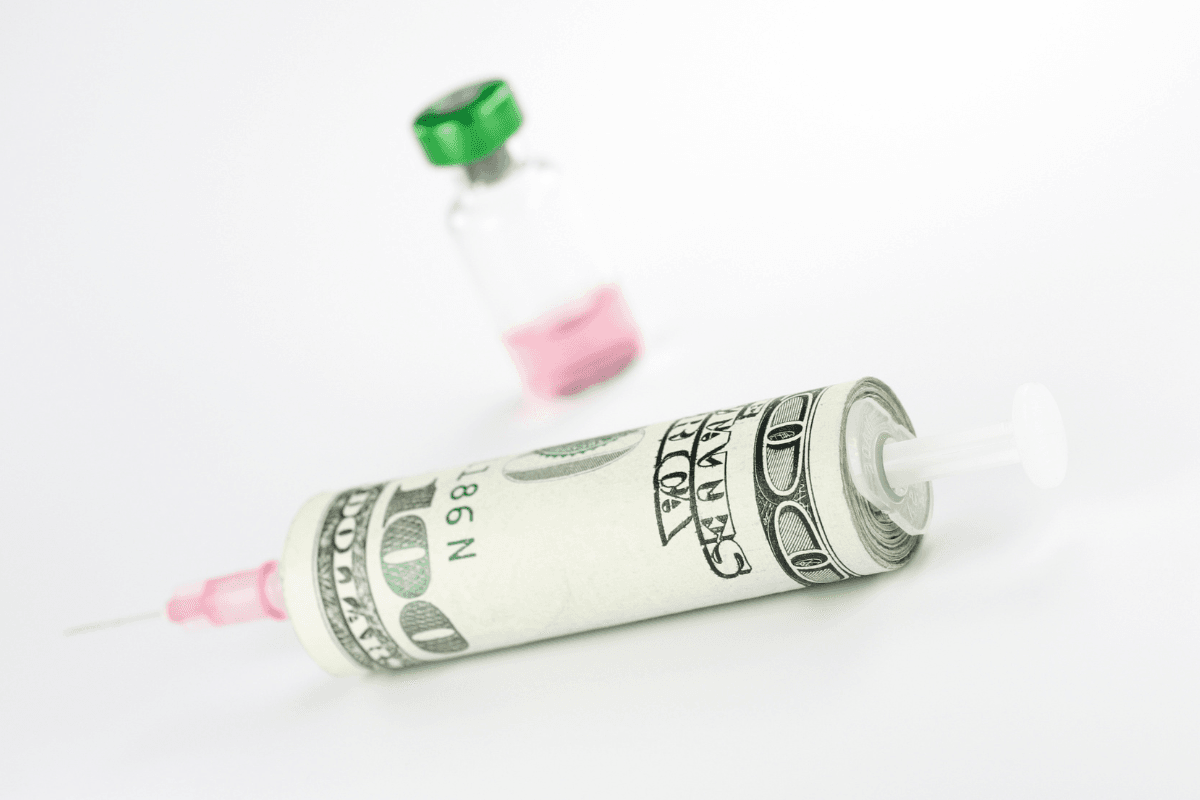
Insulin cost can vary widely because the amount you pay is shaped by your insurance rules, insulin type, device format, pharmacy contract, and eligibility for assistance programs. A one-month supply may be capped for some Medicare beneficiaries, while people paying cash can see much larger differences between pharmacies. The safest first step is to map your current prescription, estimate monthly use, and compare options with your diabetes care team before making any change.
Why this matters: insulin is not optional for many people with diabetes, so unpredictable costs can affect refills, food budgets, and care planning. Clear comparisons can reduce surprises without encouraging unsafe dose changes.
Key Takeaways
- Know the layers: list, negotiated, and out-of-pocket costs differ.
- Check your plan: formularies, deductibles, and preferred pharmacies matter.
- Compare formats: vials, pens, and cartridges can change waste and unit cost.
- Ask early: Medicare caps and assistance programs have specific eligibility rules.
- Keep care safe: never ration insulin or change doses without medical guidance.
What Drives Insulin Cost at the Pharmacy
Several price layers sit between a manufacturer’s list price and your final pharmacy charge. The list price is the starting point set by the manufacturer. Health plans and pharmacy benefit managers may negotiate rebates or preferred placement. Your out-of-pocket amount is what you actually pay after insurance, deductibles, copays, or cash-pay programs apply.
That difference explains why two people using the same product can pay different amounts. One person may have a fixed copay. Another may be in a deductible phase. A third person may pay a cash price and compare pharmacy programs. These differences can also change when a plan year resets.
Insulin is also a biologic medication, meaning it is made from living systems rather than simple chemical synthesis. Biologic manufacturing, device design, cold storage, distribution, and insurance contracting all influence the final cost structure. Still, your counter price is usually driven more by benefit design and pharmacy contracts than by any single manufacturing factor.
For deeper background on the U.S. pricing system, see this related breakdown on How Much Insulin Costs. It can help you understand the difference between headline prices and what patients may actually pay.
How Much a Month of Insulin May Cost
A month of insulin does not have one standard cost because monthly use depends on the prescription, daily dose, delivery device, and refill schedule. For many people, a 30-day supply means enough basal, bolus, or mixed insulin to match the regimen their clinician prescribed. Others may need more than one product each month.
When estimating insulin cost per month, start with the number of units you use in a typical day. Then compare that amount with the total units in each vial, pen pack, or cartridge pack. Your prescriber or pharmacist can help confirm how many containers are expected for a 30-day supply. This avoids guessing and reduces the risk of underfilling.
Some readers ask how many vials of insulin per month they need. The answer depends on total daily units, priming or device waste, and whether the insulin must be discarded after a certain period once opened. Do not stretch insulin beyond labeled handling instructions to save money. Storage and expiration rules matter for safety.
Quick tip: Keep a note with your insulin names, formats, refill dates, and usual monthly quantities.
With Insurance, Without Insurance, and Medicare
Insurance can lower or stabilize insulin cost, but it does not remove every variable. Your share may depend on whether the insulin is preferred, non-preferred, brand, biosimilar, or subject to prior authorization. A plan may also treat pens, cartridges, and vials differently.
If You Have Commercial Insurance
Ask your plan for the formulary tier, deductible status, and preferred pharmacy rules for each insulin you use. The key question is not only how much does insulin cost with insurance, but whether that answer changes after the deductible, during a coverage phase, or when using a non-preferred pharmacy.
Review the plan’s online estimator if available. Then confirm the estimate by calling the plan or pharmacy before a refill. If the quoted amount is unexpectedly high, ask whether a preferred alternative exists and whether your clinician would need to approve a prescription change.
If You Pay Cash
The cost of insulin without insurance can vary sharply by pharmacy, product, and device format. Some cash-pay programs list lower amounts for certain human insulins, while analog insulins may remain more expensive. Local quotes matter because pharmacy contracts and available programs change.
If you are comparing insulin price without insurance, collect the same details each time: insulin name, concentration, quantity, device type, and days’ supply. A vague quote for “insulin” is not enough. For more detail on cash-pay planning, read Insulin Without Insurance.
CanadianInsulin.com is a prescription referral platform, and some patients explore cash-pay access or cross-border fulfilment only when allowed by eligibility rules and jurisdiction. Prescription details may need confirmation with the prescriber where required.
If You Have Medicare
Many Medicare beneficiaries have specific protections for covered insulin products. Under current Medicare information, the cost for a one-month supply of each covered insulin product is limited to no more than $35 under Part D, and covered insulin used with a pump may be handled under Part B rules.
However, coverage still depends on the product being covered by the plan and the benefit pathway that applies. Ask your plan which insulin products are covered, which pharmacy network applies, and whether a pump-related supply falls under Part B or Part D. For a related patient-focused explanation, see U.S. Insulin Pricing Comparison.
Vials, Pens, and Cartridges: Why Format Changes the Math
Device format can change the total monthly expense even when the insulin type is similar. Vials may have a lower unit cost in some situations, but pens or cartridges may reduce waste for people with lower daily use or dexterity needs. The right format depends on safety, accuracy, handling, and coverage.
A common question is how much does a vial of insulin cost compared with a pen pack. The better question is often how much usable insulin you will need during the month. If a vial contains more insulin than you can safely use before discard rules apply, a lower sticker amount may not mean lower monthly spending.
Prefilled pens may be easier for some people to carry and use. They can also include priming waste, which should be included in monthly planning. Cartridges may fit reusable pen devices and can offer a middle ground for some regimens. Always confirm device compatibility with your clinician or pharmacist.
Product pages can help you identify formats, but they should not replace clinical advice. Examples include Lantus Vial, Humalog Vial, and NovoRapid Cartridge. Use these as format references, not as a basis for switching treatment.
Practical Steps to Compare Your Options Safely
The most useful savings work is structured. You want to compare the same product details, the same days’ supply, and the same benefit rules. That makes the result more reliable and easier to discuss with your care team.
- List each insulin: include name, format, and prescribed quantity.
- Confirm days’ supply: compare 30-day and 90-day rules if available.
- Check preferred status: ask whether the pharmacy is in-network.
- Compare formats: include expected waste and discard timing.
- Ask about alternatives: discuss biosimilars or covered equivalents with your clinician.
- Review assistance rules: confirm eligibility before relying on any program.
- Plan before renewal: reassess during open enrollment or plan changes.
Do not reduce doses, skip insulin, or delay urgent care because of cost. If you are running out, contact your prescriber, pharmacist, insurer, or local urgent care resource promptly. Severe high blood glucose, vomiting, confusion, trouble breathing, or signs of diabetic ketoacidosis need urgent medical attention.
For broader diabetes navigation, you can browse the Diabetes Article Collection. If you want to review product categories without treating them as recommendations, the Diabetes Product Category lists examples by therapy type.
Why U.S. Insulin Prices Changed Over Time
The insulin price USA discussion has changed over the last decade. Earlier analyses documented rising spending and higher out-of-pocket exposure for many patients. More recently, some manufacturers reduced list prices or introduced lower out-of-pocket programs for eligible users. Those changes help some people but do not make every pharmacy bill predictable.
The price of insulin over the last 10 years also reflects broader system factors. These include manufacturer list prices, rebate negotiations, biosimilar entry, benefit design, state-level caps, and federal Medicare policy. Because each factor affects a different part of the payment chain, policy changes may not reach every patient equally.
International comparisons show another reason the issue gets attention. The cost of insulin by country can differ because some health systems negotiate prices nationally or regulate patient cost-sharing more directly. Those comparisons are useful for policy context, but they do not tell you what your local pharmacy will charge today.
If you use a specific insulin, brand-focused background may help you prepare questions. For example, Lantus Cost Factors discusses common coverage considerations, while Humalog Cost Factors reviews affordability questions around a rapid-acting option.
Authoritative Sources
For federal coverage details, review Medicare information on insulin coverage. It explains current cost-sharing rules for covered insulin products under Medicare.
For patient affordability resources and advocacy context, see the American Diabetes Association insulin affordability page. It outlines access resources and practical support pathways.
For peer-reviewed context on U.S. insulin spending trends, see this published analysis of insulin out-of-pocket costs. It discusses how higher prices affected patient spending in prior years.
Next Steps for a More Predictable Monthly Bill
Start with your actual regimen, not average online numbers. Record the product, format, quantity, pharmacy, insurance status, and refill timing. Then ask your plan or pharmacist for a written or saved estimate when possible.
Bring that information to your next diabetes visit. Your clinician can review whether a covered alternative, biosimilar, format change, or refill timing adjustment is clinically appropriate. The goal is not simply to find the lowest charge. It is to keep insulin access consistent, safe, and aligned with your treatment plan.
This content is for informational purposes only and is not a substitute for professional medical advice.


