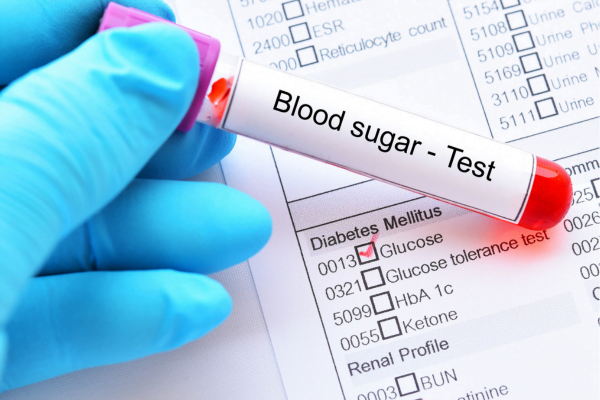
Impaired glucose tolerance means your blood glucose rises higher than expected after a carbohydrate load, but not high enough for a diabetes diagnosis. It is often grouped under prediabetes because it signals strain in the body’s glucose system. The result matters because many people feel well, yet the pattern can point to higher future risk of type 2 diabetes (T2D) and cardiovascular disease.
Key Takeaways
- IGT is usually found with a 75-g oral glucose tolerance test.
- Many people have no obvious symptoms before testing.
- Results should be interpreted with fasting glucose, A1C, history, and local lab ranges.
- Nutrition, activity, sleep, weight changes when needed, and follow-up testing can support lower risk.
- Medication decisions depend on risk factors and should be clinician guided.
What Impaired Glucose Tolerance Means
Impaired glucose tolerance is a post-meal glucose problem. It suggests glucose stays elevated two hours after a measured glucose drink, even though the result remains below the diabetes range. Clinicians often use the term IGT when discussing oral glucose tolerance test results.
During digestion, carbohydrate foods break down into glucose, a main fuel for the body. Insulin helps move glucose from the bloodstream into cells. When cells respond less strongly to insulin, the pancreas may need to release more. This reduced response is called insulin resistance. If you are sorting out similar terms, Insulin Resistance vs Diabetes explains how the concepts overlap without meaning the same thing.
An impaired glucose tolerance result is not the same as diabetes. It is also not a permanent label for every person. Some people improve their readings with sustained lifestyle changes, while others continue to have abnormal results or later meet diabetes criteria. Your age, family history, weight pattern, pregnancy history, medications, sleep, and other health conditions can all affect risk.
Prediabetes is an umbrella term. It can include IGT, impaired fasting glucose, or an A1C result in a prediabetes range. A person can have one abnormal test and a different normal test because each test measures a different part of glucose regulation.
How Testing Defines the Prediabetes Range
Glucose testing answers different questions. A fasting glucose test checks blood sugar after you have not eaten for several hours. Hemoglobin A1C, often called A1C or HbA1c, estimates average glucose exposure over roughly two to three months. The oral glucose tolerance test, or OGTT, checks how your body handles a standard glucose drink after fasting.
A clinician confirms impaired glucose tolerance with a 75-g OGTT. In many U.S. references, a two-hour OGTT value of 140–199 mg/dL, or 7.8–11.0 mmol/L, falls in the IGT range. A value at or above the diabetes threshold needs clinical interpretation and often repeat confirmation unless symptoms are clear. Canadian and other international guidance can use different cutoffs for fasting glucose and A1C, so local lab criteria matter.
| Test | What it reflects | Common prediabetes-range result |
|---|---|---|
| A1C | Average glucose exposure over recent months | 5.7%–6.4% in many U.S. references; some guidelines use narrower ranges |
| Fasting plasma glucose | Glucose before food or drink with calories | 100–125 mg/dL, or 5.6–6.9 mmol/L, in many U.S. references |
| 75-g OGTT, two-hour value | Glucose handling after a measured glucose drink | 140–199 mg/dL, or 7.8–11.0 mmol/L |
Glucose results may appear in mg/dL or mmol/L depending on the lab. This converter can help compare units when reviewing reports, but it does not diagnose disease or replace clinical interpretation.
Blood Glucose Unit Converter
Convert glucose readings between mg/dL and mmol/L without changing the clinical value.
These calculations are for education only and do not replace clinical advice, diagnosis, or treatment. Always confirm medical decisions with a qualified healthcare professional.
Testing conditions can change results. Recent illness, steroid medicines, pregnancy, major stress, sleep loss, and missed fasting instructions can affect glucose values. Pregnancy also uses separate screening rules, so a pregnancy-related abnormal result should not be interpreted with the same framework used outside pregnancy.
Why it matters: A single number gains meaning only when it fits the full clinical picture.
Symptoms and When a Normal Day Still Needs Attention
Most people with IGT do not notice clear symptoms. That is why screening can matter for adults with risk factors. Some people may have fatigue, increased thirst, more frequent urination, blurred vision, or slow-healing skin infections, but these symptoms are not specific to prediabetes. They can also appear when glucose has already reached a higher range.
For a broader look at early patterns and prevention, Prediabetes Symptoms and Prevention covers common warning signs and lifestyle context. Still, symptoms alone cannot confirm IGT. Only blood testing can show whether glucose is in a normal, prediabetes, or diabetes range.
Seek prompt medical care if high-glucose symptoms are intense, sudden, or paired with vomiting, confusion, deep breathing, severe dehydration, chest pain, or fainting. These symptoms can signal a more serious problem. If you are pregnant, have known diabetes, use medicines that can lower glucose, or have repeated abnormal readings, timely medical review is especially important.
Why Risk Can Rise Toward T2D
IGT can develop when insulin resistance and beta-cell strain occur together. Beta cells are insulin-producing cells in the pancreas. Early on, the pancreas may compensate by making more insulin. Over time, that compensation may not keep up with the body’s needs, especially after meals.
Several factors can raise risk. Family history, older age, a history of gestational diabetes, polycystic ovary syndrome, higher waist circumference, high blood pressure, abnormal cholesterol, limited physical activity, and some sleep disorders can all contribute. These factors often cluster. Metabolic Syndrome explains one common pattern that includes glucose, blood pressure, waist, and lipid changes.
Insulin resistance is not diagnosed from symptoms alone. Clinicians may use fasting glucose, A1C, fasting insulin in selected cases, lipids, liver enzymes, blood pressure, waist measures, and clinical history. If you want more context on testing options, Diagnosing Insulin Resistance reviews what these tests can and cannot show.
Risk is not destiny. Many people with prediabetes never progress to diabetes, especially when risk factors are identified early and addressed over time. The practical goal is not perfection. It is to reduce repeated glucose spikes, improve insulin sensitivity, and monitor whether the pattern changes.
Food and Lifestyle Steps That Support Better Glucose Regulation
For impaired glucose tolerance, no single diet is best for everyone. A useful eating pattern usually focuses on carbohydrate quality, portion awareness, fiber, protein, and unsaturated fats. The right approach also depends on culture, budget, schedule, medications, kidney health, pregnancy status, and eating-disorder history.
Many people start with label reading. Total carbohydrate, added sugars, fiber, and serving size matter more than marketing claims on the front of a package. Whole grains, legumes, vegetables, nuts, seeds, fruit in reasonable portions, and minimally processed protein foods can help build steadier meals. Sugary drinks are often a high-impact place to review because they can raise glucose quickly and add little satiety.
Diet and Prediabetes offers more detail on food choices without ranking foods as universally good or bad. A registered dietitian can help if you have kidney disease, digestive disorders, pregnancy, recurrent low glucose, an eating disorder, or a complex medication plan.
Physical activity also affects glucose handling. Muscle contractions help use glucose, and regular activity can improve insulin sensitivity. A combination of aerobic activity, resistance training, and less sitting is often discussed in prevention plans. People with heart disease, neuropathy, eye disease, severe arthritis, or other limiting conditions should ask what level of activity is safe.
Sleep and stress deserve attention too. Short sleep, irregular schedules, and untreated sleep apnea can worsen glucose patterns. Stress does not cause every abnormal glucose result, but it can change eating, activity, sleep, hormones, and medication routines. For practical context, Improving Insulin Sensitivity covers several lifestyle levers in one place.
Quick tip: Pair carbohydrate foods with protein, healthy fat, or high-fiber foods when appropriate.
Many readers search for how to reverse IGT. A more precise goal is improving glucose regulation and lowering future risk. Some people return to normal-range testing after sustained changes. Others improve one marker but still need monitoring. Type 2 Diabetes Prevention explains prevention steps and why follow-up matters even after better results.
Where Medicines May Fit in Care
Medication for impaired glucose tolerance is not one-size-fits-all. Lifestyle-based risk reduction is usually the foundation, but some guidelines discuss metformin for selected adults at higher risk. Factors can include higher body weight, younger age with significant risk, prior gestational diabetes, or worsening blood test trends. This decision should come from a clinician who knows your full history.
Metformin is often discussed because it has a long history in diabetes care and prevention research. It is not appropriate for every person, and kidney function, side effects, pregnancy plans, other medicines, and monitoring needs all matter. For background on this medicine as part of diabetes care, see Metformin for Type 2 Diabetes.
Other glucose- or weight-related medicines may enter care when a person has diagnosed diabetes, obesity, cardiovascular risk, kidney risk, or another approved indication. They should not be treated as automatic treatment for a borderline glucose test. If you are comparing drug classes mentioned in diabetes care, GLP-1 Explained gives a plain-language overview of that medication class.
Do not start, stop, or change medicines based only on a prediabetes-range test. This is especially important if you use insulin, sulfonylureas, steroids, antipsychotics, HIV medicines, or other treatments that may affect glucose. Medication choices should balance benefits, risks, monitoring, cost, pregnancy considerations, and personal goals.
A Practical Follow-Up Plan After a Result
A clear follow-up plan helps turn an abnormal result into useful action. Ask which test was abnormal, whether it should be repeated, and which guideline range your clinician is using. Also ask whether your fasting glucose, A1C, lipids, blood pressure, waist measurement, liver markers, kidney function, and family history change your risk estimate.
It also helps to discuss a realistic monitoring interval. Some people need repeat testing sooner because results are close to the diabetes range, symptoms are present, pregnancy is possible, or medicines are changing. Others may follow a routine screening schedule. The key is to avoid both extremes: ignoring the result or assuming diabetes is inevitable.
Bring a short record of typical meals, drinks, activity, sleep, weight changes, symptoms, and current medicines to the visit. These details help clinicians and dietitians tailor advice. If you already check glucose at home, bring the meter or app report rather than selected numbers. Home readings can add context, but lab testing remains the basis for diagnosis.
Finally, decide what you can change first. For one person, that may be replacing sugar-sweetened drinks. For another, it may be walking after dinner, adding resistance exercise, treating sleep apnea, or meeting with a dietitian. Small changes are easier to sustain when they match daily life.
Authoritative Sources
- The American Diabetes Association outlines diagnosis tests for diabetes and prediabetes.
- The NIDDK explains prediabetes and insulin resistance for patients and families.
- Diabetes Canada provides diagnosis guidance with Canadian clinical criteria.
IGT is a warning signal, not a diagnosis to manage alone. Understanding the test, confirming the range, and building a practical follow-up plan can help you respond without panic or delay.
This content is for informational purposes only and is not a substitute for professional medical advice.