
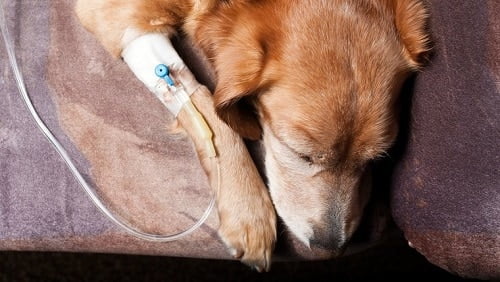
Diabetic ketoacidosis in dogs is a life-threatening diabetes emergency that needs prompt veterinary treatment, not home correction. It happens when the body lacks enough usable insulin, burns fat for fuel, and produces acidic ketones. This can lead to dehydration, electrolyte shifts, vomiting, weakness, collapse, and coma. If a dog with diabetes stops eating, vomits, seems very weak, or has ketones, contact a veterinarian or emergency clinic right away.
Key Takeaways
- Emergency signs: vomiting, severe lethargy, dehydration, fast breathing, or collapse.
- Main triggers: missed insulin, infection, pancreatitis, stress hormones, or insulin problems.
- Home limits: ketone checks help flag risk, but DKA needs hospital care.
- Treatment goals: fluids, electrolytes, insulin, nausea control, and trigger treatment.
- Prevention focus: consistent routines, illness monitoring, and timely rechecks.
What Happens During Diabetic Ketoacidosis
Diabetic ketoacidosis develops when insulin is too low for the body’s needs. Without enough insulin action, glucose remains in the bloodstream while cells cannot use it well. The body then breaks down fat, creating ketone bodies. Small amounts of ketones can appear during illness or fasting, but excess ketones make the blood more acidic.
That acid-base disturbance is only part of the crisis. High glucose pulls water into the urine, which worsens dehydration. Vomiting and poor appetite make fluid loss worse. Important electrolytes, especially potassium and phosphorus, may fall or shift into unsafe ranges. These changes can affect the heart, muscles, brain, and breathing pattern.
Why it matters: DKA is not just “high blood sugar”; it is a whole-body metabolic emergency.
Dogs with known diabetes are at highest risk, but DKA can also reveal previously undiagnosed diabetes. For a broader baseline on diabetes signs, see Diabetes in Dogs. Understanding the usual diabetes pattern can make sudden worsening easier to recognize.
Symptoms That Should Raise Concern
The most important diabetic ketoacidosis in dogs symptoms are sudden illness in a dog with diabetes, especially vomiting, weakness, poor appetite, and dehydration. Early signs may look vague. Many owners first notice that their dog is drinking more, urinating more, sleeping more, or refusing a normal meal.
As DKA progresses, signs often become more obvious. Dogs may vomit repeatedly, develop diarrhea, lose weight quickly, or appear painful in the abdomen. Their gums may feel tacky or dry. Eyes can look sunken. Some dogs breathe deeply or rapidly as the body tries to compensate for acidosis. Breath may have a sweet, acetone-like smell, although this sign is not always present.
Severe signs need urgent care. These include collapse, extreme weakness, confusion, unresponsiveness, seizures, or signs of shock such as pale gums and cold limbs. People sometimes search for “signs your dog with diabetes is dying” when a pet is declining quickly. In practice, those signs overlap with several emergencies, including DKA, severe hypoglycemia (low blood sugar), pancreatitis, sepsis, kidney injury, and diabetic coma. For related emergency context, see Diabetic Coma in Dogs.
When ketones are found
Ketones in urine or blood should be taken seriously in a dog with diabetes, especially when appetite is reduced. Urine ketone strips can lag behind current blood levels, while blood beta-hydroxybutyrate testing may detect changes sooner. A positive ketone result does not tell you the full severity by itself. Hydration, glucose level, appetite, breathing, and attitude all matter.
Some owners ask about ketones in dog urine but no glucose. This pattern can occur for reasons that need veterinary interpretation, including fasting, sample timing, strip limitations, or non-diabetic illness. It should not be used to rule DKA in or out without an exam and laboratory testing.
What Usually Causes DKA in Dogs
DKA usually starts when insulin supply cannot meet demand. That may happen because insulin was missed, given incorrectly, stored poorly, or no longer matches the dog’s medical needs. It can also happen when illness increases stress hormones such as cortisol, glucagon, epinephrine, and growth hormone. These hormones push glucose higher and promote fat breakdown.
Common triggers include urinary tract infections, dental disease, skin infections, pancreatitis, steroid medications, estrus in intact females, and other inflammatory conditions. Recent surgery, poor intake, dehydration, or major routine changes can also contribute. Sometimes more than one factor is present, which makes the episode harder to stabilize.
Pancreatitis deserves special attention. Inflammation of the pancreas can cause vomiting, abdominal pain, poor appetite, and major stress-hormone changes. It can also disrupt insulin production and worsen glucose control. For more detail on this overlap, read Pancreatitis and Diabetes in Dogs.
Insulin resistance can also raise risk. This means the body does not respond to insulin as expected, even when it is being given. Infections, obesity, hormonal disease, inflammation, and some medications may contribute. A separate overview of Insulin Resistance in Dogs explains why glucose can stay high despite treatment.
Why Home Treatment Is Not Enough
You cannot safely treat true ketoacidosis in dogs at home. Home monitoring can help you detect warning signs early, but DKA requires laboratory-guided fluids, electrolyte correction, insulin therapy, and treatment of the underlying trigger. Giving extra insulin without veterinary direction can cause dangerous hypoglycemia or worsen electrolyte problems.
The question “how long can a dog live with ketoacidosis without treatment” has no safe general answer. Some dogs deteriorate rapidly, especially if they are vomiting, dehydrated, septic, or have pancreatitis. Others may appear only moderately ill before worsening. Because the course is unpredictable, suspected DKA should be treated as urgent.
Home steps should focus on safe escalation. Note the last insulin dose, last meal, water intake, vomiting episodes, urine ketone result if available, and any medications. Bring the insulin product, syringes or pen supplies, glucose records, and recent diet details to the clinic. Do not force food or water if your dog is vomiting or very weak.
If you monitor glucose at home, unit conversion can help you discuss readings with a clinic that uses a different reporting unit. This tool converts mg/dL and mmol/L values for record review, but it does not interpret results or replace veterinary advice.
Blood Glucose Unit Converter
Convert glucose readings between mg/dL and mmol/L without changing the clinical value.
These calculations are for education only and do not replace clinical advice, diagnosis, or treatment. Always confirm medical decisions with a qualified healthcare professional.
Quick tip: Keep a written illness plan from your veterinarian before problems occur.
What Hospital Treatment Usually Involves
Diabetic ketoacidosis in dogs treatment starts with stabilization. Veterinarians first assess hydration, circulation, glucose, ketones, acid-base status, and electrolytes. Many dogs need intravenous fluids to improve perfusion, support kidney function, and begin correcting dehydration. Fluids also help lower glucose gradually by improving circulation and urinary clearance.
Electrolyte management is central. Potassium can become dangerously low during treatment, even if the first blood test does not look alarming. Phosphorus may also need monitoring, especially in weak or anemic dogs. These values guide what can be added to fluids and how quickly insulin therapy should proceed.
Insulin is used carefully. Short-acting insulin may be given by continuous infusion or repeated small doses, depending on the clinic’s protocol and the dog’s status. The goal is not to crash glucose quickly. The goal is to reduce ketone production, correct acidosis, and return the dog to stable long-acting insulin when appropriate.
Supportive care often includes anti-nausea medication, pain control when pancreatitis is suspected, nutrition planning, and antibiotics when infection is confirmed or strongly suspected. Vets also investigate the trigger. Without treating the underlying cause, DKA can recur after initial improvement.
What to expect during recovery
Recovery depends on severity and complications. Some dogs respond steadily once fluids, electrolytes, and insulin are adjusted. Others need longer care because of pancreatitis, kidney injury, infection, aspiration pneumonia, or neurologic changes. Blood glucose may fluctuate during the transition back to maintenance insulin.
Before discharge, the clinic usually reviews appetite, hydration, glucose trends, insulin timing, and follow-up testing. Ask what signs should prompt a same-day call, when to check ketones, and how to handle a missed meal. If your dog has frequent high readings outside an emergency, Hyperglycemia in Dogs may help you prepare better questions for routine follow-up.
Prognosis, Survival, and Cost Factors
Diabetic ketoacidosis in dogs survival rate estimates vary because cases differ widely. A dog treated early, before severe shock or organ injury, generally has a better outlook than a dog arriving collapsed, profoundly dehydrated, or septic. Pancreatitis, kidney injury, pneumonia, severe electrolyte abnormalities, and delayed treatment can make recovery harder.
Can DKA be reversed? Many dogs can recover from an episode with intensive care, but “reversed” does not mean diabetes is cured. Most dogs still need ongoing insulin, feeding consistency, monitoring, and rechecks. The long-term goal is to prevent another crisis by controlling diabetes and catching illness early.
Cost also varies. Diabetic ketoacidosis in dogs treatment cost is shaped by emergency evaluation, hospitalization, repeated blood testing, IV fluids, electrolyte supplementation, insulin protocols, imaging, cultures, and medications for the trigger. Clinics may estimate a range after examining the dog and reviewing initial lab results. If finances are a concern, ask what monitoring is essential, what choices affect cost, and what follow-up is needed after discharge.
Pain or discomfort can be part of the picture, especially when pancreatitis, abdominal inflammation, dehydration, or nausea is present. Dogs may not cry or vocalize. They may hide, pant, stretch, guard the abdomen, or refuse food. Pain assessment should be handled by the veterinary team because safe options depend on hydration, kidney values, and other findings.
Home Monitoring After Stabilization
After a dog has recovered, prevention depends on consistent routines and early response to illness. Give insulin exactly as prescribed and keep feeding times predictable. Store insulin as directed on the product label and clinic instructions. Do not change dose, type, or schedule without veterinary guidance.
A simple daily log can be useful. Track appetite, water intake, urination, activity, vomiting, stool changes, insulin timing, and glucose readings if your veterinarian recommends home testing. Trends matter more than one isolated number. Bring the log to rechecks so the clinic can interpret patterns alongside weight, exam findings, and lab work.
Ketone testing is most useful during higher-risk moments. These include poor appetite, vomiting, infection signs, sudden lethargy, persistent high glucose readings, or recovery from another illness. Ask your veterinarian whether blood ketone testing or urine strips are better for your dog’s situation. Also ask what result should prompt an urgent call.
Prevention also means addressing triggers quickly. Dental disease, urinary tract infections, skin infections, and pancreatitis flares can destabilize diabetes. Keep planned rechecks, and report appetite changes early. If your dog needs steroids or another medication that can affect glucose, ask how monitoring should change.
Authoritative Sources
Veterinary references describe DKA as an emergency requiring fluids, electrolyte correction, insulin, and trigger management. The Merck Veterinary Manual DKA overview summarizes the pathophysiology and clinical approach.
For general canine diabetes background, the Cornell canine diabetes resource outlines common signs, risk factors, and management concepts. The AAHA diabetes management guidelines provide broader veterinary guidance on monitoring and care planning.
Recap for Dog Owners
Diabetic ketoacidosis in dogs is urgent because high glucose, ketones, dehydration, and electrolyte problems reinforce each other. Vomiting, weakness, poor appetite, rapid breathing, collapse, or positive ketones should prompt veterinary contact, especially in a dog with known diabetes. Home testing can support earlier recognition, but it cannot replace hospital stabilization.
Once your dog is stable, focus on prevention. Keep insulin and feeding routines consistent, monitor illness signs, and ask your clinic when to check ketones. Treat infections and pancreatitis flares quickly. A clear plan reduces uncertainty when appetite, glucose, or behavior changes.
This content is for informational purposes only and is not a substitute for professional medical advice.


