

Understanding the types of insulin medications helps you match insulin action to your daily routine and clinical goals. This guide explains how each class works, when it acts, and which delivery tools may fit your plan.
Key Takeaways
- Action profiles matter: onset, peak, and duration guide dosing times.
- Basal and bolus roles differ; combining them improves coverage.
- Pens and cartridges streamline use; learn correct priming and storage.
- Biosimilars expand options; confirm formulary and device compatibility.
Understanding types of insulin medications
Clinically, insulin products fall into groups based on how quickly they start to work (onset), when they work the hardest (peak), and how long they last (duration). In practice, these properties guide meal dosing, overnight coverage, and adjustments around activity or illness. Matching pharmacology to lifestyle can reduce glucose swings and lower hypoglycemia risk.
Care teams often combine a basal insulin for background needs with a mealtime insulin for food and corrections. Professional bodies outline these roles and selection principles in annual standards; for broad practice guidance, see the ADA Standards of Care (ADA Standards of Care), which summarize evidence on insulin use across populations.
Onset, peak, and duration: making sense of timing
To compare products, many patients find a types of insulin chart useful alongside their prescription label. It visualizes how long each dose acts and when it peaks. Always confirm brand-specific details with the official label, as excipients and concentrations can alter timing.
Below is a simplified overview. Individual response varies due to factors like injection site, temperature, activity, and dose size. Use this as an orientation, not a dosing rule.
| Class | Typical Onset | Peak | Duration |
|---|---|---|---|
| Rapid-Acting | ~10–20 minutes | ~1–3 hours | ~3–5 hours |
| Short-Acting | ~30 minutes | ~2–4 hours | ~5–8 hours |
| Intermediate | ~1–2 hours | ~4–12 hours | ~12–18 hours |
| Long-Acting | ~1–4 hours | Minimal peak | ~20–24 hours |
| Ultra-Long | ~1–2 hours | No pronounced peak | ~36–42 hours |
For a practical look at premixes that blend basal and bolus in one injection, see our concise Premixed Insulin guide, which explains ratios and typical use scenarios.
Examples by class and common names
Rapid-acting analogs include insulin aspart and insulin glulisine, used around meals for flexible coverage. Short-acting insulin is human regular, often used when analogs are not available or when cost or formulary limits choice. Intermediate-acting products (historically NPH) provide daytime or overnight coverage but can peak more than newer basal options.
Long-acting analogs, such as glargine and detemir, give steadier basal coverage with minimal peak. Ultra-long options, like degludec, extend duration beyond 24 hours, which may smooth fasting glucose. For examples of fixed brand presentations, compare Tresiba Flextouch Pens when reviewing ultra-long profiles, or see Lantus Cartridges for a long-acting reference point.
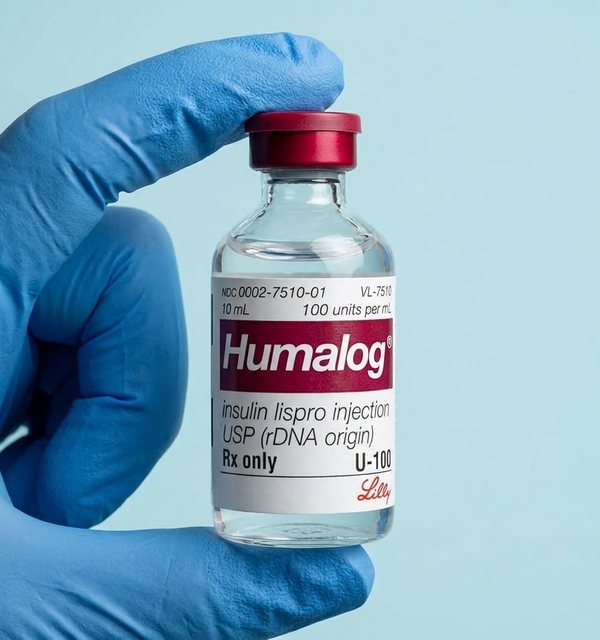
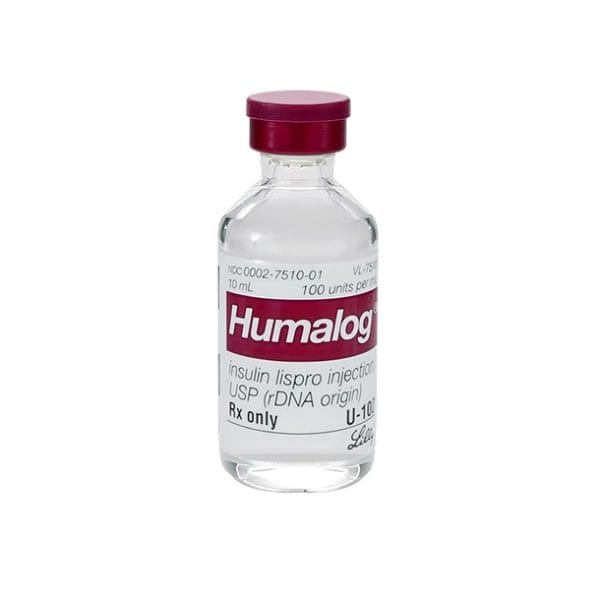
If you use rapid options, device form can influence routine. Mealtime analogs appear in pen and vial formats; see Humalog KwikPen for a bolus example used in many meal plans.
Basal strategies and overnight considerations
Many patients ask why is long-acting insulin given at night. Evening dosing can align the flat basal profile with overnight hepatic glucose output, reducing fasting highs. However, some clinicians prefer morning or split dosing to match individual patterns. The best timing depends on your response, lifestyle, and the specific formulation used.
Consistency matters more than the exact clock time in many regimens. Document patterns for several days before changing timing. For a closer look at a glargine presentation commonly used as basal, review our Basaglar Cartridge Overview, which explains product form and compatibility.
Delivery methods: pens, vials, and pumps
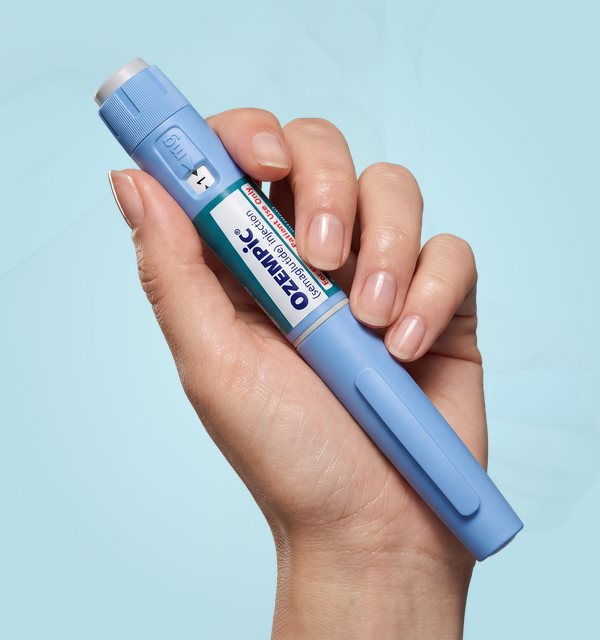
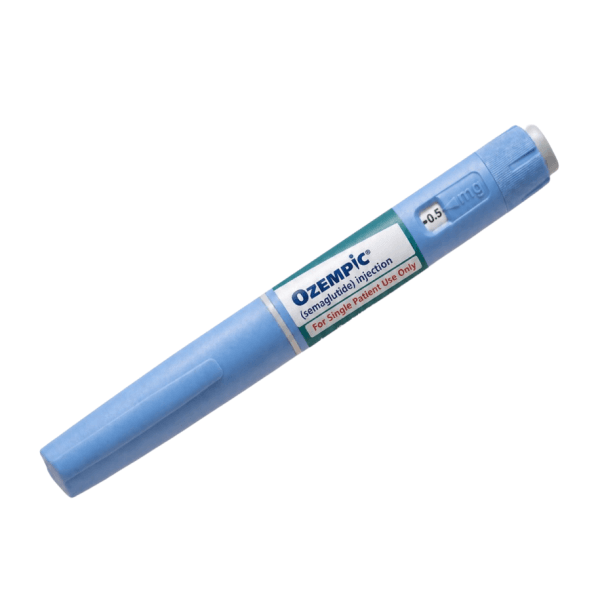
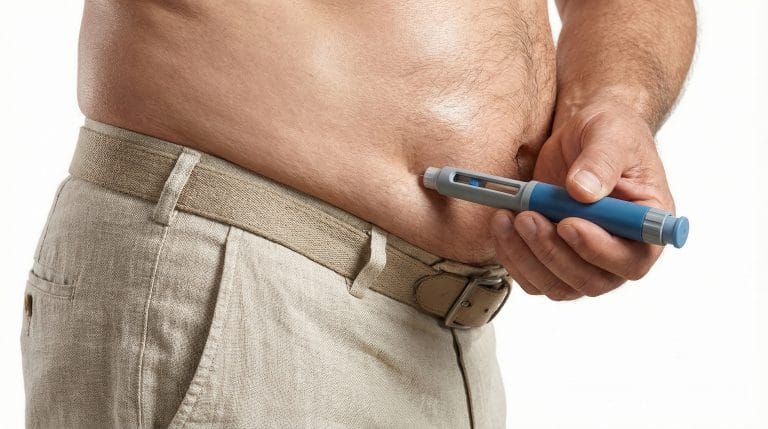
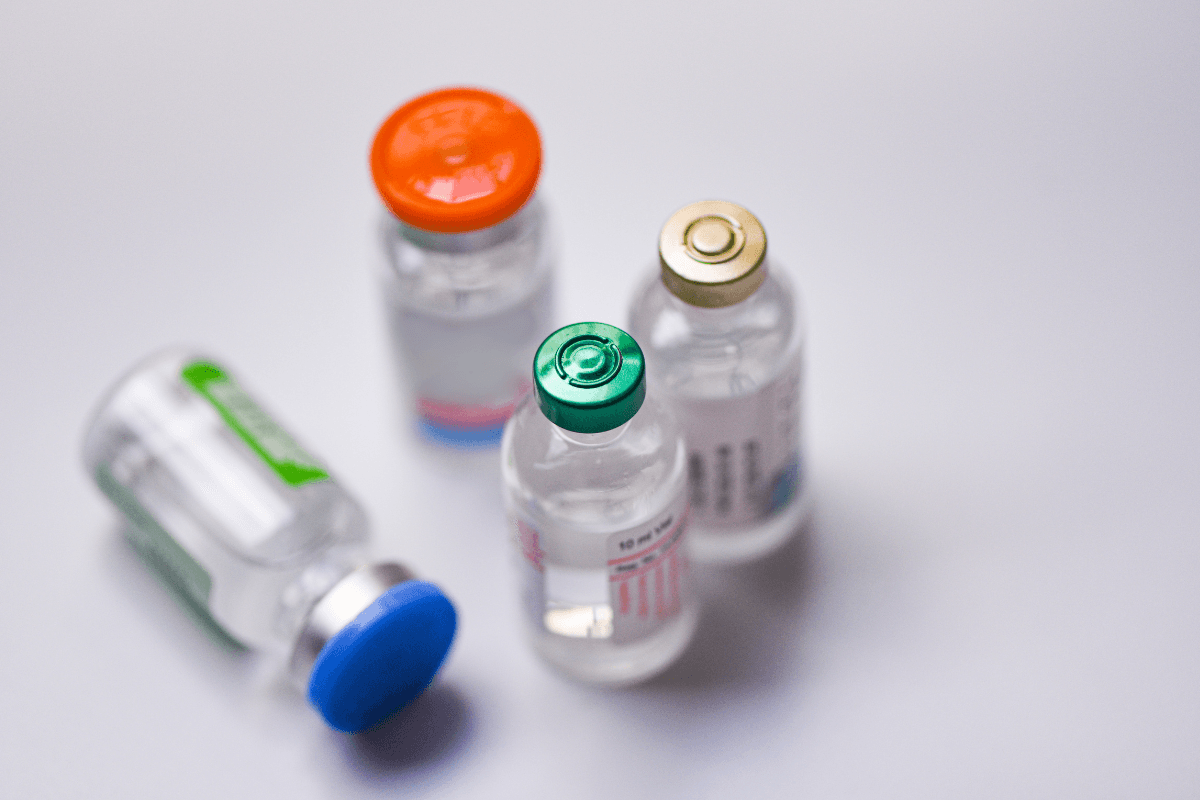
Convenience and accuracy influence device choice. A reusable insulin pen can reduce plastic waste and offers dose memory on some models. Disposable pens simplify setup and can be easier for new users. Vials and syringes remain cost-efficient and flexible for mixed regimens or unusual doses.
Needle selection also affects comfort and absorption. For a primer on sizes, angles, and safe disposal, see our step-by-step Insulin Pen Needles Guide, which outlines gauge and length choices. If you rely on prefilled cartridges, our Insulin Cartridges Guide explains compatibility, priming, and storage limits to avoid wastage.
Cartridge and disposable pens: choosing the right fit
Cartridge systems pair a body with replaceable insulin units, which may appeal to frequent users who value tactile dosing and device longevity. Disposable pens arrive prefilled and ready, reducing setup steps and training needs. Consider hand strength, visual acuity, and dosing increments when deciding. Also confirm availability of pen needles and accessories in your pharmacy network. For needle options with thin-wall designs, review BD Nano Pro Needles, which many users select for comfort. Pairing the right pen and needle can reduce injection pain and improve technique adherence.
Choosing a pen for type 2 treatment
People often ask about the best insulin pen for type 2 diabetes, but the answer depends on dose size, titration needs, and hand dexterity. Some pens offer half-unit dosing; others offer high-dose increments to reduce clicks. Integrated dose-memory and simpler dials can help if vision or grip are concerns.
Compare how pens feel and function before committing. For a high-dose basal example, evaluate the mechanics of Tresiba Flextouch Pens when discussing once-daily options. To compare injection workflows against syringes, see our balanced Insulin Pen vs Syringe overview, which lists practical pros and cons.
Safety, storage, and switching basics
Patients often wonder is regular insulin short-acting. Yes, human regular insulin is considered short-acting, with later onset and longer tail than rapid analogs. Switching between human and analog products can change timing and hypoglycemia risk. Discuss changes with your care team to prevent overlaps or gaps.
Storage affects potency. Most pens and vials require refrigeration until first use, then room temperature for a set number of days. For authoritative handling instructions, consult the product’s FDA label or monograph; see this insulin glargine FDA label for storage windows (FDA label). For further context on device handling, our BD Needles Explained article covers needle reuse risks and safety tips.
Costs and access: practical considerations
Coverage policies, pharmacy contracts, and device features often shape out-of-pocket costs. Cartridge systems may reduce waste for frequent users, while vials can be economical in flexible regimens. Co-pay cards and formulary tiers vary by plan, so check benefits before switching devices. Track expiration dates and remaining units to limit wastage.
Planning refills prevents supply gaps. For timing your orders, see our scheduling guide Replenish Your Supply, which outlines practical inventory checks. For broader context on sourcing and trade-offs, review Buying Insulin from Canada, which summarizes potential pros and cons without endorsing a specific source.
Biosimilars and related options
Biosimilar insulins aim to match the reference product’s clinical performance and safety. For example, semglee insulin is an insulin glargine option that may expand access depending on plan coverage. Device forms, interchangeability status, and pen compatibility can differ among biosimilars. Confirm these details with your pharmacist before switching or substituting.
Regulators provide clarity on biosimilar standards and substitution policies. For high-level regulatory context, Health Canada and the FDA publish guidance on biosimilar evaluation; see this FDA overview for definitions and interchangeability concepts (FDA biosimilars overview). For a comparison of human versus analog choices, our Humulin vs Humalog article walks through clinical trade-offs.
Related reading: rounding out your plan
Insulin is one part of therapy. For non-insulin options that may pair with or reduce insulin needs, see Diabetes Medications Overview and Oral Antidiabetic Drugs for classes and mechanisms. If weight trends after starting insulin concern you, our Insulin and Weight Gain article explains contributors and mitigation steps.
Recap
Insulins differ in timing and role. Learn how onset, peak, and duration align with meals, sleep, and activity. Pick delivery tools that match your hands, eyes, and dosing needs. Revisit choices as your goals, coverage, or routines change.
Note: Product names and device forms vary by country and formulary. Always confirm the exact presentation on your prescription label before use.
This content is for informational purposes only and is not a substitute for professional medical advice.