
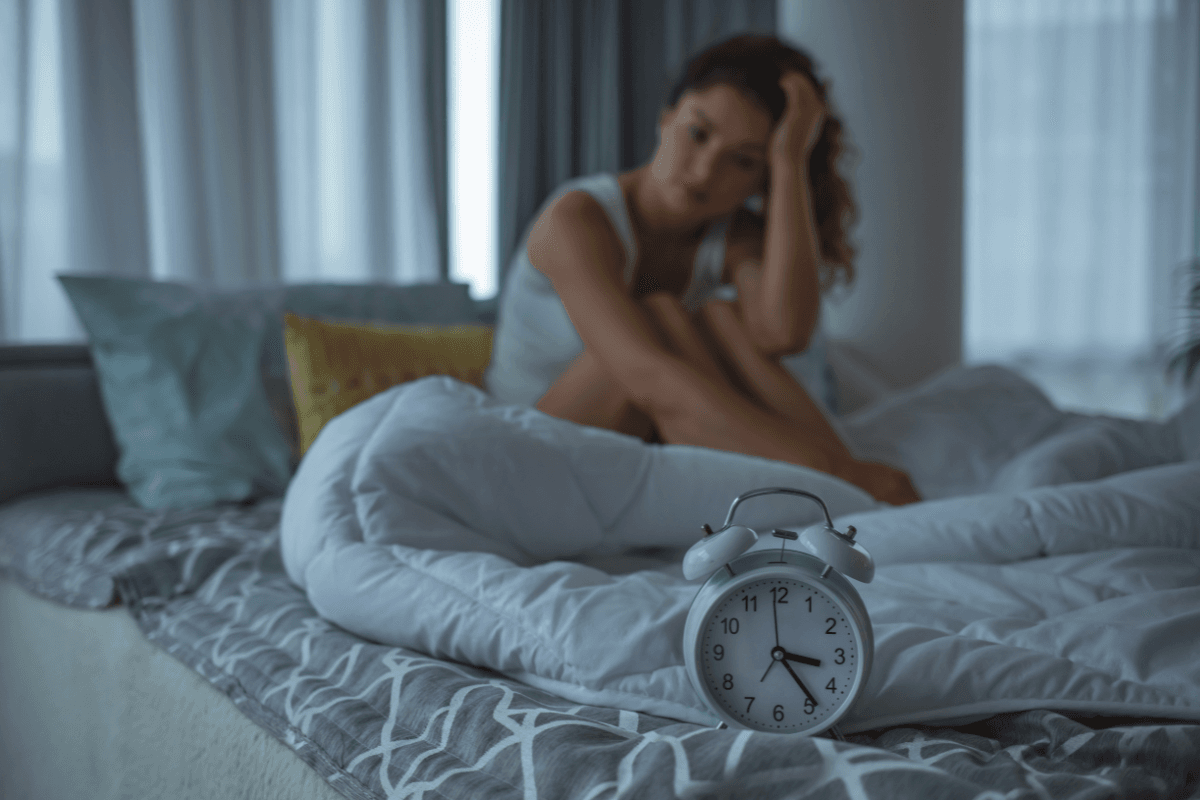
Ozempic is not known to commonly cause insomnia, and sleeplessness is not a prominent adverse reaction in prescribing information. Still, some people notice sleep disruption after starting semaglutide or increasing a dose. The more likely drivers are indirect: nausea, reflux, reduced food intake, dehydration, anxiety, low glucose in higher-risk medication combinations, or an existing sleep disorder becoming more noticeable.
That answer matters because poor sleep can affect glucose control, mood, appetite, and daytime alertness. If you are asking does Ozempic cause insomnia, it helps to track when symptoms started, what else changed, and whether nighttime stomach symptoms or worry are keeping you awake.
Key Takeaways
- Direct link unclear: Insomnia is not a common label-listed Ozempic side effect.
- Indirect causes matter: Nausea, reflux, anxiety, and low intake can fragment sleep.
- Dose changes can trigger symptoms: Sleep issues may appear during escalation periods.
- Timing is individual: Weekly injection timing is usually flexible, but routines help.
- Escalate persistent symptoms: Severe insomnia, mood changes, or hypoglycemia symptoms need review.
Does Ozempic Cause Insomnia or Just Disrupted Sleep?
The best short answer is nuanced: Ozempic does not appear to be a typical stimulant-like cause of insomnia, but it can be linked with sleep disturbance in some users. Semaglutide, the active ingredient, belongs to the GLP-1 receptor agonist class. These medicines affect appetite, stomach emptying, and glucose regulation. Those effects can change how your body feels at night.
In practice, many reports of “GLP-1 insomnia” happen around dose increases. That is also when nausea, early fullness, heartburn, burping, constipation, or lower overall food intake can peak. A person may describe insomnia, but the pattern may be repeated awakenings, light sleep, or waking early because the stomach feels uncomfortable.
Clinical trial and label information emphasize gastrointestinal effects more than insomnia. Commonly discussed issues include nausea, vomiting, diarrhea, abdominal pain, and constipation. More serious warnings include pancreatitis symptoms, gallbladder problems, dehydration-related kidney concerns, and hypoglycemia risk when used with insulin or sulfonylureas. For a broader safety review, see Ozempic Safety Guide.
Why it matters: Treating the cause of awakenings works better than treating every sleep change as primary insomnia.
Why Sleep May Change After Starting Semaglutide
Sleep changes usually come from body signals that interrupt the sleep cycle. These signals can be physical, metabolic, or psychological. They often overlap, which makes the cause hard to identify without a short symptom log.
Digestive symptoms can wake you
Semaglutide slows gastric emptying, meaning food can stay in the stomach longer. That can support appetite reduction, but it may also increase fullness, nausea, bloating, or reflux. Lying flat after a heavy or late meal can make these symptoms more noticeable. Heartburn or sour burps may wake you even if you did not feel very sick at bedtime.
If nausea is the main issue, practical steps may help. Smaller dinners, slower eating, and avoiding very greasy meals can reduce nighttime discomfort. For a deeper look at this pattern, read Managing Nausea With Ozempic.
Lower intake can affect energy and alertness
Some people eat much less after starting treatment. That may lead to afternoon fatigue, headaches, or feeling “wired but tired” at night. Inadequate protein, low fluids, and abrupt caffeine changes can all influence sleep quality. This can also explain why people ask whether Ozempic makes you sleepy during the day.
Daytime tiredness does not always mean the medicine is sedating. It may reflect dehydration, lower calories, or disrupted nights. If fatigue is severe, persistent, or paired with dizziness, weakness, repeated vomiting, or low glucose symptoms, it deserves medical attention.
Blood sugar swings may interrupt sleep
Ozempic alone has a lower hypoglycemia risk than some diabetes medicines. The risk rises when it is used with insulin or insulin secretagogues, such as sulfonylureas. Low glucose during sleep can cause sweating, vivid dreams, palpitations, anxiety, hunger, or abrupt waking.
Do not adjust diabetes medicines on your own. If you suspect nighttime lows, ask your clinician whether glucose checks or medication review are appropriate. People using continuous glucose monitoring may also review overnight patterns with their care team.
Timing, Meals, and Foods That Can Affect Nights
The weekly injection does not need to be taken at bedtime for most people, but consistency can make side effects easier to interpret. If sleep changes appear after a dose day, note the timing, meal pattern, and symptoms. This helps separate medication timing from dinner choices, stress, caffeine, or reflux.
Ozempic is generally used once weekly on the same day, as directed by the prescriber. Some people prefer morning dosing because it feels easier to observe stomach symptoms during waking hours. Others do fine with evening dosing. The right schedule depends on the prescribed plan and how your body responds. For device and schedule context, see Ozempic Semaglutide Pens.
Food choices can also shape sleep. There is no universal list of Ozempic foods to avoid, but some meals are more likely to worsen nausea or reflux. Large portions, high-fat dinners, spicy foods, alcohol, and carbonated drinks may increase stomach pressure near bedtime. Eating late can also make lying down uncomfortable.
- Keep dinner smaller: Large meals can worsen fullness and reflux.
- Limit late fat: Fried or rich foods may linger longer.
- Watch alcohol: It can fragment sleep and worsen reflux.
- Reduce late caffeine: Afternoon intake can delay sleep onset.
- Hydrate earlier: Late large fluids may increase bathroom trips.
Quick tip: Keep a two-week log of dose day, dinner timing, reflux, nausea, caffeine, and awakenings.
Mood, Anxiety, Brain Fog, and Sleep
Mood and sleep influence each other in both directions. Poor sleep can worsen irritability and anxiety. Anxiety can then make falling asleep harder. This cycle can start during medication changes, weight changes, or periods of reduced food intake.
Some people search for does Ozempic cause depression after noticing low mood, restlessness, or reduced motivation. Current evidence has not established a consistent depression signal for semaglutide, but individual symptoms still matter. Any new or worsening depression, panic symptoms, agitation, or thoughts of self-harm should be addressed urgently through local emergency support or a qualified clinician.
Brain fog can also occur when sleep is fragmented or nutrition changes quickly. Dehydration, low intake, and poor sleep can all make concentration worse. If the fog appears with confusion, severe weakness, repeated vomiting, fainting, or possible low glucose, seek prompt medical advice.
Medication interactions can complicate the picture. Stimulants, some antidepressants, corticosteroids, decongestants, evening diuretics, and alcohol can affect sleep. If you take depression or anxiety medicines, ask your prescriber or pharmacist how to interpret new sleep symptoms. For more context, review Ozempic and Mood Changes.
How Long Fatigue and Sleep Disturbance May Last
Many mild side effects improve after the body adjusts, but there is no guaranteed timeline. Sleep disruption that tracks with nausea or reflux may ease when those symptoms improve. Fatigue related to low intake or dehydration may improve with steadier meals and fluids. Persistent insomnia should not be ignored, especially if it lasts several weeks.
Readers often ask how long Ozempic fatigue lasts. The answer depends on the cause. Fatigue during dose escalation can be temporary, but ongoing tiredness may point to anemia, thyroid disease, depression, sleep apnea, kidney issues, medication effects, or repeated nighttime hypoglycemia. That is why a careful review is better than assuming it will pass.
Longer-term treatment can also raise different questions. People may wonder whether side effects change with continued use or whether new symptoms should prompt reassessment. For a wider discussion of ongoing tolerability, see Long-Term Ozempic Side Effects.
Sleep Apnea, Weight Loss Medicines, and Night Breathing
Sleep apnea is a separate condition that can cause repeated awakenings, morning headaches, dry mouth, snoring, and daytime sleepiness. Weight changes may influence obstructive sleep apnea severity, but weight loss does not replace evaluation or treatment when symptoms suggest a breathing disorder.
Ozempic is not approved as a sleep apnea treatment. However, people using GLP-1 medicines may notice changes in snoring or daytime alertness as weight and metabolic health change. That can be helpful for some, but it can also hide the fact that untreated apnea remains present.
The phrase zepbound sleep apnea appears often because tirzepatide has been discussed in relation to obstructive sleep apnea in adults with obesity. Coverage and eligibility questions, including whether insurance will cover Mounjaro for sleep apnea, depend on jurisdiction, indication, plan rules, and the specific product prescribed. Those decisions require plan-specific and clinician-specific review.
Seek assessment if you snore loudly, wake gasping, have witnessed pauses in breathing, or feel sleepy while driving. These symptoms can affect cardiovascular risk and daily safety. They should not be managed only with sleep hygiene.
When to Contact Your Clinician
Contact your clinician if sleep problems are severe, persistent, or linked with concerning symptoms. This is especially important if insomnia begins after a dose change, if you cannot maintain hydration, or if you have diabetes medicines that can lower glucose.
Seek urgent care for severe abdominal pain that may spread to the back, repeated vomiting, signs of dehydration, chest pain, fainting, severe allergic symptoms, or thoughts of self-harm. If you wake with sweating, shaking, confusion, or palpitations, ask whether nighttime hypoglycemia could be involved.
It may help to bring a concise record. Include injection day, sleep timing, caffeine, alcohol, dinner details, reflux symptoms, glucose readings if available, mood changes, and other medicines. This gives your care team a clearer pattern to review.
If you are comparing semaglutide formats or related therapies, keep that discussion separate from urgent symptoms. Some people explore oral semaglutide or weight-management products for tolerability and preference reasons. Relevant background pages include Rybelsus Semaglutide Pills and Wegovy, but treatment choice should stay clinician-led.
Practical Sleep Steps to Discuss or Try Safely
Simple routine changes may reduce mild sleep disturbance while you and your clinician watch the pattern. These steps do not replace medical advice, but they can help identify triggers.
- Set a steady wake time: This anchors your body clock.
- Eat earlier: Leave time between dinner and bed.
- Choose gentle portions: Smaller meals may reduce reflux.
- Move lightly after dinner: A short walk may ease fullness.
- Pause late caffeine: Track whether sleep onset improves.
- Limit screens: Bright light can delay sleep signals.
- Elevate reflux symptoms: Ask about safe reflux strategies.
- Review other medicines: Some drugs are activating at night.
Do not skip doses, change dose timing beyond instructions, or stop prescribed therapy without clinical guidance. If symptoms cluster around dose escalation, ask whether your treatment plan needs reassessment. For sex-specific symptom patterns and safety considerations, see Ozempic Side Effects in Females.
Authoritative Sources
For label-backed safety information, review the official Ozempic prescribing information. It outlines approved uses, warnings, adverse reactions, and medication-specific precautions.
For healthy sleep routines, the American Academy of Sleep Medicine provides practical sleep hygiene recommendations that can support consistent bedtime habits.
For obstructive sleep apnea context, the FDA announcement on tirzepatide notes the first medication approval for obstructive sleep apnea in a defined adult population.
Recap
So, does Ozempic cause insomnia? It is not considered a common direct side effect, but sleep disturbance can happen indirectly. Digestive symptoms, reflux, anxiety, reduced intake, dehydration, medication combinations, and sleep apnea can all contribute.
The most useful next step is pattern recognition. Track symptoms, adjust non-medical routines safely, and involve your care team when insomnia persists or red flags appear. Better sleep often starts with identifying the specific reason your nights changed.
This content is for informational purposes only and is not a substitute for professional medical advice.



