

Glyburide and weight loss usually do not go together in a predictable way. Glyburide can lower blood glucose, but the sulfonylurea drug class is more often linked with weight gain, weight neutrality, or weight fluctuations than steady loss. The main safety concern is hypoglycemia, or low blood sugar, which can cause hunger and lead to extra rescue calories.
This matters because weight change on diabetes medication is not only about calories. It can reflect insulin levels, glucose loss in urine, meal timing, activity, kidney function, and how often low blood sugar occurs. If weight management is a major goal, your clinician may review whether glyburide still fits your overall diabetes plan.
Key Takeaways
- Weight loss is uncommon: Glyburide is not usually chosen to support weight reduction.
- Low sugar matters: Hypoglycemia can trigger hunger, snacking, and weight swings.
- Mechanism explains risk: More insulin can support glucose control but may favor energy storage.
- Monitoring helps decisions: Logs of glucose, lows, meals, and weight give useful context.
- Alternatives exist: Some diabetes medicines have lower hypoglycemia or weight-gain risk.
Does Glyburide Cause Weight Loss?
Glyburide does not usually cause meaningful weight loss. Some people may lose weight while taking it, but that loss is more likely related to diet changes, increased activity, illness, reduced calorie intake, or another medication. In clinical use, sulfonylureas tend to be associated with modest weight gain or neutral weight effects.
The reason is partly metabolic. Glyburide helps the pancreas release more insulin. Insulin moves glucose from the bloodstream into cells, where it can be used or stored. Better glucose control can also reduce glycosuria, which means less sugar is lost through urine. That can slightly change the body’s energy balance.
Low blood sugar adds another layer. A person may treat a low with glucose tablets, juice, candy, or a snack. That treatment is necessary when glucose is low, but repeated episodes can add calories over time. This is one reason glyburide and weight loss can feel frustrating for people trying to manage both A1C and body weight.
For a deeper look at the opposite pattern, see Glyburide Weight Gain. It explains why some people notice gradual changes after starting or increasing a sulfonylurea.
Why Weight Can Change on Glyburide
Weight changes with glyburide often come from several small forces acting together. The medication is one factor, but meal patterns, exercise, sleep, alcohol use, and other prescriptions can also shift weight.
Insulin release and energy storage
Glyburide belongs to the sulfonylurea drug class. It stimulates pancreatic beta cells to release insulin by affecting ATP-sensitive potassium channels. In plain language, it pushes the pancreas to release more insulin when it can still respond.
That effect can lower blood glucose, but it can also make weight management harder for some adults. Higher insulin exposure may encourage the body to store energy. It may also reduce sugar loss in urine as glucose control improves. These effects do not mean weight gain is guaranteed, but they explain why weight loss is not a typical glyburide effect.
Hypoglycemia and rebound eating
Hypoglycemia can create sudden hunger, shakiness, sweating, headache, confusion, fast heartbeat, or weakness. Some people also feel anxious or unusually tired. When symptoms appear, the priority is treating the low safely according to your care plan.
The weight issue comes later. If lows happen often, rescue carbohydrates and follow-up snacks may become frequent. Some people also eat more because they fear another low. That pattern can produce weight fluctuations even when meals look reasonable on most days.
Why it matters: Preventing repeated lows can support both safety and steadier weight trends.
Daily routines and appetite cues
Missed meals, delayed meals, intense exercise, and alcohol can increase low-blood-sugar risk with sulfonylureas. Appetite may also change if glucose levels swing sharply. A person may feel hungry when glucose is falling, even if calorie intake has already been adequate.
Tracking can help separate medication effects from routine changes. A simple log can include morning weight, glucose readings, missed meals, exercise, alcohol, and low-sugar treatments. If the pattern is unclear, bring the log to a diabetes clinician or registered dietitian.
You can use this tool to estimate general progress toward a weight goal. It tracks weight change and percentage change, but it does not replace medical guidance.
Weight-Loss Progress Calculator
Track percentage body-weight change and progress toward a target weight.
These calculations are for education only and do not replace clinical advice, diagnosis, or treatment. Always confirm medical decisions with a qualified healthcare professional.
Glyburide Risks That Matter for Weight Goals
The most important glyburide risks for weight goals are hypoglycemia and weight gain. Other side effects can occur, but lows are the risk most likely to affect eating behavior day to day.
Glyburide can be higher risk than some other diabetes medicines because it continues to stimulate insulin release. That effect may persist beyond a single meal. Older adults, people with kidney or liver impairment, and people with irregular meal intake may be more vulnerable to prolonged or severe low blood sugar.
Commonly discussed glyburide side effects include low blood sugar, nausea, stomach upset, heartburn, and weight gain. Less common but more serious reactions can include allergic reactions or severe hypoglycemia. Seek urgent care for severe confusion, fainting, seizure, trouble breathing, or symptoms that do not improve after treating a low as instructed.
Alcohol can raise safety concerns because it may increase hypoglycemia risk and make symptoms harder to interpret. Some medications can also interact with glyburide or mask warning signs. Beta-blockers, for example, may reduce awareness of a fast heartbeat during a low. Antibiotics, antifungals, blood thinners, and other diabetes medications may also require review.
For related reading on insulin resistance and body weight, see Insulin Resistance and Weight Gain. It gives broader context for why glucose regulation and weight often overlap.
When Glyburide Deserves Extra Caution
Glyburide may need extra caution when low blood sugar would be especially risky. This does not mean the medicine is always inappropriate. It means the risk-benefit discussion should be specific to the person.
- Older age: Hypoglycemia may be harder to notice and recover from.
- Kidney concerns: Reduced clearance can increase medication exposure.
- Liver disease: Glucose regulation and drug handling may be less predictable.
- Irregular meals: Skipped food can raise low-sugar risk.
- Heavy alcohol use: Symptoms may be masked or prolonged.
- Pregnancy planning: Medication choices often need specialist review.
Pregnancy and gestational diabetes require careful medical oversight. Some protocols may prefer insulin or other approaches depending on glucose patterns and local guidance. Do not stop, start, or switch diabetes medicine during pregnancy without a qualified clinician’s direction.
Contraindications and cautions can also depend on allergies, severe illness, planned procedures, and other medications. If you have repeated lows, new confusion, falls, or sudden appetite changes, ask for a medication review. That review should include meal timing, home glucose readings, A1C goals, kidney function, and other prescriptions.
How to Discuss Safer Choices Without Guesswork
Safer choices depend on the reason glyburide was prescribed, your glucose pattern, and your personal risk factors. The right comparison is not only whether a medicine lowers A1C. It is also whether it fits weight goals, hypoglycemia risk, kidney function, heart health, cost, and tolerability.
Metformin is often considered weight-neutral and is commonly used in type 2 diabetes when appropriate. Some people ask about Metformin and Weight Loss because weight changes can differ from sulfonylureas. Metformin does not usually cause hypoglycemia when used alone, but it has its own cautions and side effects.
SGLT2 inhibitors, such as empagliflozin and dapagliflozin, help the body remove some glucose through urine. They may support modest weight reduction in some adults, but they are not suitable for everyone. They can have risks such as genital infections, dehydration, and rare ketoacidosis. For a balanced look at one example, see Jardiance Weight Loss Limits.
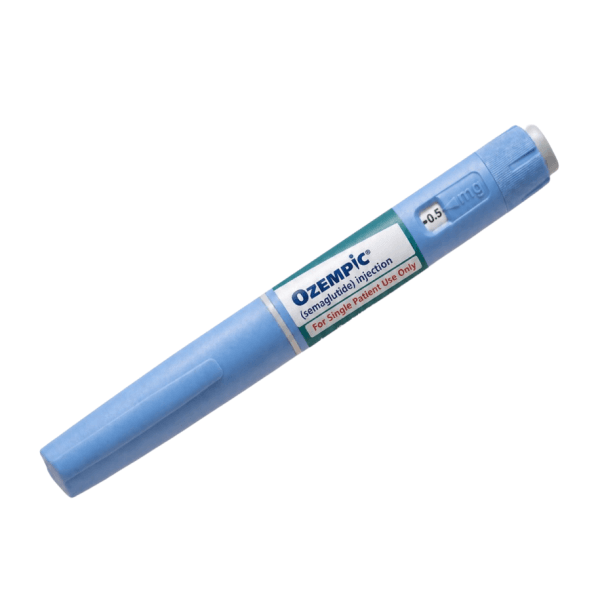
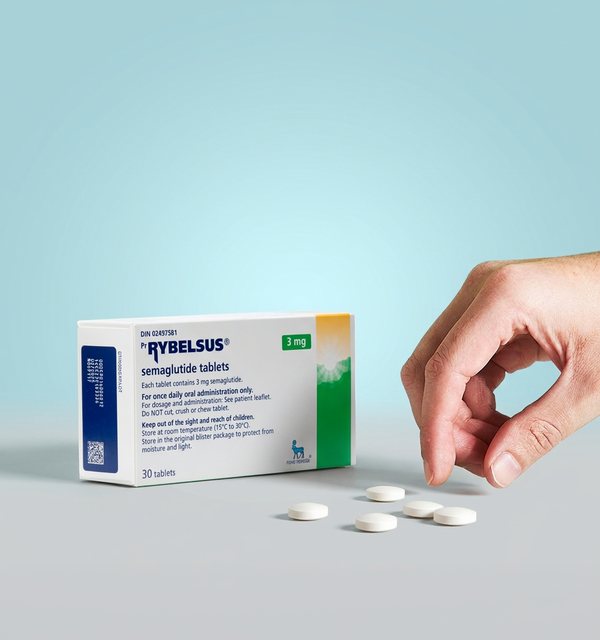
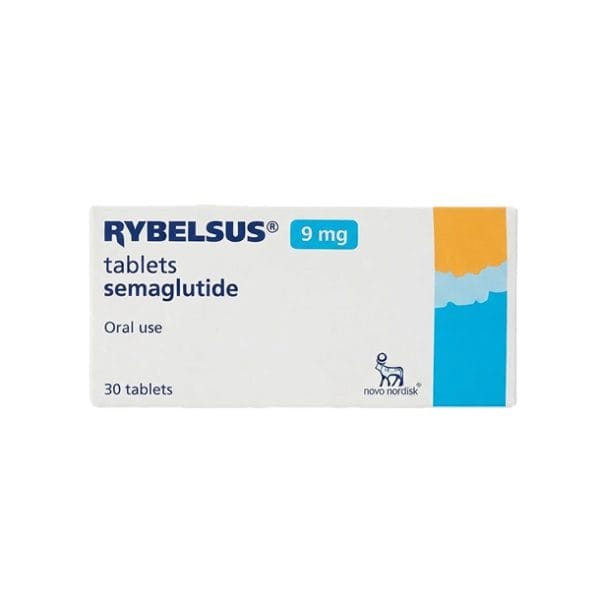
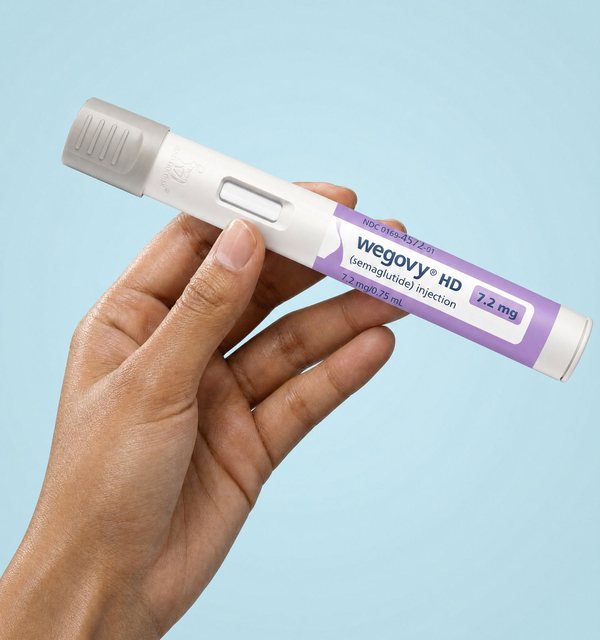
GLP-1 receptor agonists and related incretin-based therapies can reduce appetite and support weight loss in some people. They also have side effects and eligibility considerations. Product pages such as Ozempic Semaglutide Pens and Rybelsus Semaglutide Pills can help readers identify the medication class, but treatment decisions should stay with a clinician.
Some people compare glyburide with other sulfonylureas. Glipizide or gliclazide may be discussed when hypoglycemia risk is a concern, but the best option depends on the full clinical picture. If the main concern is weight, your clinician may also review non-sulfonylurea options.
Quick tip: Bring a two-week glucose and meal log to medication reviews.
Patient Teaching Points for Weight and Low-Sugar Prevention
Patient teaching for glyburide should focus on recognizing lows, matching doses with meals as prescribed, and knowing when to ask for help. These steps do not replace individualized instructions, but they can make conversations with clinicians more productive.
- Know low symptoms: Shaking, sweating, hunger, confusion, and weakness can signal hypoglycemia.
- Track rescue food: Record glucose treatments because they affect weight patterns.
- Avoid skipped meals: Irregular eating can increase low-sugar risk.
- Review alcohol use: Drinking can complicate glucose control and symptom recognition.
- Check interactions: Ask before adding new prescriptions or supplements.
- Report repeated lows: Frequent episodes deserve prompt medication review.
If weight is rising, avoid assuming glyburide is the only cause. Fluid retention, thyroid disease, sleep changes, depression, steroid use, insulin therapy, or reduced activity can also affect weight. A clinician may check labs, review medications, or adjust the care plan based on the broader pattern.
Food planning should be practical rather than extreme. Regular meals with consistent carbohydrate intake may reduce glucose swings for some people. A registered dietitian can help set carbohydrate targets, especially if you have kidney disease, pregnancy, gastroparesis, an eating disorder history, or frequent hypoglycemia.
Readers looking for broader lifestyle and medication context can browse the Type 2 Diabetes Articles collection or the Weight Management Articles collection. These are educational resources, not a substitute for a personal care plan.
How Glyburide Fits Into Type 2 Diabetes Care
Glyburide can still be useful for some adults with type 2 diabetes, especially when cost, access, or prior response shape treatment choices. It is not automatically the wrong medicine because weight gain is possible. The central question is whether the benefits outweigh the risks for that person.
That decision often changes over time. A medication that once worked well may become less suitable after kidney function changes, meal patterns shift, other prescriptions are added, or low-sugar episodes become more frequent. Weight goals may also change after a new diagnosis, pregnancy, cardiovascular event, or lifestyle plan.
If you are comparing options, keep product information separate from medical advice. CanadianInsulin.com functions as a prescription referral platform, and prescription details may be confirmed with a prescriber when required. Dispensing and fulfilment are handled by licensed third-party pharmacies where permitted. This access context does not determine which medicine is clinically appropriate.
For browsing medication categories, the Diabetes Product Category lists diabetes-related products, while the Type 2 Diabetes Condition page helps readers navigate condition-related options. Use these pages for orientation, then discuss suitability with your care team.
Authoritative Sources
For medication mechanism, adverse effects, and monitoring considerations, the NCBI StatPearls glyburide monograph summarizes clinician-focused information on glyburide. For consumer drug safety language, the MedlinePlus glyburide information page explains common warnings and side effects. For diabetes medication standards, the ADA Standards of Care pharmacologic guidance reviews drug-class considerations including hypoglycemia and weight effects.
Recap
Glyburide and weight loss is a common concern, but weight loss is not the usual pattern with this medication. Glyburide can increase insulin release, reduce glucose loss in urine, and cause hypoglycemia. Those effects can contribute to weight gain or weight fluctuations in some adults.
The most useful next step is not a self-directed dose change. Track glucose readings, low-sugar episodes, rescue foods, meals, activity, and weight trends. Then review the pattern with your clinician. If hypoglycemia or weight gain is a recurring problem, other diabetes medications may fit your goals and risk profile better.
This content is for informational purposes only and is not a substitute for professional medical advice.