
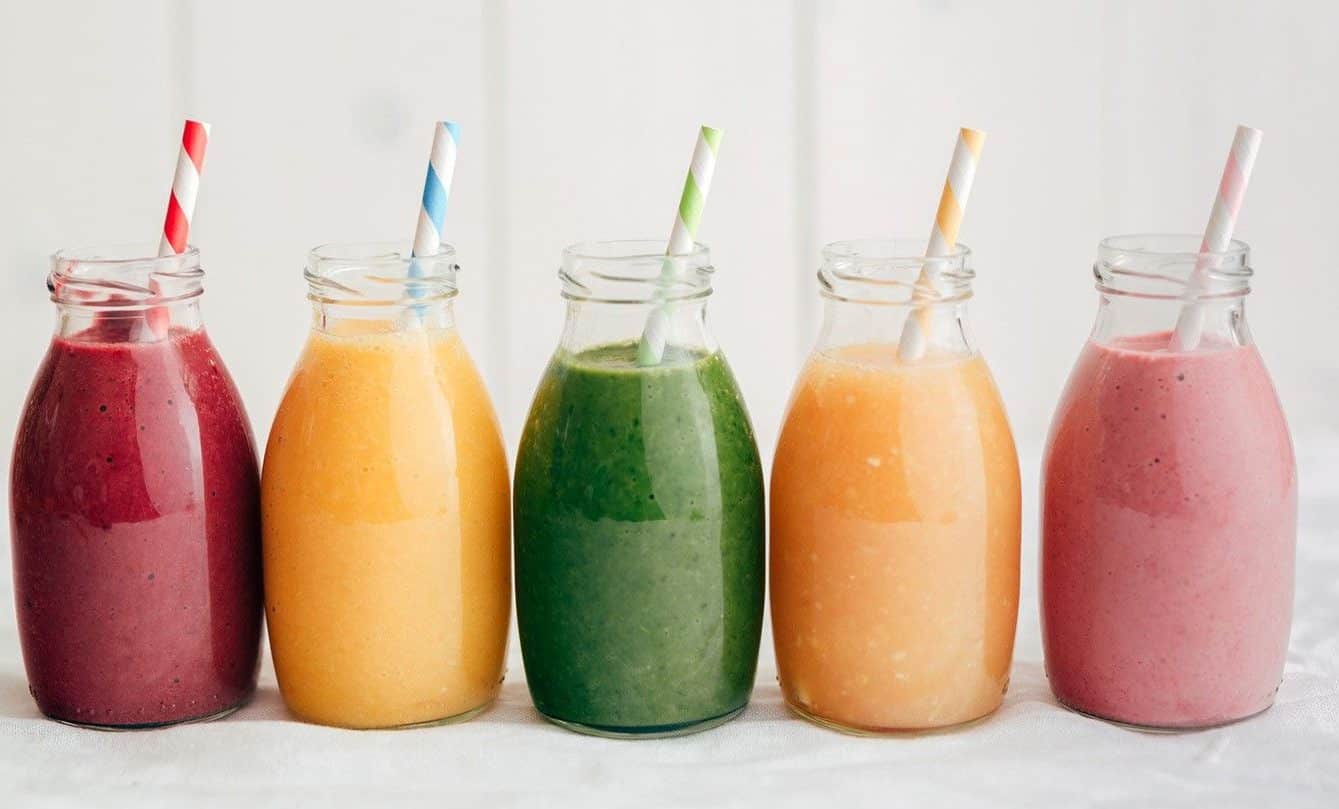
Good diabetic drinks are beverages that hydrate without adding a large or hard-to-measure carbohydrate load. Water, sparkling water, unsweetened tea, plain coffee, and some unsweetened milk alternatives are usually the simplest daily choices. The right option still depends on your glucose patterns, medications, kidney or liver health, food intake, and personal nutrition goals.
Alcohol needs a separate safety check. Some adults with diabetes can include alcohol in moderation, but it can raise the risk of low blood sugar, dehydration, impaired judgment, and medication interactions. Use this as a practical framework, not a replacement for your diabetes care plan.
Key Takeaways
- Start unsweetened: water, tea, and coffee are usually easiest to fit.
- Check total carbs: serving size matters more than front-label claims.
- Limit sweet drinks: soda, juice-heavy drinks, and sweet mixers can raise glucose quickly.
- Treat alcohol differently: lows can occur later, including overnight.
- Ask for guidance: insulin, pregnancy, kidney disease, liver disease, or repeated lows change the risk.
Everyday Good Diabetic Drinks That Are Easy to Repeat
The best everyday drink for many people with diabetes is plain water, because it has no carbohydrate, no caffeine, and no alcohol. Sparkling water can work the same way when it is unsweetened. If plain water feels boring, add lemon, cucumber, mint, berries, or a small splash of citrus.
Unsweetened tea and plain coffee are also common diabetes friendly drinks. The main issue is what goes into the cup. Sugar, flavored syrups, sweetened condensed milk, whipped toppings, and large blended coffee drinks can turn a low-carbohydrate drink into a dessert-style beverage. If coffee is part of your routine, Coffee and Diabetes explains why caffeine and add-ins may affect people differently.
Tea can also fit well when it is unsweetened. Black, green, herbal, and dark teas vary in caffeine and flavor, but the carbohydrate impact usually comes from sweeteners, milk, honey, or bottled tea blends. For a closer look at one tea category, see Dark Tea for Diabetes.
Milk and milk alternatives need a closer look. Plain cow’s milk contains natural carbohydrate, while unsweetened soy, almond, oat, or other plant-based drinks vary widely by brand. Some are low in carbohydrate. Others contain sweeteners, starches, or larger serving sizes than expected. Choose by the nutrition label, not the health claim on the carton. For food-pairing context, Diabetes Friendly Dairy covers dairy choices in a broader meal pattern.
Diet soda and zero-sugar soft drinks may reduce sugar exposure compared with regular soda. They are not automatically the best drinks for every person. Some people use them as an occasional swap. Others notice cravings, stomach symptoms, or different glucose responses. If you drink them, keep portions reasonable and consider caffeine tolerance.
Quick tip: Choose the drink you can measure and repeat consistently.
Use the Nutrition Label Before the Marketing Claim
The nutrition label gives more useful information than phrases such as natural, light, clean, sugar free, or no added sugar. For diabetes, the most important line is often total carbohydrate per serving. Added sugars, calories, sodium, caffeine, protein, and alcohol content may also matter.
Serving size is the common trap. A bottle may look like one drink but contain two or more servings. If the label lists 18 grams of carbohydrate per serving and the bottle contains two servings, the full bottle provides 36 grams. Liquid carbohydrates can raise glucose quickly because they need little digestion.
If grams of carbohydrate are confusing, this calculator can help estimate carbohydrate servings from a drink label. It is a general math tool, not a medical target or meal plan.
Carb Serving Calculator
Convert total carbohydrate grams into carb choices for meal planning and diabetes education.
These calculations are for education only and do not replace clinical advice, diagnosis, or treatment. Always confirm medical decisions with a qualified healthcare professional.
| Drink choice | Why it may fit | What to check |
|---|---|---|
| Water or sparkling water | Hydrates without carbohydrate | Sweeteners, sodium, or flavor syrups |
| Unsweetened tea or coffee | Low carbohydrate when plain | Sugar, creamers, syrups, and caffeine tolerance |
| Plain milk or unsweetened alternatives | May provide protein and nutrients | Total carbohydrate and serving size |
| Zero-sugar soft drinks | Lower sugar than regular soda | Caffeine, sweeteners, and personal tolerance |
| Fruit juice or smoothies | May contain vitamins | Rapid carbohydrate load and portion size |
| Alcoholic drinks | May be lower sugar if mixed carefully | Hypoglycemia risk, food intake, and medication interactions |
Sweeteners also deserve context. Non-sugar sweeteners do not all behave the same way, and sugar alcohols can cause gas, bloating, or diarrhea for some people. Sugar-free drink mixes, protein shakes, and syrups can still contain calories, caffeine, or other ingredients that matter to your plan.
Drinks to Limit, Plus the Low Blood Sugar Exception
The drinks most likely to raise glucose quickly are usually sweetened drinks with concentrated carbohydrate. These beverages can still appear healthy because they contain fruit, vitamins, caffeine, or electrolytes. The label matters more than the marketing.
- Regular soda: concentrated sugar in liquid form.
- Sweet tea or lemonade: added sugar can climb quickly.
- Large fruit juices: natural sugar can still raise glucose.
- Sweet coffee drinks: syrups and toppings add carbohydrates.
- Sports drinks: sugar and sodium vary widely.
- Energy drinks: sugar, caffeine, and stimulants may stack.
- Sweet cocktails: juice, syrup, tonic, and liqueurs add carbs.
There is one important exception. If you are treating low blood sugar, your care plan may include a fast-acting carbohydrate drink, glucose tablets, or another rapid carbohydrate source. In that situation, avoiding all sugar can be unsafe. Follow the hypoglycemia plan your clinician gave you, and seek urgent help for severe symptoms.
People often ask whether 100% juice is better than soda. It may provide vitamins, but it can still deliver a rapid carbohydrate load. If you drink juice, portion size and timing matter. Whole fruit often provides more fiber and is easier to pair with food.
Energy drinks deserve extra caution. Some contain sugar close to regular soda. Others are sugar free but high in caffeine or other stimulants. These ingredients may affect sleep, heart rate, blood pressure, stomach symptoms, or appetite. People with heart rhythm concerns, uncontrolled blood pressure, pregnancy, or caffeine sensitivity should ask a clinician before using them regularly.
Morning Drinks and Homemade Options
The best morning drink for diabetes is usually the one that hydrates you and does not overload carbohydrates. Water is a simple first drink after waking. Unsweetened tea or coffee may also fit. If you add milk, cream, protein powder, or a sweetener, measure it at least once so you know what is actually in the cup.
Morning glucose can be influenced by sleep, hormones, medication timing, late-night eating, illness, stress, and dawn phenomenon, which means early-morning hormone changes that can raise glucose. A morning drink may be one factor, but it is rarely the whole explanation. If fasting readings are repeatedly high or low, bring a log to your care team.
Be cautious with golden drink claims. Turmeric drinks, lemon water, vinegar drinks, cinnamon drinks, green juices, and bitter herbal mixtures are often promoted online. Some ingredients may be part of a normal diet, but no single beverage reliably controls diabetes. Some homemade drinks can irritate the stomach, affect teeth, or interact with medicines.
When choosing good diabetic drinks at home, keep recipes simple and measurable. Useful options include infused water with cucumber or mint, unsweetened herbal tea, soda water with lime, plain iced coffee with measured milk, or a protein drink with a clear carbohydrate count. If you use nutrition shakes, check whether they are meant as meal replacements, supplements, or general snacks. Products such as Glucerna are formulated for nutritional support, but they still need to fit your personal meal plan.
Alcohol and Diabetes Safety
Alcohol changes the drink decision because it can affect glucose, judgment, sleep, hydration, and medication safety. Some adults with diabetes can drink alcohol in moderation, but others should avoid it or get individualized advice first.
When alcohol enters the picture, good diabetic drinks are not just low in sugar. They also need to account for food, timing, medication type, and hypoglycemia risk. Hypoglycemia means low blood sugar. Alcohol can make it harder to recognize because sweating, dizziness, sleepiness, confusion, and poor coordination can resemble intoxication.
The risk is higher for people who use insulin or medicines that increase insulin release, such as sulfonylureas or meglitinides. Drinking without food, drinking after exercise, or drinking heavily can add risk. A continuous glucose monitor or fingerstick meter may help some people see patterns, but monitoring does not make alcohol risk-free.
There is no universal three-hour rule for diabetes and alcohol. Some people hear that they should check glucose three hours after drinking. That may be useful for certain care plans, but alcohol-related lows can occur later, including overnight. Your clinician may suggest a different approach based on your medication and history.
Lower sugar alcoholic choices often include dry wine, light beer, or spirits mixed with unsweetened soda water or diet mixers. These may contain less sugar than sweet cocktails, regular soda mixers, dessert wines, or liqueurs. Still, lower sugar does not mean lower risk. Alcohol itself can affect glucose regulation and decision-making.
Why it matters: A low-sugar alcoholic drink can still increase hypoglycemia risk.
Medication context matters. Heavy alcohol use can be especially concerning with some medicines and medical conditions. If you take metformin, review Metformin and Alcohol and discuss your personal risk with your prescriber. Do not stop, skip, or change medication doses to make drinking easier unless your clinician gives clear instructions.
Medication, Glucose Patterns, and Personal Risk
Your medication plan and glucose history should shape drink choices more than any generic best-drink list. Two people can drink the same beverage and see different glucose patterns. This is common with diabetes.
Insulin, sulfonylureas, meglitinides, missed meals, kidney disease, liver disease, pregnancy, gastroparesis, eating disorders, and alcohol use disorder all change the conversation. A registered dietitian or diabetes educator can help set carbohydrate targets and safer drink strategies. This is especially important if you have repeated highs, repeated lows, or symptoms you cannot explain.
Improving hydration is useful, but it is only one part of metabolic care. Food quality, movement, sleep, stress, weight changes, and medications can all influence glucose management. If you want broader reading on diabetes topics, the Diabetes Articles collection gathers related educational pages.
For product browsing rather than nutrition advice, the Diabetes condition page lists diabetes-related items available through the site. CanadianInsulin.com is a prescription referral platform, and prescription details may be confirmed with a prescriber when required.
Seek medical help promptly for severe low blood sugar, confusion, fainting, seizure, repeated vomiting, chest pain, trouble breathing, or signs of diabetic ketoacidosis such as nausea, abdominal pain, rapid breathing, fruity breath, or very high glucose with ketones. Alcohol can make warning signs easier to miss.
Putting the Choices Together
Choosing good diabetic drinks is less about finding one perfect beverage and more about building a repeatable pattern. Start with water and unsweetened drinks. Add milk, alternatives, coffee, tea, mocktails, nutrition shakes, or alcohol only when you understand the carbohydrate content and your personal risk factors.
If a drink is sweet, large, caffeinated, alcoholic, or hard to measure, slow down and check the label. If your readings change after a new beverage, write down the portion, timing, food eaten with it, and medication timing. That record can help your clinician or dietitian give more useful guidance.
Authoritative Sources
- NIDDK healthy living with diabetes guidance covers eating, activity, medicines, and daily care basics.
- CDC low blood sugar treatment guidance explains hypoglycemia symptoms and response steps.
- CDC diabetes healthy eating guidance reviews carbohydrate awareness and meal planning basics.
This content is for informational purposes only and is not a substitute for professional medical advice.


