
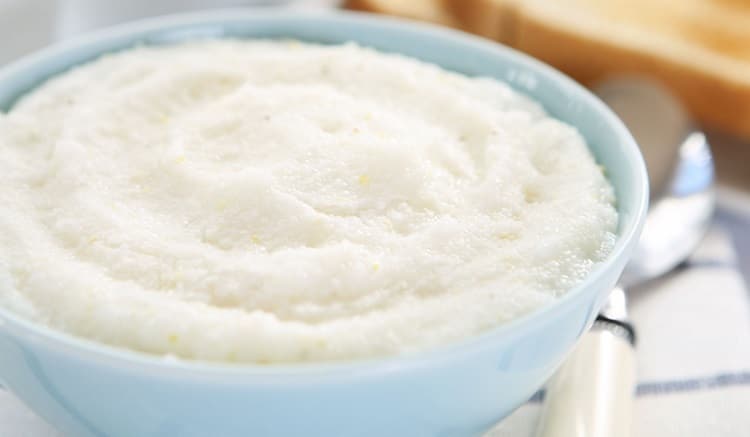
Adults managing diabetes can often eat grits, but the meal needs planning. The useful way to think about grits and diabetes is not allowed or forbidden. It is type, portion, toppings, and what shares the plate. Grits are a corn-based starch, so they can raise blood glucose, especially in large servings or sweetened instant versions. Pairing a measured serving with protein, non-starchy vegetables, and unsweetened drinks can make breakfast more balanced. If you use insulin or medicines that can cause low blood sugar, keep your carbohydrate plan consistent and ask your care team before major changes.
Key Takeaways
- Grits are starch, so portions matter for glucose response.
- Stone-ground or less processed grits may fit better than sweetened instant packets.
- Protein, fiber-rich sides, and vegetables can make breakfast more balanced.
- Home glucose checks can show how your body responds.
- Ask for dietitian support if breakfast causes repeated highs or lows.
Grits and Diabetes: Why the Type Matters
Grits are made from ground corn, so they mostly behave like a grain-based carbohydrate at breakfast. They are not automatically off-limits, but they are different from eggs, cheese, or plain meat because starch breaks down into glucose during digestion. That matters when you are trying to prevent large post-meal rises.
The type of grits can change how the meal feels and digests. Stone-ground grits are usually coarser and less processed than instant versions. Quick and instant grits are milled finer, cook faster, and may be easier to over-serve. Flavored packets can also add sugar, sodium, or creamy ingredients that make the meal less predictable.
Glycemic index, often called GI, is a measure of how quickly a carbohydrate-containing food raises blood glucose in a test setting. It can help with general comparisons, but it does not tell the whole story. Portion size, cooking method, toppings, sleep, stress, activity, and medication timing can all affect the number you see after breakfast.
Why it matters: The same bowl can act differently when the serving, grain texture, and toppings change.
For many adults, the best question is not whether grits are good or bad. A better question is whether a specific serving fits your carbohydrate plan and leaves you with acceptable readings. If you are unsure what your targets mean, the Blood Sugar Normal Range Chart can help you understand common glucose terms before discussing your own goals with a clinician.
Portion Size Is Often the Main Breakfast Lever
Portion size usually has the biggest effect because grits are concentrated in starch. A small cooked serving may fit one meal plan, while a large bowl can provide more carbohydrate than expected. Measuring cooked grits at least once can reset your eye for what your usual bowl actually contains.
Many people begin by comparing their serving with the nutrition label or a trusted food database. Labels may list dry portions, cooked portions, or prepared portions depending on the product. That detail matters. Dry grits expand with water or milk, so the measured volume before cooking is not the same as the final bowl.
A practical approach to grits and diabetes is to count the carbohydrate source first, then build the rest of breakfast around it. If your care plan uses carbohydrate counting, use the label total carbohydrate, not just sugar. Starch still matters even when the food tastes savory.
A carb-serving calculator can help you translate label carbohydrates into a general serving count. It does not set your personal target or replace advice from your clinician or registered dietitian.
Carb Serving Calculator
Convert total carbohydrate grams into carb choices for meal planning and diabetes education.
These calculations are for education only and do not replace clinical advice, diagnosis, or treatment. Always confirm medical decisions with a qualified healthcare professional.
Checking before and after a new breakfast can also teach you more than a label alone. Your response may differ from someone else with the same diagnosis. For practical context on testing patterns, see Blood Sugar Monitoring. Ask your care team which timing makes sense for you, especially if you use insulin, sulfonylureas, or other medicines that can cause hypoglycemia.
How to Build a Better Bowl
A smarter grits breakfast usually starts with balance. Plain grits alone digest differently from grits served with protein, vegetables, and modest amounts of fat. The goal is not to hide carbohydrates. It is to make the whole meal more balanced and easier to interpret.
Start with the grain
Choose plain grits when possible, then season them yourself. Stone-ground grits may offer a coarser texture and slower eating pace. Instant grits can still be used, but flavored packets deserve closer label reading. Look for total carbohydrate, added sugars, sodium, and the listed serving size.
Add protein and produce
Eggs, plain Greek yogurt on the side, cottage cheese, tofu, beans, fish, or lean meats can add protein. Non-starchy vegetables, such as spinach, peppers, mushrooms, tomatoes, or greens, add volume and texture without turning the meal into a larger starch serving. If you prefer fruit at breakfast, choose a measured serving and consider options discussed in Low-GI Fruits.
Be careful with toppings
Sweet toppings can quickly change the meal. Brown sugar, syrup, honey, and sweetened creamers add fast-digesting carbohydrate. Large amounts of butter, cheese, bacon, or sausage may add saturated fat and sodium. Sugar substitutes and sugar alcohols can also cause digestive effects for some people, so read more about Sugar Alcohols if you use sweetened products often.
- Measure first: Compare your bowl with the label.
- Keep it plain: Add your own seasoning.
- Pair protein: Include eggs, tofu, beans, or yogurt.
- Add vegetables: Use greens, peppers, or mushrooms.
- Limit sweeteners: Treat sugar as extra carbohydrate.
- Track response: Review patterns, not one reading.
These small choices make grits and diabetes easier to manage without turning breakfast into a rigid rule. The same framework also works for oatmeal, toast, tortillas, or rice bowls.
Stone-Ground, Instant, and Oatmeal Comparisons
Stone-ground grits are often the more practical starting point when you want a less processed bowl. They usually have a heartier texture and take longer to cook. That does not make them a free food. It simply makes portion awareness and topping choices easier for many people.
Instant grits are convenient, but convenience can create two problems. First, packets may contain added flavors, salt, or sweeteners. Second, a small-looking packet can become part of a larger meal with toast, juice, fruit, and sweet coffee. The total breakfast, not the grits alone, drives the glucose response.
Grits and oatmeal are both grain-based breakfast foods, but they are not identical. Oats often contain more soluble fiber, especially when you choose steel-cut or old-fashioned oats. Fiber can slow digestion and support fullness. However, instant sweetened oatmeal with a large serving can still raise blood glucose. Plain grits with eggs and vegetables may be a better choice than a highly sweetened oatmeal packet for some adults.
Glycemic index comparisons can be useful, but they should not be the only deciding factor. GI values vary by product, processing, and preparation. Glycemic load also considers the amount of carbohydrate eaten. That is why a small serving of a higher-GI food may affect you differently than a large serving of a lower-GI food.
If weight, appetite, or insulin resistance are also part of your care plan, broader habits matter. Regular activity, sleep, medication review, and meal quality can all influence glucose patterns. For a wider view, see Improving Insulin Sensitivity.
What to Watch After Eating Grits
Grits can raise blood sugar because they contain digestible carbohydrate. The rise may be modest for one person and larger for another. Your pattern is more useful than a single reading after an unusual meal.
Consider tracking the type of grits, serving amount, toppings, and timing of the reading when you test a new breakfast. Also note activity, stress, poor sleep, illness, and missed or delayed medication. These details can help your clinician or dietitian interpret the result without blaming one food too quickly.
Quick tip: Repeat the same breakfast twice before judging your pattern, unless your care team advises otherwise.
Some people should ask for more personalized guidance before making breakfast changes. This includes anyone with repeated high readings after breakfast, frequent low blood sugar, pregnancy, kidney disease, gastroparesis, an eating disorder history, or a recent medication change. A registered dietitian can help set carbohydrate targets that match your medicines, culture, budget, appetite, and daily routine.
There is no single number-one worst food for every person with diabetes. Sugary drinks, large refined-starch portions, and low-fiber meals often create problems, but the pattern matters more than one label. The more useful goal is to identify meals that repeatedly move your readings outside your agreed range.
Breakfast Ideas That Keep Grits in Context
A grits breakfast can be savory, simple, and balanced. Think of grits as the starch part of the meal, then choose what else belongs on the plate. This approach helps prevent the bowl from becoming the whole meal.
One option is a measured serving of plain stone-ground grits with eggs and sautéed spinach. Another is grits with black beans, peppers, and a small amount of cheese. Some people prefer shrimp and greens, but prepared sauces and cured meats may add sodium, so labels still matter.
If you like sweeter breakfasts, use fruit thoughtfully. Berries, nuts, cinnamon, and plain yogurt can add flavor without turning the bowl into dessert. For more breakfast fruit context, Fruits for Diabetes explains how portions, fiber, and ripeness affect choices.
Adults using GLP-1 medicines or other appetite-changing therapies may find that breakfast portions feel different over time. Smaller appetite does not automatically mean better nutrition. If medication changes affect your meal pattern, the discussion in Diet and GLP-1 Medications may help you prepare better questions for your care team.
When Grits May Not Be the Best Fit
Grits may be harder to fit when breakfast readings stay high despite smaller portions and balanced pairings. They may also be less useful if instant packets lead to larger servings, sweet toppings, or a meal that leaves you hungry soon after eating. In those cases, changing the grain, portion, or meal structure may be worth discussing.
Some adults feel better with a higher-fiber breakfast, such as oats, beans, vegetables, yogurt, or whole-grain toast paired with protein. Others may tolerate grits well when the serving is measured and the rest of the meal is balanced. Neither pattern is a moral win or failure. It is a data point for your own diabetes plan.
Food access, culture, and routine matter too. Grits are familiar, affordable, and comforting for many households. A realistic meal plan works better when it adapts familiar foods instead of removing them without a clear reason. Browse the Diabetes Education hub for more general food and glucose topics.
Putting a Smarter Breakfast Together
The safest conclusion is practical: grits can fit into some diabetes meal plans, but they need portion awareness and thoughtful pairings. Choose plain versions when possible, measure the serving, add protein and non-starchy vegetables, and watch how your own readings respond.
If breakfast numbers keep rising, do not keep guessing. Bring your food notes, glucose readings, medication list, and usual schedule to your clinician or dietitian. That conversation can identify whether the issue is portion size, meal timing, medication timing, sleep, stress, or another factor.
Authoritative Sources
- The American Diabetes Association healthy eating guidance explains balanced food choices for diabetes.
- The CDC carbohydrate counting guidance for diabetes describes how carbohydrates affect blood glucose.
- The USDA FoodData Central food composition database provides nutrient details for foods and ingredients.
This content is for informational purposes only and is not a substitute for professional medical advice.


