
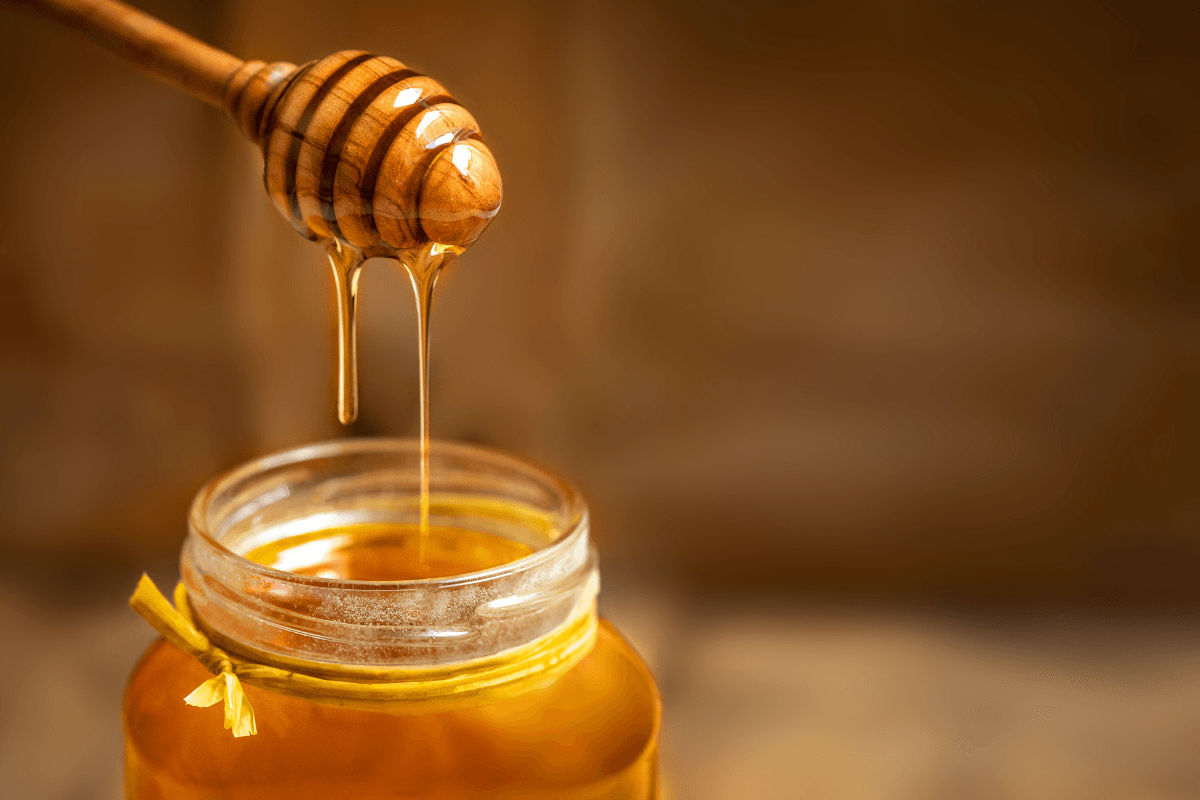
The safest way to think about honey and diabetes is this: honey can fit into some diabetes eating plans, but it still raises blood sugar and needs to be counted as carbohydrate. Its source, raw status, or floral type does not make it glucose-neutral. Why this matters: a small spoonful can contain enough sugar to change a meal’s carbohydrate total, especially for people using insulin or medicines that can cause low blood sugar.
Key Takeaways
- Honey is an added sugar, not a free food.
- One tablespoon contains about 17 grams of carbohydrate.
- The glycemic index of honey varies by type and testing method.
- Raw, local, or manuka honey can still raise glucose.
- Medication use, glucose patterns, and carb targets matter most.
How Honey and Diabetes Fit Into Blood Sugar Planning
Honey is mainly a concentrated carbohydrate source. It contains sugars, mostly fructose and glucose, plus water and small amounts of other compounds. Those trace compounds may affect flavor and color, but they do not cancel the carbohydrate load. After you eat honey, your digestive system absorbs those sugars, and your blood glucose may rise.
A common practical question is whether one tablespoon of honey equals a meaningful amount of sugar. For carb counting, it does. One tablespoon of honey has about 17 grams of carbohydrate, almost all from sugars. That is a little more than one standard 15-gram carbohydrate serving. By sugar amount, it is roughly comparable to four teaspoons of granulated sugar, since one teaspoon of sugar is about 4 grams.
Why it matters: Measuring honey by the spoon can hide a meaningful carb load.
For honey and diabetes, portion size matters more than whether the sweetener sounds natural. A teaspoon used occasionally in a meal is different from a heaping tablespoon added to drinks, yogurt, toast, and sauces throughout the day. If you are reviewing added sugar limits, the article How Much Sugar Can A Diabetic Have covers that broader planning question.
Honey also counts toward total carbohydrate even when it appears inside recipes. Granola, marinades, baked goods, salad dressings, and flavored teas may contain enough honey to affect a meal’s glucose impact. Nutrition labels may list it under total sugars, added sugars, or total carbohydrate, depending on the product and jurisdiction.
Does Honey Raise Blood Sugar?
Yes, honey raises blood sugar because it contains digestible carbohydrate. The rise may be smaller, larger, faster, or slower depending on the amount eaten, the rest of the meal, your activity, your medication plan, and your own insulin response. A glucose meter or continuous glucose monitor can show different patterns from one person to another.
The glycemic index of honey is not one fixed number. Glycemic index, often called GI, ranks how quickly a carbohydrate food raises blood glucose compared with a reference food. Honey’s GI can vary by floral source, fructose-to-glucose balance, processing, and testing method. Some tested honeys fall lower than table sugar, but that does not mean honey is low impact for every person.
Honey can raise glucose within the usual post-meal window. It may seem slower when eaten with protein, fat, or fiber, but the carbohydrate still counts. A spoonful in tea may behave differently from honey on whole-grain toast with peanut butter, because the whole meal changes digestion speed.
Raw honey, local honey, and manuka honey still contain sugars. They should not be treated as safer diabetes sweeteners simply because they are less processed or marketed for wellness. Processing differences may change texture, flavor, and some minor compounds, but the carbohydrate load remains clinically relevant.
Honey does not directly cause diabetes by itself. Type 2 diabetes develops through several factors, including genetics, age, beta-cell function, body weight, activity patterns, sleep, medications, and insulin resistance. Still, a diet pattern high in added sugars can make calorie balance and glucose management harder for some people. For background on this broader metabolic issue, see Improving Insulin Sensitivity.
How Much Honey Fits: Portions, Labels, and Timing
There is no universal daily amount of honey that works for every person with diabetes. The better question is how the honey fits into your total carbohydrate target, medication plan, glucose pattern, activity level, and meal structure. A registered dietitian or diabetes educator can help turn those factors into a realistic eating plan.
The practical answer to honey and diabetes is to treat honey as an intentional carbohydrate choice, not a routine health add-on. If you use it, measure it. A teaspoon is easier to account for than a squeeze bottle pour. Small repeated amounts can add up quickly across coffee, tea, oatmeal, toast, sauces, and snacks.
This carb serving calculator can help estimate how total carbohydrate translates into standard carb servings. It is a general math tool and does not replace individualized nutrition guidance.
Carb Serving Calculator
Convert total carbohydrate grams into carb choices for meal planning and diabetes education.
These calculations are for education only and do not replace clinical advice, diagnosis, or treatment. Always confirm medical decisions with a qualified healthcare professional.
Timing also matters. Honey on an otherwise carbohydrate-heavy meal may raise the total glycemic load. Honey paired with foods that contain protein, fiber, or fat may produce a different pattern, but it still adds carbohydrate. If your care team has asked you to check after meals, those readings may help you learn your personal response.
People who use insulin or medicines that can cause hypoglycemia should be especially careful. Do not change medicine doses because you plan to eat honey unless your prescriber has given instructions. If low blood sugar happens often, or you are unsure how to treat it, review general safety information in What To Do When Blood Sugar Is Low and speak with your care team.
Few foods are truly free foods in diabetes care. Non-starchy vegetables and unsweetened drinks are lower in carbohydrate for many people, while fruits, grains, milk, beans, and sweeteners need more portion awareness. If you want naturally sweet foods with fiber, compare options in Low GI Fruits.
How Honey Compares With Sugar, Tea, and Sweeteners
Honey is not automatically better than table sugar for diabetes planning. It may taste sweeter, which helps some people use less. It may also have a variable GI. But it remains an added sugar, and the blood sugar effect depends on the portion and meal context.
| Option | Carbohydrate effect | Planning note |
|---|---|---|
| Honey | Contains sugars and raises blood glucose. | Measure the portion and count it as carbohydrate. |
| Table sugar | Also contains digestible carbohydrate. | Use the same added-sugar caution as honey. |
| Green tea with honey | Plain tea has little carbohydrate; honey adds sugar. | For tea context, see Diabetes And Green Tea. |
| Cinnamon with honey | The honey still contributes carbohydrate. | Cinnamon should not be used to cancel sugar or treat diabetes. |
| Low-calorie sweeteners | Many add little or no carbohydrate per serving. | Labels vary, and tolerance differs by person. |
There is no single best sweetener for every person with diabetes. Some people prefer a small amount of real sugar or honey. Others choose low-calorie sweeteners to reduce carbohydrate intake. If you are comparing non-sugar options, review Stevia And Diabetes, Sucralose And Diabetes, and What Are Sugar Alcohols.
Sweetener choice also depends on taste, digestion, dental health, cooking needs, and glucose goals. Sugar alcohols can cause gas or diarrhea for some people. Low-calorie sweeteners may work well in drinks but not in baking. Honey adds moisture and flavor to recipes, which can make direct swaps difficult.
When Extra Caution Makes Sense
Honey deserves extra caution when blood sugar swings carry higher risk. That does not mean everyone must avoid it completely. It means the decision should fit your medical context, not only a general nutrition article.
- Insulin use: added carbohydrate can affect dosing plans.
- Hypoglycemia risk: repeated lows need clinician review.
- Pregnancy: gestational diabetes targets are more specific.
- Kidney disease: nutrition plans may require tighter guidance.
- Gastroparesis: delayed stomach emptying can change glucose timing.
- Eating disorder history: restrictive rules may worsen risk.
If you see repeated high readings after sweet foods, do not assume honey is harmless because it is natural. If you see repeated low readings, do not solve the pattern by guessing with extra sweets. Either pattern may require a review of meals, activity, medications, and monitoring habits.
Seek urgent care for severe symptoms such as confusion, fainting, seizure, chest pain, trouble breathing, signs of dehydration, or blood sugar readings that your care plan defines as dangerous. If you are unsure how to interpret a reading, follow the safety plan your clinician gave you.
Making Honey a Conscious Choice, Not a Default
The most useful approach is to decide when honey is worth the carbohydrate cost. For example, a measured teaspoon in a favorite unsweetened tea may be easier to account for than honey spread across several foods in one meal. A large honey-sweetened smoothie, breakfast bowl, and snack bar can raise total carbohydrate quickly.
Before adding honey regularly, consider these questions:
- What portion will I actually measure?
- Which carbohydrate will it replace?
- How often will I use it?
- What does my glucose pattern show?
- Does my medication plan increase low-glucose risk?
Balanced meals usually do more than sweetener swaps alone. Protein, fiber-rich carbohydrate, non-starchy vegetables, and appropriate portions can support steadier post-meal patterns. For meal planning ideas, Type 2 Diabetes Breakfast Ideas may help you compare morning options without treating any single food as required.
With honey and diabetes, the goal is not to label honey as good or bad. The goal is to understand its carbohydrate impact, use it deliberately if it fits, and avoid relying on raw, manuka, cinnamon, or green tea combinations as blood sugar treatments.
Authoritative Sources
- USDA FoodData Central on honey nutrients: nutrient data for common honey portions.
- American Diabetes Association A1C information: patient guidance on A1C and glucose targets.
- NIDDK diabetes diet and activity guidance: practical eating-pattern guidance for diabetes.
For broader diabetes nutrition topics, you can browse the Diabetes Articles hub and compare related food, glucose, and medication education resources.
This content is for informational purposes only and is not a substitute for professional medical advice.


