
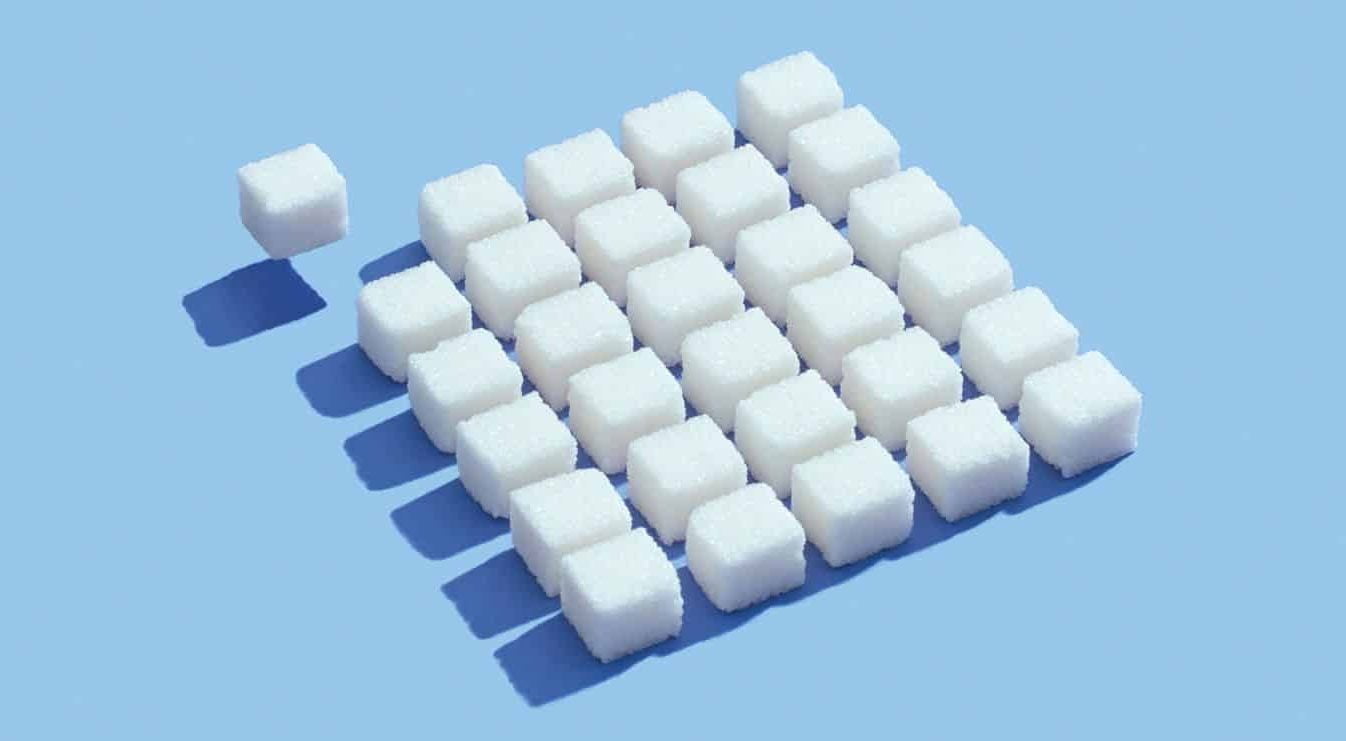
Most people with diabetes do not need to avoid sugar completely. The safer question is how much sugar can a diabetic have within their total carbohydrate plan, medication routine, and glucose targets. Many care plans focus on limiting added sugars while keeping carbohydrates consistent across meals. Small amounts can fit, but sweet drinks, large desserts, and frequent snacks can raise glucose quickly and crowd out more nutritious foods.
Why this matters: sugar is a carbohydrate, but it is not the only carbohydrate that affects blood glucose. Bread, rice, pasta, fruit, milk, beans, and starchy vegetables also count. A useful sugar limit therefore starts with total carbs, portion size, and your personal readings.
Key Takeaways
- Added sugars matter most: limit sugars added during processing or preparation.
- Total carbs still count: starches and natural sugars can raise glucose.
- Small portions can fit: plan sweets inside meal carbohydrate targets.
- Labels need context: check serving size, Total Carbohydrate, and Added Sugars.
- Individual targets vary: medication, activity, pregnancy, kidney disease, and hypoglycemia risk change the plan.
How Much Sugar Can a Diabetic Have in a Day?
There is no single daily sugar number that fits every person with diabetes. Many nutrition plans set a carbohydrate range for each meal first, then limit added sugars within that range. This approach works better than focusing only on grams of sugar because all digestible carbohydrates can affect post-meal glucose.
As a general public-health target, many organizations advise keeping added or free sugars below 10% of daily calories. Some heart-health guidance uses lower limits, such as about 25 grams per day for many women and 36 grams per day for many men. These are not diabetes prescriptions. They are practical ceilings that may help reduce excess calories and glucose swings.
For diabetes meal planning, your clinician or registered dietitian may use more specific carbohydrate targets. Some adults use about 30–60 grams of carbohydrate per meal, but needs vary widely. Body size, activity, insulin use, other medications, weight goals, and glucose patterns all matter. If you use insulin or medicines that can cause hypoglycemia, avoid changing carbohydrate intake sharply without professional guidance.
So, how much sugar can a diabetic have if readings are usually in range? Often, a small sweetened item can fit when the rest of the meal is planned. For example, 5 grams of added sugar in a high-fiber meal is different from 35 grams in a drink taken alone. Your meter or continuous glucose monitor gives the most useful feedback.
Added Sugar, Free Sugar, and Total Sugar
Added sugar means sugar put into a food during processing, cooking, or preparation. Examples include table sugar, brown sugar, corn syrup, honey, molasses, agave syrup, and fruit juice concentrates. On many labels, Added Sugars appear separately under Total Sugars.
Free sugars is a related term used in some nutrition guidance. It includes added sugars plus sugars naturally present in honey, syrups, fruit juices, and fruit juice concentrates. This matters because juice can look natural but still deliver sugar quickly without the fiber found in whole fruit.
Total Sugars includes both added sugars and naturally occurring sugars. Plain milk contains lactose. Whole fruit contains fructose. Plain yogurt may show sugar even when none was added. That is why a label with 10 grams of Total Sugars is not automatically a poor choice. The source and the full carbohydrate profile matter.
Quick tip: Read labels in this order: serving size, Total Carbohydrate, fiber, then Added Sugars.
If you want a deeper look at sweeteners used in everyday foods, see our overview of Healthiest Sweetener Choices. For a related discussion of honey and glucose response, read Honey and Diabetes.
What 25 Grams of Sugar Looks Like
Twenty-five grams of sugar is about 6 teaspoons. It can appear quickly in common foods, especially drinks. A sweetened coffee, regular soda, sports drink, candy bar, flavored yogurt, or dessert can reach that amount in one serving. Portions often matter more than the food name.
Here is a practical way to visualize it. One teaspoon of sugar is about 4 grams. A label showing 8 grams of added sugar is roughly 2 teaspoons. A label showing 12 grams is about 3 teaspoons. A food with 25 grams is about 6 teaspoons. These conversions are estimates, but they help make labels less abstract.
The bigger question is whether those grams fit the full meal. If a snack has 25 grams of added sugar and very little fiber or protein, it may raise glucose faster. If a meal has 25 grams of total carbohydrate from beans, vegetables, and a small portion of fruit, the glucose response may be slower.
You can use the carb serving calculator below to estimate carbohydrate servings from a label. It helps compare total carbohydrate against a serving target, but it does not replace individualized nutrition advice.
Carb Serving Calculator
Convert total carbohydrate grams into carb choices for meal planning and diabetes education.
These calculations are for education only and do not replace clinical advice, diagnosis, or treatment. Always confirm medical decisions with a qualified healthcare professional.
Can Type 2 Diabetics Eat Sugar?
People with type 2 diabetes can eat some sugar, but frequent high-sugar choices make glucose management harder. The goal is not a strict ban. The goal is a pattern that keeps carbohydrates consistent, limits added sugars, and supports heart and metabolic health.
Type 2 diabetes involves insulin resistance, which means the body has more difficulty using insulin effectively. Large amounts of rapidly absorbed sugar can push glucose higher after meals. Sweet drinks are especially challenging because they move through the stomach quickly and contain little fiber or protein.
Pairing can help. A small dessert after a balanced meal may have a different effect than the same dessert alone. Protein, fiber, and healthy fats can slow digestion. Activity after meals may also affect readings, although exercise plans should match your health status and medication risk.
Some people notice that even small amounts of sugar raise glucose sharply. Others tolerate modest portions when meals are balanced. That difference is why glucose tracking matters. If readings are often above your target range after sweet foods, review the pattern with your care team rather than relying on a universal rule.
Is 4, 8, 10, or 14 Grams of Sugar a Lot?
A few grams of sugar is not automatically too much. The answer depends on whether the number is Total Sugar or Added Sugars, how large the serving is, and what else you eat with it. A food with 4 grams of added sugar may fit easily. A drink with 14 grams and no fiber may cause a faster rise.
Four grams of sugar equals about 1 teaspoon. Eight grams is about 2 teaspoons. Ten grams is about 2.5 teaspoons. Fourteen grams is about 3.5 teaspoons. These amounts may sound small, but they can add up across coffee, sauces, cereal, snacks, and desserts.
Use this simple interpretation when reading labels:
- Look for the serving: small packages may contain more than one serving.
- Check total carbs: sugar is only part of the carbohydrate count.
- Notice added sugars: lower is usually easier to fit.
- Compare fiber: higher fiber may improve fullness and slow absorption.
- Track your response: readings show how that food works for you.
If you use home glucose supplies, product pages such as OneTouch Verio Test Strips or the Contour Next Meter can help you identify the type of tools people commonly use for monitoring. Device choice and testing frequency should follow your clinician’s advice.
Fruit, Juice, and Naturally Sweet Foods
Whole fruit is usually handled differently from added sugar because it contains water, fiber, vitamins, and minerals. A small apple, berries, citrus, or a measured portion of melon can often fit into a diabetes meal plan. The portion still counts as carbohydrate, but the whole-food structure helps slow digestion.
Juice is different. Even 100% fruit juice can deliver sugar quickly because much of the fiber is removed. Smoothies can also be high in carbohydrate if they use large portions of fruit, juice, sweetened yogurt, or syrups. If you drink smoothies, measure ingredients and consider adding protein or fiber sources.
For more food-specific ideas, see Best Fruits for Diabetics and Worst Fruits for Diabetics. These can help you compare portions and choose fruits that fit your glucose pattern.
Sweeteners and Lower-Sugar Swaps
Low- and no-calorie sweeteners can reduce added sugar when they replace sugar-sweetened foods or drinks. Options include stevia, monk fruit sweetener, sucralose, aspartame, and sugar alcohols such as erythritol. They are not required for a healthy diet, but some people find them useful for tea, coffee, yogurt, or baking.
Check the ingredient list before assuming a sweetener has no carbohydrate. Some packets and baking blends contain dextrose, maltodextrin, or other bulking agents. Sugar alcohols may cause gas, bloating, or diarrhea in some people, especially in larger amounts.
The healthiest alternative to sugar depends on the use. For tea or coffee, unsweetened cinnamon, vanilla, stevia, or monk fruit may reduce added sugar. For snacks, whole foods such as nuts, plain yogurt, or fruit may be more satisfying than a sweetened packaged item. For meal replacements, compare Total Carbohydrate, Added Sugars, protein, and fiber; Glucerna is one example of a diabetes-oriented nutrition product page where readers can review label-style details.
Be cautious with sugar detox plans. Very restrictive approaches can backfire, especially if you take glucose-lowering medicines. For a safety-focused discussion, read What Is Sugar Detox.
Practical Ways to Lower Added Sugar
Reducing sugar works best when the changes are specific and repeatable. Start with the items you consume most often. Drinks, breakfast foods, condiments, and snacks are common sources of hidden added sugar.
- Change drinks first: choose water, unsweetened tea, or coffee with less sugar.
- Modify breakfast: use plain yogurt, nuts, berries, or high-fiber cereal.
- Measure condiments: sauces and dressings can add sugar quickly.
- Plan snacks: pair protein with fiber-rich carbohydrates.
- Use spices: cinnamon, cocoa, ginger, and vanilla add flavor without sugar.
- Compare labels: choose the lower added-sugar option when nutrition is similar.
If you often feel deprived, reduce gradually. For example, use half the usual sugar in coffee for two weeks, then reassess. Gradual changes can help taste preferences adjust. If you have repeated lows while changing your eating pattern, contact your care team. You may need medication or meal-plan review.
When to Get Professional Help With Sugar Targets
Personal guidance is important when glucose readings are difficult to interpret. A registered dietitian or diabetes educator can help translate daily habits into meal targets. They can also help you balance cultural foods, work schedules, appetite changes, and medication timing.
Seek professional input before major carbohydrate changes if you are pregnant, have kidney disease, have gastroparesis (delayed stomach emptying), have a history of eating disorders, use insulin, or take medications that can cause hypoglycemia. These situations can make rigid sugar limits unsafe or unrealistic.
For broader diabetes reading, the Diabetes Articles collection can help you explore related nutrition and treatment topics. The Diabetes condition page is a browseable condition hub rather than a personalized care plan.
Authoritative Sources
Major diabetes guidance emphasizes individualized nutrition plans and carbohydrate awareness. The American Diabetes Association discusses nutrition therapy and individualized goals in its Standards of Care resource.
Public-health guidance also supports limiting added sugars as part of overall diet quality. The CDC summarizes common sources and label issues in its added sugars nutrition overview.
Diabetes Canada discusses free sugars and recommends limiting them within a balanced eating pattern. Its position statement on sugar and diabetes provides additional context.
Recap
How much sugar can a diabetic have depends on total carbohydrates, added sugar intake, medication, activity, and glucose response. A practical plan limits added sugars, keeps carbs consistent, and uses labels carefully. Whole fruit often fits better than juice or sweet drinks because it contains fiber and water. Small amounts of sugar may be reasonable, but repeated highs, lows, or confusion about targets should be reviewed with a clinician or registered dietitian.
This content is for informational purposes only and is not a substitute for professional medical advice.


