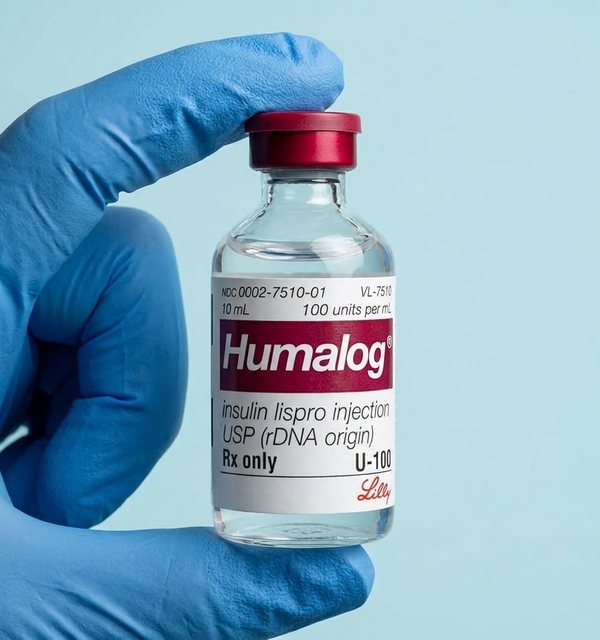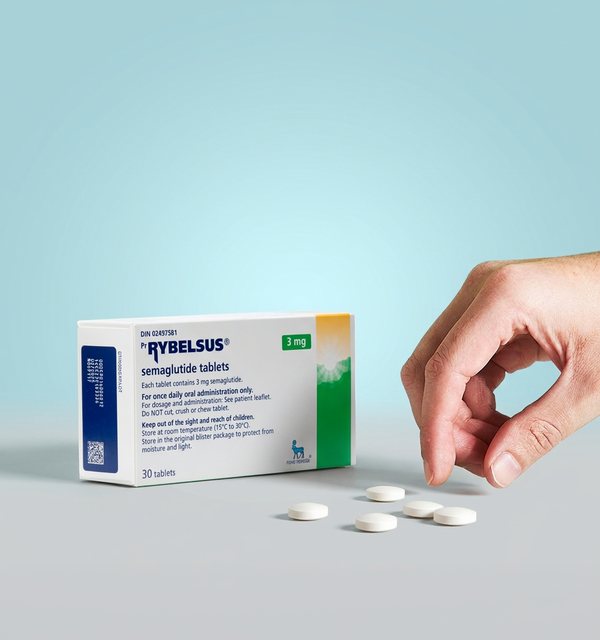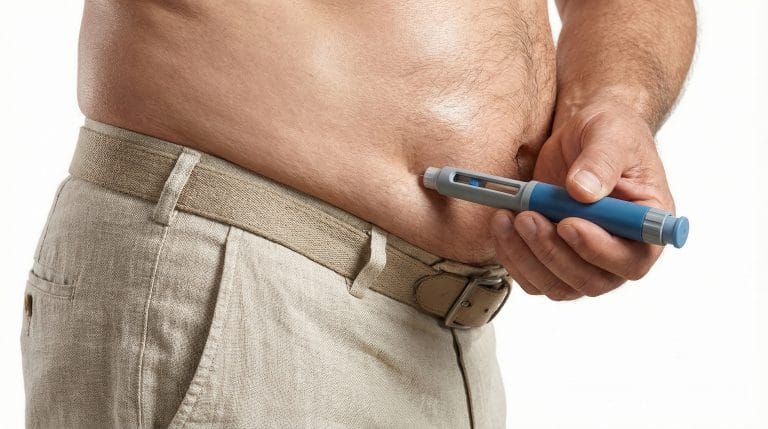


To start a diabetic diet, begin with a consistent meal pattern: choose high-fiber carbohydrates, add protein, fill half your plate with non-starchy vegetables, and limit sugary drinks. How to start a diabetic diet matters because food choices can affect blood glucose day to day, especially when they interact with insulin or diabetes medicines. You do not need a perfect menu on day one. You need a repeatable structure, a short food list, and a plan to review glucose patterns with your care team.
Key Takeaways
- Start with plate balance before counting every nutrient.
- Choose higher-fiber carbs and pair them with protein.
- Keep meal timing and carb portions reasonably consistent.
- Limit sugary drinks and large refined-carb portions first.
- Ask for dietitian support if medicines or health risks complicate meals.
How to Start a Diabetic Diet Without Overcomplicating Meals
Start by changing meal structure before trying to replace every food. A diabetes eating plan is not a single strict diet. It is a way to build meals that support steadier blood glucose, nutrition, and long-term eating habits.
The plate method is often the easiest first step. For many meals, fill half the plate with non-starchy vegetables, one quarter with protein, and one quarter with a carbohydrate food such as whole grains, beans, starchy vegetables, fruit, or dairy. This visual method reduces guesswork and helps you notice portions without measuring every bite.
The easiest way to learn how to start a diabetic diet is to focus on three starter rules. First, avoid drinking carbohydrates most of the time. Regular soda, sweet tea, juice, and sugary coffee drinks can raise blood glucose quickly because they deliver sugar without much fiber. Second, add protein and fiber when you eat carbohydrates. Third, keep meals predictable enough that your glucose readings can show patterns.
Breakfast deserves special attention because many people see higher morning glucose. The first meal does not need to be large. A practical breakfast includes a protein source, a high-fiber carbohydrate if it fits your plan, and little or no added sugar. Examples include plain yogurt with berries and nuts, eggs with whole-grain toast and vegetables, or oatmeal paired with nut butter. If you take insulin or medicines that can cause low blood glucose, ask your clinician before skipping breakfast or making major carb cuts.
Why it matters: A repeatable breakfast makes morning glucose patterns easier to interpret.
Build a Diabetes Food List You Can Actually Use
A useful food list sorts choices by how often they fit your meals, not by moral labels. No food list can predict your personal glucose response perfectly. Portion size, cooking method, sleep, stress, activity, medicines, and timing all matter.
Use this starter list to stock meals and snacks:
- Non-starchy vegetables: leafy greens, broccoli, peppers, cucumbers, tomatoes, mushrooms, zucchini, cauliflower.
- Higher-fiber carbohydrates: oats, barley, quinoa, brown rice, lentils, beans, chickpeas, sweet potato.
- Protein foods: fish, poultry, eggs, tofu, tempeh, beans, Greek yogurt, lean meats.
- Healthy fats: olive oil, avocado, nuts, seeds, nut butters in measured portions.
- Fruit choices: berries, apples, pears, citrus, melon, or other whole fruit.
- Dairy or alternatives: unsweetened yogurt, milk, fortified soy milk, or lower-sugar alternatives.
Foods to limit are usually those that combine large portions of refined starch, added sugar, and saturated fat. Examples include regular soda, candy, pastries, sweetened cereals, large servings of white bread, fries, and many packaged snack foods. You do not need to identify one “worst” food for blood sugar. For many people, sugary drinks are the first target because they can raise glucose quickly and are easy to replace.
Label reading helps you compare similar foods. Look at serving size, total carbohydrate, fiber, added sugar, sodium, and saturated fat. “Sugar-free” does not always mean low carbohydrate. “Whole grain” does not always mean the portion fits your glucose goals. Check the full nutrition label rather than relying on front-package wording.
Plan Carbohydrates Without Guessing
Carbohydrate planning works best when you understand portions, not when you try to eliminate every carb. Carbohydrates include sugars, starches, and fiber. They appear in grains, fruit, starchy vegetables, beans, milk, yogurt, sweets, and many drinks.
A safe way to start a diabetic diet is to choose carb portions you can repeat and review. If one lunch includes rice, beans, fruit, and a sweet drink, glucose may rise more than expected. If another lunch includes vegetables, chicken, beans, and water, the response may look different. Tracking meals beside glucose readings can show which patterns work better for you.
If a package lists total carbohydrate, the carb serving calculator can help estimate servings by dividing total carbohydrate by a serving target. It is a general math aid, not a personal meal prescription.
Carb Serving Calculator
Convert total carbohydrate grams into carb choices for meal planning and diabetes education.
These calculations are for education only and do not replace clinical advice, diagnosis, or treatment. Always confirm medical decisions with a qualified healthcare professional.
Some people prefer lower-carb eating patterns. Others do better with moderate portions of high-fiber carbohydrates. Very low-carb or ketogenic diets may require closer medical review, especially for people using insulin, sulfonylureas, SGLT2 inhibitors, or people with kidney disease, pregnancy, or a history of disordered eating. For a balanced look at that approach, see Keto Diet and Diabetes.
Quick tip: Test one meal pattern several times before judging it.
A Flexible 7-Day Framework for Beginners
A beginner meal plan should give you repeatable patterns, not a rigid prescription. The table below shows a simple diabetic meal plan framework. Use it as a starting point for discussion with a registered dietitian, especially if you have specific carbohydrate targets.
| Day | Breakfast Pattern | Lunch or Dinner Pattern |
|---|---|---|
| Day 1 | Oatmeal, nuts, and berries | Grilled chicken, salad vegetables, and beans |
| Day 2 | Eggs, vegetables, and whole-grain toast | Fish, roasted vegetables, and sweet potato |
| Day 3 | Plain yogurt, seeds, and fruit | Turkey or tofu lettuce bowl with quinoa |
| Day 4 | Cottage cheese or tofu with fruit | Lean protein, stir-fried vegetables, and brown rice |
| Day 5 | Smoothie with unsweetened yogurt and berries | Bean soup, side salad, and whole-grain crackers |
| Day 6 | Avocado, egg, and whole-grain toast | Chicken, vegetables, and lentils |
| Day 7 | Vegetable omelet with fruit | Turkey, tofu, or fish with vegetables and barley |
This framework leaves room for cultural foods and family meals. For example, rice, tortillas, noodles, or potatoes may still fit some plans when portions are planned and paired with protein and vegetables. The goal is not to remove all familiar foods. The goal is to make meals easier to repeat, review, and adjust.
Snacks are optional. If you get hungry between meals, choose snacks that include protein, fiber, or both. Examples include nuts, cheese with vegetables, hummus with raw vegetables, plain yogurt, boiled eggs, or fruit with nut butter. If you use medicine that can cause low blood glucose, ask your care team whether you need planned snacks and what to keep available for hypoglycemia treatment.
Match the Plan to Medicines, Weight Goals, and Health Risks
Your diabetes meal plan should fit your medicines, weight goals, and other health conditions. Food changes can affect glucose readings, and some medicines increase the risk of low blood glucose when meals change. Do not adjust doses, stop medicines, or skip meals to compensate without professional guidance.
If weight management is part of your care plan, aim for changes you can maintain. A higher-fiber, protein-containing meal pattern may help with fullness, but calorie needs and glucose targets vary. For related context, you can read about Obesity and Type 2 Diabetes or review broader Diabetes Weight Loss considerations.
Insulin resistance can make meal planning feel frustrating because glucose may run high even with careful choices. In that situation, food quality still matters, but sleep, activity, medicines, weight changes, and stress can also influence readings. The Insulin Resistance Weight Loss resource may help you understand the wider picture.
People using GLP-1 medicines or other weight-related treatments may need different meal strategies because appetite, nausea, and meal size can change. Smaller meals, adequate protein, and hydration often become practical issues. For more context, see Diet and GLP-1 Medications.
Ask for professional meal planning help if you are pregnant, have kidney disease, have gastroparesis, have repeated highs or lows, take insulin, use medicines that can cause hypoglycemia, or have a history of eating disorders. A registered dietitian or diabetes educator can help turn general food advice into a safe, realistic plan.
Track What Happens and Adjust With Support
Tracking helps you connect meals with glucose patterns, but single readings rarely tell the whole story. A reading after one meal can be affected by stress, illness, sleep, activity, medication timing, and the previous meal. Look for repeated patterns before making conclusions.
A simple log can include the meal, rough carbohydrate amount, activity, medicine timing, and glucose reading if you monitor at home. Continuous glucose monitor data can also show trends, such as sharp rises after certain drinks or overnight patterns after late meals. Bring this information to appointments rather than trying to interpret every change alone.
Watch for symptoms of low blood glucose, such as shakiness, sweating, confusion, fast heartbeat, or sudden weakness. Severe symptoms, fainting, chest pain, trouble breathing, persistent vomiting, or signs of severe dehydration need urgent medical attention. If you have repeated low readings or repeated very high readings, contact your clinician for individualized advice.
Learning how to start a diabetic diet also means knowing where to keep learning. The Diabetes Editorial Hub lists related educational posts, while the Diabetes Condition Hub is a browsing page for related diabetes medication options. These pages can support navigation, but they do not replace a personal nutrition plan.
Authoritative Sources
These organizations provide patient-facing guidance on diabetes nutrition and meal planning:
- American Diabetes Association healthy eating resources
- CDC diabetes meal planning guidance
- MedlinePlus diabetic diet information
Learning how to start a diabetic diet is easier when you begin with one repeatable meal, one useful food list, and one tracking habit. Build from there, and review major changes with a qualified clinician or dietitian.
This content is for informational purposes only and is not a substitute for professional medical advice.