
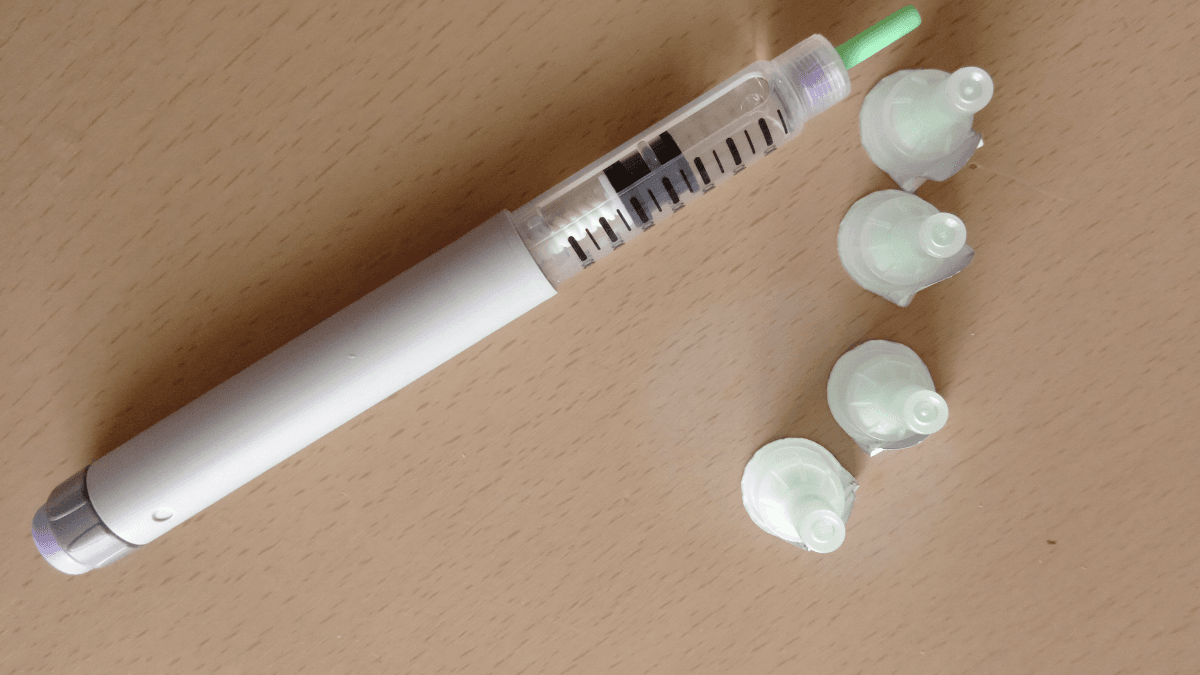
How to use Basaglar Kwikpen starts with a careful routine: confirm the pen and prescribed dose, attach a new needle, prime the pen, inject under the skin, hold the dose button until the window shows zero, then remove and dispose of the needle safely. A clinician, diabetes educator, or pharmacist should demonstrate the technique before you inject on your own.
Basaglar KwikPen contains insulin glargine, a long-acting basal insulin. Technique matters because small errors, such as skipping the prime or reusing a needle, can affect dose delivery and injection comfort.
Key Takeaways
- Basaglar is injected under the skin as prescribed, not into a vein or muscle.
- Use a new compatible pen needle for every injection and prime before each dose.
- Rotate injection sites and avoid bruised, tender, thickened, or lumpy skin.
- Do not share an insulin pen, even if the needle has been changed.
- Timing and dose changes should come from your prescriber, not from a general checklist.
How to Use Basaglar KwikPen: The Safe Starting Point
Basaglar KwikPen is a prefilled insulin pen used to deliver insulin glargine in units. It is part of background insulin therapy, often called Basal Insulin. Basal insulin helps cover the body’s insulin needs between meals and overnight, but it is not the same as rapid-acting mealtime insulin.
The pen label describes Basaglar KwikPen as insulin glargine injection 100 units/mL in a 3 mL prefilled pen. That means the full pen contains 300 units, but your actual dose is the number of units prescribed for you. Do not convert units into mL or change your dose based on pen capacity.
Basaglar is generally used once daily at the same time each day when prescribed. The best time for one person may not be best for another. Morning or evening use can depend on glucose patterns, hypoglycemia risk, work schedule, meals, and the rest of the diabetes plan.
Before You Inject: Confirm, Prepare, and Inspect
The safest injection starts before the needle touches skin. Wash your hands, choose a clean surface, and compare the pen label with your prescription. Check the expiration date and inspect the insulin through the pen window.
Basaglar insulin should look clear and colorless. Do not use a pen if the insulin looks cloudy, colored, thick, or contains particles. If you are unsure what abnormal insulin can look like, the overview on What Is Cloudy Insulin explains why appearance checks matter.
Gather the supplies before starting. This helps prevent reaching for items after the needle is attached.
- Insulin pen: Confirm it is the correct medication.
- New pen needle: Use one sterile needle per injection.
- Alcohol swab: Clean the rubber seal and skin if instructed.
- Sharps container: Dispose of needles right away.
- Glucose records: Keep tracking tools nearby if used.
Pen needles are not permanently attached to the KwikPen. They may be prescribed or supplied separately, depending on your care setting and pharmacy process. If needle selection is new to you, review Insulin Pen Needles and confirm the correct size with your healthcare team.
Quick tip: Keep the needle box near the pen, but attach a needle only when you are ready to inject.
Step-by-Step Injection Checklist
This checklist summarizes the usual pen workflow, but it should not replace the instructions packaged with your pen. Follow the official instructions and the technique taught by your clinician or diabetes educator.
- Wash and dry your hands, then place your supplies on a clean surface.
- Pull off the pen cap and inspect the insulin for clarity and color.
- Wipe the rubber seal with an alcohol swab if your instructions include this step.
- Remove the paper tab from a new pen needle and screw the needle straight onto the pen.
- Remove the outer needle cap and save it for needle removal if instructed. Remove the inner cap and discard it.
- Prime the pen before each injection. The official instructions use a 2-unit prime to remove air and confirm insulin flow.
- Dial the prescribed dose. If you dial too many units, turn the dose knob back before injecting.
- Choose an appropriate injection site and clean the skin if directed.
- Insert the needle under the skin using the angle and technique you were taught.
- Press the dose button all the way in until the dose window shows zero, then keep the needle in place for a slow count of 5.
- Remove the needle from the skin, then remove the needle from the pen and place it in a sharps container.
- Replace the pen cap and store the pen according to the product instructions.
This is the practical core of How to use Basaglar Kwikpen, but your first injection should still be supervised or reviewed by a trained professional. If you cannot prime the pen, cannot dial the dose, see leakage, or the dose window does not return to zero, pause and ask for help before relying on that injection.
Never share a Basaglar KwikPen with another person, even if a new needle is used. Sharing insulin pens can spread infections. Also, do not draw insulin out of the pen with a syringe unless your prescriber gives specific instructions for an unusual circumstance.
Injection Sites and Rotation Affect Comfort
Basaglar is injected into subcutaneous tissue, which means the fatty layer under the skin. Common injection areas may include the abdomen, thigh, upper arm, or buttocks, depending on your training and comfort. For a broader injection-site overview, see Where To Inject Insulin.
Rotation means moving injections around within an approved area instead of using the exact same spot. This can reduce soreness and may lower the chance of skin changes. Avoid injecting into areas that are bruised, scarred, infected, tender, hard, pitted, or lumpy.
Repeated injections into the same area can contribute to lipodystrophy, a change in the fat tissue under the skin. These changes can alter how insulin is absorbed. The related explanation on Lipodystrophy covers why rotation matters for people using injectable diabetes medications.
Example: A person using evening basal insulin may rotate across several marked abdomen zones during the week, while staying away from the previous injection spot.
Some clinicians recommend using the same general body region for basal insulin while still rotating within that region. This can help keep absorption more consistent. Ask your care team what pattern fits your prescription, body type, and skin condition.
Needles, Priming, and Dose Window Questions
For beginners, the most confusing parts are often the needle, the prime, and the dose window. The pen does not inject correctly until a compatible disposable needle is attached. Needle length and gauge should match your prescription, dexterity, skin thickness, and the technique you were taught.
Priming is not the same as dosing. A prime clears air from the needle and confirms that insulin can flow. If you skip the prime, the pen may not deliver the intended amount. If insulin does not appear during priming after following the official instructions, change the needle or ask a pharmacist or clinician to check the pen.
The dose window helps you confirm delivery. After you press the dose button, the number should return to zero while the needle remains in the skin. If the window stops before zero, you may not have received the full prescribed dose. Do not guess a replacement dose without professional guidance.
If the pen is dropped, cracked, jammed, frozen, overheated, or otherwise damaged, do not assume it still works normally. Use the product instructions and ask a pharmacist how to proceed. A damaged pen can create uncertainty about dose delivery.
Timing, Dose, and Missed-Dose Questions
Timing and dose questions should be handled through your prescriber because basal insulin plans are individualized. Basaglar is long-acting, so it is not designed to correct a single high reading in the same way a rapid-acting insulin might. Taking extra basal insulin without instructions can increase the risk of low blood glucose.
If you are wondering how many units to take, the only safe answer is the dose prescribed for you. Dose decisions may depend on fasting glucose patterns, hypoglycemia history, other medicines, kidney function, illness, food intake, activity, and pregnancy status. For general background on how clinicians think about changes, see Dose Adjustment Questions.
If you miss a dose or take a dose at the wrong time, follow the instructions your prescriber gave you. If you do not have a missed-dose plan, contact your care team or pharmacist. Do not double a dose to make up for a missed one unless your prescriber has specifically told you to do so.
Seek urgent medical help for severe low blood glucose, confusion, seizure, loss of consciousness, trouble breathing, swelling of the face or throat, or symptoms of diabetic ketoacidosis such as vomiting, deep rapid breathing, fruity-smelling breath, or severe weakness.
Storage, Disposal, and Safety Cautions
Storage rules protect insulin potency. Keep unopened pens and in-use pens according to the product label. In general, insulin should be protected from freezing, excessive heat, and direct sunlight. The article on Insulin Storage Temperature explains common storage concerns for insulin products.
Do not store the pen with a needle attached. Leaving a needle on the pen can allow leakage, air entry, contamination, or needle blockage. Remove the needle after each injection and place it in a sharps container right away.
Used pen needles can injure other people and should not be tossed loosely into household trash. A puncture-resistant sharps container is usually recommended. Local rules can differ, so follow community guidance for disposal.
Low blood glucose, or hypoglycemia, is an important insulin risk. Symptoms can include shakiness, sweating, hunger, headache, dizziness, irritability, fast heartbeat, confusion, or weakness. Severe hypoglycemia requires immediate help. Your clinician should explain how to prevent and treat lows based on your personal plan.
Other possible concerns include injection-site reactions, allergic reactions, skin changes, and fluid or electrolyte issues in certain situations. For a deeper safety discussion specific to this medicine, review Basaglar Side Effects.
Do not mix or dilute Basaglar with other insulins. Do not use it in an insulin pump unless a clinician specifically directs otherwise for a different product. Basaglar is not a treatment for diabetic ketoacidosis.
Learning From Videos, PDFs, and Demonstrations
Videos and printable instructions can help you remember the sequence, but they cannot confirm your personal technique. If you are new to insulin pens, ask a clinician, diabetes educator, or pharmacist to watch you perform a practice demonstration with the device and needle you will use.
When using a video or PDF, prefer official instructions or materials from recognized healthcare organizations. Random clips may skip priming, site rotation, or disposal steps. If a video differs from your packaged instructions, use the official instructions and ask your care team to clarify.
People with low vision, tremor, hand weakness, neuropathy, needle anxiety, or memory concerns may need extra support. That support might include larger-print instructions, caregiver teaching, injection-site marking, or a supervised routine. These adjustments should be planned with a healthcare professional.
Reviewing How to use Basaglar Kwikpen is also a good time to compare delivery methods. The overview on Ways Of Administering Insulin explains how pens differ from vials, syringes, cartridges, and pumps.
If you review access information through Basaglar Product Details, keep the roles separate. CanadianInsulin.com is a prescription referral platform, and prescription details may be confirmed with the prescriber when required. Dispensing and fulfillment are handled by licensed third-party pharmacies where permitted.
Authoritative Sources
- DailyMed Basaglar prescribing information and device instructions for labeled warnings, use, and storage details.
- Lilly Canadian Basaglar KwikPen instructions for use for manufacturer injection and priming steps.
- FDA guidance on sharps disposal containers for household needle disposal safety.
Review pen technique whenever your prescription, needle type, routine, or confidence changes. Bring your pen, needle box, glucose records, and questions to an appointment if any step feels uncertain.
This content is for informational purposes only and is not a substitute for professional medical advice.


