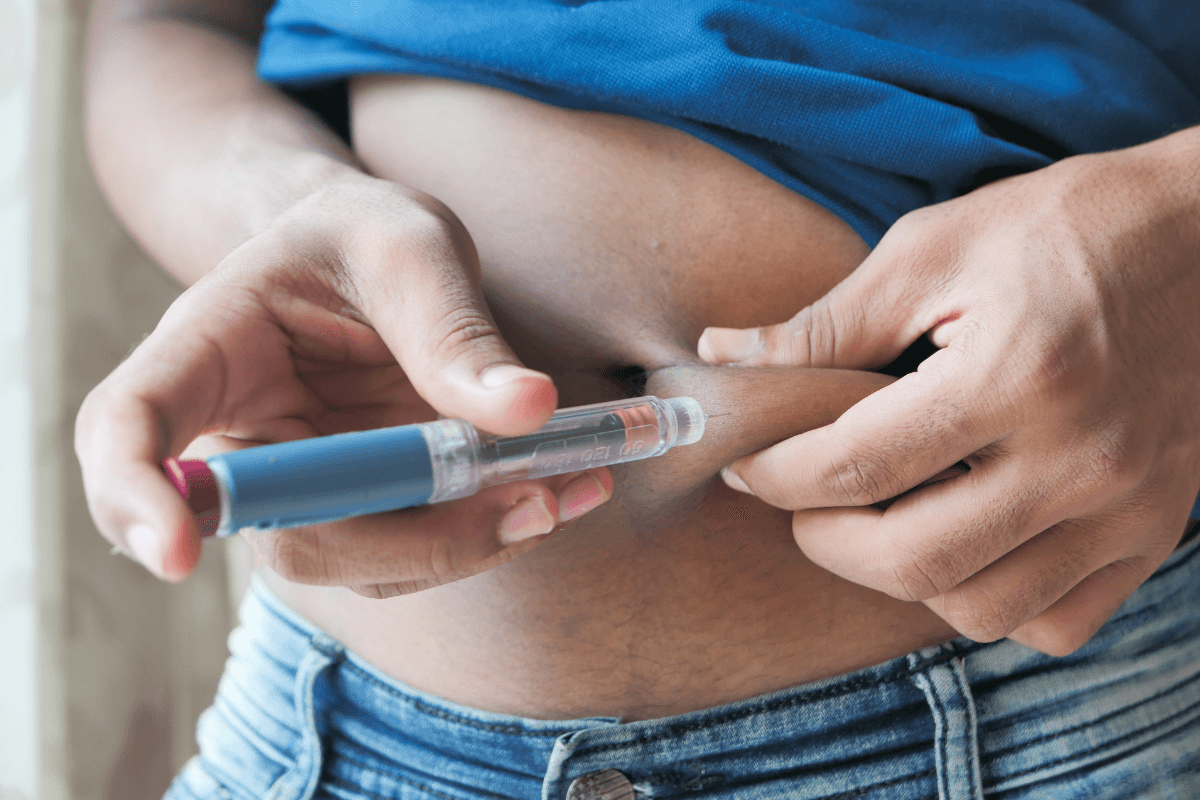
A Humalog insulin pen is a prescription device for insulin lispro, a rapid-acting mealtime insulin used to help manage blood glucose around food. It can start working quickly, so safe use depends on timing, meal plans, glucose monitoring, needle handling, and clear instructions from your diabetes care team.
This reference explains where the pen fits in care, what to check before each injection, how storage affects insulin, and when side effects need urgent attention. It also covers access and device questions without replacing your prescription directions.
Key Takeaways
- Humalog contains insulin lispro, a rapid-acting insulin used around meals.
- Your timing, dose, and correction plan should come from your prescriber.
- Use a new compatible pen needle for every injection.
- Never share pens, cartridges, or needles with another person.
- Seek urgent help for severe low glucose or allergic symptoms.
Where the Humalog Insulin Pen Fits in Diabetes Care
The Humalog insulin pen is used for rapid-acting insulin delivery, usually around meals. Humalog is the brand name for insulin lispro. Insulin lispro is an insulin analog, meaning its structure has been modified so it acts faster than regular human insulin.
In diabetes care, rapid mealtime insulin is often called bolus insulin. Bolus insulin helps cover carbohydrate intake at meals or correct high glucose when correction instructions are part of the prescription. It differs from basal insulin, which works in the background between meals and overnight.
That difference matters because the two types are not interchangeable in daily routines. If you use both, keep labels and devices visually separate when possible. For a broader comparison of background and mealtime insulin roles, see Humulin vs Humalog.
A pen format can make injections more portable than a vial and syringe. It may reduce some steps because the device is prefilled or used with a cartridge system, depending on the product. Convenience does not remove the need for careful use. Rapid insulin still requires attention to meals, activity, illness, and glucose readings.
Humalog may be prescribed for people with type 1 diabetes and for some people with type 2 diabetes who need rapid insulin. The exact role depends on diagnosis, insulin sensitivity, eating pattern, other medicines, kidney or liver issues, pregnancy status, and hypoglycemia risk.
Why it matters: Rapid insulin can help after meals, but it can also cause lows if timing or food intake changes.
Before You Inject: Label, Needle, and Site Checks
Safe pen use starts before the injection. Check the label every time, especially if you use more than one insulin. Many people use a long-acting insulin and a rapid-acting insulin, and mistakes can happen when routines feel automatic.
Confirm the insulin name, concentration, expiration date, and appearance. Humalog solution should generally look clear and colorless. Do not use insulin that appears cloudy, colored, clumped, or full of particles unless the product instructions say that appearance is expected. If you are unsure, ask a pharmacist before using it.
Pen needles are part of the prescription routine. They must fit the pen and should be changed for each injection. Reusing needles can make injections more uncomfortable, dull the tip, and increase the chance of blockage or contamination. For needle selection basics, see Insulin Pen Needles.
A short daily check can reduce common errors:
- Right insulin: match the label name.
- Right device: use the prescribed pen system.
- Right timing: follow meal instructions.
- Right needle: attach a new sterile needle.
- Right site: use an approved area.
- Right storage: avoid heat and freezing.
- Right disposal: use a sharps container.
Injection sites often include the abdomen, thigh, upper arm, or buttock area, depending on your training and care plan. Rotate within a general area rather than using the exact same spot each time. Repeated injections into one spot can cause lipodystrophy, which means changes in the fatty tissue under the skin.
Never share an insulin pen, cartridge, or needle. This warning still applies when the needle is changed. Sharing injection devices can transmit blood-borne infections.
Timing, Meals, and Glucose Readings
Mealtime timing matters because insulin lispro works relatively quickly. Official prescribing information describes Humalog use close to meals, but your own instructions should come from your prescriber. Do not change timing, dose, or correction rules without clinical guidance.
Food intake is a major safety factor with rapid insulin. If you take mealtime insulin and then eat less than expected, delay a meal, exercise more than usual, or drink alcohol, your glucose may fall. If you eat more carbohydrate than planned, have illness or stress, or miss insulin, glucose may rise.
Many plans include pre-meal glucose readings and follow-up monitoring. Some people use a meter. Others use a continuous glucose monitor, or CGM, which tracks glucose trends over time. Trend arrows can help you ask better questions, but they do not replace your clinician’s instructions.
Some records use mg/dL, while others use mmol/L. The converter below can help you compare blood glucose units from different sources. It does not interpret whether a reading is safe for you.
Blood Glucose Unit Converter
Convert glucose readings between mg/dL and mmol/L without changing the clinical value.
These calculations are for education only and do not replace clinical advice, diagnosis, or treatment. Always confirm medical decisions with a qualified healthcare professional.
Your personal target range may differ from general ranges. Pregnancy, kidney disease, gastroparesis (delayed stomach emptying), frequent hypoglycemia, older age, and certain medicines can all affect recommended targets. If readings are repeatedly outside your plan, contact your diabetes care team rather than guessing at changes.
For more detail on how this insulin behaves after injection, read Humalog Onset and Duration. If you need a broader diabetes education pathway, the Diabetes Education collection groups related topics in one place.
Quick tip: Keep glucose treatment supplies with you when using rapid insulin away from home.
How Long a Pen Lasts and How to Store It
How long a Humalog insulin pen lasts has two different meanings. One is the in-use discard period after first use. The other is how many prescribed doses remain in the pen. A higher daily prescribed amount uses the pen faster, while a lower amount may leave insulin in the device at the discard date.
For common Humalog KwikPen products, official instructions list a 28-day in-use period after first use. Product instructions can vary by concentration, market, and device type, so check the leaflet for your exact supply. Do not use leftover insulin past the product’s stated discard instructions.
Storage affects whether insulin remains reliable. Insulin can be damaged by freezing, excess heat, and direct sunlight. Unopened insulin is commonly stored in a refrigerator until it is ready for use. In-use pens often have room-temperature limits and discard periods.
If you forget to put insulin back in the refrigerator, first check whether the pen was unopened or already in use. Then consider the temperature, how long it was out, and whether it was exposed to heat, freezing, or sunlight. If you cannot confirm safe storage, contact a pharmacist or your diabetes care team before using it.
Travel adds extra handling risks. Avoid leaving insulin in a hot car, checked luggage, or next to freezer packs that touch the pen directly. Carry supplies together when appropriate, including pen needles, glucose treatment, and prescription information. People often ask whether insulin can be carried in hand luggage; travel rules vary, but keeping essential medicines accessible is usually safer than placing them where heat, freezing, or loss is more likely.
Side Effects and Warning Signs
The most important safety concern with rapid-acting insulin is hypoglycemia, or low blood sugar. Symptoms can include shakiness, sweating, fast heartbeat, hunger, headache, blurred vision, irritability, confusion, weakness, or unusual behavior. Some people have fewer warning symptoms, especially after repeated lows.
Low blood sugar can become serious. Severe hypoglycemia may cause seizure, loss of consciousness, or inability to swallow safely. Your care team may recommend a written low-glucose plan, fast-acting carbohydrate, and glucagon for emergencies.
Other possible insulin-related effects include injection-site redness, itching, swelling, or bruising. Repeated injections into the same area can change tissue under the skin. Some people may have allergic reactions. Rarely, insulin can contribute to low potassium in the blood, especially in people with certain risk factors or medicines.
Seek urgent care for severe low blood sugar, fainting, seizure, trouble breathing, swelling of the face or throat, widespread rash, or symptoms of very high glucose with vomiting, dehydration, or ketones. Do not drive or operate machinery when you feel low, confused, or unsafe.
Pen Formats, Cartridges, and Related Options
Pen choice involves more than the insulin name. It can depend on the device, concentration, needle compatibility, dose increments, handling steps, prescription coverage, and what your prescriber intends. A prefilled pen and a cartridge used in a reusable pen are not the same device pathway.
KwikPen refers to a prefilled pen format. A cartridge system usually means the insulin cartridge is inserted into a compatible reusable pen. Cartridges can work well for some people, but only when the correct reusable pen is available and the user has been trained. For product-specific browsing, the Humalog Cartridge page can help you identify the format named on a prescription.
Humalog is insulin lispro, but not every lispro insulin pen should be treated as automatically interchangeable at home. Labels, concentrations, devices, and instructions can differ. A pharmacist or prescriber should confirm substitutions, especially if the pen looks different or the concentration changes.
Other rapid-acting insulin options exist, including insulin aspart and insulin glulisine products. They are in the same broad mealtime-insulin category, but they are not identical products. Switching between rapid-acting insulins should be handled by a clinician because timing, device technique, and glucose response may differ.
People also compare a Humalog insulin pen with vials and syringes. The practical answer depends on the person. Pens may be easier to carry and simpler for some users. Vials may fit other routines or care settings. Manual dexterity, vision, injection confidence, waste concerns, and prescription coverage can all influence the choice.
If you are reviewing the prefilled format, the Humalog KwikPen product page may help you match the prescribed device name. Use product pages for identification and prescription context, not for changing how you use insulin.
Access, Refills, and Cost Context
Access questions around a Humalog insulin pen often involve prescriptions, refills, product selection, and cost. Insulin is a prescription medicine. Your prescriber should define the insulin type, device, amount, timing instructions, and refill plan. A pharmacist can help confirm whether the supplied product matches the prescription.
Costs can vary by product, quantity, insurance status, pharmacy, and jurisdiction. Some people compare insurance and cash-pay options without insurance, but eligibility and rules vary. This article does not provide prices or guarantee access. If affordability is a concern, ask your clinician or pharmacist about clinically appropriate alternatives and safe continuity planning before supply runs low.
CanadianInsulin.com is a prescription referral platform. When documentation is required, prescription details may be confirmed with the prescriber, while dispensing and fulfilment are handled by licensed third-party pharmacies where permitted. Some patients explore cash-pay options or cross-border fulfilment depending on eligibility and local rules.
For a deeper look at device-focused handling, see Humalog KwikPen Use. For dose-plan discussion points, Humalog Dosage Information explains why instructions should stay individualized.
Questions to Bring to Your Diabetes Care Team
Rapid-acting insulin plans work best when the details are clear. If any part of your routine feels uncertain, write down specific questions before your next appointment or pharmacy call. This helps avoid guessing during meals, travel, illness, or schedule changes.
- Meal timing: when should insulin be taken?
- Delayed food: what if a meal is late?
- Correction rules: when are corrections appropriate?
- Low-glucose plan: what supplies should be carried?
- Exercise plan: how should activity affect monitoring?
- Sick days: when should ketones be checked?
- Storage limits: when should a pen be discarded?
- Device changes: who confirms substitutions?
Used with a clear plan, a Humalog insulin pen can be a practical part of mealtime diabetes management. The main safety points stay consistent: match the prescription, use correct technique, monitor glucose as instructed, protect the insulin from storage damage, and know how to respond to low blood sugar.
Authoritative Sources
- FDA Humalog prescribing information provides label details on indications, administration, warnings, and storage.
- DailyMed Humalog labeling includes official patient and prescribing information for listed products.
- MedlinePlus insulin lispro reference summarizes patient-facing safety and use information.
This content is for informational purposes only and is not a substitute for professional medical advice.