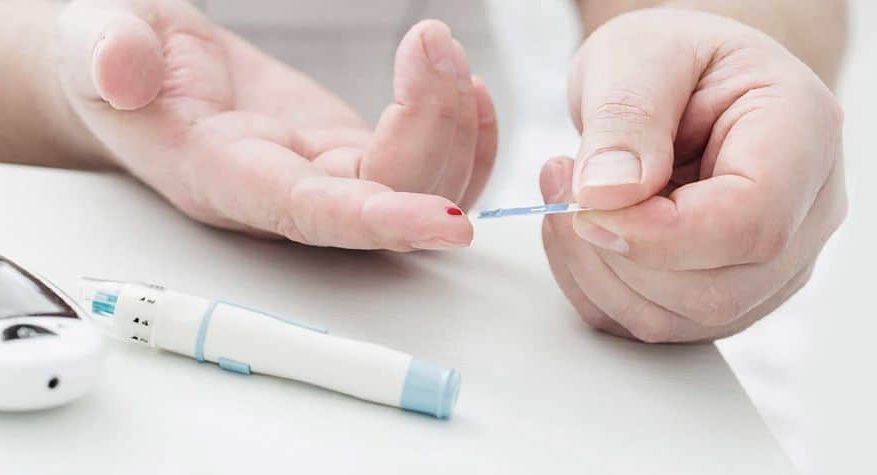
High blood sugar can happen even if you have never been diagnosed with diabetes. The symptoms of high blood sugar in non diabetics can include unusual thirst, frequent urination, fatigue, blurry vision, headache, dry mouth, increased hunger, and sometimes nausea. One high home reading does not prove diabetes, but repeated or very high results deserve medical assessment because hyperglycemia can signal illness, medication effects, pregnancy changes, prediabetes, or undiagnosed diabetes.
Key Takeaways
- High blood sugar is also called hyperglycemia, meaning excess glucose in the blood.
- Five common signs are thirst, frequent urination, fatigue, blurry vision, and headache.
- People without diabetes can have temporary high readings from illness, stress, steroids, pregnancy, or large carbohydrate loads.
- Very high readings, vomiting, confusion, rapid breathing, or dehydration need urgent medical care.
- Home meters can guide next steps, but lab testing is needed for diagnosis.
High Blood Sugar Symptoms Without a Diabetes Diagnosis
High blood sugar symptoms often build gradually, so they can be easy to dismiss. You may feel thirstier than usual, urinate more often, or notice that fatigue feels heavier than normal daily tiredness. Some people describe a foggy, drained feeling that does not improve much with rest.
The classic pattern is thirst plus frequent urination. When glucose rises above the level your kidneys can reabsorb, extra glucose can pull water into the urine. That fluid loss may then cause dry mouth, headache, dizziness, or a stronger need to drink.
Five signs that deserve attention
- Increased thirst: Your body may try to replace fluid lost through extra urination.
- Frequent urination: High glucose can pull more water into the urine.
- Fatigue or weakness: Cells may not use glucose efficiently during high readings.
- Blurred vision: Fluid shifts can temporarily affect the eye lens.
- Headache or dry mouth: Dehydration can make these symptoms more noticeable.
High sugar can also make you sleepy or unusually drained. That tired feeling can come from dehydration, poor sleep during frequent nighttime urination, illness, or the body struggling to move glucose into cells efficiently. Sleepiness alone is not specific to blood sugar, but it matters when it appears with thirst, urination changes, or a high reading.
Symptoms are not always dramatic. Some people with prediabetes or early diabetes have no clear symptoms at all. Others notice changes only after meals, during infections, or while taking medicines that affect glucose. For a broader plain-language background, see What Is Hyperglycemia.
More severe symptoms need faster attention. Vomiting, confusion, severe drowsiness, rapid or deep breathing, abdominal pain, fainting, or signs of marked dehydration can point to a medical emergency. These symptoms should not be managed with home remedies.
What Causes High Blood Sugar Without Diabetes?
Blood sugar can rise without diabetes when the body releases stress hormones, absorbs a large carbohydrate load, or has temporary trouble using insulin. Insulin is the hormone that helps move glucose from the bloodstream into cells. When that process is strained, glucose can remain higher than expected.
Common triggers include acute illness, infection, surgery, injury, severe emotional stress, poor sleep, and dehydration. Steroid medicines, some antipsychotics, certain diuretics, and other medications can also raise glucose in some people. Do not stop a prescribed medicine on your own, but tell your clinician if high readings begin after a new drug or dose change.
Meal timing also matters. A large carbohydrate-heavy meal can cause a short-term rise, especially if paired with inactivity, poor sleep, or dehydration. A high fasting reading may suggest a different pattern than a spike after eating. The Fasting Hyperglycemia and Postprandial Hyperglycemia resources explain those patterns in more detail.
Some high readings reveal a longer-term issue. Prediabetes means glucose is above the usual range but not in the diabetes range. Undiagnosed type 2 diabetes can also first appear as thirst, fatigue, frequent urination, or an unexpected high meter result. A clinician may consider family history, weight changes, pregnancy history, blood pressure, cholesterol, and other risk factors when deciding what to test.
Why it matters: The same number can mean different things depending on timing, symptoms, and medical context.
Blood Sugar Numbers: Usual, High, and Urgent Ranges
Blood sugar numbers need context. A normal blood sugar levels chart can help you understand reference points, but it cannot diagnose you by itself. Lab values, symptoms, timing after meals, pregnancy status, and repeat testing all matter.
The table below uses common adult reference points. Your clinician may apply different targets if you are pregnant, acutely ill, taking certain medicines, or being evaluated for another condition. Home meters can vary, so treat them as screening information rather than a final answer.
| Test or situation | Common reference point | How to interpret it |
|---|---|---|
| Fasting lab glucose | Below 100 mg/dL (5.6 mmol/L) is commonly in the usual range. 100 to 125 mg/dL (5.6 to 6.9 mmol/L) is in the prediabetes range. 126 mg/dL (7.0 mmol/L) or higher is in the diabetes range if confirmed. | A clinician usually repeats or confirms testing before diagnosis. |
| Two-hour glucose test | Below 140 mg/dL (7.8 mmol/L) is often usual. 140 to 199 mg/dL (7.8 to 11.0 mmol/L) is in the prediabetes range. 200 mg/dL (11.1 mmol/L) or higher may be in the diabetes range. | This test is used in specific situations, including some pregnancy screening protocols. |
| Random glucose | 200 mg/dL (11.1 mmol/L) or higher with classic symptoms is concerning. | It should prompt medical assessment rather than self-diagnosis. |
| Very high home reading | Readings around 250 to 300 mg/dL (13.9 to 16.7 mmol/L), or a meter reading HI, are far above usual ranges. | Repeat once after washing hands, then seek prompt medical advice. Use urgent care if symptoms are significant. |
There is no single high blood sugar death level that applies to everyone. Risk depends on the number, symptoms, hydration, ketones, illness, age, pregnancy, and other medical conditions. A reading near or above 500 mg/dL (27.8 mmol/L) is not a wait-and-see result. Emergency assessment is appropriate, especially if you feel unwell or the meter reads HI.
Blood glucose units vary by country. The converter can translate between mg/dL and mmol/L for comparing a lab report, meter, or educational range. It does not diagnose diabetes or decide whether you need urgent care.
Blood Glucose Unit Converter
Convert glucose readings between mg/dL and mmol/L without changing the clinical value.
These calculations are for education only and do not replace clinical advice, diagnosis, or treatment. Always confirm medical decisions with a qualified healthcare professional.
Use numbers as a safety signal, not a complete answer. If a reading seems surprising, repeat it with clean hands and a fresh strip if available. Then decide next steps based on the repeat value and how you feel.
What to Do After an Unexpected High Reading
The safest response is to confirm the result, assess symptoms, and seek medical guidance when readings are repeated or high. For symptoms of high blood sugar in non diabetics, quick fixes are less important than finding the reason for the elevation.
- Wash and recheck: Food residue on fingers can falsely raise a meter result.
- Check the units: mg/dL and mmol/L are different scales.
- Note the timing: Record when you last ate, exercised, or took medication.
- Look for illness: Fever, infection, vomiting, or dehydration can raise risk.
- Avoid guesswork: Do not take someone else’s diabetes medicine or extra medication.
- Seek help: Repeated high readings or strong symptoms need clinical review.
If your blood sugar is around 250 mg/dL and you feel well, rechecking and contacting a clinician is still reasonable if the result repeats or you have risk factors. If your blood sugar is over 300 mg/dL, especially with thirst, frequent urination, vomiting, weakness, or confusion, seek urgent medical advice. If it is over 500 mg/dL, or the meter cannot give a number, treat it as urgent.
There is no safe general method for a person without diabetes to lower blood sugar in minutes. Drinking water may help dehydration if you can drink safely, but it is not treatment for a dangerous reading. Intense exercise can be risky when glucose is very high or when you are ill. Supplements, restrictive fasting, and “detox” drinks can also cause harm, particularly during pregnancy, eating disorder recovery, kidney disease, or when taking medications that affect glucose.
Foods do not lower blood sugar immediately in a predictable medical sense. Some meals may cause a smaller rise than others because they contain more fiber, protein, or unsaturated fat. That is different from treating a very high reading. If high numbers repeat, ask a clinician or registered dietitian about meal patterns that fit your health history.
For severe symptoms, the Acute Hyperglycemia resource explains emergency warning signs in more detail. Seek emergency care for confusion, fainting, rapid breathing, chest pain, severe abdominal pain, ongoing vomiting, or marked dehydration.
When Symptoms Are Easy to Miss
Symptoms of high blood sugar in non diabetics may look different depending on age, pregnancy status, and other health issues. Older adults may present with weakness, dehydration, confusion, urinary symptoms, or falls rather than classic thirst. People who are very busy, sleep deprived, or recovering from illness may mistake fatigue for stress.
Symptoms of high blood sugar in women are usually similar to symptoms in men. However, some women may notice recurrent yeast infections, urinary symptoms, or genital irritation when glucose remains high. These symptoms have many possible causes, so they should be evaluated rather than assumed to be from blood sugar alone.
Pregnancy needs special caution. High glucose can first appear during pregnancy as gestational diabetes, and some people have few symptoms. If you are pregnant and notice marked thirst, frequent urination beyond your usual pattern, repeated high readings, vomiting, or feeling unusually unwell, contact your prenatal care team promptly. Do not start a restrictive diet or supplement plan without pregnancy-specific guidance.
Some people have no symptoms until glucose is quite high. That is one reason screening is used for people with risk factors. If you have a strong family history, prior gestational diabetes, polycystic ovary syndrome, unexplained weight changes, or repeated infections, ask whether glucose testing is appropriate.
Quick tip: Bring written readings, meal timing, symptoms, and medication changes to your appointment.
How a Clinician May Look for the Cause
A clinician usually starts with the pattern. Was the reading fasting, after a meal, during an illness, after a steroid injection, or during pregnancy? The answer can point toward temporary stress hyperglycemia, prediabetes, undiagnosed diabetes, medication effects, or another endocrine problem.
Common tests include fasting plasma glucose, A1C, random plasma glucose, and sometimes an oral glucose tolerance test. A1C reflects average blood glucose over roughly the past few months, while fasting and random tests show a point-in-time result. Home meter readings can be useful notes, but lab testing is more reliable for diagnosis.
Your clinician may also review medications, recent infections, symptoms, weight changes, kidney function, liver function, and pregnancy status. In some cases, they may check for ketones or order additional tests. If the issue appears related to diet, weight changes, or prediabetes risk, a registered dietitian can help translate lab results into a realistic eating plan.
If testing confirms a glucose disorder, treatment depends on the diagnosis and your overall health. It may involve nutrition changes, physical activity, monitoring, medication, or follow-up testing. If you want related background on short-term sugar spikes, see Sugar High.
Authoritative Sources
- For clinical testing thresholds and diagnostic categories, see the American Diabetes Association diagnosis guidance.
- For common symptoms and urgent-care cues, review the NHS high blood sugar guidance.
- For patient-focused information on high blood glucose, see the American Diabetes Association hyperglycemia resource.
High blood sugar without known diabetes is worth taking seriously, especially when readings repeat or symptoms feel unusual. Confirm the value, note the context, and involve a clinician when the number is high, symptoms are significant, or pregnancy is involved.
This content is for informational purposes only and is not a substitute for professional medical advice.