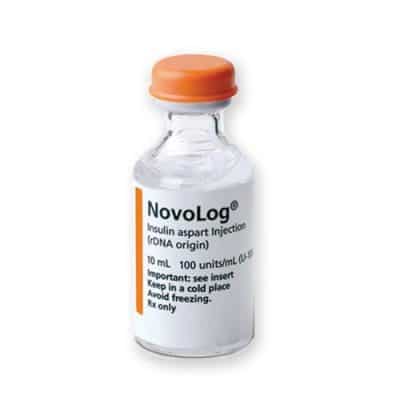
Understanding novolog side effects helps you use insulin aspart more safely. This rapid-acting insulin lowers blood glucose around meals, but it can also cause hypoglycemia and other reactions. The sections below translate clinical information into practical steps you can use today.
Key Takeaways
- Hypoglycemia risk: Most common reaction; know early warning signs.
- Site reactions: Rotating injection sites helps prevent skin changes.
- Drug interactions: Some medicines raise or lower insulin needs.
- Special groups: Older adults and pregnancy require closer monitoring.
Novolog Side Effects: Common and Serious Reactions
Novolog (insulin aspart) is a prandial insulin used before meals. Common reactions include hypoglycemia (low blood glucose), injection site discomfort, and mild edema (fluid retention). Less common events include lipodystrophy (fat tissue changes), allergen-mediated rashes, and pruritus (itching). Rare but serious reactions involve severe allergy or hypokalemia (low serum potassium), which can affect heart rhythm.
Hypoglycemia often begins with sweating, tremor, hunger, and palpitations. As glucose falls, confusion and seizures may follow without prompt carbohydrate intake. The official FDA label outlines adverse reactions and safety warnings; review the FDA label for detailed safety sections and contraindications FDA label. For an overview of how insulin aspart works across time, see Insulin Aspart Onset and Duration for timing context near meals Insulin Aspart Onset and Duration. If you need a refresher on approved uses, Novolog Uses summarizes indications and clinical settings Novolog Uses.
Dosing Basics and Titration Safety
Meal-time insulin is tailored to carbohydrate intake, activity level, and glucose trends. When discussing novolog dosage, healthcare providers typically consider your insulin-to-carb ratio and correction factor. Dose calculators and charts can help estimate needs, but they do not replace clinical judgment. Avoid abrupt self-directed changes without professional guidance, as both underdosing and overdosing carry risks.
Match the injection timing to food intake and expected post-meal glucose rise. Monitor closely during illness, stress, or travel, when insulin needs may shift. For storage thresholds that protect potency, see Novolog FlexPen Storage, which explains temperature limits and in-use timelines Novolog FlexPen Storage. For pharmacology background that informs dose timing, the Insulin Aspart Onset and Duration article remains useful Insulin Aspart Onset and Duration.
Recognizing Too Much Insulin
Taking more insulin than your body needs can trigger rapid glucose decline. The side effects of too much novolog often begin with adrenergic symptoms like shakiness and anxiety. Neuroglycopenic symptoms—confusion, slurred speech, and visual changes—can follow. Prompt treatment with fast-acting carbohydrates can help prevent progression to severe hypoglycemia.
Maintain a source of glucose tablets or gel, especially during exercise or after dose adjustments. Family and colleagues should know how to use glucagon if prescribed. MedlinePlus provides patient-friendly guidance on recognizing and managing insulin reactions; review the MedlinePlus overview for safety basics and side effect summaries MedlinePlus overview. For broader management strategies during activity, you can compare rapid insulins in Apidra vs Novolog to understand class similarities and differences Apidra vs Novolog.
Drug Interactions and Food or Illness Effects
Certain medicines can amplify or blunt insulin action. Beta-blockers may mask hypoglycemia warning signs. Corticosteroids, some antipsychotics, and thiazides can raise glucose and increase insulin needs. Alcohol may unpredictably lower glucose, especially with missed meals. When reviewing novolog interactions, discuss all prescriptions, over-the-counter products, and supplements with your clinician.
Illness, fever, or reduced appetite can also alter insulin requirements. Increased monitoring is prudent during acute changes. For a practical comparison across rapid-acting options, Novolog vs Humalog offers context on dose timing and mealtime strategies Novolog vs Humalog. You may also find Humulin vs Novolog helpful when considering differences between short-acting regular insulin and rapid-acting analogs Humulin vs Novolog. The FDA label details drug interaction categories and monitoring advice; consult the prescribing information for a complete list prescribing information.
Who Should Not Use It
Confirm individual suitability before initiating therapy. The primary novolog contraindications are episodes of hypoglycemia and known hypersensitivity to insulin aspart or formulation excipients. Use in insulin pumps requires appropriate training, compatible devices, and careful site maintenance to avoid occlusions and ketoacidosis risk.
People experiencing recurrent severe lows may need regimen adjustments or closer monitoring. Those with significant skin reactions at injection sites should discuss alternatives or technique changes. For an overview of a similar formulation, Novorapid vs Novolog breaks down brand naming and functional similarities across regions Novorapid vs Novolog. If you need background on vial-based options, Novorapid Vial Overview summarizes preparation and handling steps Novorapid Vial Overview.
Weight Changes and GI Effects
Insulin therapy can influence body weight through improved glycemic control and reduced glucosuria. Patients sometimes ask, does novolog cause weight loss? Weight loss is not typical with prandial insulin alone; can occur when overall diabetes control improves and caloric balance changes. Conversely, some individuals may experience modest weight gain as glucose control stabilizes and caloric loss in urine decreases.
Gastrointestinal symptoms, such as diarrhea, are usually attributable to concurrent illness, metformin, or infections rather than insulin aspart itself. Monitor patterns and discuss persistent symptoms with your clinician. For alternative mealtime options and practical comparisons, Novolin R vs Novolog explains timing differences that can affect appetite and dosing behavior Novolin R vs Novolog. A head-to-head view in Novolog vs Humalog can also clarify how small kinetic differences influence meal coverage Novolog vs Humalog.
Older Adults, Pregnancy, and Long-Term Safety
Age-related changes in kidney or liver function can alter insulin clearance. This makes lows more likely at a given dose. Understanding novolog side effects in elderly patients means watching for atypical hypoglycemia symptoms and ensuring meal consistency. Care teams may recommend more frequent glucose checks and conservative titration.
During pregnancy, insulin needs often change across trimesters. Many patients transition to structured regimens under specialist care. Long-term safety concerns focus on recurrent hypoglycemia, weight patterns, and site changes such as lipohypertrophy. For device-specific considerations and cartridge options, Novorapid PenFill and FlexPen Guide outlines handling that can reduce injection-site problems Novorapid PenFill and FlexPen Guide. For broader education across the condition, explore Type 1 Diabetes articles for management topics across life stages Type 1 Diabetes.
Compare with Other Insulins
Basal insulin has a different profile from mealtime insulin. People often ask how adverse reactions compare. When discussing lantus side effects, the most frequent concerns include injection-site reactions and hypoglycemia, though timing and duration differ from rapid-acting analogs. Matching basal and bolus profiles to lifestyle can reduce variability and improve day-to-day stability.
Regular insulin and other rapid analogs offer alternative mealtime strategies. For a region-specific brand comparison, see Novorapid vs Novolog to understand naming and formulation alignment Novorapid vs Novolog. If you are evaluating pen systems and device ergonomics, the Apidra SoloStar Pen article provides an example of another rapid-acting analog delivery option and its use cases Apidra SoloStar Pen. For legacy regular insulin timing, Novolin R vs Novolog highlights onset and meal-spacing differences that affect hypoglycemia risk Novolin R vs Novolog.
Recap
Insulin aspart is effective for controlling post-meal glucose. Most reactions are mild and manageable with good technique and monitoring. Learn early warning signs, review interacting drugs, and tailor your plan during illness or routine changes. When in doubt, consult your healthcare professional for individualized guidance.
Note: Keep a written list of medications and doses. Bring it to every appointment to speed up interaction checks and dose reviews.
This content is for informational purposes only and is not a substitute for professional medical advice.