
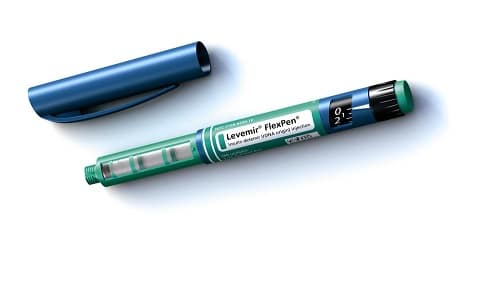
Insulin detemir is a long-acting basal insulin, and the main insulin detemir side effects to watch for are low blood sugar, injection-site reactions, skin changes at injection areas, and rare allergic reactions. Its effect starts gradually, usually has no sharp peak, and may last close to a full day in some people. This timing matters because basal insulin works in the background, even when you are not eating.
Key Takeaways
- Drug class: Long-acting basal insulin.
- Brand context: Levemir is the main brand name.
- Main risk: Hypoglycemia, or low blood sugar.
- Timing profile: Gradual onset and limited peak.
- Safety step: Rotate injection sites consistently.
This page explains how insulin detemir works, what side effects can occur, how long it may act, and when to seek medical help. It also covers practical monitoring points without replacing your prescriber’s instructions.
What Insulin Detemir Is Used For
Insulin detemir is used to help manage blood glucose in people with diabetes who need basal insulin. Basal insulin provides background coverage between meals and overnight. It is not designed to cover the rapid glucose rise from a meal in the same way that rapid-acting insulin does.
The insulin detemir brand name most readers know is Levemir. The generic name is insulin detemir. It is given by subcutaneous injection, meaning it is injected into the fatty layer under the skin. Common injection areas include the abdomen, thigh, and upper arm.
In type 1 diabetes, basal insulin is usually paired with mealtime insulin. In type 2 diabetes, it may be used alone or with other diabetes medicines, depending on the treatment plan. If you want a patient-focused overview of the medicine’s role, see What Is Levemir.
Why it matters: Basal insulin problems often show up as fasting highs, overnight lows, or repeated patterns across several days.
Common and Serious Insulin Detemir Side Effects
The most common insulin detemir side effects involve blood sugar changes and injection-site problems. Low blood sugar, also called hypoglycemia, can happen if insulin needs change, meals are delayed, activity increases, alcohol is used, or other glucose-lowering medicines are added.
Possible symptoms of low blood sugar include sweating, shakiness, fast heartbeat, hunger, headache, blurred vision, irritability, confusion, or weakness. Severe hypoglycemia can cause seizures, loss of consciousness, or injury. If severe symptoms occur, emergency care is needed.
Injection-site reactions may include redness, swelling, itching, bruising, or tenderness. These are often mild, but persistent or worsening reactions need clinical review. Repeatedly injecting into the same spot can contribute to lipodystrophy, which means thickened, lumpy, or dented fatty tissue. These skin changes may affect how insulin absorbs.
Other possible adverse effects include weight gain and fluid retention. Serious allergic reactions are uncommon but can occur. Warning signs include widespread rash, hives, swelling of the face or throat, wheezing, chest tightness, or trouble breathing. These symptoms need urgent medical attention.
For a focused discussion of Levemir adverse effects, you can also read Potential Levemir Side Effects. For a broader medication overview, see Levemir and Its Side Effects.
Onset, Peak, and Duration: What to Expect
Insulin detemir starts working gradually after injection and is intended to provide long background coverage. It usually has a flatter action profile than shorter-acting insulins. Many people do not notice a strong peak, although the effect can still vary from person to person.
The insulin detemir duration of action can approach 24 hours in some users, but it may be shorter for others. Dose, injection site, body composition, kidney or liver function, and individual insulin sensitivity can all affect timing. Some people use it once daily, while others are prescribed split dosing. Your prescriber should guide that schedule.
Because basal insulin works slowly, one reading rarely tells the whole story. Fasting glucose, bedtime readings, overnight symptoms, and pre-dinner patterns often provide better clues. Continuous glucose monitoring can also show whether lows occur while sleeping.
If you compare basal insulins, avoid assuming they are interchangeable without instructions. Insulin detemir vs glargine discussions often focus on dosing frequency, duration, and individual response. Any switch should include careful monitoring and a clear plan. For more timing detail, see Levemir Onset Peak Duration.
Use this converter if your logs, device, or clinic notes use a different glucose unit. It converts mg/dL and mmol/L for easier comparison, but it does not interpret results or replace clinical advice.
Blood Glucose Unit Converter
Convert glucose readings between mg/dL and mmol/L without changing the clinical value.
These calculations are for education only and do not replace clinical advice, diagnosis, or treatment. Always confirm medical decisions with a qualified healthcare professional.
How Insulin Detemir Works in the Body
The insulin detemir mechanism of action is based on delayed absorption and albumin binding. Albumin is a blood protein that can carry substances through the bloodstream. Detemir binds to albumin in the tissue and circulation, which slows its availability and helps extend its effect.
Like other insulin products, detemir helps move glucose from the blood into insulin-sensitive tissues. It also helps reduce glucose production by the liver. These effects lower blood glucose, but they can also cause hypoglycemia if insulin activity exceeds the body’s needs.
This background action explains why meal skipping, unexpected exercise, illness, or medication changes can matter. Basal insulin is not simply active at one moment. It continues working over many hours, so patterns are more useful than isolated readings.
Contraindications, Interactions, and Cautions
Insulin detemir contraindications include use during an episode of hypoglycemia and known hypersensitivity to insulin detemir or any ingredient in the product. People with previous insulin allergies should discuss history and risk with a clinician before using any insulin product.
Several medicines can change insulin needs. Other diabetes medicines may increase hypoglycemia risk. Corticosteroids, some antipsychotics, certain diuretics, and some hormone therapies may raise blood glucose in some people. Beta blockers can sometimes make low blood sugar harder to recognize because they may blunt warning symptoms such as a fast heartbeat.
Alcohol can also make glucose less predictable, especially when intake is low or meals are delayed. Kidney or liver impairment may change insulin requirements and increase the need for closer monitoring. Illness, vomiting, reduced appetite, and dehydration can also disrupt usual patterns.
Pregnancy requires careful planning. Levemir side effects during pregnancy can include the same core risks seen in other adults, including hypoglycemia. Insulin needs may change across pregnancy and after delivery, so this is a situation for specialist supervision and frequent review.
Quick tip: Keep an updated medication list and share it before insulin changes.
Administration and Monitoring Points
Insulin detemir is injected under the skin and should not be mixed or diluted unless the product instructions and prescriber specifically support that. The abdomen, thigh, and upper arm are common areas. Site rotation matters because repeated use of one spot can irritate tissue and affect absorption.
Practical insulin detemir nursing considerations include confirming the correct product, timing, dose, recent glucose readings, and meal pattern. The solution should be checked for unexpected particles or changes in appearance. Storage history also matters because insulin exposed to unsuitable temperatures may not work as expected.
People using detemir should know how to recognize and respond to low blood sugar according to their care plan. Fast-acting carbohydrate is usually preferred for treating hypoglycemia. A peanut butter sandwich is not ideal for rapid correction because fat and protein can slow glucose absorption. It may be more useful later as part of a meal or snack, depending on the plan.
There is no single normal blood sugar target for every 70-year-old. Targets vary by overall health, frailty, hypoglycemia risk, diabetes duration, and other conditions. Older adults often need individualized goals because severe lows can increase fall and injury risk.
For day-to-day dose discussions, bring a glucose log rather than changing the dose on your own. The Levemir Insulin Dosage Guide can help you understand common titration concepts to review with your clinician.
How to Track Patterns Before a Review
Pattern tracking helps separate a one-time reading from a recurring basal insulin issue. A few days of readings may suggest a trend, but many clinicians prefer a longer log when it is safe to wait. Include context, not just numbers.
- Fasting readings: Note morning values.
- Bedtime readings: Record evening patterns.
- Overnight symptoms: Include sweating or waking.
- Meals and activity: Mark unusual changes.
- Injection sites: Track rotation areas.
- Medication changes: Note steroids or new drugs.
Diabetes can affect many organs over time, especially the heart, blood vessels, kidneys, eyes, and nerves. That is why glucose control is only one part of care. Blood pressure, cholesterol, kidney screening, eye exams, and foot checks also matter.
Supplements should not be used as a substitute for prescribed diabetes treatment. Some products can interact with medicines or cause misleading expectations about A1C. Discuss supplements with a healthcare professional, especially if you use insulin or have kidney disease, pregnancy, or recurrent lows.
When to Seek Medical Help
Seek urgent care for severe hypoglycemia, loss of consciousness, seizures, or symptoms of a serious allergic reaction. Widespread hives, swelling of the lips or throat, wheezing, or trouble breathing require immediate attention.
Contact a healthcare professional promptly if low blood sugar happens repeatedly, if fasting readings remain high despite following the plan, or if injection-site changes persist. Also request review after starting steroids, changing diabetes medicines, becoming pregnant, developing kidney or liver problems, or having reduced food intake during illness.
If you use CanadianInsulin.com to understand access options, remember that it is a prescription referral platform. Where required, prescription details may be confirmed with the prescriber, while dispensing and fulfilment are handled by licensed third-party pharmacies where permitted. This article remains educational and does not determine whether insulin detemir is appropriate for you.
Authoritative Sources
The FDA-approved Levemir prescribing information provides label details on indications, contraindications, warnings, adverse reactions, and pharmacology.
MedlinePlus offers a patient-oriented insulin detemir drug summary with practical safety and side effect information.
The American Diabetes Association publishes Standards of Care in Diabetes, which clinicians use for broader diabetes management principles.
Recap
Insulin detemir is a long-acting basal insulin used for background glucose control. Its main safety issue is hypoglycemia, but injection-site reactions, skin changes, weight gain, fluid retention, and rare allergic reactions can also occur. Its gradual onset and extended action make timing, monitoring, and site rotation important.
Review patterns with your healthcare team before changing therapy. Bring glucose readings, injection timing, meal changes, activity shifts, illness history, and medication updates. These details make insulin detemir side effects and timing concerns easier to evaluate safely.
This content is for informational purposes only and is not a substitute for professional medical advice.


