
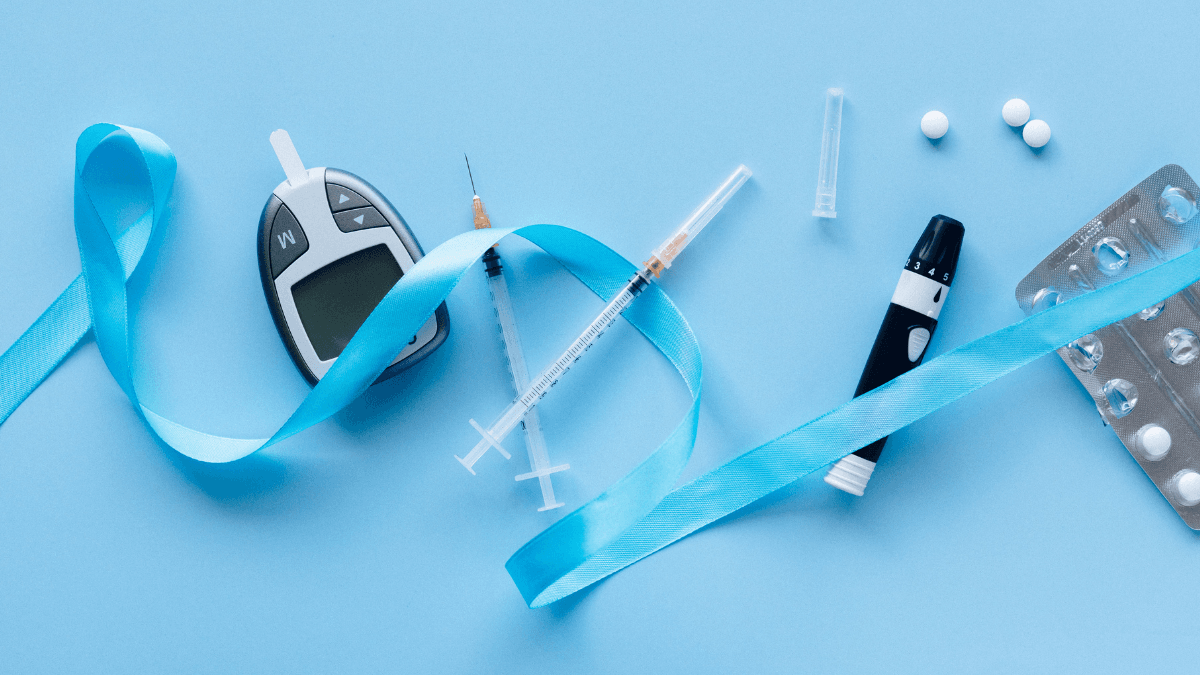
Insulin and metformin both lower blood sugar, but they do different jobs. In insulin vs metformin decisions, metformin usually helps the body use insulin better and lowers liver glucose output, while insulin replaces or supplements the hormone your body needs to move glucose into cells. The better choice depends on diabetes type, A1C level, symptoms, kidney function, pregnancy status, and risk of low blood sugar.
This matters because the question is rarely “which drug is best for everyone?” It is usually “which option fits this person’s current glucose pattern and safety risks?” Many people with type 2 diabetes use metformin first, then add other medicines or insulin if targets are not met.
Key Takeaways
- Different mechanisms: Metformin reduces liver glucose production; insulin replaces hormone action.
- Different risks: Insulin can cause hypoglycemia; metformin rarely does by itself.
- Not always either-or: Many treatment plans use both together.
- Context drives choice: Pregnancy, illness, A1C, symptoms, and kidney function can change decisions.
- Review regularly: Diabetes treatment often changes as beta-cell function changes.
How Insulin vs Metformin Works in the Body
Metformin works mainly by reducing hepatic gluconeogenesis, which means glucose production by the liver. It also improves insulin sensitivity, so the body can use its own insulin more effectively. It does not force the pancreas to release insulin, which is why it has a low risk of hypoglycemia (low blood sugar) when used alone.
Insulin is a hormone therapy. It helps move glucose from the bloodstream into muscle, fat, and other tissues. It also lowers glucose output from the liver. Because insulin works directly and does not depend on strong remaining pancreatic function, it can be useful when blood sugar is very high, symptoms are present, or other medicines are not enough.
For type 2 diabetes, metformin is often considered early when there is no reason to avoid it. Insulin may be added later, or started earlier in specific situations. For type 1 diabetes, insulin is required because the body cannot make enough insulin for survival. Metformin may have limited add-on roles in select cases, but it does not replace insulin for type 1 diabetes.
For a broader medication-class orientation, the Common Diabetes Medications resource compares several drug classes and their usual roles. If you want a focused metformin class review, see Oral Diabetes Medications: Biguanides.
Which Is Usually Chosen First for Type 2 Diabetes?
Metformin is often chosen before insulin for type 2 diabetes because it is effective, does not usually cause low blood sugar by itself, and can be taken by mouth. It also fits the biology of early type 2 diabetes, where insulin resistance is often a major driver. That does not mean insulin is a “last resort” or a sign of failure.
Doctors may consider insulin earlier when glucose is very high, A1C is far above target, weight loss and symptoms suggest insulin deficiency, or acute illness has worsened blood sugar. Symptoms such as excessive thirst, frequent urination, blurry vision, or unexplained weight loss may signal a need for more urgent evaluation. Treatment choice should also account for kidney disease, liver disease, cardiovascular disease, meal patterns, work schedules, and comfort with injections.
People often ask, “Is insulin better than metformin for type 2 diabetes?” The practical answer is that insulin can lower glucose powerfully and quickly when properly dosed, but it requires more monitoring and carries hypoglycemia risk. Metformin is usually simpler and safer from a low-glucose standpoint, but it may not be enough when insulin production declines.
Why it matters: The strongest treatment is not always the safest or simplest first option.
Safety, Side Effects, and Monitoring Differences
The safety comparison depends on the person, not only the medicine. When people ask which is safer insulin or metformin, the usual answer is that metformin has a lower hypoglycemia risk when used alone. Insulin is also safe when used correctly, but it requires closer attention to meals, activity, glucose readings, and dose timing.
Metformin commonly causes gastrointestinal effects, especially nausea, diarrhea, abdominal discomfort, or a metallic taste. These effects may improve after adjustment, and extended-release forms may be discussed when symptoms interfere with use. A rare but serious concern is lactic acidosis, especially in people with significant kidney impairment, severe dehydration, severe infection, or other acute illness. Kidney function is usually reviewed before and during therapy.
Insulin’s main safety issue is hypoglycemia. Low blood sugar can cause shakiness, sweating, confusion, fast heartbeat, weakness, or in severe cases, loss of consciousness. Insulin can also cause weight gain in some people, because glucose is being stored and used more effectively. Injection-site irritation and lipodystrophy (fat tissue changes under the skin) may occur if injection sites are not rotated.
Monitoring needs differ. Metformin users may need periodic kidney function and vitamin B12 assessment, depending on the clinical situation. Insulin users often need more frequent glucose checks or continuous glucose monitoring. They also need a clear plan for missed meals, illness, exercise, and low-glucose treatment.
| Factor | Metformin | Insulin |
|---|---|---|
| Main action | Lowers liver glucose output and improves sensitivity | Replaces or supplements insulin hormone activity |
| Typical use in type 2 diabetes | Often early therapy when appropriate | Added or started when stronger glucose lowering is needed |
| Hypoglycemia risk | Low when used alone | Present, especially with missed meals or excess dose |
| Weight effect | Often weight-neutral or modest loss | May contribute to weight gain |
| Administration | Oral tablet or liquid forms | Injection or pump delivery |
| Common issues | GI symptoms, kidney-related precautions | Low glucose, injection-site concerns, dose adjustments |
Can You Take Metformin and Insulin Together?
Yes, many people take metformin and insulin together when a clinician determines both are appropriate. The combination makes sense because the medicines act in different ways. Metformin may reduce liver glucose output and improve insulin sensitivity, while insulin provides direct hormone support.
People may wonder whether they should stop metformin when starting insulin. In many type 2 diabetes plans, metformin is continued unless side effects, kidney function, acute illness, or another contraindication makes it unsuitable. Continuing it may help limit how much insulin is needed. However, this decision is individual and should not be changed without the prescriber’s guidance.
Using both medicines also changes the practical routine. Insulin timing must be matched to the type of insulin, meals, activity, and glucose data. Metformin timing depends on the prescribed formulation and tolerance. If you use injections, supplies and technique matter. Product-specific pages such as Lantus SoloStar Pens, Humalog KwikPen, and Metformin can help you identify the formulation being discussed with your care team.
The A1C result is one way clinicians judge longer-term glucose patterns. This calculator can help convert between A1C and estimated average glucose for discussion purposes, but it does not replace clinical interpretation.
HbA1c & eAG Calculator
Convert between HbA1c percentage and estimated average glucose using the ADAG relationship.
These calculations are for education only and do not replace clinical advice, diagnosis, or treatment. Always confirm medical decisions with a qualified healthcare professional.
When Treatment May Change Over Time
Diabetes treatment often changes because type 2 diabetes can progress. Over time, beta cells in the pancreas may make less insulin. A plan that worked for years may stop keeping glucose within the agreed target range. That is one reason insulin vs metformin decisions may be revisited more than once.
Clinicians may adjust therapy when A1C remains above target, fasting glucose stays high, post-meal readings rise, side effects limit adherence, kidney function changes, or a new diagnosis changes priorities. Cardiovascular disease, heart failure, chronic kidney disease, weight goals, and hypoglycemia risk can all influence which medicine comes next.
Modern type 2 diabetes care is not limited to metformin and insulin. GLP-1 receptor agonists, SGLT2 inhibitors, DPP-4 inhibitors, sulfonylureas, and other agents may be considered in selected patients. For a broader treatment-pathway discussion, see Diabetes Treatment. If your question is specifically about glucose levels and insulin initiation, What Blood Sugar Level Requires Insulin explains how clinicians think through high readings.
Example: metformin is not enough
Example: A person has taken metformin for several years, but fasting glucose has risen and A1C is above the agreed goal. The clinician may add a second non-insulin medicine, start basal insulin, or review barriers such as missed doses, diet changes, steroid use, or illness. The next step depends on the pattern, not one reading alone.
Example: insulin is started during illness
Example: A person admitted to hospital has high glucose during an infection. Insulin may be used temporarily because stress hormones raise glucose and meals are unpredictable. After recovery, the outpatient plan may change again.
Pregnancy, Gestational Diabetes, and Hospital Care
Pregnancy changes medication decisions because glucose targets are tighter and fetal safety matters. For gestational diabetes, insulin has long been a standard option because it does not cross the placenta in clinically meaningful amounts. Metformin may be used in selected pregnancies, but practice varies by guideline, patient factors, and clinician judgment.
The phrase insulin vs metformin gestational diabetes can sound like a simple comparison, but pregnancy care is more individualized. Decisions may consider fasting glucose, post-meal readings, gestational age, tolerance, prior response, and whether medication is needed after nutrition therapy and activity changes. Anyone pregnant or planning pregnancy should review medication choices with an obstetric clinician or diabetes specialist.
Hospital care is different from routine home care. Acute illness, surgery, steroid therapy, missed meals, and changing kidney function can shift treatment needs quickly. Insulin is often used in hospitals because it can be adjusted more precisely in short intervals. The outpatient plan should be clarified before discharge, including what changed and when follow-up is needed.
Questions to Bring to Your Clinician
The best discussion starts with your glucose pattern and your priorities. Bring recent readings, your medication list, symptoms, and any side effects. If you use a continuous glucose monitor, ask which trends matter most for your current plan.
- Current target: Ask what A1C or glucose range fits your situation.
- Main reason: Clarify whether resistance, insulin deficiency, or symptoms drive the change.
- Low-glucose plan: Review what to do if readings drop.
- Kidney review: Ask how kidney function affects metformin use.
- Weight goals: Discuss whether another class may fit better.
- Pregnancy plans: Review safety before conception or during pregnancy.
- Daily routine: Match medicines to meals, work, sleep, and activity.
Quick tip: Bring actual readings, not only averages, because patterns guide safer adjustments.
If you want to keep reading on related choices, Semaglutide vs Metformin compares another common decision point. You can also browse the Type 2 Diabetes article category for related education.
Authoritative Sources
For current diabetes medication principles, see the ADA pharmacologic treatment standards. These standards emphasize individualized treatment based on glucose goals, comorbidities, hypoglycemia risk, and patient preferences.
For official metformin warnings and precautions, review the FDA metformin prescribing information. It describes contraindications, renal precautions, and lactic acidosis warnings.
For pregnancy-related diabetes management, the ADA pregnancy care standards summarize treatment goals and medication considerations during pregnancy.
Recap
Metformin and insulin are not interchangeable treatments. Metformin mainly reduces liver glucose production and improves insulin sensitivity. Insulin directly replaces or supplements hormone action. For many adults with type 2 diabetes, metformin comes first, while insulin is added when stronger or faster glucose control is needed.
The safest plan depends on your diagnosis, readings, kidney function, pregnancy status, side effects, and risk of hypoglycemia. Do not stop, start, or change either medicine without speaking with your healthcare professional, especially if you have frequent lows, very high readings, acute illness, or pregnancy-related concerns.
This content is for informational purposes only and is not a substitute for professional medical advice.


