
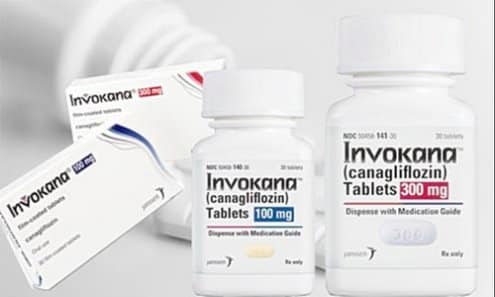
This Invokana Side Effects: Canagliflozin Risks and Safety Guide gives a plain-language safety overview for adults using, considering, or comparing canagliflozin for type 2 diabetes. Invokana can cause more urination, thirst, genital yeast infections, and urinary tract symptoms. Less common risks include dehydration, diabetic ketoacidosis, kidney stress, and rare genital infections. Knowing the difference helps you act quickly and discuss risks with your clinician before problems escalate.
Canagliflozin belongs to the SGLT2 inhibitor class. These medicines lower blood sugar by helping the kidneys remove glucose through urine. That kidney-based effect explains many Invokana side effects, including urinary symptoms and fluid changes. This page focuses on safety patterns, warning signs, dose-related considerations, and comparison questions.
Key Takeaways
- Common effects: urination, thirst, yeast infections, and urinary symptoms.
- Serious warnings: ketoacidosis, dehydration, kidney injury, and rare genital infection.
- Risk varies: kidney function, foot health, hydration, and other medicines matter.
- Low blood sugar: uncommon alone, but more likely with insulin or sulfonylureas.
- Next steps: review symptoms, interactions, and monitoring with your healthcare professional.
How Invokana Side Effects Happen
Invokana side effects usually connect to how canagliflozin works in the kidneys. The medicine blocks sodium-glucose cotransporter 2, often shortened to SGLT2. This reduces glucose reabsorption, so more sugar leaves the body in urine. For a deeper class-level explanation, see SGLT2 Inhibitors Explained.
That mechanism can help with blood sugar, but it also changes the urinary tract environment. Extra glucose in urine can create conditions where yeast grows more easily. It may also increase urine volume, which can lead to thirst, nighttime urination, dizziness, or dehydration in some people.
Canagliflozin is used in adults with type 2 diabetes for blood sugar control and for certain cardiorenal risk-reduction uses in specific patients. If you want background on approved uses, read Canagliflozin Uses. For a step-by-step mechanism review, see How Invokana Controls Blood Sugar.
Why it matters: The same kidney effect that supports glucose control also explains many predictable symptoms.
CanadianInsulin.com operates as a prescription referral platform, not a prescriber.
Common Reactions: What People Usually Notice
The most common canagliflozin side effects involve urination, thirst, and genital yeast infections. Some people also report urinary tract infection symptoms, nausea, constipation, loose stools, or headache. Symptoms often appear early after starting therapy, but infections can occur later as well.
Genital mycotic infection means a yeast infection in the genital area. In females, symptoms can include vaginal itching, irritation, soreness, or unusual discharge. In males, symptoms can include redness, itching, swelling, odor, or discomfort around the penis. Uncircumcised males and people with a previous yeast infection may have higher risk.
Urinary tract infection symptoms deserve attention because diabetes itself can increase UTI risk. Burning with urination, pelvic discomfort, cloudy urine, fever, or back pain should be discussed with a clinician. For broader context, see UTI and Diabetes.
| Symptom or Risk | Why It Can Happen | What to Discuss |
|---|---|---|
| More urination | More glucose and fluid leave through urine. | Hydration, timing, dizziness, and nighttime symptoms. |
| Genital yeast infection | Glucose in urine can support yeast growth. | Itching, discharge, redness, recurrence, and treatment options. |
| Urinary symptoms | Diabetes and urinary glucose can affect infection risk. | Burning, fever, back pain, or blood in urine. |
| Thirst or dizziness | Fluid loss can lower volume status. | Diuretics, hot weather, vomiting, or low blood pressure. |
| Stomach upset | Adjustment effects or unrelated causes may overlap. | Persistent nausea, vomiting, abdominal pain, or poor intake. |
Invokana common side effects are not always dangerous, but patterns matter. Recurrent infections, worsening dizziness, or symptoms that interfere with daily life should be reviewed. Tracking timing, fluids, blood sugar readings, and new medicines can help your care team identify the likely cause.
Serious Warnings and Who Should Be Cautious
When people ask about the dangers of Invokana, they usually mean rare but serious events. Important warnings include diabetic ketoacidosis, severe dehydration, acute kidney injury, serious urinary tract infection, Fournier’s gangrene, and possible amputation risk in higher-risk patients. These events are uncommon, but they need prompt recognition.
Diabetic ketoacidosis is a dangerous buildup of acids called ketones in the blood. With SGLT2 inhibitors, ketoacidosis can sometimes occur even when blood sugar is not extremely high. Warning signs include nausea, vomiting, abdominal pain, unusual tiredness, rapid breathing, fruity-smelling breath, or confusion. Seek urgent care if these symptoms occur.
Volume depletion means the body has too little circulating fluid. This can cause dizziness, fainting, low blood pressure, or kidney stress. Risk may be higher in older adults, people taking diuretics, people with reduced kidney function, or anyone with vomiting, diarrhea, poor intake, or heavy sweating.
Canagliflozin contraindications include serious hypersensitivity to the medicine. It is not a treatment for diabetic ketoacidosis and is not indicated for type 1 diabetes. People on dialysis or with severe kidney impairment may not be candidates, depending on current kidney function and labeling. Your prescriber will assess the renal threshold and your treatment goals.
Foot health also matters. Earlier canagliflozin safety data raised concern about lower-limb amputation, and the boxed warning was later removed by the U.S. FDA. The risk remains described in precautions. People with peripheral vascular disease, neuropathy, foot ulcers, or previous amputation should discuss foot monitoring carefully.
Drug interactions can change the risk profile. Diuretics can increase fluid-loss symptoms. Insulin and sulfonylureas can raise the chance of low blood sugar when used with glucose-lowering therapy. For a broader discussion of safe treatment pairing, see Diabetes Medication Combinations.
Where required, prescription details may be checked with the prescriber.
Dose, Kidney Function, and Monitoring Questions
Dose and kidney function influence Invokana safety information, but dosing decisions belong to your prescriber. Many adults start with 100 mg once daily, and some may use 300 mg if clinically appropriate. Kidney function, tolerability, blood pressure, fluid status, and other medicines guide these decisions.
Canagliflozin 100 mg side effects and 300 mg side effects are generally the same types of reactions. The higher strength may increase exposure, so clinicians consider whether the added glucose-lowering goal is worth the patient-specific risk. If urinary symptoms, dizziness, or recurrent infections occur, do not adjust the dose on your own. Bring the pattern to your healthcare professional.
Kidney monitoring is central because SGLT2 inhibitors act in the kidney. Your clinician may check estimated glomerular filtration rate, often called eGFR, before and during treatment. This helps determine whether therapy is appropriate and whether monitoring needs to change. If you also track glucose at home, Blood Sugar Range Chart can help explain common testing terms.
Low blood sugar is not usually the main risk when canagliflozin is used alone. The risk can rise when it is combined with insulin or medicines that stimulate insulin release. Symptoms can include sweating, shaking, hunger, confusion, or fast heartbeat. Ask your clinician how to handle low readings if your regimen includes those medicines.
Questions to Bring to Your Appointment
- Kidney status: Ask whether your eGFR affects suitability.
- Fluid balance: Mention dizziness, diuretics, or heavy sweating.
- Infection history: Share prior yeast infections or UTIs.
- Foot risk: Discuss ulcers, neuropathy, or circulation problems.
- Sick-day planning: Ask when treatment should be paused.
- Combination therapy: Review insulin, sulfonylureas, and diuretics.
Quick tip: Keep a short symptom log with dates, glucose readings, and medication changes.
Long-Term Safety, Stopping, and Time in the Body
Invokana long term side effects are best understood as ongoing monitoring issues, not guaranteed outcomes. Over months or years, clinicians watch kidney function, fluid status, infections, foot health, and cardiovascular or kidney disease context. The medicine may offer benefits for selected patients, but safety depends on individual risk factors.
Bone fracture risk appeared in some earlier canagliflozin studies, especially in people already at higher risk. Clinicians may consider fall risk, bone health, blood pressure, and dizziness. This is one reason routine follow-up matters even when early side effects seem manageable.
Fournier’s gangrene is a rare necrotizing infection of the genital or perineal area. It is serious and requires urgent care. Warning signs can include severe pain, tenderness, swelling, redness, fever, or feeling very ill. Do not wait if symptoms appear in the genital or perineal area.
Canagliflozin has a half-life that generally supports once-daily use, but exact exposure varies by patient factors. Drug effects usually decline after stopping, yet blood sugar may rise if no replacement plan is in place. Stopping can also change how other medicines fit into the overall regimen.
There is no classic withdrawal syndrome associated with Invokana. The main concern is loss of glucose-lowering effect or worsening blood sugar control. If therapy is paused for surgery, serious illness, dehydration, or infection, follow the plan given by your healthcare professional. For class placement and longer-term context, read Invokana Drug Class.
Dispensing and fulfilment are handled by licensed third-party pharmacies where permitted.
Alternatives and Safety Comparisons
No single diabetes medicine is the safest for every adult. Safety depends on kidney function, cardiovascular history, infection risk, weight goals, hypoglycemia risk, other medicines, cost considerations, and tolerance. The better question is which option has the best risk-benefit fit for a specific person.
People often compare Invokana vs Jardiance safety because both are SGLT2 inhibitors. They share class effects such as genital yeast infections, urinary symptoms, fluid changes, and ketoacidosis warnings. Differences may involve labeling, outcome data, kidney thresholds, prescriber experience, and individual tolerance. For a focused comparison, see Invokana vs Jardiance.
Dapagliflozin is another SGLT2 option. It has overlapping class warnings, though indications and labeling details differ. If you are comparing medications in the same class, Invokana vs Farxiga outlines practical differences to discuss with a clinician.
Metformin remains a common foundational treatment for type 2 diabetes, but it has a different mechanism and side effect profile. It does not cause urinary glucose loss, so yeast infection patterns differ. It can cause gastrointestinal effects and has its own cautions in kidney disease and other settings. For sequencing context, see Invokana vs Metformin.
Some people use canagliflozin with metformin or another glucose-lowering medicine. Combination therapy can improve convenience or target different pathways, but it also requires careful monitoring for additive side effects. For background on this approach, read Invokana and Metformin.
Weight changes are another common comparison point. SGLT2 inhibitors can cause modest calorie loss through urinary glucose, but weight effects vary. Safety questions should not be reduced to weight alone. If this is part of your decision, Canagliflozin Weight Loss explains expectations and limits.
Authoritative Sources
The sources below support the safety topics discussed in this Invokana Side Effects: Canagliflozin Risks and Safety Guide. They are useful for label language, patient drug information, and diabetes care context.
- The U.S. prescribing record lists current warnings, contraindications, and monitoring language in the Drugs@FDA Invokana label record.
- MedlinePlus summarizes patient-facing uses, precautions, and side effects on its canagliflozin drug information page.
- The American Diabetes Association provides broader clinical context in the Standards of Care in Diabetes.
Recap and Further Reading
Invokana side effects range from manageable urinary and yeast symptoms to uncommon but serious safety warnings. The most important themes are hydration, infection recognition, kidney monitoring, foot care, and drug interaction review. Do not ignore severe abdominal symptoms, rapid breathing, fever, genital-area pain, fainting, or signs of a serious urinary infection.
For broader browsing, the Type 2 Diabetes Articles hub collects related educational resources. You can also review the Type 2 Diabetes Condition Hub for condition-focused navigation.
This content is for informational purposes only and is not a substitute for professional medical advice.


