


Mounjaro weight loss may be a reasonable discussion point for some adults with obesity, overweight with weight-related health risks, or type 2 diabetes, but it is not suitable for everyone. The key decision is not only whether tirzepatide can reduce appetite. It is whether your diagnosis, medications, side-effect risk, goals, and follow-up plan make treatment appropriate and safe.
Tirzepatide is a weekly injectable incretin therapy. It activates glucose-dependent insulinotropic polypeptide (GIP) and glucagon-like peptide-1 (GLP-1) receptors, which can affect appetite, fullness, blood sugar, and digestion. Because those effects overlap with diabetes care and weight management, a clinician should review your full medical history before treatment starts.
Key Takeaways
- Fit matters: BMI, health conditions, medications, and contraindications shape suitability.
- Dosing is gradual: stepwise titration helps manage tolerability.
- Side effects are common: nausea, diarrhea, constipation, and vomiting often drive early decisions.
- Results vary: nutrition, activity, sleep, and follow-up support long-term progress.
- Approval differs: Mounjaro and tirzepatide weight-management brands have different labeled uses.
Where Mounjaro Weight Loss Fits in Care
Mounjaro is the brand name for tirzepatide approved for type 2 diabetes in some jurisdictions. In the United States, tirzepatide is approved for chronic weight management under a different brand name. This distinction matters because insurance coverage, labeling, eligibility, and prescribing rules can differ by indication and country.
For adults researching Mounjaro weight loss, the first step is to separate three questions. Is tirzepatide clinically appropriate? Is the specific brand approved for the intended use where you live? Is there a safe plan for monitoring side effects, blood sugar, and nutrition? These questions help prevent decisions based only on before-and-after stories or online reviews.
Why this matters: A medicine that reduces appetite can still be the wrong choice if risks, interactions, or follow-up needs are overlooked.
Tirzepatide is not a stand-alone plan. Weight reduction is usually more durable when medication is paired with protein-aware meals, resistance training, adequate sleep, and support for eating patterns. If you are building that wider plan, the Weight Management collection can help you compare related education topics.
Who May Be a Candidate, and Who Needs Extra Caution
A person may be considered for tirzepatide when weight-related risk is clinically significant and lifestyle-only strategies have not been enough. Typical decision factors include body mass index (BMI), waist-related risk, type 2 diabetes status, blood pressure, cholesterol, sleep apnea, fatty liver disease, and other cardiometabolic concerns.
Your clinician may also consider medicines that can affect weight or blood sugar. Insulin and sulfonylureas can increase hypoglycemia risk when combined with glucose-lowering therapy. Other drugs may affect appetite, digestion, or hydration. Bring an updated medication list, including supplements, to your appointment.
Some histories require special review. These include pancreatitis, gallbladder disease, severe gastrointestinal disease, kidney problems related to dehydration, pregnancy plans, and personal or family history of medullary thyroid carcinoma or multiple endocrine neoplasia syndrome type 2. These are not details to screen informally. They need clinical review.
For a starting point, BMI can help frame risk discussions, although it does not measure body composition or health status by itself. This calculator estimates BMI from height and weight; it does not confirm treatment eligibility or replace medical judgment.
BMI Calculator
Estimate adult body mass index from height and weight, with metric and imperial units.
These calculations are for education only and do not replace clinical advice, diagnosis, or treatment. Always confirm medical decisions with a qualified healthcare professional.
If you are already discussing tirzepatide with a prescriber, you may find it useful to review Personalizing Your Mounjaro Dose for questions to ask about follow-up, tolerability, and dose timing.
How Tirzepatide Affects Appetite and Weight
Tirzepatide can support weight reduction by increasing fullness, reducing appetite, and slowing gastric emptying, which means food leaves the stomach more slowly. It can also improve blood sugar control in people with type 2 diabetes. These effects can change meal size and hunger cues, especially during dose escalation.
Appetite changes do not mean nutrition becomes less important. Some people eat too little protein or skip meals because hunger falls quickly. Others notice nausea after large, greasy, or very sweet meals. A practical plan often includes smaller portions, slower eating, enough fluids, and attention to constipation risk.
Short-term scale changes can be misleading. Salt intake, hydration, bowel habits, and menstrual cycles can shift weight from week to week. Instead of focusing only on Mounjaro weight loss by week, track waist, energy, appetite, blood glucose when relevant, strength, and side effects. Multi-week trends are usually more useful than daily numbers.
Online Mounjaro weight loss reviews can provide lived experience, but they cannot predict your response. Reviews often leave out baseline weight, dose history, diabetes status, diet changes, side effects, and whether treatment was continued. Use them as context, not as a personal forecast.
Dosing, Titration, and When Changes Are Considered
Tirzepatide dosing usually starts at a low weekly dose and increases in steps when tolerated. This gradual approach helps the body adjust and may reduce gastrointestinal side effects. A Mounjaro dosage chart can be useful for understanding the general sequence, but it should not be used to self-adjust treatment.
Prescribers consider several factors before increasing a dose. These include appetite response, blood sugar goals, nausea, vomiting, bowel symptoms, hydration, kidney function risk, and whether weight has plateaued for long enough to matter. A higher dose is not automatically better for every person.
People often ask when to increase Mounjaro dose for weight loss. The safer answer is that dose changes belong in scheduled follow-up, not in reaction to one slow week. If side effects remain significant, a clinician may delay escalation, maintain the current dose, or reassess whether the medicine still fits.
Questions about the highest dose of Mounjaro should be answered with current labeling and a prescriber’s judgment. Maximum labeled maintenance doses can differ by product and jurisdiction. Higher exposure can also increase tolerability problems for some people, especially if titration is rushed.
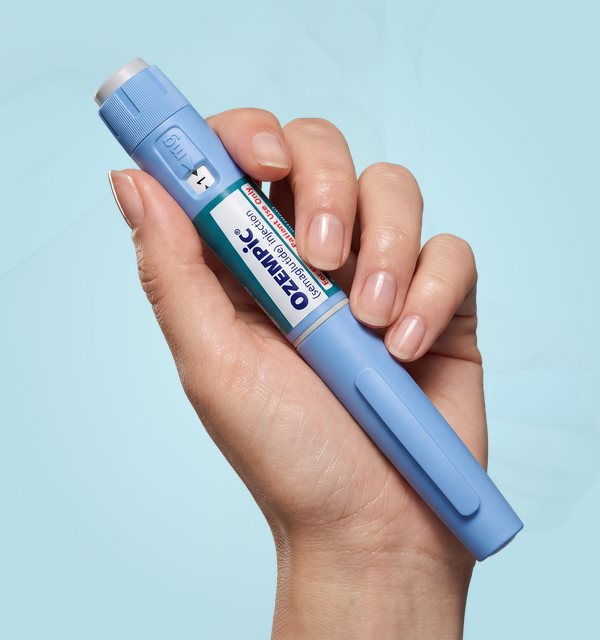
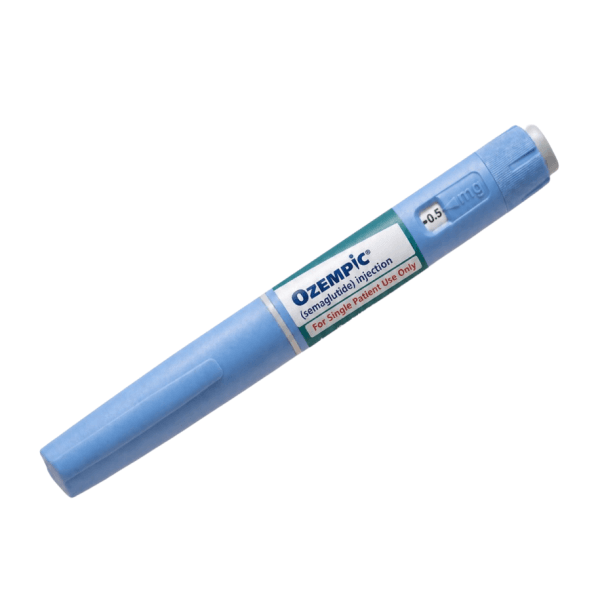
For people comparing medication pathways, Wegovy vs Mounjaro explains how semaglutide and tirzepatide differ at a high level. If your question is specifically about diabetes-focused alternatives, Mounjaro vs Ozempic may help frame discussion points for a clinician.
Side Effects, Warning Signs, and Long-Term Safety Questions
The most common Mounjaro side effects are gastrointestinal. Nausea, diarrhea, constipation, vomiting, burping, abdominal discomfort, and reduced appetite may occur, especially after starting or increasing a dose. These effects are often manageable, but persistent symptoms can affect hydration, nutrition, and quality of life.
How long Mounjaro side effects last varies. Some symptoms improve as the body adjusts. Others continue or return with dose increases. Contact a clinician if vomiting persists, fluids are hard to keep down, constipation is severe, or abdominal pain is intense. Seek urgent care for severe or ongoing abdominal pain, especially if it spreads to the back or comes with vomiting.
Serious but less common risks include pancreatitis, gallbladder problems, kidney injury related to dehydration, and hypoglycemia when combined with certain diabetes medicines. Tirzepatide labeling also includes a boxed warning about thyroid C-cell tumors observed in rodents. It should not be used in people with a personal or family history of medullary thyroid carcinoma or multiple endocrine neoplasia syndrome type 2.
Some readers search for Mounjaro side effects cancer because of that boxed warning. The warning does not mean the medicine is known to cause thyroid cancer in humans. It does mean that people with specific thyroid cancer risks should avoid it and that new neck masses, trouble swallowing, hoarseness, or shortness of breath should be medically assessed.
Mounjaro side effects for non diabetics can overlap with those seen in people with diabetes, especially gastrointestinal symptoms. The main difference is that diabetes medicines and glucose patterns may change hypoglycemia risk. Anyone using insulin or insulin-releasing drugs needs closer clinician-directed monitoring.
Long-term side effects remain an important discussion because chronic weight management may require ongoing therapy. Ask how follow-up will monitor nutrition, gastrointestinal tolerance, gallbladder symptoms, kidney function when dehydration occurs, and weight regain risk if treatment stops.
Using the Weekly Injection Safely
Tirzepatide is given as a once-weekly subcutaneous injection, meaning it is injected under the skin. Common injection areas include the abdomen, thigh, or upper arm, depending on the device instructions. Rotate sites to reduce local irritation and avoid injecting into tender, bruised, scarred, or hardened skin.
A Mounjaro injection routine should be simple and repeatable. Choose a consistent day, inspect the device as instructed, confirm you understand the dose, and dispose of sharps in an approved container. If you miss a dose, follow the product instructions or ask a clinician or pharmacist rather than guessing.
Quick tip: Keep a simple log of injection day, site, appetite, side effects, and any missed doses.
Device format can affect confidence and adherence. If you are comparing pen options, the Mounjaro KwikPen page provides product-specific navigation. Use product pages as reference points, not as a substitute for prescribing advice.
Food, Activity, and Habits That Support Tolerability
Many side effects after eating relate to portion size, meal composition, and slower stomach emptying. Large high-fat meals, alcohol, and very rich foods may worsen nausea or reflux for some people. Others notice constipation when total food intake falls but fluids and fiber do not increase.
A practical eating pattern usually emphasizes enough protein, vegetables or other fiber sources, fluids, and smaller meals while symptoms settle. People with diabetes should avoid making major carbohydrate changes without considering medication and glucose monitoring. Those with kidney disease, gastroparesis, pregnancy, eating disorder history, or repeated low blood sugar should seek individualized nutrition guidance.
Exercise goals should be realistic. Walking can support consistency, while resistance training helps preserve strength and lean mass during weight loss. If activity has been limited, start with a clinician-approved plan, especially when heart disease, neuropathy, joint pain, or dizziness is present.
For food planning during treatment, Mounjaro Diet covers meal considerations in more detail. It can help you prepare questions for a prescriber or registered dietitian.
Approval, Access, and Cost Context
People often ask whether Mounjaro is approved for weight loss. In the United States, Mounjaro is approved for type 2 diabetes, while tirzepatide has a separate chronic weight-management brand. Other countries may use different labeling, names, or access rules. Always check the current approval status where care is being provided.
Access can also depend on diagnosis, documentation, coverage rules, and whether a prescriber considers therapy appropriate. Some patients explore cash-pay options, including cross-border fulfillment where permitted and eligible. CanadianInsulin.com functions as a prescription referral platform; dispensing and fulfillment are handled by licensed third-party pharmacies where allowed.
Cost discussions should stay separate from safety decisions. A lower out-of-pocket option does not make treatment appropriate if contraindications or monitoring concerns exist. Likewise, coverage approval does not guarantee that the medicine is the best fit for every person.
If you are reviewing related treatment options, the Weight Management Products category is a browseable product collection. For the tirzepatide weight-management brand specifically, Zepbound may provide useful product context to discuss with a clinician.
Questions to Bring to Your Clinician
A focused appointment can reduce confusion and help you judge whether Mounjaro weight loss fits your situation. Bring your weight history, prior weight-management attempts, current medicines, allergies, diabetes status, and any history of pancreatitis, gallbladder disease, thyroid cancer, kidney disease, or severe gastrointestinal symptoms.
- Eligibility: Do my conditions match approved or appropriate use?
- Safety: Which risks matter most for my history?
- Dosing: What is the planned titration schedule?
- Monitoring: What symptoms should I report quickly?
- Nutrition: How should I protect protein intake and hydration?
- Diabetes medicines: Do any raise low-blood-sugar risk?
- Stopping plan: What happens if side effects or access issues occur?
These questions also help interpret Mounjaro before and after 1 month stories. Early appetite changes can happen before long-term patterns are clear. A safer measure of fit includes tolerability, nutrition, glucose safety when relevant, and whether the plan remains sustainable.
Authoritative Sources
For label-backed dosing, contraindication, and warning details, review the FDA Mounjaro prescribing information.
For the U.S. chronic weight-management approval of tirzepatide under a different brand, see the FDA tirzepatide weight-management announcement.
For broader obesity-care principles and chronic disease framing, consult the CDC adult obesity information.
Recap
Mounjaro weight loss decisions should balance eligibility, approval status, dose planning, side-effect risk, and long-term support. Tirzepatide can reduce appetite and help some people lose weight, but it needs careful screening and follow-up. The best next step is a clinician-led review that connects the medicine to your health history, goals, nutrition plan, and safety monitoring.
This content is for informational purposes only and is not a substitute for professional medical advice.