
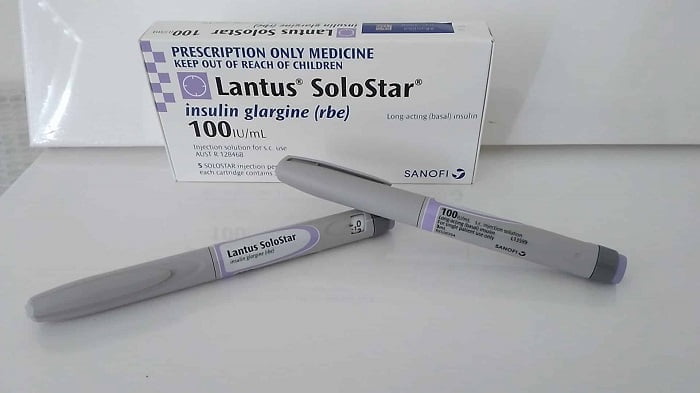
Lantus is a long-acting insulin used to help control blood glucose between meals and overnight. Its generic name is insulin glargine, and it is given by subcutaneous injection, not as a tablet. The main safety issue is hypoglycemia, or low blood sugar, especially when meals, activity, illness, alcohol, or other medicines change.
This updated article keeps the practical focus: what the medicine does, what side effects to watch for, which interactions matter, and how pens, vials, storage, and travel can affect daily use.
Key Takeaways
- Basal insulin role: It supports steady background glucose control.
- Main risk: Low blood sugar can be mild or serious.
- Injection only: There is no tablet form of insulin glargine.
- Technique matters: Site rotation helps reduce tissue changes.
- Plan ahead: Storage, refills, and travel need preparation.
What Lantus Is and Where It Fits in Diabetes Care
Lantus is a brand of insulin glargine U-100, a long-acting basal insulin. Basal insulin provides background coverage when you are not eating. It is different from rapid-acting mealtime insulin, which is used around meals or corrections when prescribed.
Insulin glargine forms tiny deposits under the skin after injection. These deposits release insulin slowly, which helps provide a relatively steady effect over about 24 hours for many people. This pattern is why the term lantus peak can be confusing. It is often described as having no pronounced peak, but glucose response can still vary from person to person.
People with type 1 diabetes usually need basal insulin plus rapid-acting insulin. Some people with type 2 diabetes may use basal insulin alone or with other glucose-lowering medicines. It is not used to treat diabetic ketoacidosis, a serious emergency that requires urgent medical care.
For a deeper look at timing, onset, and duration, see Lantus Onset Peak Time. You can also browse broader educational topics in the Diabetes Articles collection.
Common and Serious Side Effects
Lantus side effects most often relate to blood sugar changes or the injection site. Common effects include hypoglycemia, injection-site redness, itching, swelling, and weight change. Some people also notice skin thickening or small dents under the skin when injections repeatedly go into the same area.
Hypoglycemia can cause shakiness, sweating, hunger, headache, dizziness, fast heartbeat, irritability, or confusion. Severe lows can lead to seizure, loss of consciousness, or injury. People who have repeated lows, lows overnight, or reduced warning symptoms should discuss the pattern with a clinician.
Injection-site reactions are usually localized. They may improve when sites are rotated and technique is reviewed. Lipodystrophy means changes in fat tissue under the skin. Injecting into these areas can make absorption less predictable, so site rotation is an important safety habit.
Rare but serious reactions can include a severe allergic reaction, significant swelling, or low potassium levels. Seek urgent help for trouble breathing, swelling of the face or throat, widespread rash, fainting, or severe confusion. These symptoms need prompt evaluation.
Why it matters: Side effects can look like routine glucose variation until patterns repeat.
Interactions, Contraindications, and Precautions
Lantus interactions can raise or lower insulin needs. Corticosteroids, some antipsychotics, certain diuretics, and some HIV medicines may raise blood glucose. Alcohol, ACE inhibitors, and several other medicines may increase the risk of hypoglycemia in some people. Beta blockers can also make low-blood-sugar warning signs harder to notice.
The key precaution is monitoring when anything changes. New prescriptions, changed exercise routines, illness, reduced food intake, or changes in kidney or liver function can alter insulin requirements. This does not mean you should change your insulin dose on your own. It means glucose patterns should be reviewed with your care team.
Insulin glargine is contraindicated during episodes of hypoglycemia and in people with hypersensitivity to insulin glargine or product ingredients. It should not be mixed with other insulins in the same syringe. It should also not be used in an insulin pump unless a specific product is approved and prescribed for that purpose.
What should you avoid while using basal insulin? Avoid skipping meals without a plan, drinking alcohol without understanding hypoglycemia risk, driving when glucose is low, and using insulin that may be frozen, overheated, cloudy, or expired. Also avoid injecting repeatedly into the same small area.
Injection Formats: Pen, Vial, and Cartridge Basics
Lantus is available in injectable formats such as pens, vials, and cartridges, depending on market and supply. The difference between a pen and vial is mainly the delivery system, not the active ingredient. A pen is prefilled and dialed for a dose. A vial requires a compatible insulin syringe.
The Lantus SoloStar Pens page is useful for readers comparing the pen format. For vial users, Lantus Vial provides product-format context. If a reusable pen system is being considered, review Lantus Cartridges only to understand the format and compatibility discussion.
People often ask how many units are in a SoloStar pen. The answer depends on the labeled concentration and fill volume printed on the product packaging. Always check the package and device instructions rather than relying on memory, especially after a refill or format change.
Pen technique usually includes attaching a new needle, priming as directed, dialing the dose, injecting into subcutaneous tissue, and holding the pen in place long enough for delivery. Vial technique depends on the correct syringe and sterile handling. If technique feels uncertain, ask a diabetes educator, pharmacist, or clinician to watch a practice demonstration.
Quick tip: Keep one written list of insulin names, formats, and current instructions.
Storage, Travel, and Daily Handling
Insulin can lose potency if it freezes, overheats, or sits in direct sunlight. Unopened and in-use storage rules can differ, so the current product label should guide handling. Do not use insulin that has changed color, contains particles, or was exposed to unsafe temperatures.
Many people ask whether opened insulin must stay refrigerated. Labels often allow a defined room-temperature period after first use, but the allowed time depends on the product and format. Marking the first-use date on the pen or vial can prevent accidental overuse beyond the labeled window.
Travel adds three practical issues: temperature, timing, and backup supplies. Keep insulin with you rather than in checked luggage when flying. Use insulated storage when needed, but avoid direct contact with frozen gel packs. Time-zone changes may require a plan from your care team, especially if you use both basal and mealtime insulin.
Some readers track glucose in different units when traveling or reviewing older records. This converter can help compare mg/dL and mmol/L values, but it does not interpret results or replace clinical guidance.
Blood Glucose Unit Converter
Convert glucose readings between mg/dL and mmol/L without changing the clinical value.
These calculations are for education only and do not replace clinical advice, diagnosis, or treatment. Always confirm medical decisions with a qualified healthcare professional.
There is no evidence-based reason that every person must avoid showering after an insulin injection. The more relevant issue is skin care and absorption. Avoid rubbing the injection area, applying strong heat directly over the site, or using a hot tub immediately after injecting unless your care team has given specific guidance.
Weight, Glucose Patterns, and When to Recheck the Plan
Insulin therapy can be associated with weight change in some people. This may happen as glucose control changes and the body uses calories differently. It can also relate to treating frequent lows with extra carbohydrates. Weight concerns should be discussed without stopping insulin or changing doses independently.
Persistent high readings can have several causes. Insulin may be degraded, injection sites may be overused, technique may be inconsistent, or food, illness, stress, or other medicines may have changed. If the pattern repeats, document timing, meals, activity, injection location, and meter or CGM readings before reviewing it with your clinician.
For more detail on this specific concern, see Lantus and Weight Gain. For a plain-language explanation of the body mechanism, How Lantus Works gives additional context.
Alternatives, Switching, and Access Context
Switching basal insulins should be supervised because insulin products are not always interchangeable unit-for-unit in practice. Alternatives may include biosimilar insulin glargine products or other long-acting insulins. The right option depends on clinical history, glucose patterns, device preference, coverage, and prescriber judgment.
For a same-class glargine option, Basaglar Insulin can help readers compare available formats. The Type 2 Diabetes Products collection may also help readers understand how product listings are organized by condition.
Some patients explore cash-pay options and cross-border fulfilment depending on eligibility and jurisdiction. CanadianInsulin.com functions as a prescription referral platform, and where required, prescription details may be confirmed with the prescriber. Dispensing and fulfilment are handled by licensed third-party pharmacies where permitted.
Authoritative Sources
For official prescribing details, including indications, limitations, contraindications, warnings, and interactions, review the current manufacturer prescribing information.
The U.S. DailyMed drug record provides label-based product information for insulin glargine injection; see the DailyMed insulin glargine label.
For general patient education on insulin and diabetes medicines, the American Diabetes Association provides broad guidance on insulin use in diabetes care.
Recap
Lantus is a long-acting insulin glargine injection used for basal glucose control. Its main risks include hypoglycemia, injection-site reactions, tissue changes, and rare allergic or electrolyte-related problems. Safe use depends on consistent technique, careful storage, awareness of interactions, and review of repeated glucose patterns with a qualified clinician.
Use the latest label, your prescription instructions, and your care team’s advice as the final source for personal decisions. This is especially important during illness, pregnancy, major diet changes, medication changes, or repeated highs or lows.
This content is for informational purposes only and is not a substitute for professional medical advice.



