

A Levemir FlexPen should be stored refrigerated before first use, protected from freezing, heat, and light, then kept within the labeled in-use window after it is opened. These storage rules matter because insulin detemir can lose reliability when exposed to unsafe temperatures. This page explains safe temperature ranges, how to inspect the pen, what to do after possible heat or freezing, and how discontinuation or access changes may affect planning.
Key Takeaways
- Unopened pens: Store refrigerated, not frozen.
- In-use pens: Follow the labeled room-temperature window.
- Heat exposure: Avoid cars, sunlight, and heaters.
- Before dosing: Check for clear, colorless insulin.
- Supply planning: Confirm availability before you run low.
What Type of Insulin Is a Levemir FlexPen?
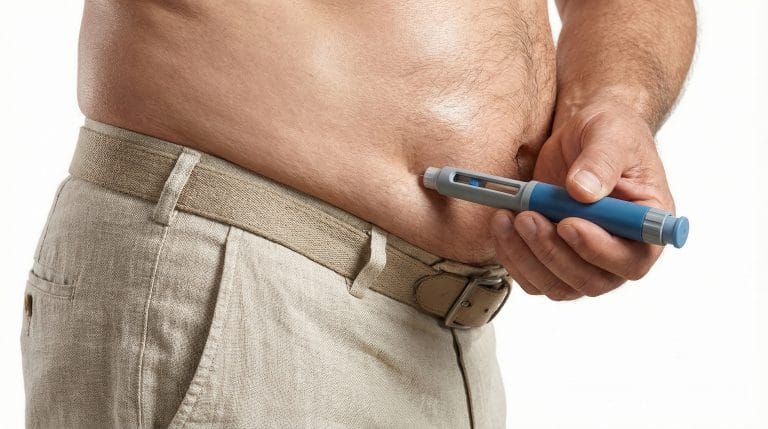
Levemir is the brand name for insulin detemir, a long-acting basal insulin analog. Basal insulin helps provide background insulin coverage between meals and overnight. The Levemir FlexPen is a disposable, prefilled insulin pen device that contains insulin detemir U-100, meaning 100 units per mL.
It is not the same as a rapid-acting mealtime insulin. Mealtime products are usually taken around food intake, while basal insulin is intended to support baseline insulin needs. Your prescriber sets timing and dosing based on your regimen, glucose patterns, and other medicines.
The pen format can simplify carrying and dosing compared with vials and syringes, but storage still matters. A pen that has been overheated, frozen, contaminated, or kept too long after first use may not perform as expected. For a deeper background on the medicine itself, see What Is Levemir.
Why it matters: Storage errors can look like dose problems when the insulin has degraded.
Safe Storage Temperatures Before and After First Use
Unopened Levemir insulin pens should generally be kept in a refrigerator, away from the freezer compartment. Do not use a pen that has been frozen, even if it later thaws. Freezing can change the solution and may affect how reliably insulin works.
Keep unopened pens in the original carton when possible. The carton helps protect the insulin from light and makes the expiry date easier to confirm. Avoid storing pens in the refrigerator door if the temperature swings widely or if items frequently freeze near that area.
After first use, follow the official product labeling for room-temperature storage and the maximum in-use time. Levemir labeling commonly describes room temperature storage below 30°C or 86°F after use, with disposal after the stated in-use period. Do not stretch that window to avoid waste. If the pen has passed its in-use limit, discard it safely even if insulin remains.
For broader insulin handling principles, you can compare general recommendations in Insulin Storage Temperature and Insulin Storage 101. Those resources can help if you use more than one insulin type.
Daily Handling and Inspection Checks
Inspect the Levemir FlexPen before each injection. The solution should look clear and colorless. Do not use it if you see particles, cloudiness, crystals, clumps, or a film on the cartridge wall. These changes can signal contamination, freezing, or other product damage.
Keep the cap on when the pen is not in use. This protects the cartridge from light and reduces dust exposure. Store the pen in a clean, dry place at a stable room temperature, such as a drawer away from windows, stoves, radiators, and bathrooms.
Do not store the pen with a needle attached. A left-on needle can allow insulin to leak, air to enter, or the needle opening to become blocked. It can also increase the chance of contamination. Use a new compatible disposable needle for each injection, as directed by the device instructions and your care team.
Common Storage Mistakes
- Leaving it in a car: Vehicle temperatures can rise quickly.
- Placing it near ice packs: Direct contact can freeze insulin.
- Keeping it on a windowsill: Sunlight and heat can build up.
- Using an expired pen: Date limits still apply after opening.
- Skipping visual checks: Damage is not always obvious otherwise.
If you are also comparing storage rules for rapid-acting pens, Novolog FlexPen Storage explains similar device precautions with different product-specific details.
If the Pen Gets Too Warm or Freezes
If a Levemir FlexPen gets too warm, first estimate the likely temperature and exposure time. A few minutes at mild room warmth is different from hours in a hot car. When you cannot judge the exposure or the pen looks abnormal, use a backup pen if available and ask a pharmacist or clinician what to do next.
Never use insulin that has frozen. Ice crystals can damage the solution, and thawing does not restore reliable potency. Also avoid trying to warm cold insulin with a microwave, oven, hot water, hair dryer, or heating pad. These methods can create uneven hot spots and damage the medication.
Let a refrigerated pen reach room temperature naturally before injection if that is part of your usual routine. Do not leave it out longer than labeling allows. During travel, keep insulin insulated from direct heat and from direct contact with ice or frozen gel packs.
Quick tip: A small refrigerator thermometer can help identify freezing or overheating risks.
Needles, Technique, and Dose Delivery Basics
The Levemir insulin pen requires compatible disposable pen needles, which are usually supplied separately. Needle size and selection should be discussed with your pharmacist or care team, especially if you have dexterity, vision, or injection-site concerns. Do not share pens or needles, even with a family member.
Correct technique supports accurate dose delivery. In general, users are taught to attach a new needle, perform any required safety check or priming step, dial the prescribed dose, inject into appropriate subcutaneous tissue, and dispose of the needle in a sharps container. Follow the instructions provided with your device and your clinician’s training.
If a dose does not seem to deliver, do not automatically repeat it. Pen blockage, missed priming, leakage, or technique problems can all cause confusion. Check your glucose as directed, review the device instructions, and contact your care team if you are unsure what happened.
For onset, peak, duration, and safety context around insulin detemir, see Insulin Detemir Side Effects. That page can help separate storage questions from expected medicine characteristics.
Availability, Discontinuation, and Alternatives
Many people ask whether Levemir is still available because product availability has changed in some markets. Reports and manufacturer communications have described discontinuation or phase-out activity for certain Levemir presentations. Availability can vary by country, pharmacy stock, and product format, so confirm your local status before you are close to running out.
If your pharmacy cannot obtain Levemir insulin, contact your prescriber before switching. A Levemir discontinued replacement may involve another basal insulin, such as an insulin glargine product or insulin degludec, but these are not one-for-one substitutions without clinical review. Differences in duration, timing, device use, formulary coverage, and monitoring can matter.
People also ask about Levemir generic availability. Insulins are biologic medicines, so follow-on products often fall under biosimilar or similar regulatory pathways rather than simple small-molecule generic pathways. Your pharmacist can explain what is available in your jurisdiction and whether substitution rules apply.
If you are reviewing device formats, Levemir PenFill Cartridges may help you identify how cartridge-based options differ from disposable pen formats. CanadianInsulin.com functions as a prescription referral platform, and prescription details may need confirmation with the prescriber where required.
Side Effects and Safety Signals to Keep in Mind
Storage concerns can overlap with safety concerns. If insulin has degraded, glucose readings may rise despite usual use. However, high or low glucose can also come from food intake, illness, activity, missed doses, injection technique, medication changes, or progression of diabetes. Do not assume storage is the only cause.
Common insulin-related safety concerns include hypoglycemia (low blood sugar), injection-site reactions, and weight changes. Serious allergic reactions are uncommon but require urgent medical attention. Seek prompt care for severe low blood sugar, confusion, loss of consciousness, trouble breathing, swelling of the face or throat, or persistent vomiting with high glucose or ketone concerns.
If your readings change unexpectedly after using a pen exposed to heat or cold, document the storage event, glucose readings, symptoms, and pen lot information if available. Share those details with your pharmacist or clinician. They can help decide whether the issue is likely storage-related, technique-related, or part of a broader treatment problem.
Authoritative Sources
Product-specific storage instructions should come from the official label or patient information for your exact product and country. The official Levemir prescribing information describes formulation, device presentation, storage, and safety details for U.S. labeling.
For another regulator-style reference, the UK Summary of Product Characteristics provides professional product information, including storage and handling sections. Label details can differ by market, so use the version that matches your dispensed medicine.
The FDA biologics and biosimilars resource explains how biologic follow-on medicines differ from traditional generics. This is useful when interpreting Levemir generic or alternative product discussions.
Recap
Store unopened Levemir pens in the refrigerator, keep them away from freezing, and protect them from light. After first use, follow the labeled room-temperature limit and discard the pen after the in-use window. Inspect the solution before each injection and avoid needles left attached between uses.
Because availability has changed in some regions, plan refills early and confirm local supply with your pharmacy and prescriber. If you need an alternative, make the transition with clinical guidance rather than substituting on your own.
This content is for informational purposes only and is not a substitute for professional medical advice.